 Bo Wu
Bo Wu
What You'll Learn (Quick Jump)
Let me paint you a picture. It's your first day in Shanghai, you've just stepped out of Pudong Airport, and you're holding a wad of US dollars you naively assumed would be easy to spend. You walk into a convenience store to buy water, hand over a $100 bill—and the cashier looks at you like you just handed him a museum ticket. Welcome to China, where physical cash from abroad is almost useless, and the currency game is completely different from the rest of the world.
The single biggest mistake I see travelers make? Assuming their Visa card will work, or that currency exchange booths at the airport give fair rates. They don't. I've had clients lose over 10% on a single exchange because they didn't know the ropes. So let's fix that. Here is the insider truth about China currency exchange that no generic travel blog tells you.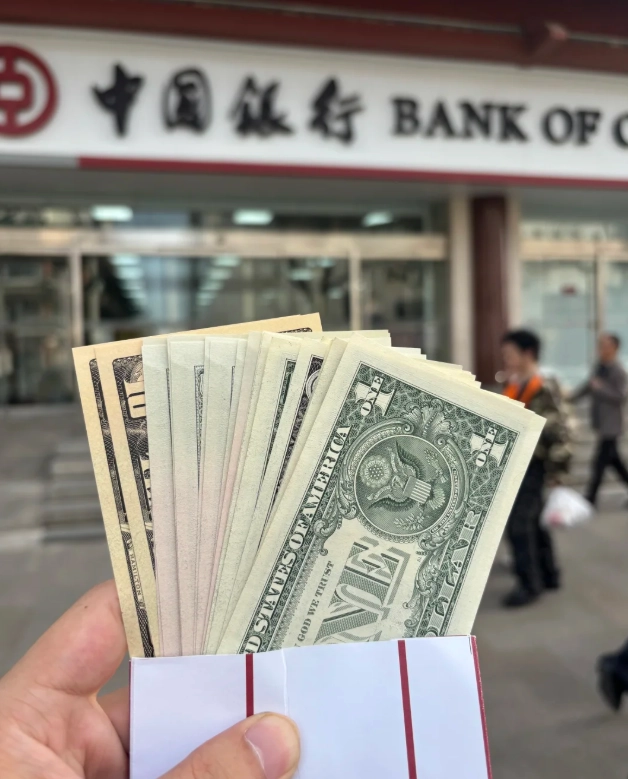
Why Cash Isn't King Anymore
China has leapfrogged the rest of the world into a cashless society—but not with the cards you're used to. WeChat Pay and Alipay QR codes are everywhere. Even street vendors selling grilled skewers have a QR code taped to their cart. Paper money? Yes, it's still legal, but you'll get strange looks if you try to pay for a 2 yuan bottle of water with a 100 yuan note.
Here's the catch: you cannot directly load foreign currency into these apps. You first need to get Chinese yuan (CNY) into a Chinese bank account or a linked international card. And that's where the exchange game starts.
Best Methods to Exchange Money in China
1. Airport Bank Counters (Only if you must)
Yes, it's convenient at baggage claim, but the rates are often 3-5% worse than city banks. Plus, they charge a commission. If you exchange a small amount (say, ¥500) to get a cab and a meal, it's fine. For anything larger, wait.
2. City Bank Branches (Best rates)
Walk into any Bank of China or Industrial and Commercial Bank of China (ICBC) branch with your passport. No appointment needed. Tell the teller you want to exchange foreign currency to yuan. They'll use the mid-market rate with a tiny spread (usually 0.5-1%). Bring your passport—it's mandatory. I always use Bank of China because their English-speaking staff is more common in major cities. The whole process takes 15-20 minutes.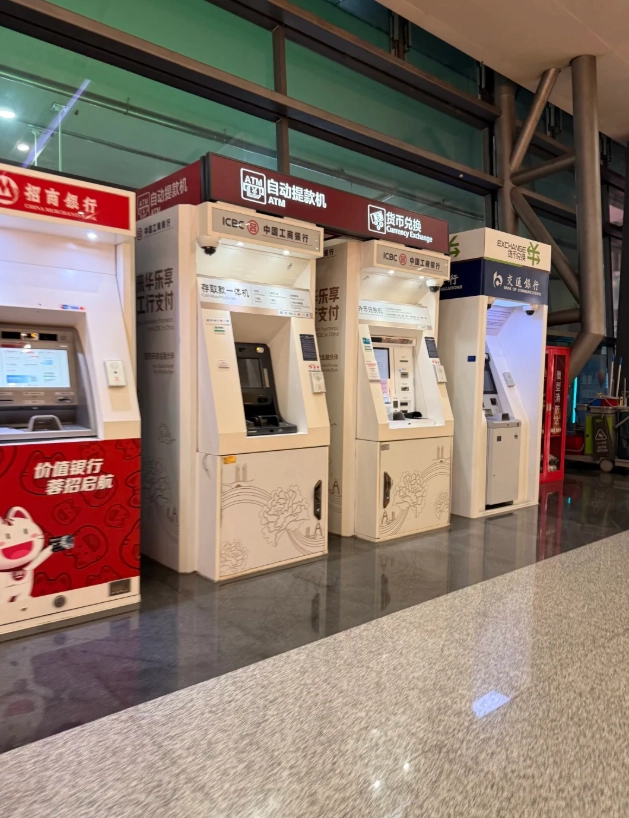
3. ATMs with International Cards
If you have a debit card that doesn't charge foreign transaction fees (like Charles Schwab or Monzo), ATMs are your best friend. But not all ATMs are equal. The ones at Bank of China, CITIC Bank, and China Merchants Bank usually have the lowest surcharge (around 12-15 yuan per withdrawal). Avoid ATMs in tourist traps—they sometimes add a dynamic currency conversion fee. Always choose to be charged in local currency (CNY), not your home currency.
Where to Get the Best Yuan Rates
| Method | Typical Rate Loss vs Mid-Market | Convenience | Best For |
|---|---|---|---|
| Airport Bank Counter | 3-5% | Very High | Small urgent cash (¥500-1000) |
| City Bank Branch (BOC/ICBC) | 0.5-1% | Medium (need to queue) | Large amounts (¥5000+) |
| ATM with no-FX-fee card | 0% + ATM fee (~12-15 yuan) | High (find any bank ATM) | Any amount; avoid weekends? |
| Hotel Front Desk | 8-12% | High | Never use unless emergency |
| WeChat/Alipay linked to intl. card | 1-2% (including transaction fees) | Very High (once set up) | Everyday payments, no cash needed |
Note: Rates fluctuate daily. These are based on my experience over the past year. Always check the live mid-market rate on XE.com before exchanging.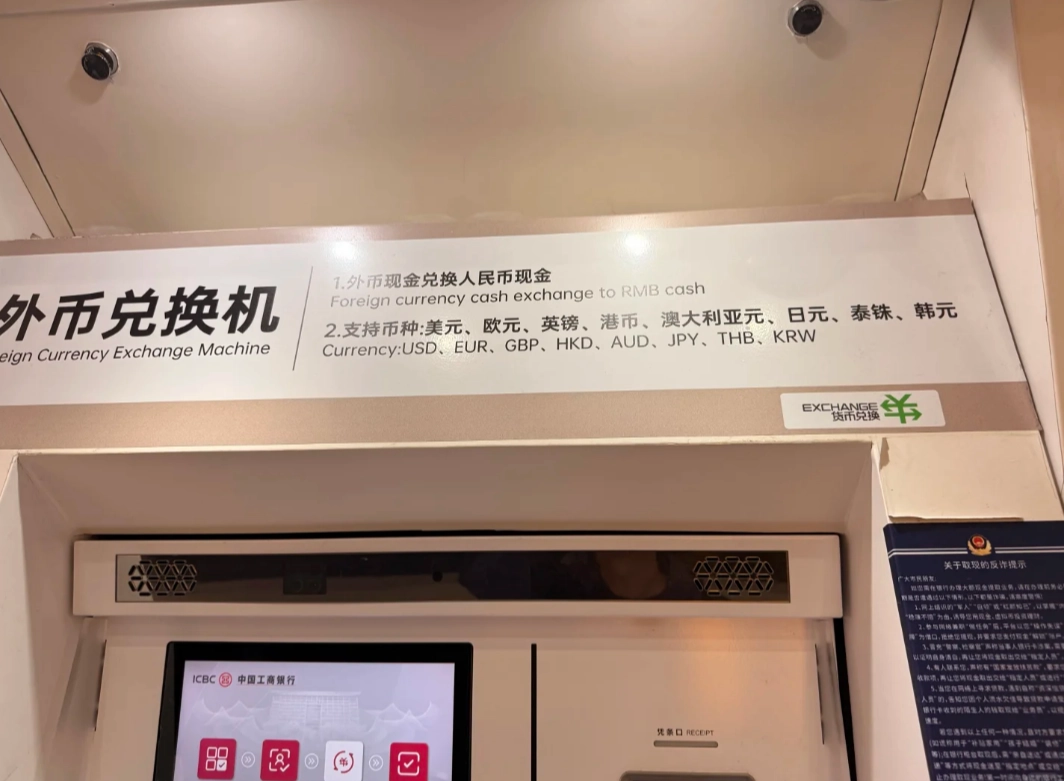
Alipay & WeChat Pay: The Real Deal
You can link your international Visa or MasterCard to Alipay and WeChat Pay now. This is a game-changer. No need to exchange cash at all for many transactions. But there's a catch: a 3% fee on each cross-border transaction, and some merchants don't accept international cards on WeChat Pay (though Alipay is more consistent). Still, for convenience, it beats carrying cash.
Here's how I set up my clients:
- Download Alipay (has an English interface) and register with your passport.
- Link your international credit card (Visa/MC).
- In China, scan any QR code to pay. The amount is converted from USD to CNY at your bank's rate plus Alipay's 3% fee.
- For WeChat Pay, add a card but note that foreign cards only work if the merchant has a specific business account. Many small shops don't. So keep Alipay as primary.
Common Scams & Traps
The 'Currency Exchange' WeChat group scam — Someone offers to exchange money at a 'better rate' via WeChat transfer. They'll show you a fake transfer screenshot. Always use official channels.
Dynamic Currency Conversion (DCC) — When using your card at an ATM or POS, the machine asks if you want to be charged in your home currency. Always say NO and choose CNY. The exchange rate they offer is usually terrible.
Private money changers on the street — In tourist areas like Wangfujing in Beijing, people whisper 'change money?' Ignore them. They'll shortchange you or give counterfeit bills.
'Free' exchange at hotels — Nothing is free. Their rate includes a huge markup.
Airport ATM 'global' fees — Some ATMs at airports charge a flat fee of 30-50 yuan. Use a bank-owned ATM inside the city instead.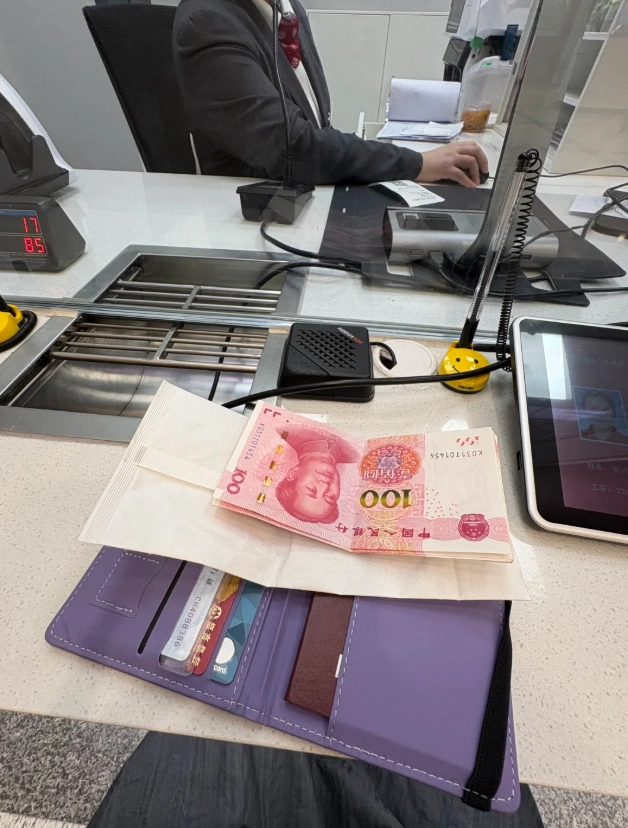






I'm kind of obsessed with getting the best exchange rates, and this place delivered. The staff were incredibly patient when I asked to check the mid-market rate vs. their offer—they showed me the live rate on their screen. Zero commission, zero bank fees, and the cash was all crisp new bills. A+ service, will be my go-to every time.
Saved a ridiculous amount compared to the hotel exchange counter. Used their rate lock feature the night before and the rate actually improved slightly—they honored the better one! No hidden fees, no fuss. They even gave me a small free travel pouch. Absolutely recommend for anyone heading to China.
This place is a gem. I exchanged $2,000 USD to CNY and got the exact rate they quoted online—no surprise deductions. The teller even printed a breakdown of the savings vs. using a bank. Fast, transparent, and the staff spoke perfect English. Best decision I made before my China trip.
Really good rates compared to my bank and no extra fees! Was in and out in about 10 minutes. Only gripe is the tiny waiting area—had to stand by the door while they processed my transaction. Still, saved me almost $40 on a €500 exchange. Will use them again.
Stopped by based on the name, hoping to dodge the crazy fees at the airport. The rate was decent but not as amazing as I expected—there was a small service charge buried in the fine print. Also the place was a bit hard to find inside the mall. Decent for a quick swap if you're in a pinch, but I wouldn't go out of my way.