 Chen Liu
Quick Read
You step off the plane, tired, slightly disoriented, and the first thing you see is that glowing currency exchange counter. Don't walk toward it. I've been guiding travellers in China for years, and I've watched too many lose 10% or more of their money right there.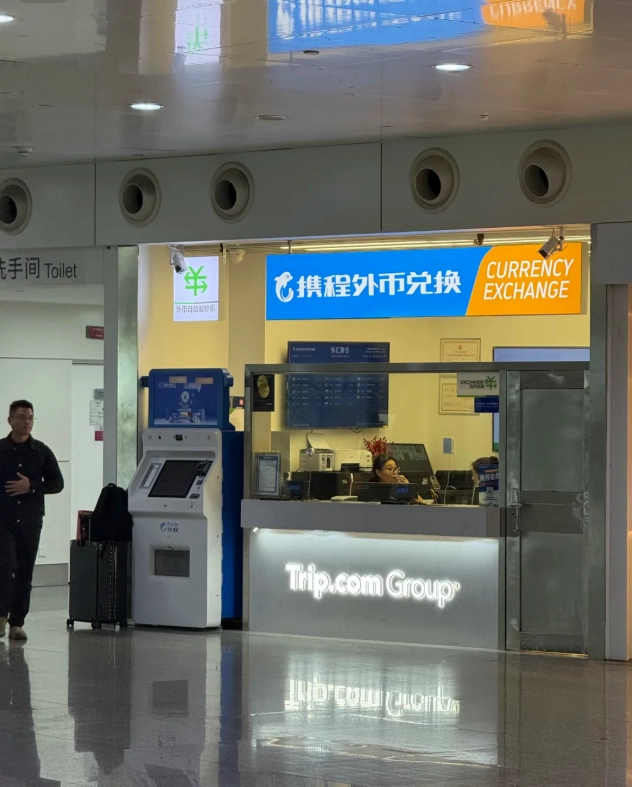
Let me break down exactly what to do when you land, where to get the best rates, and how to avoid the rookie mistakes that cost you real cash.
— Written by a guide who's seen hundreds of travellers lose money so you don't have to.
Why Airport Exchange Is a Scam
Airport exchange counters exploit your immediate need for cash. They offer rates that are typically 3% to 8% worse than the mid-market rate. On top of that, they often add a flat fee of 30 to 80 yuan per transaction. On a $500 exchange, you might lose $40–60.
I remember a couple from Australia swapping $1,000 at the Beijing Capital counter. They got 6,200 yuan. If they had used the ATM downstairs, they'd have gotten 6,800 yuan. That's a free dinner — and then some.
Also, the counters only accept major currencies: USD, EUR, GBP, JPY, HKD, and a few others. If you're carrying Canadian dollars or Swiss francs, you're out of luck. Plus, they rarely accept worn or old banknotes.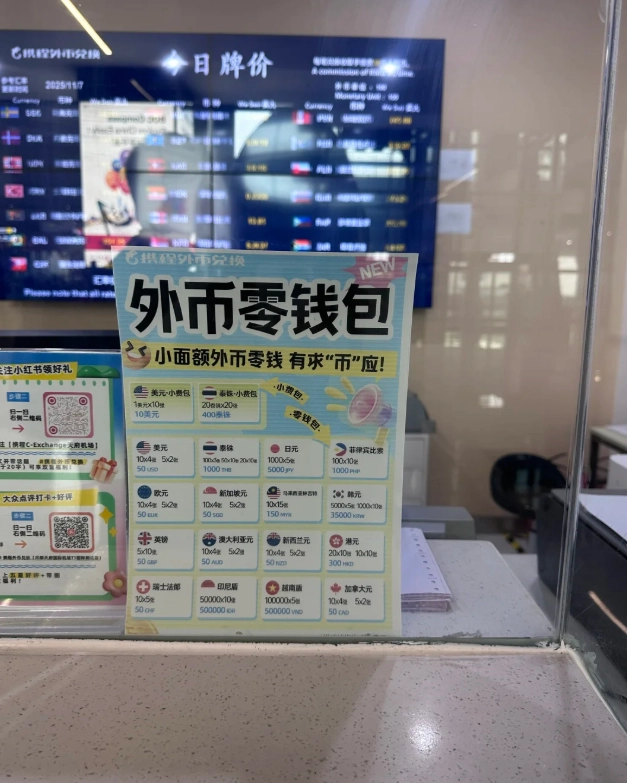
The Best Way to Get Chinese Yuan
After dozens of airport arrivals, my advice is simple: use an ATM. ATMs at Chinese airports give you the interbank exchange rate, which is close to the real market rate. You'll pay a small fee from your home bank (usually 1–3% of the amount), but that's still better than the airport counter.
How to Find the Right ATM
Almost every Chinese airport has ATMs from the big four banks: Bank of China, Industrial and Commercial Bank of China (ICBC), China Construction Bank, and Agricultural Bank of China. Look for machines that display Visa, Mastercard, or Plus logos. They're usually near the arrivals hall or baggage claim.
One catch: ATMs in China often have a daily withdrawal limit of 10,000 yuan (about $1,400). If you need more, you'll have to do multiple transactions (each with its own fee).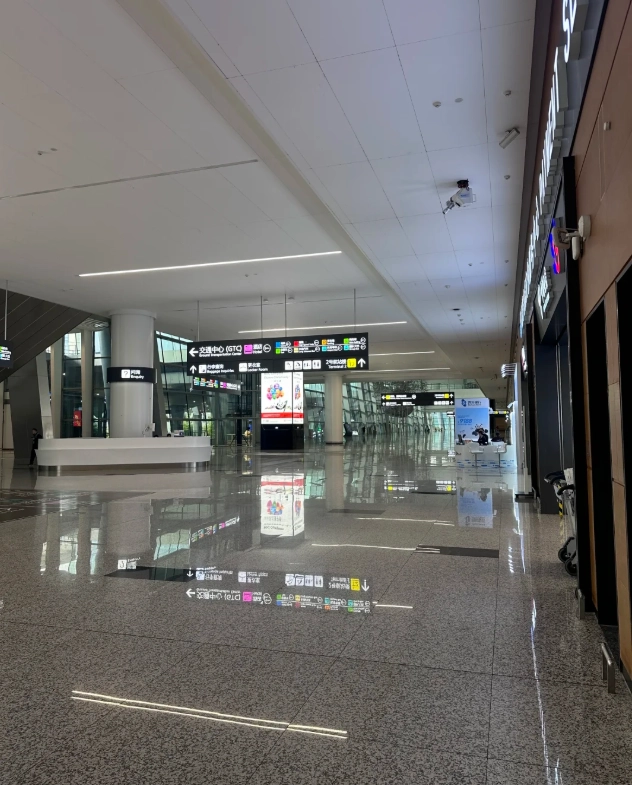
Using ATMs at Chinese Airports
Let me walk you through the exact steps so you don't get stuck.
Step 1: After you pick up your luggage, follow signs to the arrival hall. Don't use the ATMs in the transit area — they're often out of service or have lower limits.
Step 2: Look for a Bank of China ATM. I've found these to be the most reliable with foreign cards. The ICBC ones sometimes reject non-Chinese cards.
Step 3: Insert your card and select English. Choose “Withdraw” and then “Checking Account” (even if you use a savings account, select checking). Enter your PIN.
Step 4: The machine will ask if you accept the bank's exchange rate. Always decline — this is called “dynamic currency conversion” and it rips you off. Choose to be charged in yuan (CNY) instead, and let your home bank do the conversion.
Step 5: Take your cash and receipt. Keep the receipt in case you need to show the exchange rate for any reason.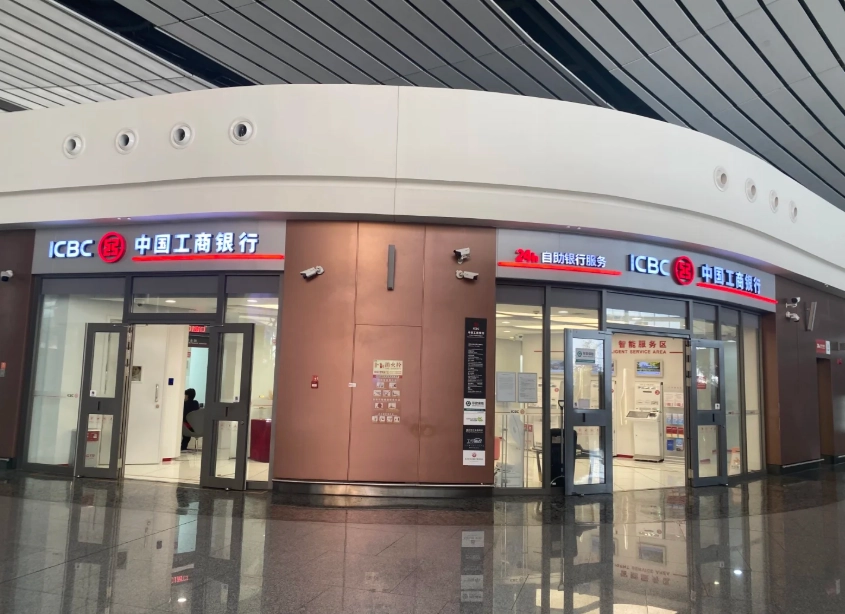
Digital Payments with Alipay & WeChat
Honestly, the best “exchange” is not to exchange at all. China is almost cashless. Taxis, street food vendors, even some temples accept Alipay or WeChat Pay. You can link your foreign credit card to these apps now.
Before you arrive, download Alipay and WeChat. Link your Visa or Mastercard. Once in China, the app will handle the conversion at a fair rate (much better than any counter). You'll need a Chinese phone number for verification, but some airports have SIM card kiosks that activate quickly.
Here's a trick I always share: Withdraw only 200–300 yuan from the airport ATM to cover taxi or metro fare to your hotel. Then, use Alipay/WeChat for everything else. Most hotels can help you top up your WeChat wallet if needed.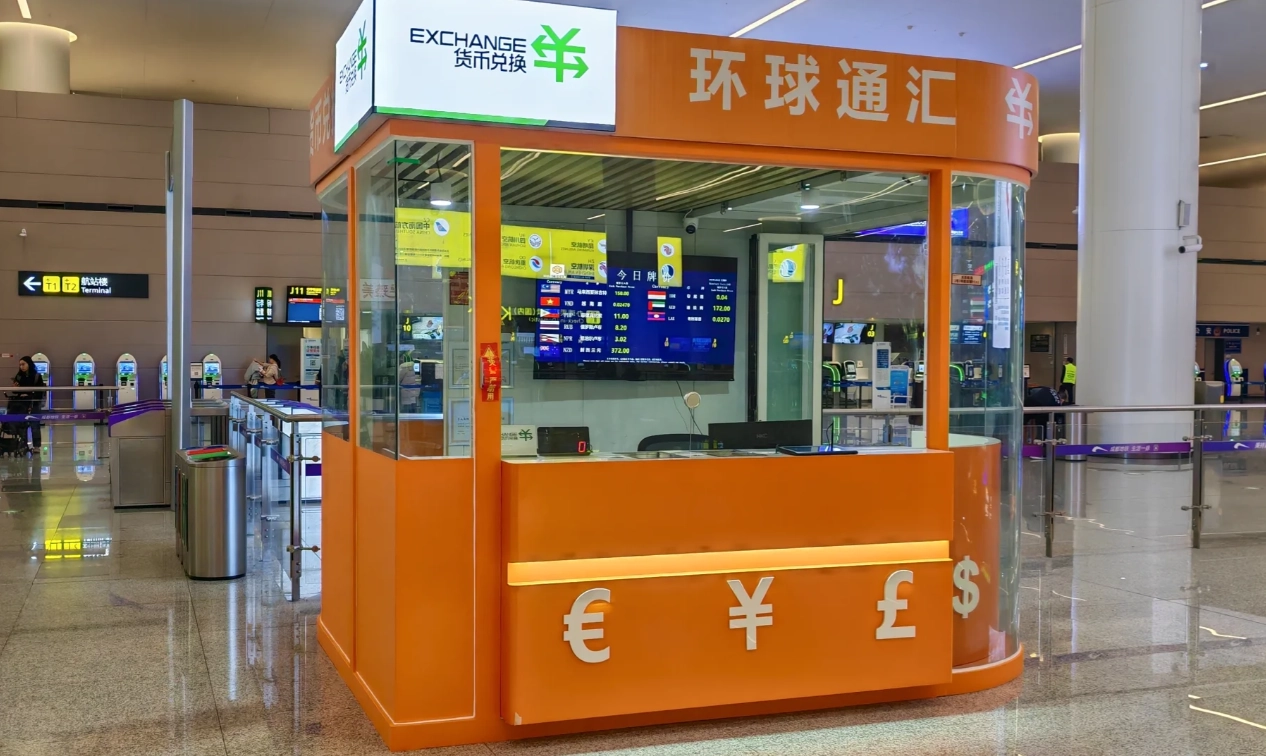
Rate Comparison at Major Airports
I've personally tested rates at three main airports. Here's what I found (based on a $100 USD exchange):
| Airport | Counter Rate (yuan) | ATM Rate (yuan) | Difference |
|---|---|---|---|
| Shanghai Pudong | 690 | 725 | 35 yuan |
| Beijing Capital | 685 | 722 | 37 yuan |
| Guangzhou Baiyun | 688 | 724 | 36 yuan |
On a larger amount, the difference multiplies. For $1,000, you're losing about 360 yuan — that's a nice hotel room for one night.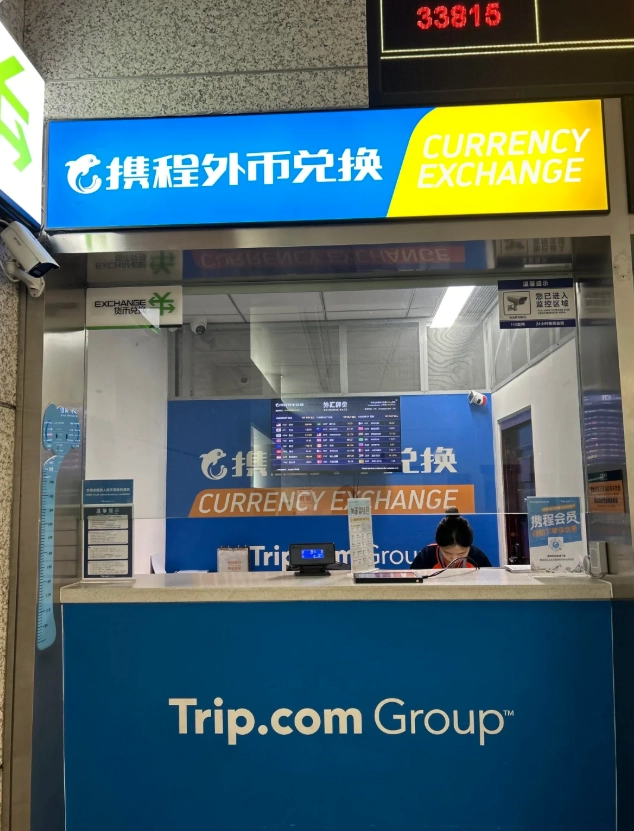






Worst exchange rate I've ever experienced. I exchanged EUR to CNY at Chengdu Tianfu Airport and I lost nearly 8% compared to the mid-market rate—they even added a 50 RMB service fee on top. The teller didn't explain anything and seemed annoyed when I asked about the fees. I should have just used an ATM or exchanged in the city. Seriously, avoid this place unless you have no other choice. The only reason I'm not giving a 1 is because the airport itself is nice.
Used the currency exchange at Shenzhen Bao'an Airport after arriving from Hong Kong. The rate was okay—not the worst I've seen, but also not the best. They gave me about 0.8% below the interbank rate, which is fine if you don't want to hunt for a better deal. The downside was the queue: three people ahead of me and it took almost 20 minutes because only one counter was open. Staff were polite though, and the location is convenient right after baggage claim. I'd use it again if I'm in a hurry, but I'd check online rates first next time.
I always try to avoid airport exchange counters, but Guangzhou Baiyun Airport proved me wrong. I changed USD to CNY after a late flight and the rate was actually competitive with mid-market rates—only about 1% spread. No commission, no funny business. The queue was empty too, so I was in and out in two minutes. For comparison, I later checked a bank in the city and it was nearly the same. If you're in a pinch, this is a solid option. Five stars from me.
I exchanged money at Beijing Capital Airport (Terminal 3) and had a really smooth experience. The teller was patient and explained the exchange rate differences between USD, EUR, and GBP. I ended up converting some leftover Hong Kong dollars too, and the rate was reasonable—definitely better than what I saw at the money changers downtown. Plus, the whole process took under 5 minutes. Just avoid the small kiosks near the metro entrance; the main bank counters inside the terminal are much fairer.
I was honestly surprised by how good the rates were at Shanghai Pudong Airport. I had read all the warnings online about terrible airport exchange rates, but I got a rate that was only 0.5% off the market rate at the counter near the international arrivals hall. No hidden fees either, and the staff even showed me the daily rate sheet before I signed anything. I exchanged $500 USD to RMB and got exactly what they quoted. If you're arriving late at night when banks are closed, this is a lifesaver. Highly recommend!