 Bo Wu
Bo Wu
Planning a week in Beijing feels daunting. The city is massive, the sights are spread out, and everyone has an opinion on what you must see. I've been there, juggling maps and metro cards, trying to fit centuries of history into seven days. After multiple trips, getting lost in hutongs, and eating my way through countless restaurants, I've refined a Beijing one week itinerary that actually works. It balances the iconic must-sees with local flavor, paces the walking, and includes those little details—like which gate to enter at the Forbidden City to avoid the worst crowds—that you only learn by being there.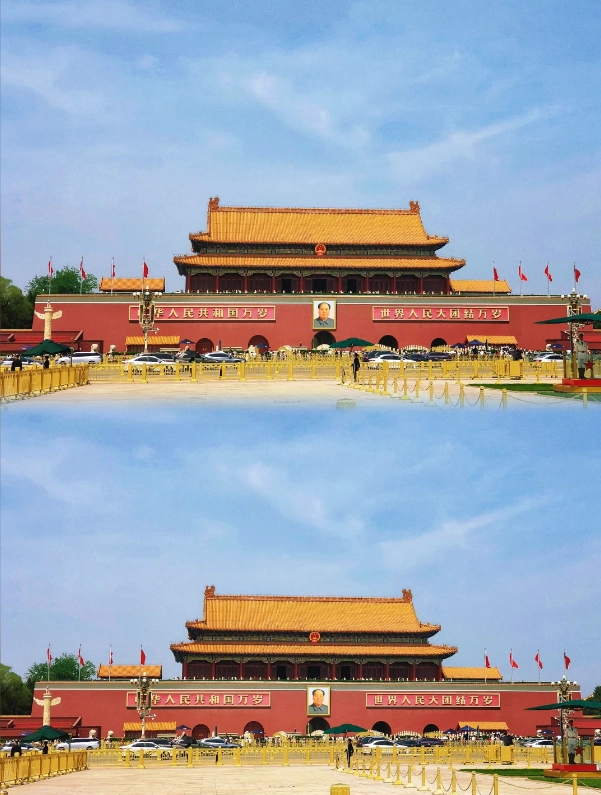
Quick Navigation: Your Week at a Glance
- Day 1: Tiananmen Square & The Forbidden City
- Day 2: The Great Wall at Mutianyu
- Day 3: Temple of Heaven & Hutongs
- Day 4: The Summer Palace
- Day 5: Lama Temple, Confucius Temple & Drum Tower
- Day 6: 798 Art District & Relaxation
- Day 7: Final Explorations & Departure
- Where to Stay in Beijing
- Getting Around Beijing
- Beijing Food Guide: What & Where to Eat
- Beijing Travel FAQ
Day 1: Tiananmen Square & The Forbidden City
Start your trip with the heavy hitter. Get to Tiananmen Square (Tiananmen Dong or Qianmen subway stations) early, around 8 AM. The square itself is vast and requires a security check. It's impressive in scale, but the real magic lies north, through the gate with Mao's portrait.
Here’s the crucial tip most blogs miss: Buy your Forbidden City ticket online in advance through their official WeChat channel or website. They sell out, especially for morning slots. I showed up once without a pre-booked ticket and was turned away. Purchase the ticket for a 9 AM or 9:30 AM entry.
Enter through the Meridian Gate (Wumen). The sheer scale hits you immediately. My strategy is to follow the central axis through the major halls first—it’s what everyone does—but then immediately peel off to the quieter western or eastern side palaces. The Hall of Clocks and Watches (extra ticket) on the east side is a fascinating, often overlooked collection.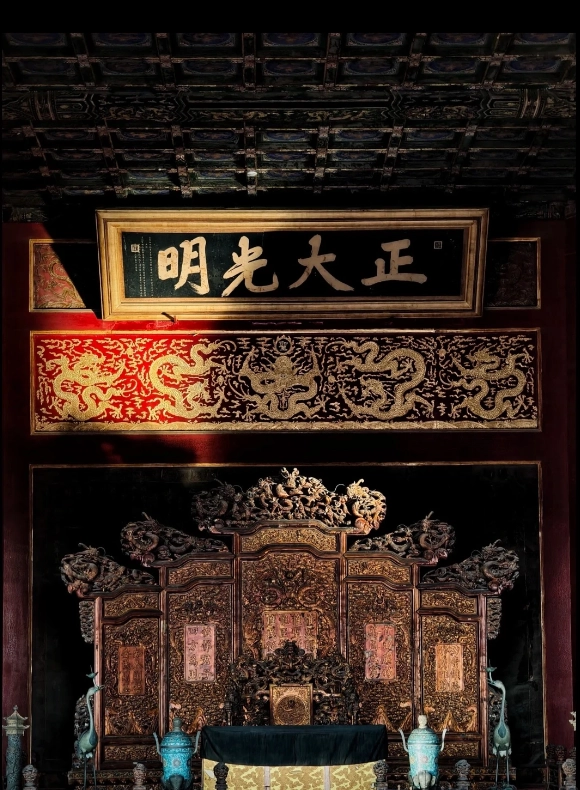
Forbidden City Details: Open 8:30 AM - 5:00 PM (Apr-Oct), 8:30 AM - 4:30 PM (Nov-Mar). Closed Mondays. Basic ticket: 60 RMB (Apr-Oct), 40 RMB (Nov-Mar). Audio guides are available for 40 RMB at the entrance. Budget at least 4 hours. Exit via the North Gate (Shenwumen).
Exiting the North Gate, you're right at Jingshan Park. For a small fee (2 RMB), climb the hill for the iconic, postcard-perfect view over the Forbidden City's golden roofs. It’s the perfect cap to the morning.
For lunch, walk east into the hutongs around Nanluoguxiang. Skip the overly commercial main alley and duck into the smaller side lanes. I found a fantastic dumpling spot at Bao Yuan Dumpling House (74 Dengcao Hutong) where you can watch them being made.
Day 2: The Great Wall at Mutianyu
A Great Wall day is a full-day commitment. Mutianyu is my top recommendation for a one-week itinerary. It’s restored, accessible, less crowded than Badaling, and offers stunning scenery. It has a cable car up and a thrilling toboggan slide down, which is honestly a blast.
How to get there: The most flexible way is to hire a driver for the day (around 600-800 RMB). It’s worth the cost for a group. Public option: Take subway to Dongzhimen, then bus 916 Express to Huairou, and a local minibus (about 20 RMB per person) to Mutianyu. It takes longer but is cheap.
Once there, buy the combo ticket for entrance, cable car up, and toboggan down. The cable car drops you at Tower 14. Walk towards Tower 6 for the toboggan descent. This section has fantastic views and manageable crowds. The climb between towers can be steep—wear good shoes. I spent about 3 hours walking and taking photos.
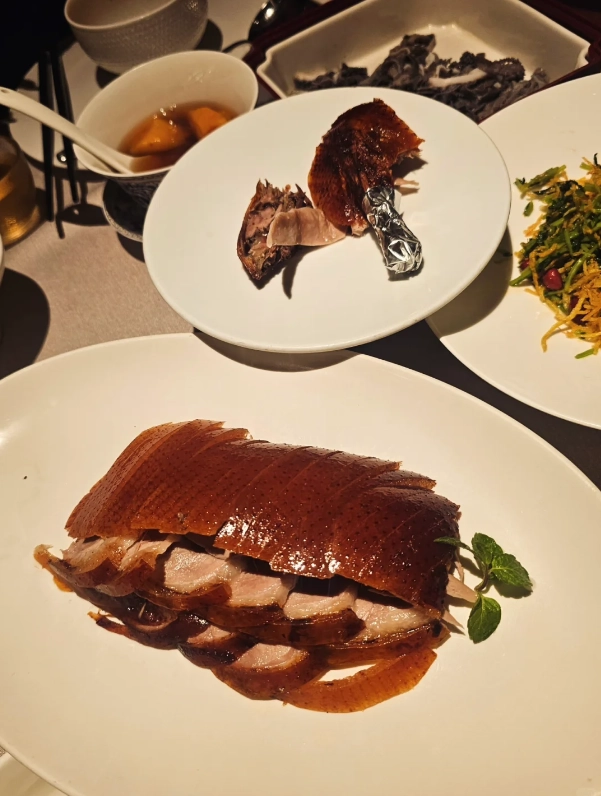
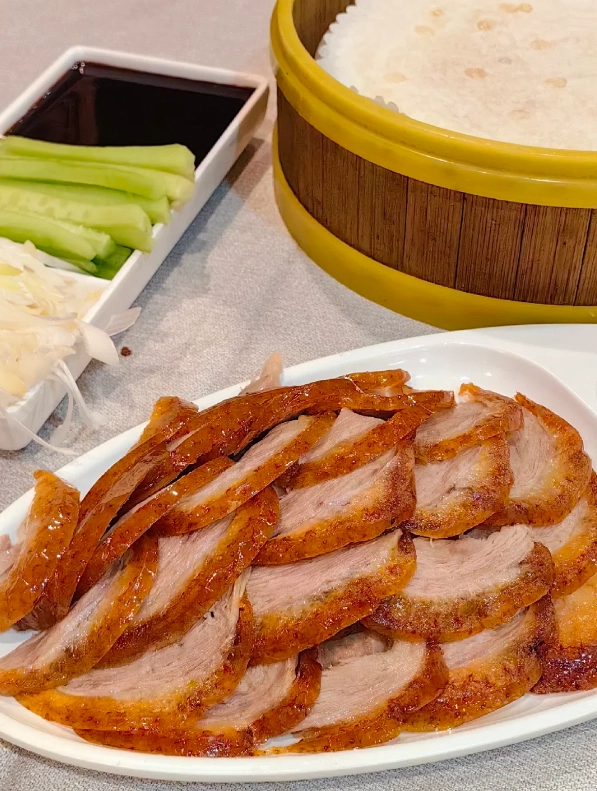
Pack water and snacks. The wall has vendors, but prices are high. You'll be back in the city by late afternoon. For dinner, treat yourself to Peking duck. I prefer Siji Minfu (Roast Duck) over the ultra-famous ones. Their branch at 32 Dengshikou Street is consistently good. The skin is crackling, the meat moist, and they show you how to wrap it.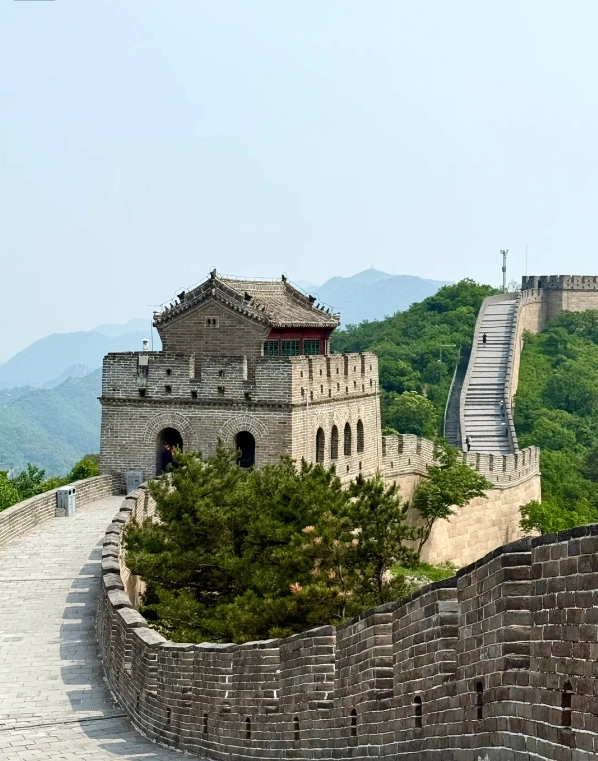
Day 3: Temple of Heaven & Hutongs
A slightly slower day to recover. Visit the Temple of Heaven Park (Tiantan Dongmen subway station) in the morning. Locals use it for exercise—you'll see people dancing, playing cards, and singing opera. Walk the central axis to the stunning Hall of Prayer for Good Harvests. The architecture and symbolism are incredible.
Pro Tip: Enter the park through the East Gate. The walk to the main hall is lined with ancient cypress trees and feels more ceremonial than entering from the south.
Afternoon is for deeper hutong exploration. Skip the rickshaw tours that feel staged. Instead, wander the Houhai and Shichahai lake area. Get deliberately lost in the lanes west of the lakes. You'll find local barbers, vegetable markets, and hidden courtyards. Rent a bike (shared bikes like Meituan are everywhere) and cycle around the lakes—it’s how locals enjoy the area.
For a unique experience, visit Prince Gong’s Mansion near Houhai. It’s a beautifully preserved aristocratic garden estate, less overwhelming than the Forbidden City but equally elegant.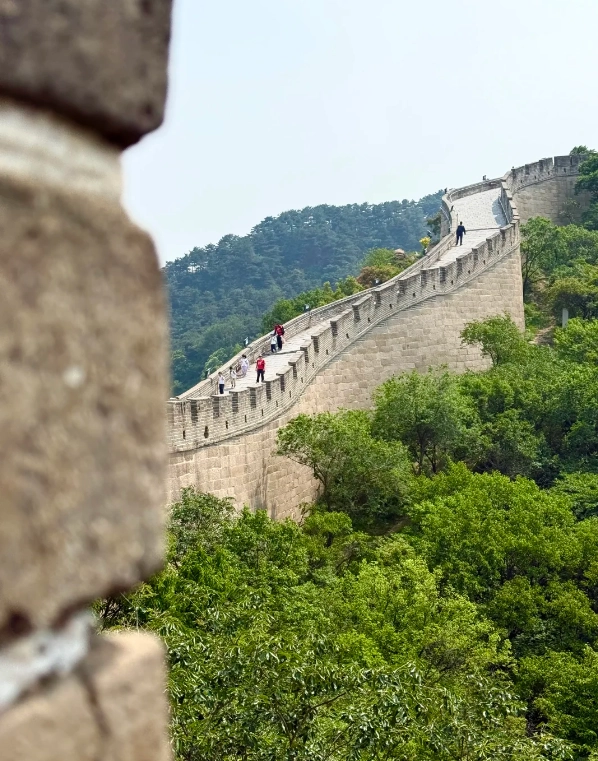
Day 4: The Summer Palace
This is another full-site day. The Summer Palace (Xiyuan or Beigongmen subway stations) is a vast imperial garden centered on Kunming Lake. It’s for strolling, boating, and admiring the Long Corridor painted with scenes.
My advice: Enter at the North Palace Gate (Beigongmen). This puts you near Suzhou Street and the back of Longevity Hill, allowing you to walk south towards the lake and the Marble Boat. Climb up to the Hall of Buddhist Incense for panoramic views. A boat ride across the lake (about 30 RMB) saves your feet and gives a different perspective.
Bring a picnic or eat at one of the simple noodle shops inside. You can easily spend 5-6 hours here just relaxing. It’s a park, not a museum.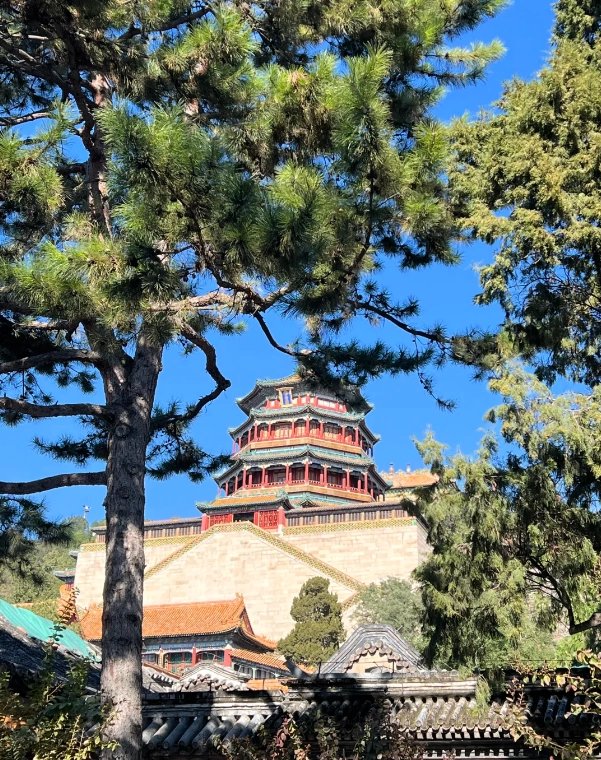
Day 5: Lama Temple, Confucius Temple & Drum Tower
Head to the Yonghegong Lama Temple (Yonghegong subway station) in the morning. It’s a working Tibetan Buddhist temple, smoky with incense, and houses an 18-meter tall Buddha carved from a single sandalwood tree. It’s serene and visually stunning. Photography inside the main halls is often prohibited—respect that.
Right across the street is the Confucius Temple and Imperial College. It’s a peaceful, scholarly oasis with ancient stone tablets. The contrast with the Lama Temple is fascinating.
In the afternoon, take the subway to Gulou (Drum Tower) station. Climb the Drum Tower for a view over the hutong rooftops and to see the drum performance (on the hour). Then, dive into the Nanluoguxiang / Yandai Xiejie area. Yes, it's touristy, but the energy is fun. Yandai Xiejie (Tobacco Pouch Slant Street) leads directly to Houhai lakes and is packed with quirky shops and snack stalls. Try the stuffed glutinous rice balls here.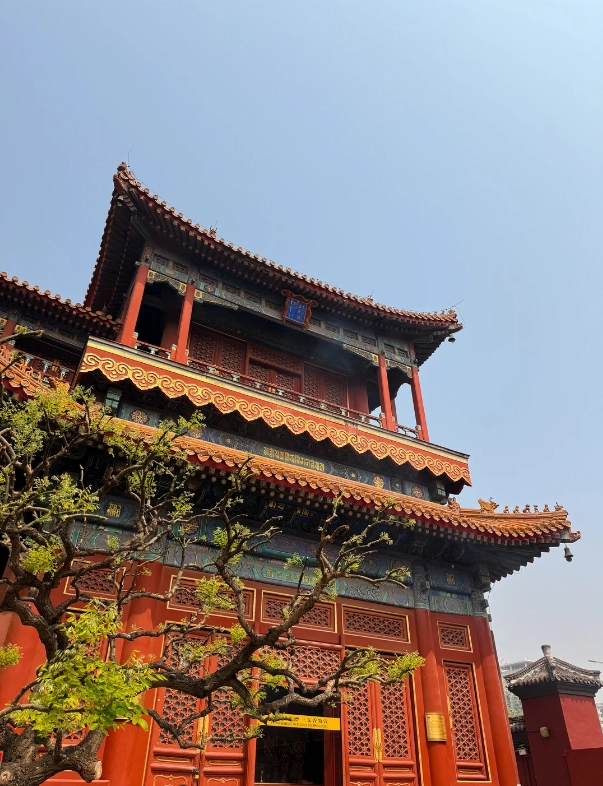
Day 6: 798 Art District & Relaxation
Time for something modern. 798 Art Zone is a converted factory complex filled with contemporary art galleries, cafes, and boutiques. It’s huge. Pick a few galleries that catch your eye—UCCA Center for Contemporary Art is a major one. The industrial architecture is as interesting as the art.
This is a good day for last-minute souvenir shopping. For higher-quality, design-oriented gifts, 798 is better than the street markets. In the evening, consider catching a performance—acrobatics at the Chaoyang Theatre are a safe, visually spectacular bet.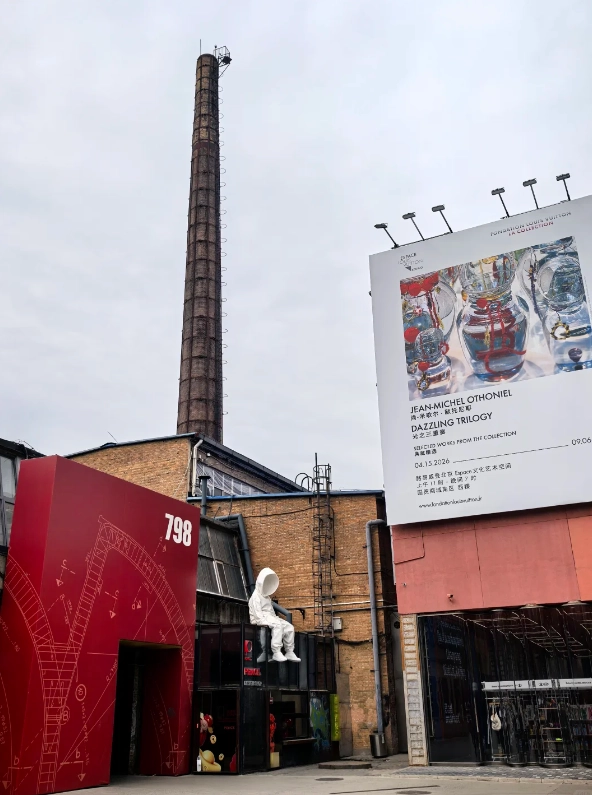
Day 7: Final Explorations & Departure
Use your last morning to revisit a favorite spot, explore a local market like Wangfujing Snack Street (for the spectacle, not necessarily the best food), or do final shopping at Silk Street (Xiushui Market) if you enjoy bargaining for clothes, bags, and souvenirs.
Ensure you have enough time to get to the airport (PEK or PKX). Beijing traffic is notoriously unpredictable. For Capital Airport (PEK), the Airport Express subway line from Dongzhimen or Sanyuanqiao is reliable and takes about 30 minutes.
Where to Stay in Beijing
Location is everything. Based on my stays, here are the best areas:
| Area | Best For | Pros & Cons | Hotel Example |
|---|---|---|---|
| Dongcheng (near Forbidden City) | First-time visitors, history lovers. | Walkable to major sites. Can be pricier. Hutong atmosphere. | The Emperor Downtown Beijing (mid-range, great location). |
| Chaoyang (Sanlitun/Worker's Stadium) | Nightlife, dining, modern vibe. | Great restaurants/bars. Further from ancient sights. More international. | East Beijing (upscale, near 798). |
| Xicheng (near Houhai) | Local feel, hutong charm. | Picturesque, quieter at night. Fewer major hotel chains. | Double Happiness Courtyard Hotel (boutique hutong hotel). |
| Near Beijing South Railway Station | Travelers using high-speed trains. | Convenient for arrivals/departures. Less central for tourism. | Hilton Beijing Wangfujing. |
Getting Around Beijing
The subway is your best friend. It's cheap, fast, and signs are in English. Buy a rechargeable Yikatong card at any station (20 RMB deposit). Taxis and DiDi (China's Uber) are affordable but suffer from traffic. A common scam is taxi drivers refusing to use the meter for tourists—insist on it or use DiDi. For short distances in hutongs, shared bicycles (Meituan, Hello Bike) are perfect. Download apps before you go: DiDi (for rides), MetroMan (subway map), and Google Translate (with camera function).
Beijing Food Guide: What & Where to Eat
You must try these. Here are specific spots I've enjoyed:
- Peking Duck: Siji Minfu (Multiple branches. 32 Dengshikou Street is reliable). Expect 150-200 RMB per person.
- Zhajiangmian (Noodles with Fried Sauce): This is Beijing's soul food. Old Beijing Zhajiangmian King (69 Dongsi South Street) is a no-frills, delicious spot. About 30 RMB.
- Jiaozi (Dumplings): Bao Yuan Dumpling House (74 Dengcao Hutong) for variety. Or any local spot with a queue.
- Hot Pot: For a clean, consistent chain, Haidilao is famous for its service. Spicy broth is the classic. 120-180 RMB per person.
- Street Food: Try jianbing (savory crepe) for breakfast from a street cart. Chuan'r (lamb skewers) are great beer food in the evening around Houhai.
Personal Note: I found the "famous" Wangfujing snack street underwhelming—it felt like a tourist trap with odd scorpion skewers. Better street food exists in local residential areas around dinner time.
Beijing Travel FAQ
This guide is based on multiple personal visits and experiences. Details like opening hours and prices are subject to change; always check official sources before your visit.






No comments yet.