 Hui Lin
Let's be honest. A search for "what to do in Beijing" throws up a dizzying list. The Forbidden City, the Great Wall, Temple of Heaven... it's a classic lineup. But after countless visits and conversations with local friends, I've learned that the real magic happens when you move beyond the checklist. This guide isn't about repeating generic facts. It's about sharing the nuances—the quiet courtyard you stumble upon after the main halls, the specific section of the Wall that feels most authentic, the dumpling spot where the line moves fast for a reason. I'll help you navigate the overwhelming choices with practical, experience-tested advice.
Quick Navigation: Your Beijing Experience Map
Navigating the Iconic Sights (Without the Crowds)
You can't skip these. But you can experience them smarter. The common mistake is trying to do them all in a rush. Pick two or three for deep exploration.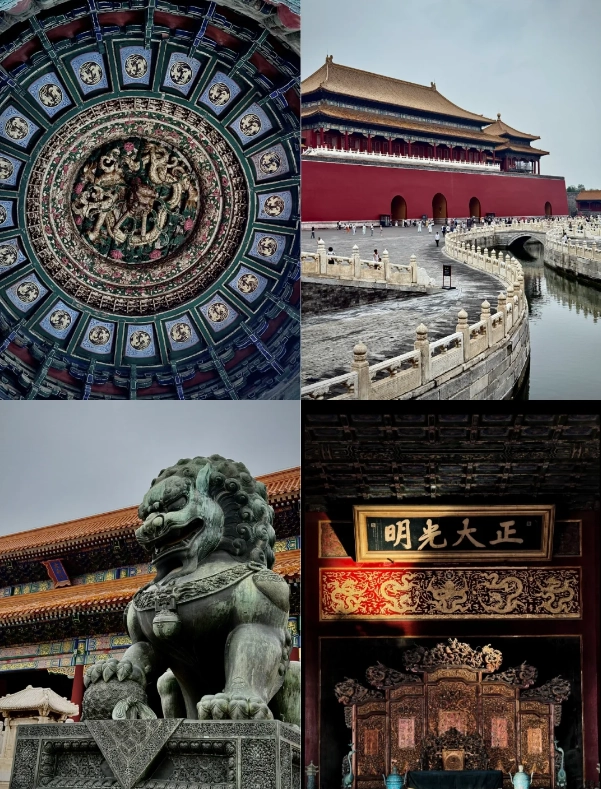
The Forbidden City (Palace Museum)
Address: 4 Jingshan Front St, Dongcheng. Entry: Approximately 60 RMB (Apr-Oct), 40 RMB (Nov-Mar). Book online in advance—it's mandatory. The official site is your best bet. Hours: 8:30 AM to 5:00 PM (last entry 4:10 PM), closed Mondays.
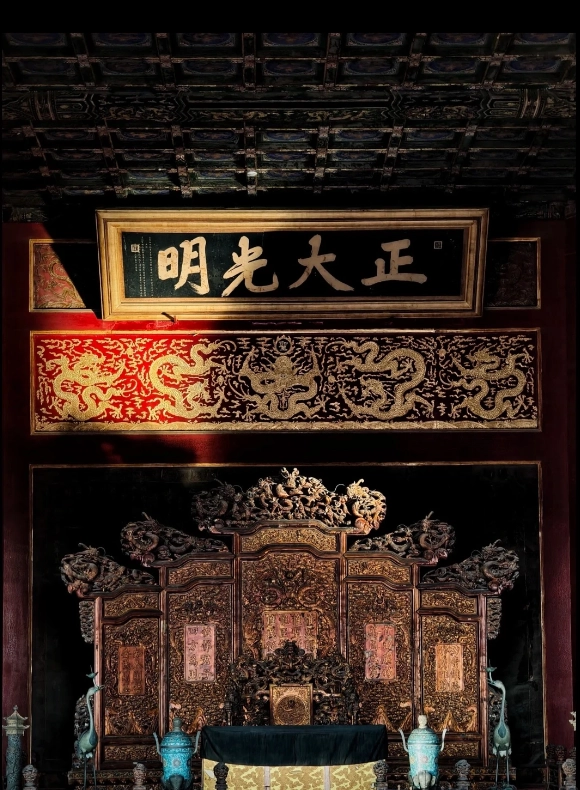
Everyone enters through the Meridian Gate. My advice? Don't follow the central axis crowd immediately. After you pass through the Gate of Supreme Harmony, peel off to the western or eastern side palaces. The Hall of Mental Cultivation or the Palace of Eternal Longevity often have fascinating exhibitions with far fewer people. The real sense of scale hits you at the Imperial Garden, and the exit leads you straight to Jingshan Park. Climb that hill for the iconic, postcard view back over the palace roofs. It's worth the extra 2 RMB.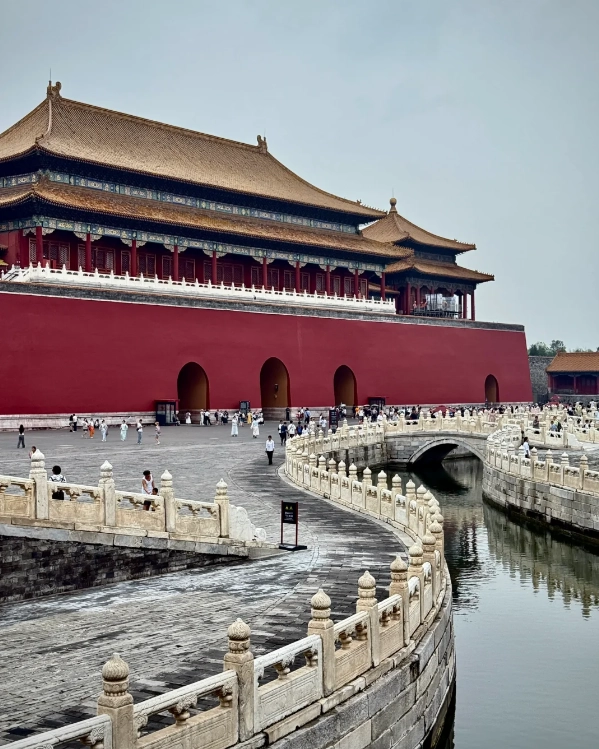
The Great Wall
This is where most guides get it wrong. "Go to Badaling" is the standard, easiest advice. If you have half a day and need maximum convenience, fine. But the experience is like a packed stadium. For something more memorable, you need to choose your section based on your stamina and desire for authenticity.
| Section | Travel Time from Center | Vibe & Difficulty | Best For |
|---|---|---|---|
| Mutianyu | ~1.5-2 hrs by car | Well-restored, scenic, has a cable car and toboggan slide down. Crowded but manageable. | Families, those wanting a mix of ease and great views. |
| Jinshanling | ~2.5 hrs by car | Part restored, part wild. Steeper, more photogenic. Significantly fewer people. | Hikers and photographers seeking a classic, rugged Wall experience. |
| Huanghuacheng | ~1.5 hrs by car | A section that dips into a lake. Less crowded, unique scenery combining water and wall. | Those wanting something different and moderately challenging. |
I've done them all. For a first-timer with decent fitness, Mutianyu offers the best balance. Take the cable car up, walk east towards Tower 23 (it gets quieter), then walk back and take the fun toboggan down. It's efficient and enjoyable. Jinshanling is my personal favorite for photography—the light in the late afternoon is stunning.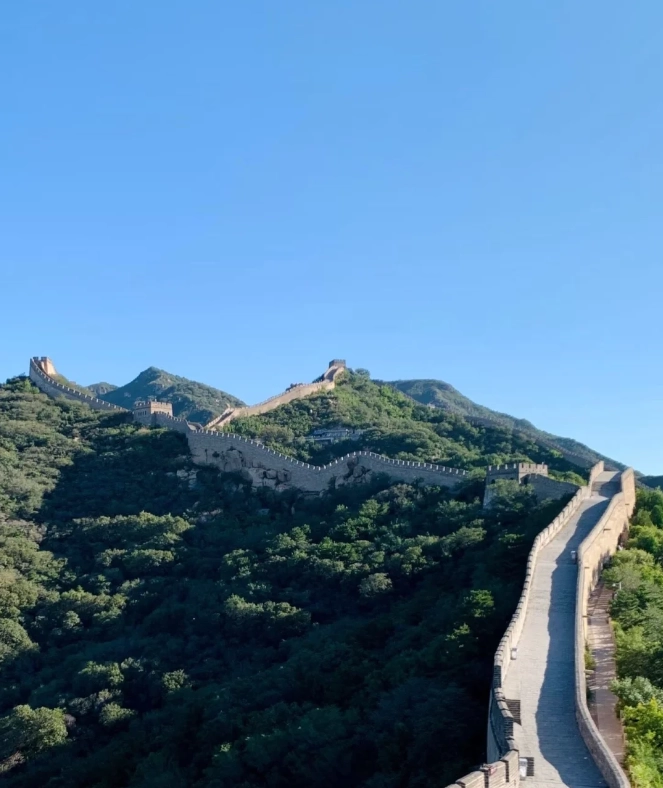
Temple of Heaven & Summer Palace
Visit the Temple of Heaven (Tiantan Park) in the morning. That's when you'll see locals engaged in everything from ballroom dancing to intense card games in the vast Cypress Grove. The Hall of Prayer for Good Harvests is the star, but the park life is the show. Entrance: About 15 RMB for the park, 35 RMB for the full ticket including the hall. It's a large area, so wear comfortable shoes.
The Summer Palace is a day's outing. Don't just walk the Long Corridor and leave. Take a boat (around 30-40 RMB) across Kunming Lake to the less-visited South Lake Island. The Marble Boat is interesting, but the view from Longevity Hill towards the lake and distant city is what stays with you. It feels like a landscape painting come to life.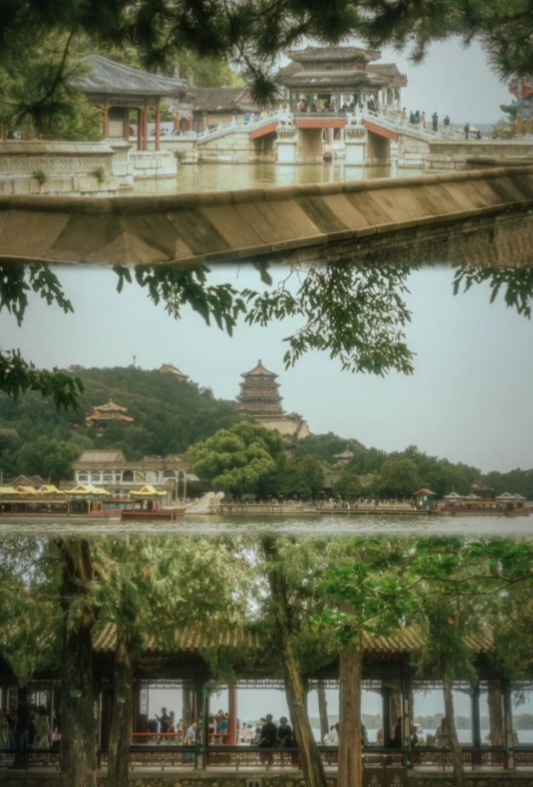
A crucial tip everyone misses: Major sites (Forbidden City, Temple of Heaven's inner halls) are closed on Mondays. Plan your week around this. Tuesday through Thursday are generally the best days to visit popular spots.
Beyond Photos: Real Cultural Immersion
Beijing's soul isn't just in its monuments; it's in the everyday rhythms. Here’s how to touch it.
Get Lost in the Hutongs (The Right Way)
Skip the overly commercial Nanluoguxiang. Instead, head to the area around Houhai and Shichahai lakes. Wander north into the alleys behind the main lakefront bars. You'll see old men playing chess, bicycles loaded with groceries, and traditional courtyard homes (siheyuan). I once followed the smell of vinegar and found a family making dumplings in their doorway—they just smiled and went back to work. That's the real Beijing.
For a more curated but authentic experience, join a hutong walking tour that includes a visit to a local family's home. Organizations like Beijing Cultural Heritage Protection Center sometimes offer these. It's a respectful way to gain insight.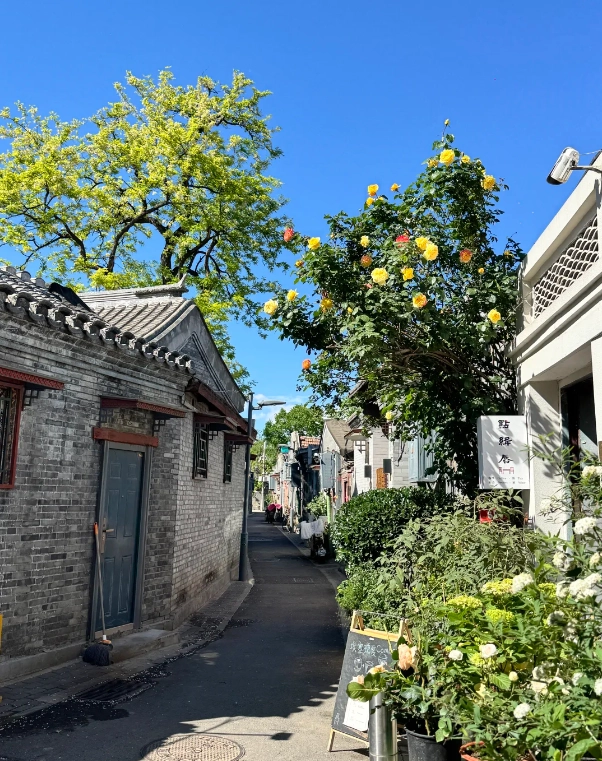
See a Kung Fu Show, Not Just Opera
Peking Opera is an acquired taste. The high-pitched singing can be challenging for first-time listeners. I recommend The Legend of Kung Fu at the Red Theatre. It tells a story through incredible martial arts, acrobatics, and dance. The physicality is universal and utterly gripping. Shows are usually at 7:30 PM. Book tickets a day or two ahead.
Take a Short Calligraphy or Paper-Cutting Class
Spend two hours at a place like The Hutong (a cultural center in a converted courtyard) learning a craft. Holding the brush, trying to control the ink, you gain a profound appreciation for the skill involved. It's a tangible, messy, and wonderful souvenir.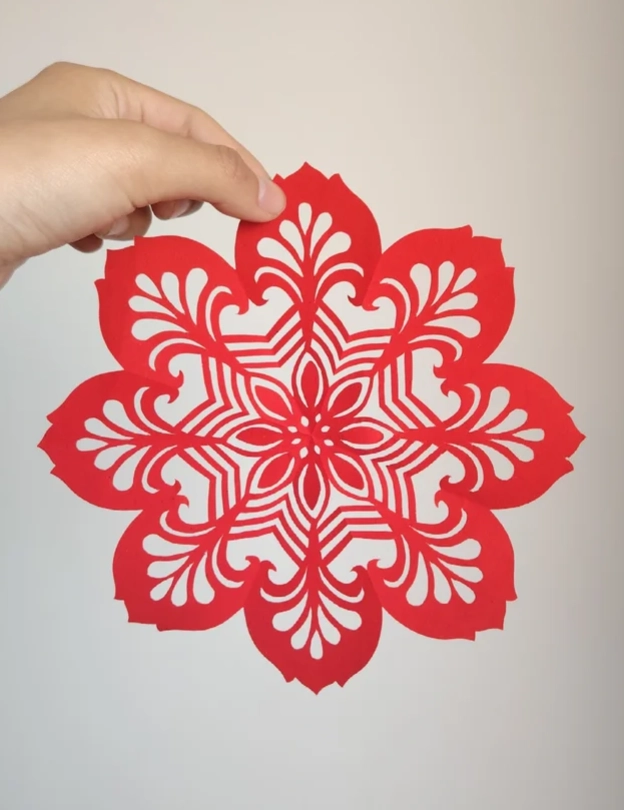
A Practical Culinary Adventure
Forget fancy banquets. Beijing's food scene is about hearty, flavorful dishes you can find on any street. Here’s where I send my friends.
Peking Duck: You have to try it. Da Dong is famous for its leaner, crispier duck. It's excellent but pricey and requires reservations. For a more local, chaotic, and delicious experience, I prefer Siji Minfu (四季民福). There's one near the Forbidden City (walkable after your visit). Expect a wait. The duck is fantastic, and their other dishes, like fried bean paste noodles (zhajiangmian), are also top-notch. A half duck feeds two people comfortably.
Noodle and Dumpling Fix: For hand-pulled noodles in a rich beef broth, find a Lanzhou Lamian shop—they're everywhere. Look for the guy pulling dough in the window. For dumplings (jiaozi), Baoyuan Jiaozi in the Chaoyang district has a rainbow of colored wrappers with different fillings. Order a platter to share.
Street Food Safari in Wangfujing: The old snack street is mostly gone, but the night market vibe can still be found. Go with an adventurous stomach. Try jianbing (savory crepe) for breakfast—it's the perfect portable meal.
Planning Your Days: Sample Itineraries That Work
Geography matters in sprawling Beijing. Group activities by location.
The Classic 3-Day Core:
- Day 1 (North/Center): Morning at the Forbidden City (booked for 8:30 AM). Exit to Jingshan Park for the view. Afternoon exploring hutongs around Houhai. Dinner at a Peking duck restaurant nearby.
- Day 2 (Great Wall Day): Early start (7 AM) for Mutianyu. Spend 4-5 hours there. Return to city, relaxed evening. Maybe catch a Kung Fu show.
- Day 3 (South/West): Morning at Temple of Heaven. Afternoon at Summer Palace. They're not super close, but it's a logical cultural/day-in-the-park combo.
If You Have 5 Days: Add Day 4 for the Lama Temple and Confucius Temple (a peaceful, underrated duo in the same area), followed by shopping or exploring the 798 Art District. Day 5 for my hidden treasures below.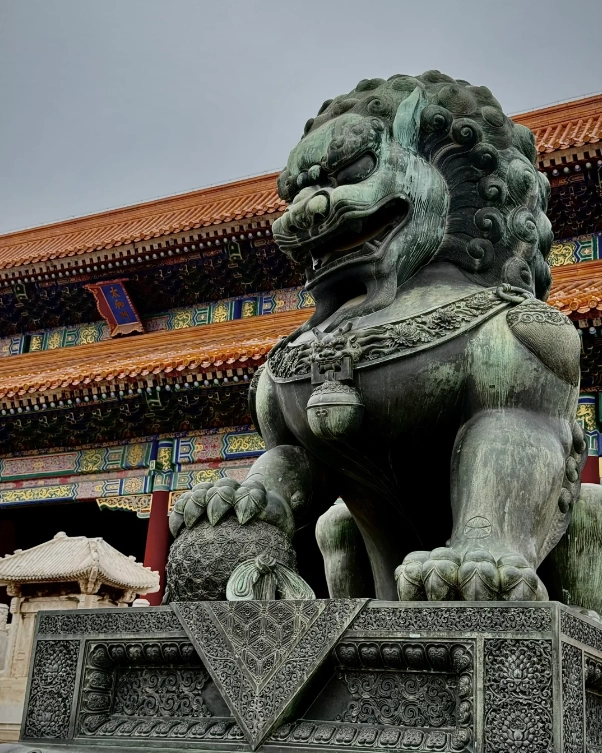
My Shortlist of Hidden Treasures
These are places that made me pause and remember why I love this city.
Wudaoying Hutong: Near the Lama Temple. This is what Nanluoguxiang wanted to be—trendy cafes, small boutiques, and quiet bars nestled in a real, living hutong. It's relaxed and perfect for an afternoon coffee or craft beer.
The National Museum of China: On Tiananmen Square. It's vast, free (book online), and air-conditioned. The "Ancient China" exhibition is a breathtaking walk through the country's entire history with artifacts you've seen in textbooks. It provides incredible context for everything else you see.
Ritan Park: A short walk from the Silk Market. It's a classic Chinese garden but feels like a neighborhood secret. Find the altar of the sun at its center. At lunch, office workers fill the benches. It's a serene escape.
The Bookworm (Sanlitun): More than a bookstore-cafe, it's a community hub with a great selection of English-language books on China and regular literary events. It feels like an intellectual oasis.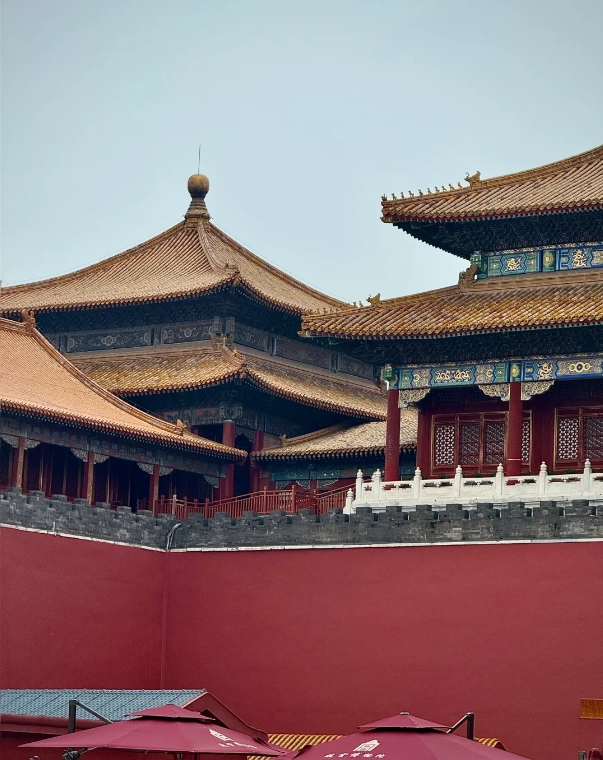
Your Beijing Questions, Answered
 The key to enjoying Beijing is to slow down. Don't race from photo op to photo op. Sit in a park. Watch people. Get lost in an alley. That's where the city reveals its true character, far beyond the guidebook headlines.
This guide is based on personal, repeated visits and local knowledge. Attraction details like opening hours and prices are subject to change; always check official sources before your visit.





No comments yet.