 Hui Lin
You've climbed the steep, rugged steps of the Simatai Great Wall, taken that iconic photo, and wandered the lantern-lit canals of Gubei Water Town. Now, as your day trip winds down, you're faced with the classic traveler's dilemma: what should you actually bring home? The souvenir stalls are everywhere, but which items are genuine keepsakes and which are forgettable trinkets? Based on my own visits, combing through the main streets and hidden alleys, I've found the shopping scene here is a mix of mass-produced tourist items and some genuinely lovely, locally-inspired crafts. This guide cuts through the noise to show you what's worth your money and where to find it.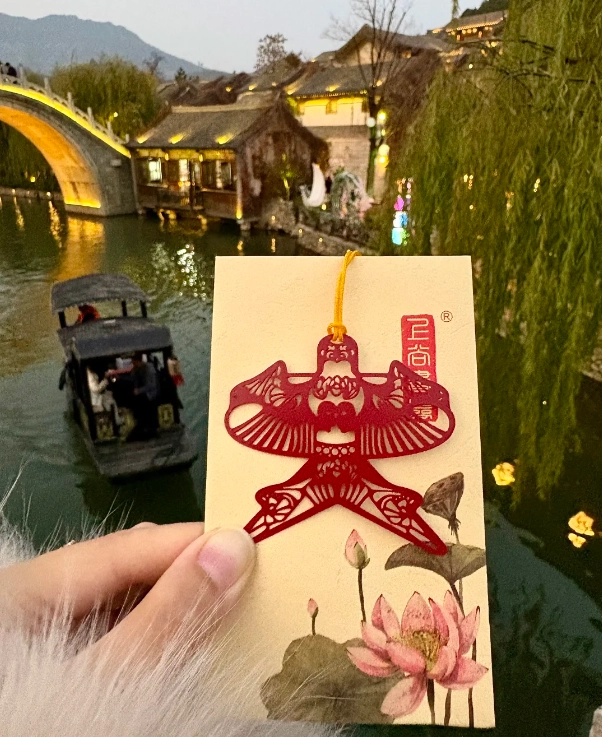
Your Quick Guide to Shopping Here
Handmade Crafts & Unique Souvenirs
This is where Gubei Water Town shines. Skip the generic keychains and look for items that reflect the area's dual identity: a restored ancient water town and a gateway to a wild section of the Great Wall.
Traditional Hand-Painted Glass Lanterns
These are the signature item. I'm not talking about the cheap plastic ones; seek out the shops where you can watch artisans paint intricate landscapes, flowers, or calligraphy onto silk or paper lantern frames. The best ones I found were in a small studio on Yongshun Street, near the dye house. The painter there mixed classic motifs with scenes of the Simatai Wall itself. A medium-sized, hand-painted lantern will cost between ¥150-300. They fold flat for easy transport, which is a huge plus.
Blue Calico Print (Lan Yin Hua Bu) Fabrics & Items
Gubei has a functioning traditional dye workshop. You can see the indigo dye vats and wooden printing blocks. The products made from this fabric are authentic and high-quality. Look for table runners, scarves, tote bags, and framed fabric art. The patterns are bold, geometric, and beautiful. A small patterned scarf cost me around ¥80, and it's held up wonderfully. The official shop attached to the dye workshop has the best selection, though prices are firm.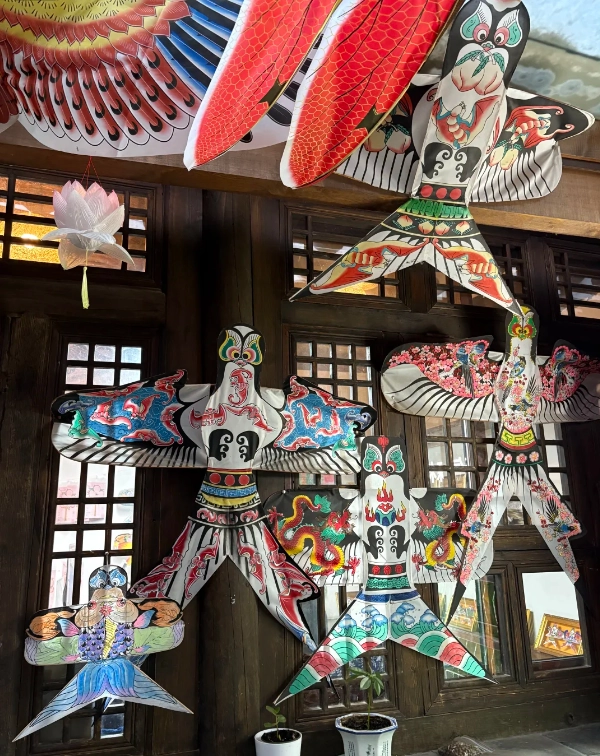
Shadow Puppetry Figures
There's a shadow puppet theater in town, and several shops sell the delicate, hand-cut leather puppets. They're intricate works of folk art, often depicting characters from Chinese legends or opera. You can buy them as decorative pieces or in small kits with a simple rod to try your hand at it. A single detailed figure like a warrior or a princess ranges from ¥50-120.
Great Wall-Inspired Art & Replicas
Around the base of the cable car station and near the entrance to the Wall path, you'll find a different genre of souvenir. Local artists sell small watercolor paintings or ink sketches of the Simatai skyline. These are more personal than a postcard. Another unique find is miniature brick replicas of Great Wall watchtowers, made from real, weathered-looking clay. They're heavy but make a solid paperweight or shelf piece. Expect to pay ¥200-500 for a quality original sketch.
| Item | Best Place to Find It | Price Range (RMB) | Why It's a Good Buy |
|---|---|---|---|
| Hand-Painted Lantern | Artisan studios on Yongshun Street | 150 - 300 | Iconic, portable, authentic craft. |
| Blue Calico Scarf/Tote | Shop at the Ancient Dye House | 80 - 200 | Direct from the workshop, unique patterns. |
| Shadow Puppet Figure | Shops near the Shadow Puppet Theater | 50 - 120 | Traditional folk art, lightweight. |
| Local Landscape Sketch | Stalls near Simatai cable car station | 200 - 500 | Original art, personal connection to the view. |
| Miniature Clay Watchtower | Shops at the Great Wall entrance plaza | 100 - 180 | Unique, durable, Great Wall-specific. |
Local Food & Drink to Try
You can't visit without sampling the local flavors. The rule here is: buy snacks to eat now, and buy packaged, non-perishable items to take home.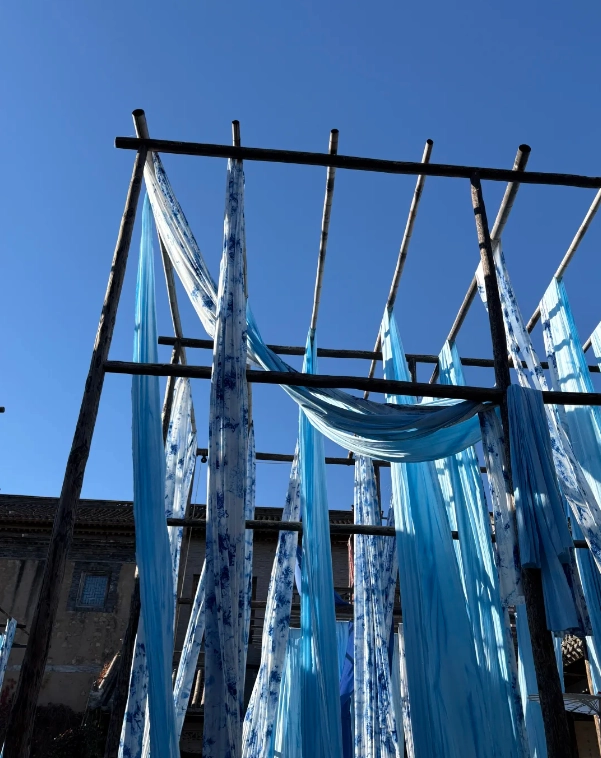
My top tip for food shopping: Head to the small alleyways branching off the main canals. The prices for identical items like candied hawthorns are often 10-20% lower than the stores on the primary tourist thoroughfares.
Hawthorn Sticks (Bing Tang Hulu): Ubiquitous and for good reason. The tart local hawthorns are skewered, dipped in hardened sugar syrup, and sometimes rolled in sesame seeds. Get one fresh from a vendor—it's the perfect walking snack. For taking home, look for vacuum-sealed packs of hawthorn cakes or rolls—a sweet-and-sour jelly-like treat that travels well. A pack costs about ¥25.
Miyun District Honey & Walnuts: The surrounding Miyun area is known for its agriculture. Small jars of local honey, sometimes with comb, make a great gift. You'll also find bags of freshly shelled walnuts. Taste a sample first; the flavor is often richer than supermarket varieties. A medium jar of honey is around ¥40-60.
Pear Juice & Preserved Pears: Given the water town's theme, pear-based products are common. Freshly pressed pear juice is refreshing. For a souvenir, look for jars of preserved pears in syrup or boxes of pear paste candies, a traditional remedy for soothing throats. A bottle of high-quality pear juice is about ¥20.
What about the famous "Gubei" liquor? You'll see many shops selling ornate bottles. Honestly, most are just average *baijiu* (Chinese white liquor) in fancy packaging aimed at tourists. Unless you're a serious baijiu connoisseur, I'd skip the large, expensive bottles. A small, novelty-sized bottle for ¥30 is enough for a curiosity.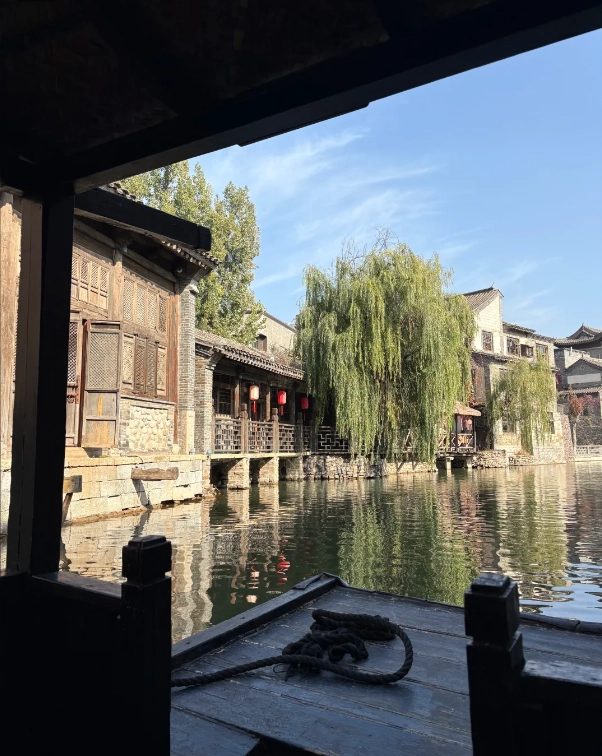
Where & How to Shop Smart
Location and timing matter. The main drag, Yongshun Street, has the highest concentration of shops but also the highest prices and most generic stock. For more interesting finds, explore the smaller lanes like Yanshui Street or the area around the Bell Tower.
Cash is still king in many smaller stalls and with street food vendors. While most shops accept WeChat Pay and Alipay, having some yuan notes makes transactions quicker, especially for haggling.
Speaking of haggling, it's not common in fixed-price souvenir shops or the branded craft stores (like the Dye House shop). However, in the open-air stalls selling scarves, hats, or smaller trinkets, polite negotiation is expected. A good rule is to start at about 70% of the asking price and meet somewhere in the middle. If the price seems fair from the start, don't push too hard.
One thing I learned the hard way: if you're planning to climb the Simatai Great Wall, do your major shopping *after* the hike. You don't want to be carrying a fragile lantern or a bag of honey jars up and down those steep steps. The town is open late, so there's plenty of time to shop after you descend.
What NOT to Buy (And Why)
Being selective saves money and luggage space. Here are items I'd advise you to think twice about.
Generic "I ♡ Beijing" or Great Wall T-shirts: These are the same low-quality shirts you can find in any tourist city in China. The prints fade quickly. If you really want a shirt, look for ones with specific artwork of Gubei's canals or Simatai's silhouette.
Mass-produced "Jade" or "Pearl" Jewelry: The stalls selling cheap bracelets and necklaces are not offering genuine, valuable stones. It's costume jewelry. If you like the look, buy it for fun, but don't pay a premium for it.
Large, Heavy Ceramic or Stone Statues: They look impressive in the shop, but the risk of breakage in transit is high, and they'll weigh down your suitcase immensely. Stick to smaller, lighter crafts.
Pre-packaged "Local Specialty" gift boxes: These oversized, ornate boxes often contain the same mass-produced cookies and candies you can find anywhere. You're mostly paying for the packaging. It's better to curate your own gift box with individual items you've tasted and liked.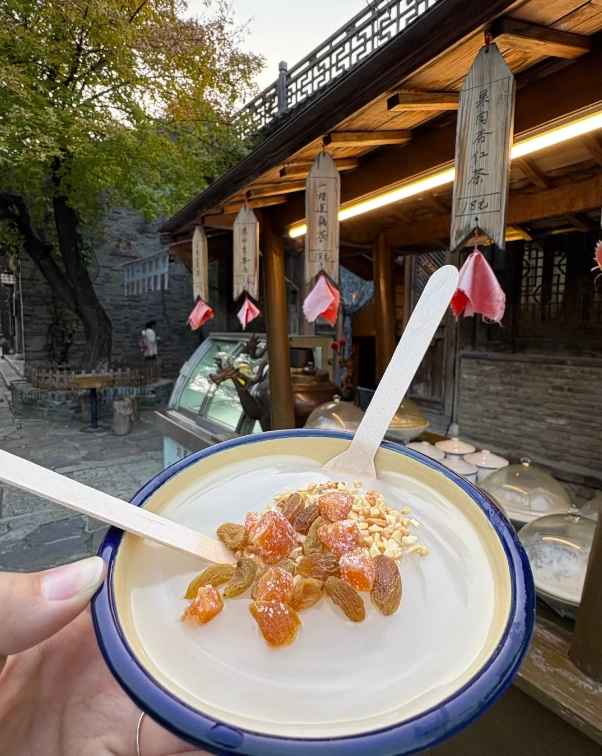
Answers to Your Shopping Questions
 What's the best edible souvenir that's easy to pack?
 The shopping at Gubei and Simatai can be part of the adventure if you know what to look for. Focus on the handmade, the local, and the edible. Bring cash for flexibility, explore the side streets, and save your shopping energy for after the Great Wall climb. The right souvenir isn't just an object; it's a tangible memory of the lanterns reflecting on the water and the epic view from the ancient wall.






No comments yet.