 Bo Wu
Bo Wu
Most visitors come to Gubei Water Town for the canals and to Simatai for the Great Wall views. I did too, on my first trip. I left with a bag full of mass-produced trinkets from the first stalls I saw—a generic magnet, a cheap scarf, things that felt disconnected from the place itself. It wasn't until my third visit, wandering away from the main thoroughfares and talking to a few shopkeepers, that I discovered the real shopping potential here. This guide isn't about listing every store. It's a map to the shops and products that actually reflect the culture of this unique waterside town and its historic neighbor, helping you find items with a story and avoid wasting money on forgettable clutter.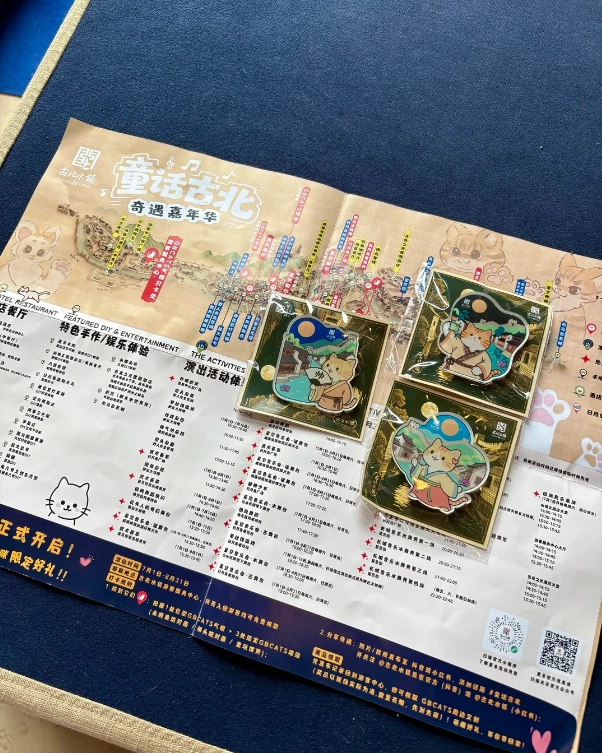
What You'll Find in This Guide
The Shopping Philosophy for Gubei & Simatai
Forget the idea of a hectic, bargain-filled market. Shopping here is part of the slow travel experience. The town is meticulously managed, which means prices are generally fixed and displayed. Haggling aggressively, like you might in other Chinese markets, is often ineffective and can be seen as rude. The goal is curation, not negotiation.
The real value lies in items tied to local craftsmanship or the history of the area. Simatai Great Wall is known for its steep, preserved ruggedness. Gubei Water Town mimics the architecture of southern Chinese canal towns. Look for products that echo these themes: rugged, handmade, or inspired by water and ancient architecture.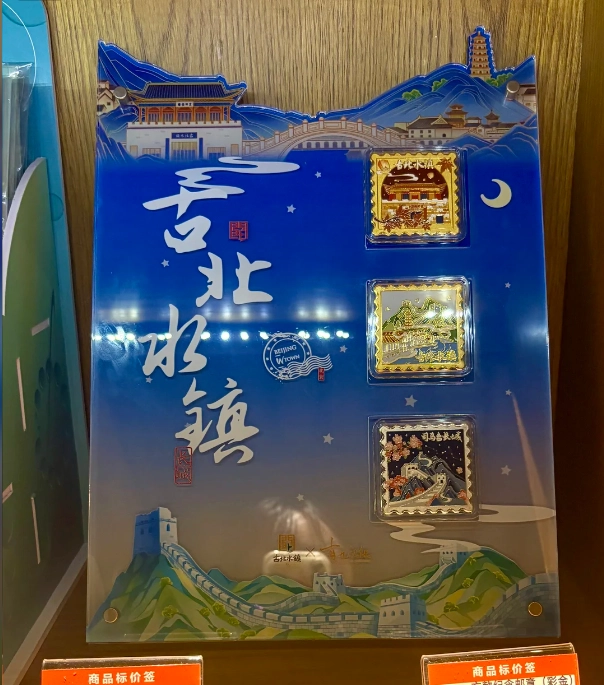
Where to Shop in Gubei Water Town: Zone by Zone
Gubei isn't one big market; it's a collection of distinct lanes and squares, each with a different vibe. Navigating them with purpose saves time.
The Main Commercial Street (Yongshun Street)
This is the busiest artery, running parallel to the central canal. You'll find a mix here. The storefronts are beautiful, but the goods can be hit or miss.
What you'll find: Larger souvenir shops with broader selections (clothing, teas, general souvenirs), several silk shops, and snack vendors. It's convenient but can feel generic.
My strategy: I use this street for reconnaissance—to see what's available—but I rarely buy here unless I spot a specific, well-made item in a smaller boutique tucked between the bigger stores. The crowds peak between 11 AM and 3 PM.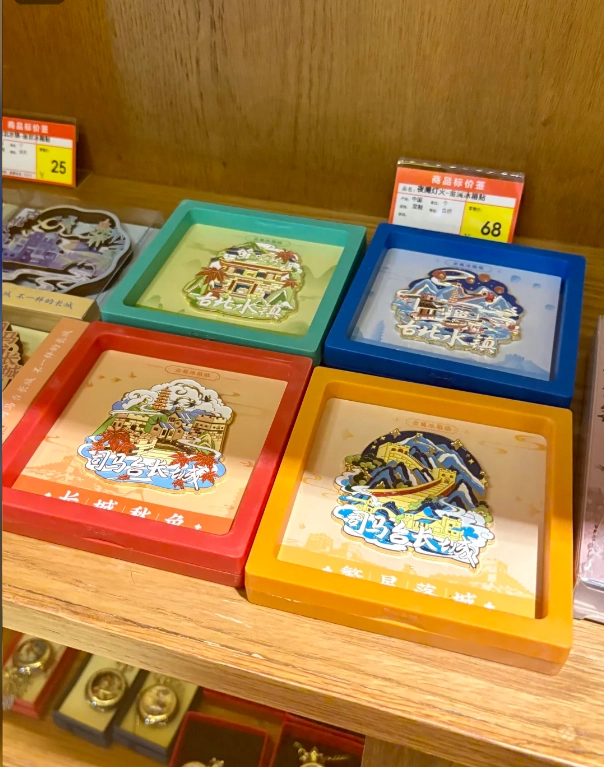
The Handicraft Alley & Smaller Lanes
This is where the guide earns its keep. Veer off the main street into the narrower alleys, especially those leading towards the less crowded bridges or up the gentle slopes. The shops are smaller, quieter, and often run by the craftsperson.
I found a fantastic paper-cutting studio (jianzhi) down one such alley, where the artist creates intricate designs inspired by the Great Wall and water town scenery. Another lane had a small workshop selling hand-bound notebooks with locally made paper. These spots don't always have flashy signs; you have to peek inside.
Shops Near the Simatai Great Wall Cable Car Entrance
If you're taking the cable car up to Simatai, there's a cluster of shops right at the base. Their inventory is heavily skewed toward Great Wall memorabilia.
Be critical here. Many items are the same mass-produced medals, hats, and t-shirts you see everywhere. However, I did find one stall with surprisingly detailed and accurate historical maps of the Great Wall's different sections, including Simatai. It was a worthwhile find amid the clutter. Prices here can be slightly higher due to the captive audience, so compare if you can.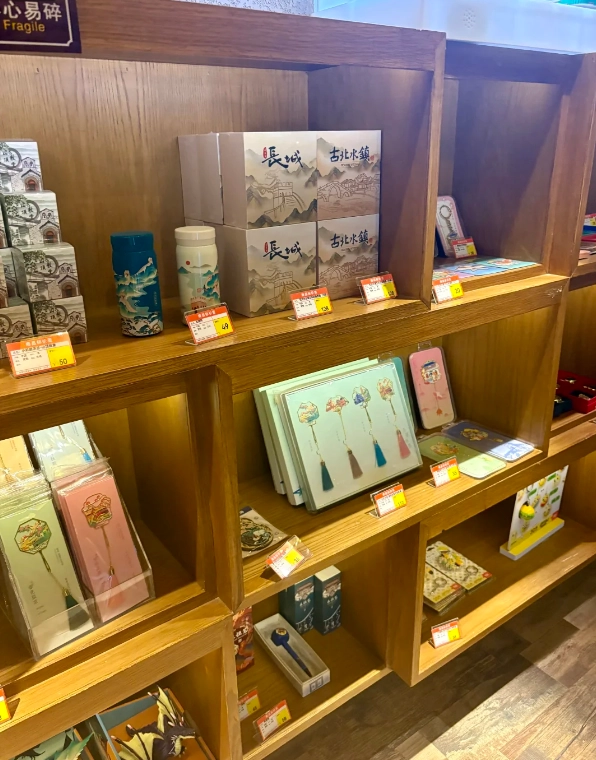
What to Actually Buy: A Curated List
Based on multiple visits and conversations, here are the product categories where your money is well-spent.
| Product Category | What to Look For | Approx. Price Range | Why It's a Good Buy |
|---|---|---|---|
| Handmade Silk Items | Scarves, shawls, or small pouches. Look for stores demonstrating traditional dyeing or weaving. Avoid overly shiny, synthetic-feeling fabric. | ¥200 - ¥800 | Tangible link to ancient Chinese textile crafts. Quality silk lasts for years. |
| Local Artisan Crafts | Woodcarvings (watchtowers, boats), hand-painted porcelain with water town scenes, shadow puppetry figures. | ¥150 - ¥600 | Directly reflects the local aesthetic. Often one-of-a-kind or made in very small batches. |
| Specialty Food & Drink | Miyun chestnuts (a local variety), hawthorn snacks, quality jasmine or oolong tea from proper tea shops, not pre-packaged gift boxes. | ¥50 - ¥300 | Authentic local taste. Consumable, so no packing hassle. Great for gifts. |
| Quality Replicas & Stationery | Replica ancient Chinese coins, well-made calligraphy sets, hand-bound journals, traditional seal stamps (with your name carved). | ¥100 - ¥500 | Functional and cultural. More interesting than a standard postcard. |
Avoid the ultra-cheap plush toys, plastic jewelry, and most clothing with giant "Great Wall" logos. They're almost always low-quality imports with no connection to the site.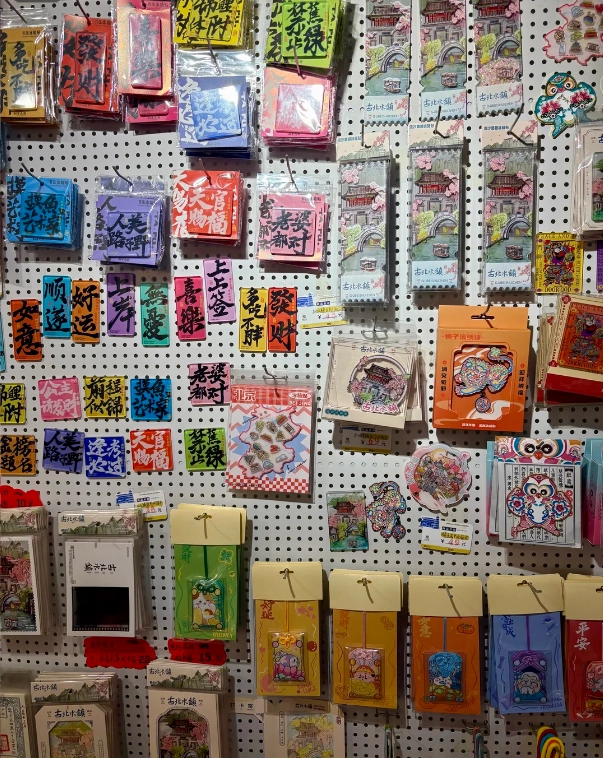
Practical Shopping Tips & Strategies
How you shop is as important as where.
Payment: Virtually all stores accept mobile payments (WeChat Pay, Alipay). Carry some small cash (¥100-200 in ¥10/¥20 notes) for tiny alleyway vendors or snack stalls, but cards are less commonly used.
Timing: Shop in the late afternoon or early evening. Morning and midday are for sightseeing when shops are most crowded. Later, you get more space and attention from shopkeepers. Many shops stay open until 9 PM or later.
Price & Negotiation: As mentioned, prices are mostly fixed. However, if you're buying multiple items from one shop or selecting a higher-priced artisan piece, it's perfectly acceptable to politely ask, "Is there any discount for buying two?" or "Is this your best price?" A small 5-10% reduction is possible, but don't expect 50% off.
Packaging & Shipping: Most shops offer simple gift bags. For fragile items like porcelain, ask for extra bubble wrap (paomodian). Major shipping services are not readily available for tourists within the town, so plan to carry your purchases. Pack a foldable tote bag in your daypack.
How to Blend Shopping with Sightseeing
The best approach is to integrate shopping naturally into your exploration.
The Ideal One-Day Flow: Enter Gubei Water Town in the morning. Walk through the main areas, visit a museum or two (the Yongshun Dye House is fascinating), and have lunch. Take the cable car up to Simatai Great Wall for your hike and panoramic views in the mid-afternoon. Return to Gubei as the sun starts to set. Now, with your sightseeing done, wander the illuminated lanes with a relaxed focus on shopping. Have dinner, then make your final purchases before leaving. This saves you from carrying bags up the Great Wall.
If You're Short on Time: Head straight for the smaller handicraft alleys. Be selective. Pick one or two quality items from the categories above rather than trying to cover every shop.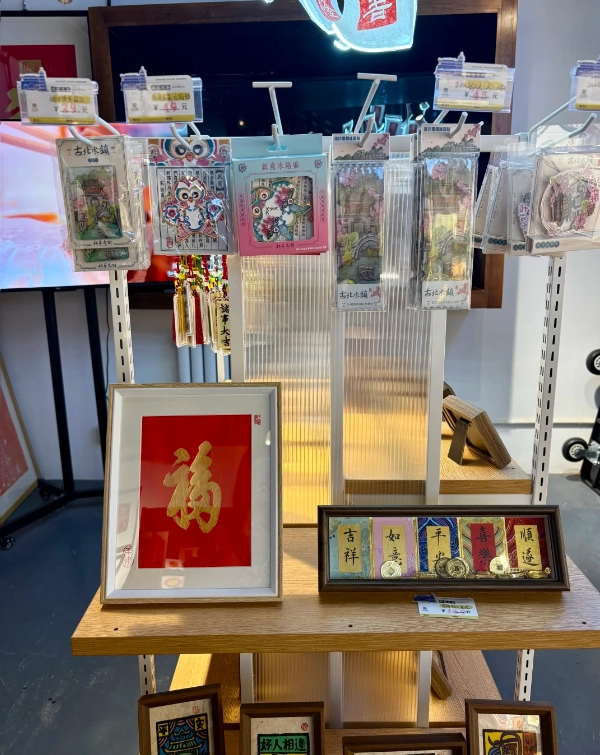
Your Shopping Questions Answered
 I'm worried about buying counterfeit or low-quality silk. How can I tell?
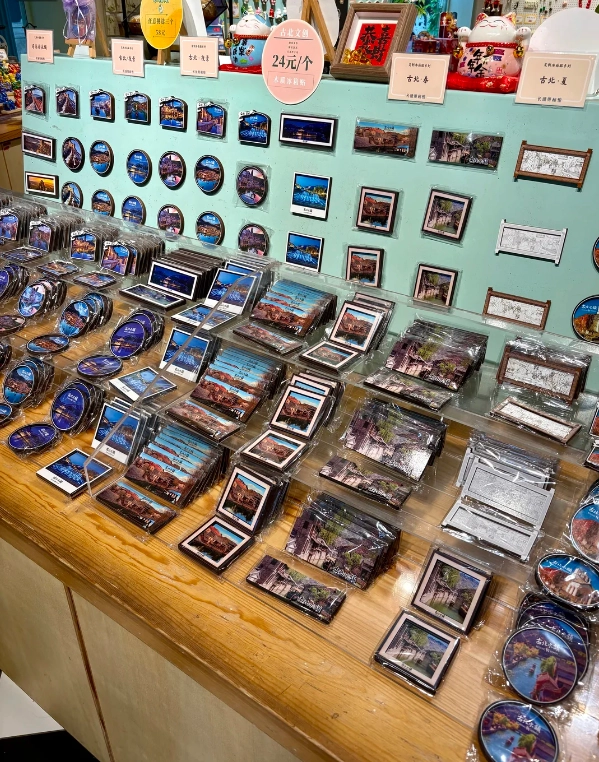 Shopping at Gubei Water Town and Simatai Great Wall can be more than a transaction. It's a chance to take home a piece of the landscape and craftsmanship. Skip the obvious, seek out the small alleys and the artisans, and focus on items that resonate with what you've experienced—the texture of the ancient stone, the flow of the canals, the grandeur of the wall. That's how you find souvenirs you'll genuinely appreciate long after the trip.
This guide is based on multiple personal visits and observations. While businesses and stock may change, the core principles of seeking quality and authenticity remain constant.





No comments yet.