 Lei Li
Let's be real. The shopping scene at Badaling can feel overwhelming. Rows of identical stalls, vendors calling out, and a sea of trinkets that all start to look the same after a while. I've walked those souvenir lanes more times than I can count, and I've bought my share of regrettable knick-knacks. But I've also discovered some genuine gems—items that are worth the space in your luggage and actually remind you of the experience, not just the tourist trap.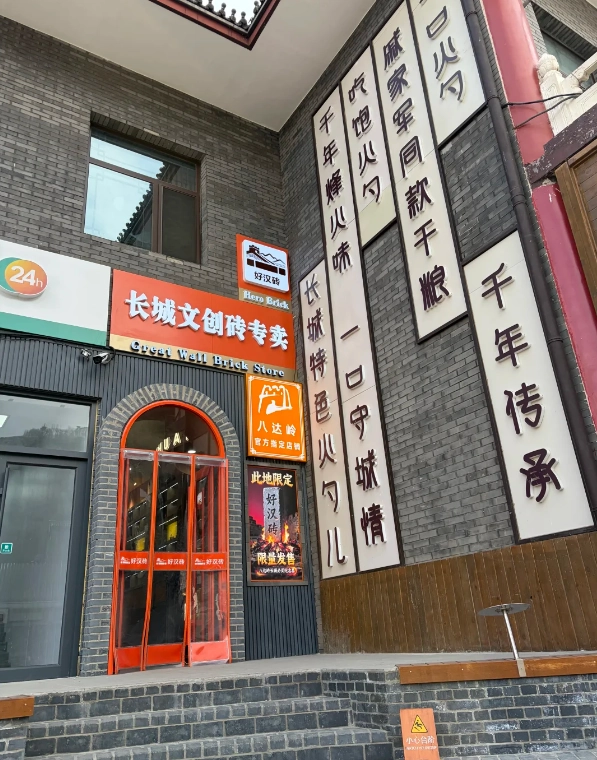
This isn't a generic list. It's a filtered guide based on what's actually unique to the area, what holds up over time, and where to find the good stuff without getting ripped off. Forget the mass-produced junk. Let's talk about what's worth your money.
Your Quick Guide to Badaling Shopping
Why Shopping at Badaling is Different
You might think all Great Wall sections offer the same souvenirs. They don't. Badaling, being the most visited and developed, has a much denser, more competitive commercial zone. This is a double-edged sword. On one hand, you get more variety and can compare prices quickly. On the other, the sheer volume of stalls selling near-identical items is designed to make you impulse buy.
The key difference I've noticed? The quality tier. At Badaling, you'll find the cheapest, flimsiest versions of everything right alongside slightly better, mid-range items. The trick is knowing how to spot the latter. A vendor near the main entrance might sell a "bronze" medal for ¥10 that turns your skin green, while a stall further in sells a properly coated one for ¥25 that lasts. Location within the shopping complex heavily influences price and, sometimes, quality.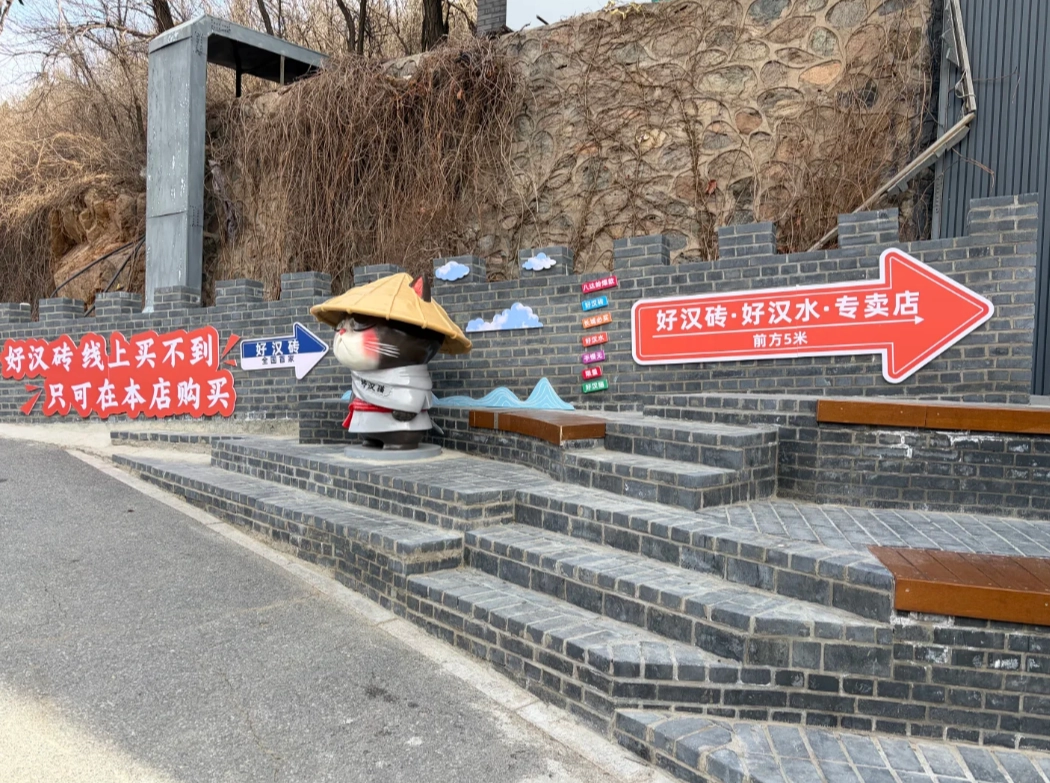
My Personal Rule: I never buy anything from the first three stalls I see. Walk deeper into the market area, towards the sides or the back. Vendors there have less foot traffic and are often more willing to give you a fair price to make a sale.
What to Buy: Top Souvenirs & Gifts
I've categorized items based on what they are, not just random popularity. This should help you navigate based on what you're looking for.
Category 1: The Classic Wall Mementos
These are items directly themed on the Great Wall itself. Quality varies wildly.
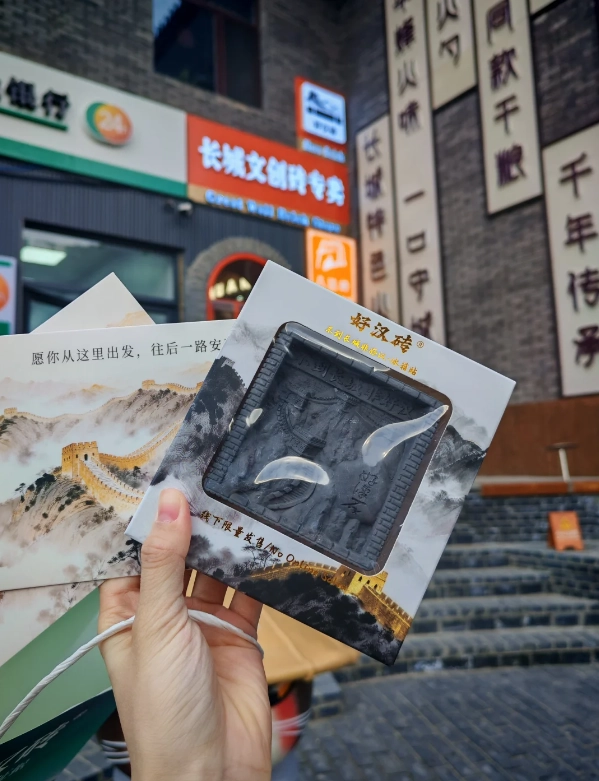
The Miniature Replica Brick: Sounds cheesy, but a well-made one is a solid desk ornament. Avoid the lightweight plastic ones. Look for the heavier, resin-based bricks with clearer engraving. A good one costs ¥30-¥50. The cheap ¥10 ones look terrible.
Commemorative Medals & Coins: Every tourist site has these. At Badaling, look for ones with the specific Chinese characters "八达岭" (Badaling). The ones with a colored enamel fill in the grooves are better quality than the plain stamped metal. Expect to pay ¥20-¥40 for a decent one on a ribbon.
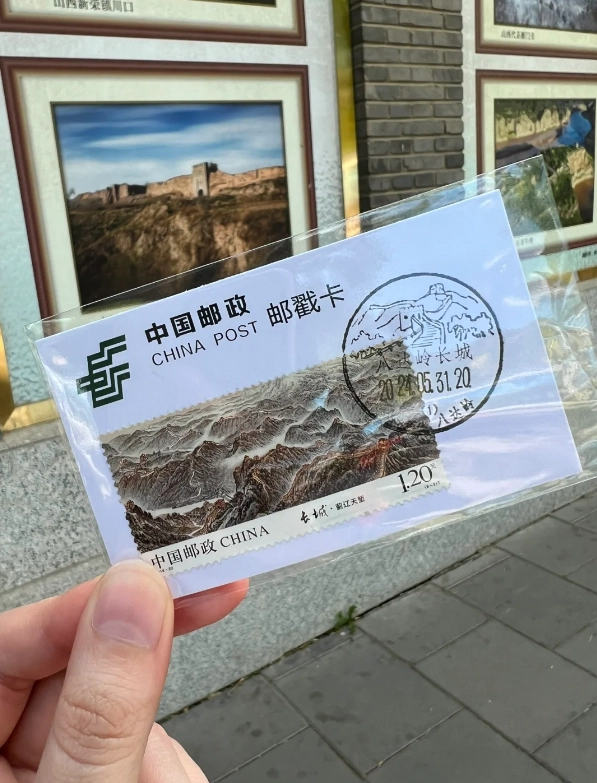
Historical Postcards & Books: Surprisingly, some of the better-quality items. Official bookstores or larger souvenir shops near the exit sell photo books with professional photography you won't get elsewhere. A postcard set (¥15-¥25) is a lightweight, classic gift.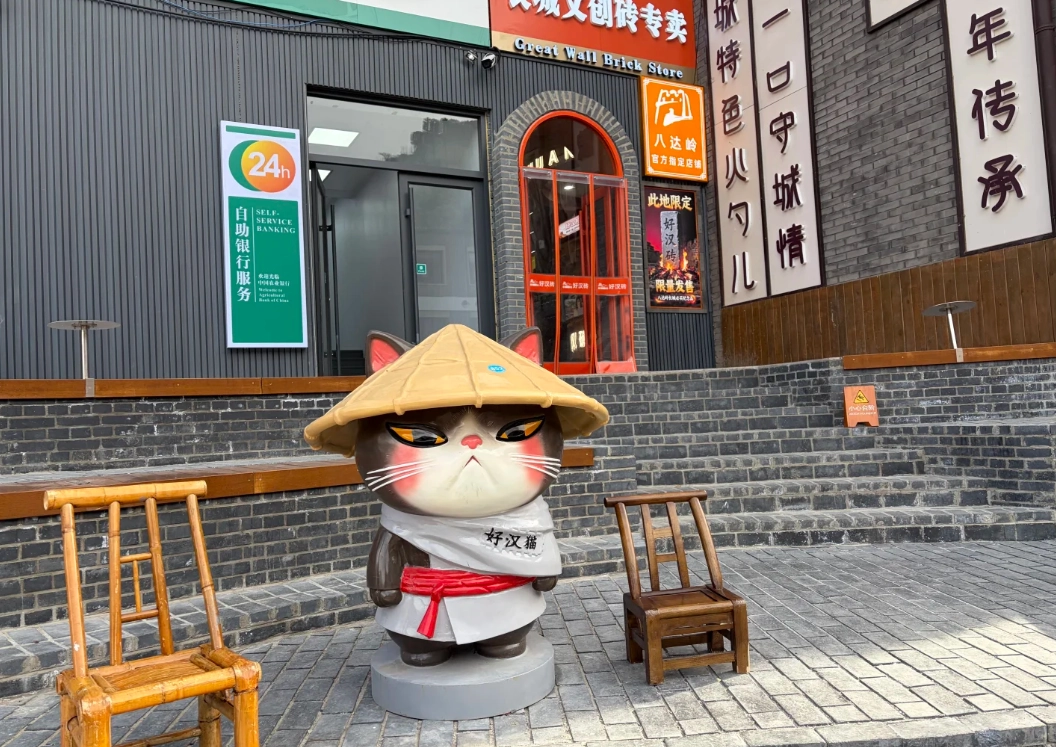
Category 2: Local Edibles (The Best Value)
This is where Badaling shopping shines. The snacks are often locally produced and are a genuine taste of the region.
Beijing Roast Duck Vacuum Packs: Not the fresh duck from Quanjude, but reputable brands like "Bianyifang" or "Quanjian" sell vacuum-sealed, ready-to-eat versions. Check the production date. A pack is about ¥40-¥60. Perfect if you're heading straight home.
Hawthorn Rolls (Bing Tang Hu Lu): You'll see these on sticks. Get them fresh from a vendor, not pre-packaged. The tart hawthorn coated in hard sugar is a classic Beijing street snack. About ¥10-¥15 per stick.
Dried Fruits & Preserves: Look for "Beijing Preserved Fruit". Apricot, peach, and hawthorn are common. You can often sample them. Buy from shops that let you mix and match by weight. A small bag is ¥20-¥30.
Jujube (Chinese Red Dates): The ones from the surrounding mountains are prized. The bigger, fleshier ones are better. A box can cost ¥25-¥50.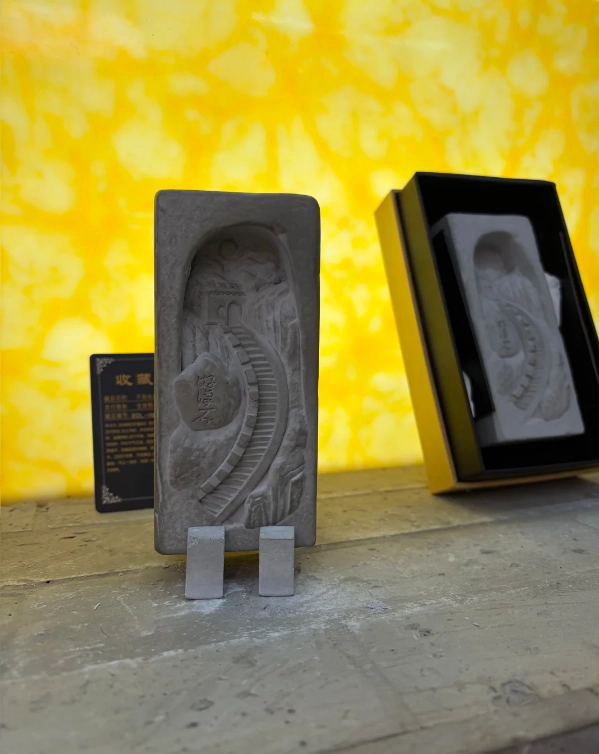
Category 3: Wearable & Practical Souvenirs
Things you might actually use again.
"I Climbed the Great Wall" T-Shirts: They're ubiquitous. The cotton quality is usually poor. However, if you must, look for a design you genuinely like. The price is almost always ¥25-¥35. Don't pay more.
Traditional Hats: The green "PLA" style hat or the wide-brimmed farmer's hat are popular for photos. They're also surprisingly useful if you're climbing on a sunny day. These are cheap at ¥10-¥20. No need to negotiate hard.
Walking Sticks/Canes: Many stalls sell simple, wooden hiking sticks. If you're doing a longer hike on the wall, they're not a bad idea. They cost ¥15-¥25. Make sure the wood isn't cracked.
Where to Shop: A Location Breakdown
Where you buy is as important as what you buy. The atmosphere and pricing shift dramatically.
| Location | Atmosphere & What You'll Find | Price Level & Tip |
|---|---|---|
| Main Entrance Plaza (before ticket gates) | Most crowded, highest pressure. Sells everything from hats to water. Generic souvenirs. | Highest prices. Vendors target tour groups arriving. Avoid major purchases here. |
| Stalls Along the Wall (near watchtowers) | Convenient but limited selection. Mainly water, ice cream, drinks, simple medals. | Premium prices for convenience. A bottle of water here is ¥10 vs. ¥5 below. |
| Cable Car / Toboggan Exit Areas | Concentrated clusters of stalls. Good mix of souvenirs and snacks. Slightly less chaotic. | Moderate. Can find better deals here than the main entrance. Good for comparing. |
| The Exit Commercial Street (after you leave the wall area) | Long street lined with shops. Most variety, from cheap trinkets to nicer tea shops and bookstores. | Best for serious shopping. Most competition, so best prices for negotiation. Where I buy my food items. |
My go-to strategy? I do a reconnaissance walk through the Exit Commercial Street first, noting prices for items I like. I might grab a snack. Then I circle back to buy. The vendors at the far end of this street are usually the most negotiable.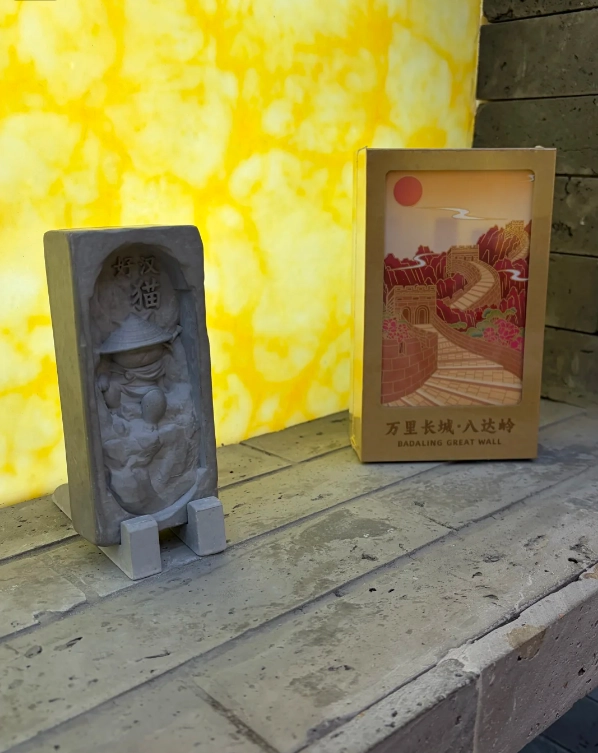
How to Negotiate (Without Being Rude)
Negotiating is expected at the stall vendors, not in fixed-price bookstores or branded food shops.
Don't start with "How much?" and then immediately say "Too expensive!" It's abrasive. Here's a smoother approach I use:
1. Show genuine interest. Pick up the item, examine it. Ask a question like, "Is this handmade?" or "What material is this?"
2. Hear the first price. Let them quote. It will be high.
3. Give a counter-offer at 40-50% of their price. Smile. Say, "For this, I can do [your price]."
4. Be ready to walk away. This is the most crucial step. If they don't accept, thank them and start to leave. Half the time, they'll call you back with a better price.
5. Meet in the middle. If they call you back or make a lower offer, settle on a price around 60-70% of the original quote. That's a fair deal for both.
For small items under ¥20, I often don't bother haggling much. The time and energy aren't worth it. Focus your negotiation on items above ¥50.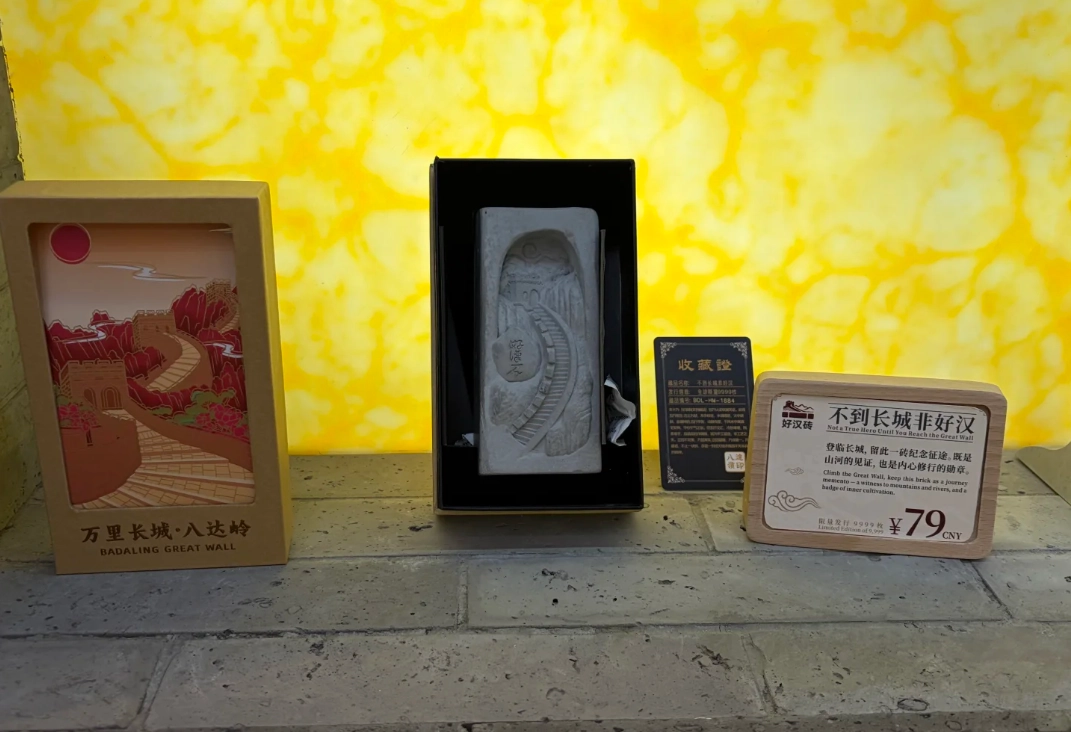
Your Questions, Answered
Where is the absolute cheapest place to buy souvenirs at Badaling?
I'm terrible at haggling. Can I just pay the asking price?
 Are credit cards or digital payments accepted?
How do I know if a "jade" or "silver" item is real?
Can I ship my purchases home from Badaling?
 The final thing to remember? Shopping is part of the Badaling experience, but it shouldn't be the focus. Buy a few things that will trigger a real memory—the taste of the hawthorn roll when you were exhausted, the feel of the medal you bought after reaching the highest tower. Skip the clutter. Go for the stuff that tells a story, even a small one.
This guide is based on multiple personal visits and observations. Details like vendor layout and specific snack availability are subject to change, but the core principles of where to shop and how to buy remain consistent.






No comments yet.