 Bo Wu
Bo Wu
Let's be honest. When you think of the Zhoukoudian Peking Man Site, shopping isn't the first thing that comes to mind. You're here for the profound history, the ancient caves, the sense of walking where early humans once lived. But after you've absorbed the museum exhibits and stood at the excavation pits, a question pops up: Is there anything to take home from here besides photos? The answer is yes, but navigating the options requires a bit of local know-how. Based on my multiple visits, this guide cuts through the clutter to show you exactly where to find meaningful souvenirs, what they should cost, and how to avoid the common pitfalls that leave tourists with overpriced trinkets.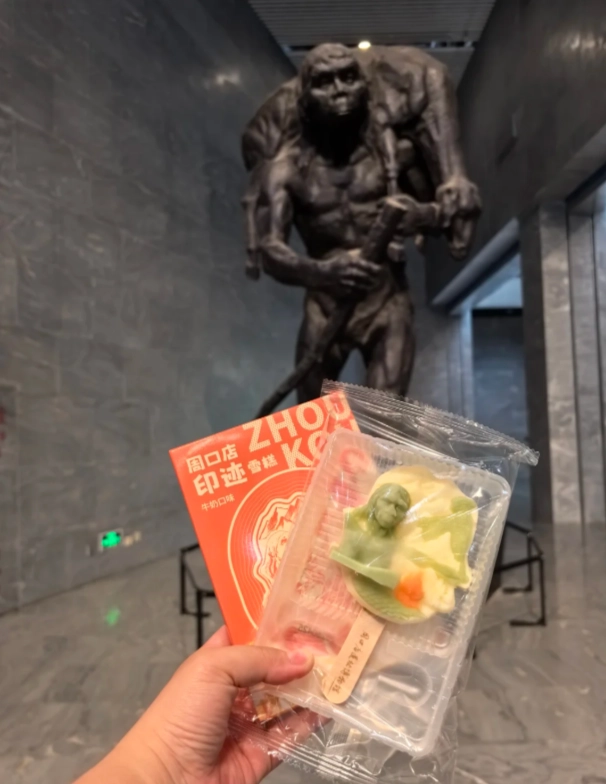
Quick Navigation: What's Inside This Guide
The Official Museum Shop: Your First Stop
Immediately after you exit the main exhibition halls of the Zhoukoudian Site Museum, you'll walk straight into the official gift shop. This isn't a hidden corner; it's a designed part of the visitor flow. I recommend starting here, before you even glance at the stalls outside.
Why start here? The quality and authenticity are guaranteed. Every item relates directly to the site. You're paying for accuracy, not just a random knick-knack with "Peking Man" stamped on it.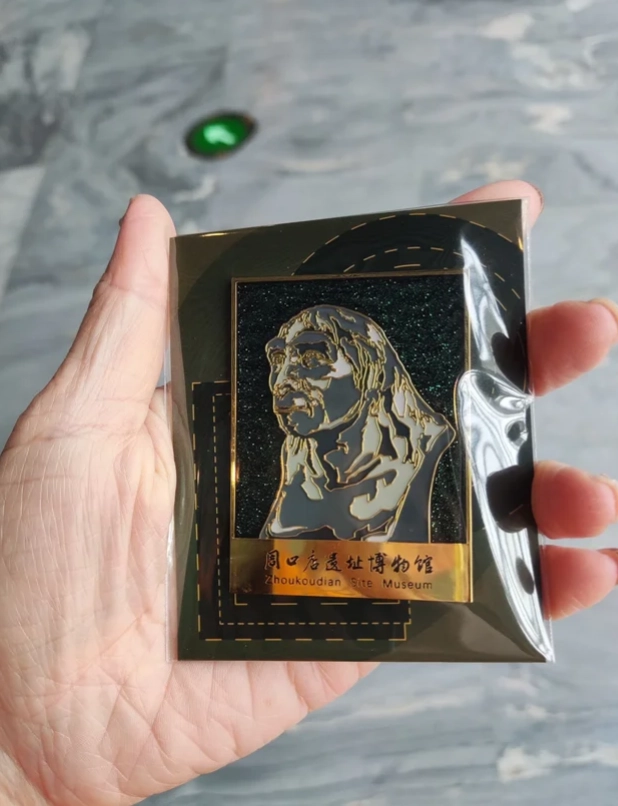
What You'll Find Inside
The shop is compact but well-organized. The shelves are lined with items that fall into a few clear categories.
Fossil Replicas: This is the star attraction. You can find resin casts of the famous Sinanthropus pekinensis skulls, teeth, and tools. They range from small, palm-sized pieces (perfect for a desk ornament) to larger, more detailed display pieces. The craftsmanship on the higher-end replicas is impressive – you can see the texture and detail meant to mimic the original fossils. I once bought a small skull replica, and the weight and finish felt substantial, not cheap.
Books and Publications: A solid selection of academic and popular science books on human evolution, paleoanthropology, and the specific history of Zhoukoudian. Many are in Chinese, but I've spotted a few English-language picture books and guides over the years. If you're deeply interested in the subject, this is a unique resource.
Educational Kits for Kids: Small dig kits where children can "excavate" a replica fossil from a plaster block. They're a hit with families and make for a fun, thematic activity later.
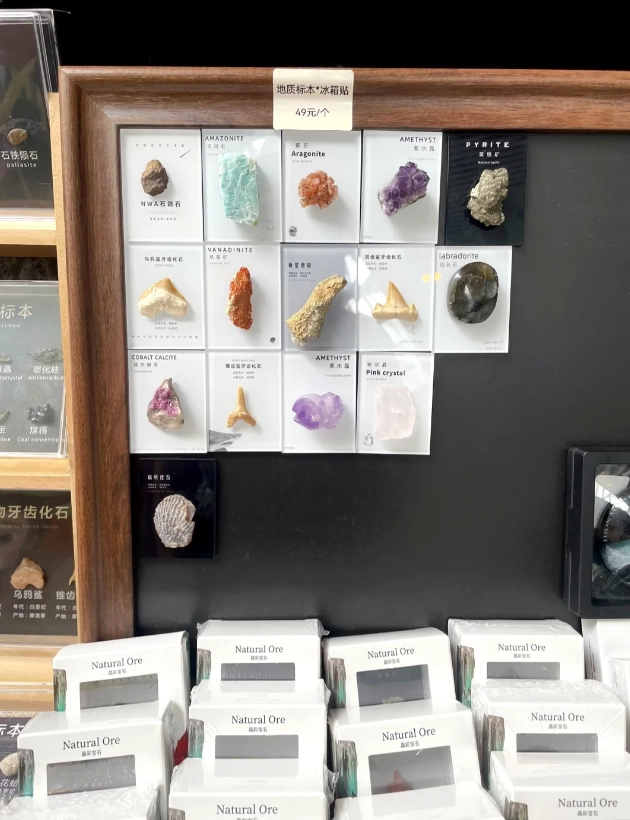
General Souvenirs: Postcards, magnets, keychains, and pens featuring imagery from the site. The designs are usually tasteful, incorporating cave drawings, skull diagrams, or photos of the location.
Practical Details You Need to Know
| Item Category | Price Range (Approx.) | Notes & Insider Tip |
|---|---|---|
| Small Fossil Replica (e.g., tooth, small tool) | ¥80 - ¥200 | Great for individual gifts. Check for a small information card attached. |
| Medium/Large Skull Replica | ¥300 - ¥800+ | Best for serious enthusiasts. They are fragile, so pack carefully. |
| Educational Dig Kit | ¥50 - ¥120 | Perfect for kids aged 6-12. The mess is contained in the block. |
| Books (Chinese) | ¥40 - ¥200 | Heavy on text and diagrams. Flip through to see image quality. |
| Postcards & Magnets | ¥10 - ¥30 each | Simple, lightweight, and easy to pack. Designs are consistent. |
The shop operates during museum hours. Payment is straightforward – they accept cash, major Chinese debit/credit cards, and mobile payments like Alipay and WeChat Pay. The staff I've interacted with were low-key but could answer basic questions about the products.
Outside Vendor Stalls: Bargains and Pitfalls
As you walk from the parking area towards the museum entrance, or linger near the exit, you'll encounter a handful of independent vendors. Their setup is informal – foldable tables under umbrellas, displaying a more eclectic mix of goods. The atmosphere here is completely different from the sterile, academic feel of the museum shop.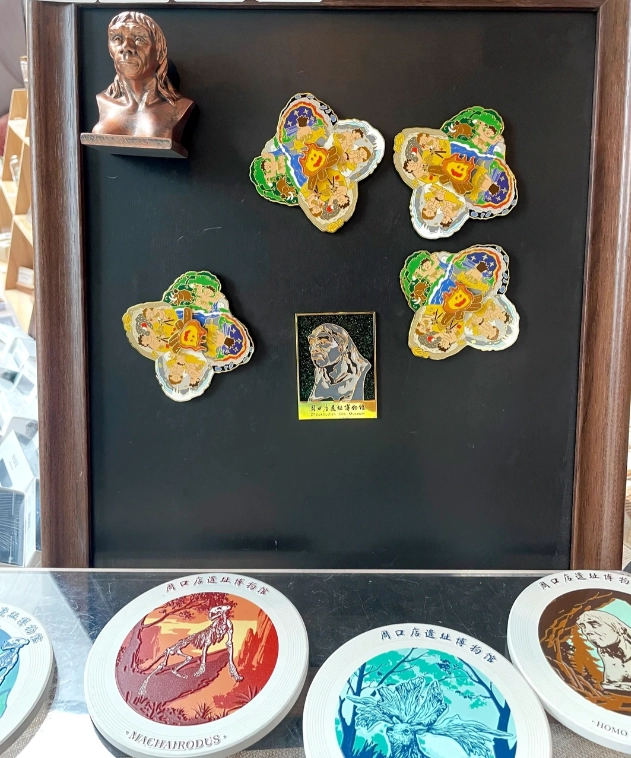
Here's what defines this shopping zone:
- The Goods: You'll see a wider variety, but less focus. Alongside fossil replicas (which often look cruder), you might find general Chinese souvenirs like jade bracelets, "antique" coins, wooden carvings, and cheap toys. It feels more like a typical tourist market.
- The Price Dynamic: Prices are not fixed. Haggling is expected and part of the process. The initial quote might be double or triple what the vendor is willing to accept.
- The Experience: It can be fun if you enjoy the back-and-forth. The vendors are usually locals and can be chatty. However, the pressure to buy is higher.
My Take: I treat the outside stalls as a secondary, exploratory market. I never buy fossil replicos here as my primary souvenir because the quality control is absent. A vendor once showed me a "skull" with glaringly inaccurate anatomical features. Instead, I look for inexpensive, fun items like a stone paperweight or a decorative magnet if I want a broader memento. For anything important, I go back to the museum shop.
A Smart Shopping Strategy for Zhoukoudian
To make the most of your shopping time and money, follow this sequence. I've refined it over several trips.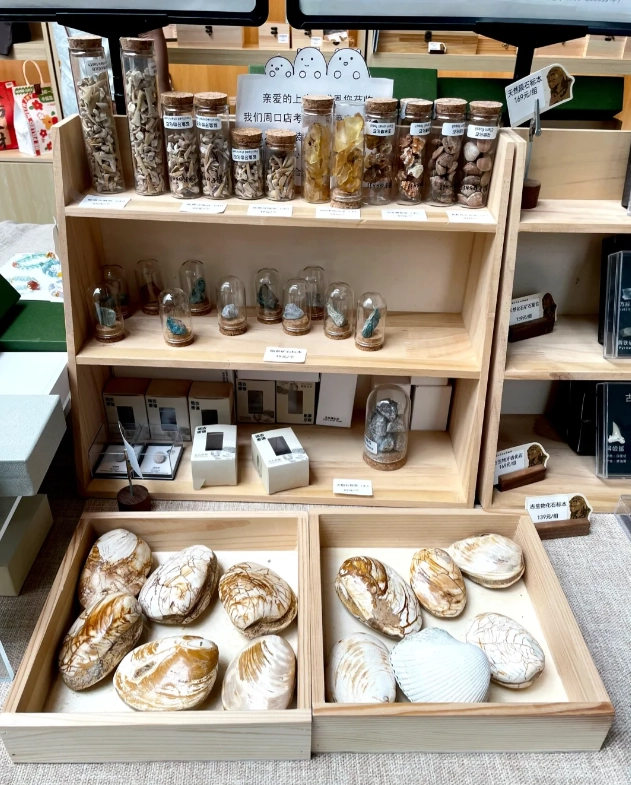
Step 1: Visit the Site First. Don't shop on your way in. Immerse yourself in the museum and the caves. Understanding the significance of what you're seeing will completely change how you view the souvenirs. That skull replica becomes a symbol of a specific discovery, not just a cool-looking rock.
Step 2: Allocate Your Budget. Decide how much you want to spend total. Then, I suggest a 70/30 split. Use 70% of your budget in the official museum shop for your core, high-quality souvenir (like a good fossil replica). Reserve 30% for the outside stalls for impulsive, low-stakes buys.
Step 3: Museum Shop Recon. Browse the official shop thoroughly. Pick up items, check prices, and decide what you really want. Note the prices – this gives you a benchmark for quality. If you see a perfect item here, buy it. Don't assume you'll find it cheaper or better outside.
Step 4: External Market with a Critical Eye. Now browse the stalls. If you see something similar to a museum item, compare the quality closely. Is the detail as sharp? Is the material as solid? If you're unsure, the museum item is always the safer bet.
Step 5: The Art of the Deal (Outside Only). If you want to haggle, be polite but firm. A good starting point is to offer 50-60% of the asking price. Be prepared to walk away; often the vendor will call you back with a better offer. Have small bills ready for the final price.
What to Buy: A Curated Souvenir List
Not sure what's worth your money? Here’s my personal ranking of Zhoukoudian purchases, from most to least recommended.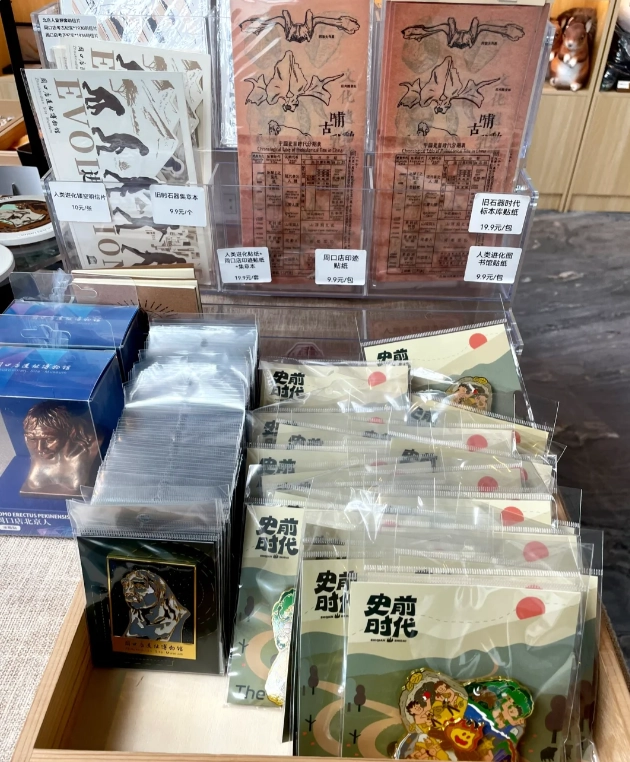
Top Tier: The Authentic Keepsake
A quality fossil replica from the museum shop. This is the definitive souvenir. It's unique to this location, educational, and serves as a tangible connection to the site's science. It sparks conversations for years.
Great for Families
An educational excavation kit. It extends the learning experience beyond the visit. Kids love the hands-on activity, and it’s a memorable way to engage them with the topic.
The Practical Choice
A well-produced book or illustrated guide (if available in a language you read). It provides deeper context and makes a great reference. I regret not buying a specific photo book on my first visit.
The Simple Memento
Postcards or a magnet from the museum shop. They're affordable, easy to carry, and perfect if you collect them or want to send a unique post. The imagery is accurate and tasteful.
The Bargain Hunt Find
A non-fossil item from the outside stalls that catches your eye – but only if you genuinely like it and the price feels right after negotiation. Don't buy it just because it's cheap.
Your Zhoukoudian Shopping Questions Answered
No, absolutely not. They are all replicas, usually made of resin, stone powder, or plaster. Selling real fossils from a UNESCO World Heritage Site would be illegal. The vendors' replicas are often less accurate and made with cheaper materials than the museum's offerings. A common tell is a shiny, plastic-like finish or visible seam lines from the mold.
Late afternoon, closer to when the site is about to close. Vendors are more motivated to make a final sale before packing up and may be more flexible on price. However, the flip side is that popular items might be sold out. If you have your heart set on something specific from the museum shop, buy it when you see it, as their inventory is stable.
 I'm not good at haggling. What should I do?
Then simplify your life and shop almost exclusively at the museum store. The prices are fair, fixed, and reflect the quality. You can browse stress-free. If you see something outside that you want, smile, state a firm price you're comfortable with (e.g., "I'll give you 50 RMB for this"), and be ready to say "no, thank you" and walk away if they refuse. There's no obligation to play the game.
The museum shop accepts everything seamlessly. For the outside vendors, cash (Chinese Yuan/RMB) is king. While some may have QR codes for mobile payments, cash transactions are quicker, simpler for them, and often give you a slight edge in negotiations. Having small denomination bills makes the final exchange easier.
Pick it up. A good replica has some heft; it shouldn't feel hollow or feather-light. Examine the details. Can you see fine textures that mimic bone or stone, or is the surface smooth and generic? Check the edges – are they sharp and well-defined, or blurry? The museum shop replicas will pass all these tests. Use them as your quality benchmark when comparing.
Remember, shopping at Zhoukoudian is a small but meaningful part of the visit. It's about finding a physical piece of the incredible story you've just witnessed. Prioritize authenticity and meaning over sheer quantity. A single, well-chosen fossil replica from the official museum will mean more than a bag of cheap souvenirs. Enjoy the hunt, and bring a piece of deep history home with you.






No comments yet.