 Bo Wu
Bo Wu
Let's be honest. When you think of Badachu Park (the Eight Great Temples), shopping isn't the first thing that comes to mind. You're here for the ancient temples, the serene hike up the mountain, the stunning views of Beijing. But tucked between the incense-filled halls and quiet forest paths is a shopping experience that's surprisingly authentic, if you know where to look. After multiple visits, I've found that skipping the souvenir stalls entirely means missing out on some unique, locally-crafted items you won't easily find in the city's more commercial tourist hubs. This guide isn't about pushing generic trinkets. It's about pointing you to the meaningful keepsakes and where to find them, so you can bring a piece of the park's peaceful spirit home with you.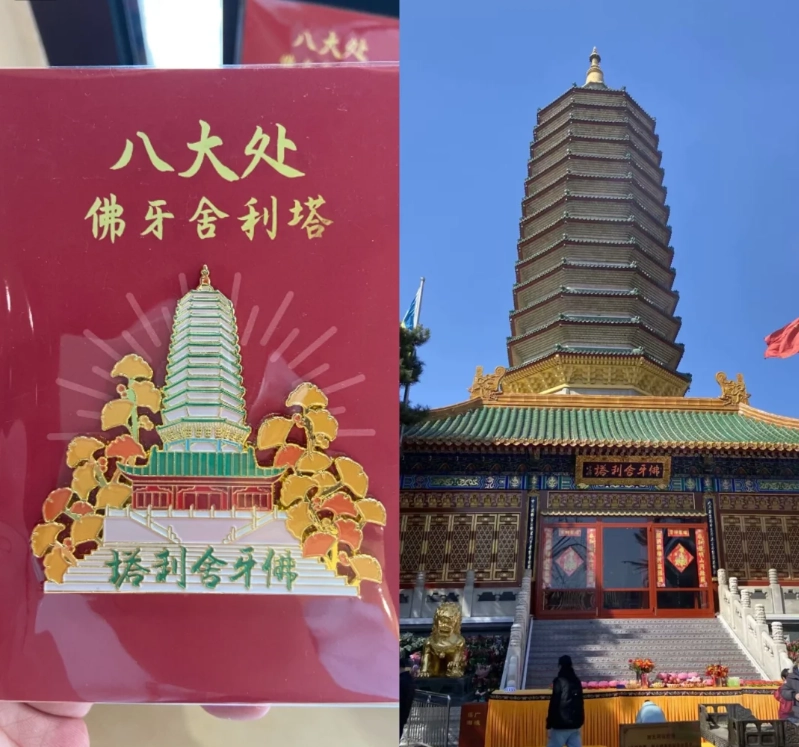
What's Inside This Guide
Where to Shop: The Three Main Areas
The shopping at Badachu isn't concentrated in one massive market. It's scattered, following the pilgrim's path up the mountain. Each area has a different vibe and specialty. I've mapped them out for you below.
| Area | Location & Vibe | What You'll Find | Price Range & Notes |
|---|---|---|---|
| The Entrance & Lower Slope Plaza | Right after the ticket gate, before you start the serious climb. This is the most "commercial" spot. | General souvenirs (keychains, hats, t-shirts), bottled water, hiking sticks, simple snacks, maps. | Low to medium. Convenience is the premium here. The hiking sticks are a practical buy if you forgot yours. I found the souvenir quality here to be the most generic. |
| Temple Courtyards & Adjacent Stalls | Small stalls and shops nestled just outside or within the temple compounds, especially around the more popular temples like the Temple of Divine Light (Lingguang Si). | This is the core zone. Buddhist prayer beads (malas), incense, small statues (Buddha, Guanyin), talismans, prayer plaques, religious books/prints. | Medium. The quality varies wildly. The beads sold inside temple-affiliated shops tend to be of better material (sandalwood, bodhi seeds) than those at random stalls. This is where your eye for detail matters. |
| The Hilltop & Cable Car Descent Area | Near the peak viewing platform and the station for the cable car/toboggan down. A few scattered vendors. | Mostly drinks, ice cream, instant noodles. The occasional vendor selling simple crafts or "I climbed Badachu" certificates. Shopping is not the focus here. | Medium to high. You're paying for the location and the relief after a long hike. The selection is very limited. |
My personal strategy? I breeze through the entrance plaza and save my time (and money) for the temple-adjacent stalls. The atmosphere there just feels more appropriate. Near the Lingguang Temple, I noticed a small shop run by what seemed to be a long-time local. He wasn't the most pushy vendor, and he took time to explain the different woods used for his malas. That's the kind of spot you want.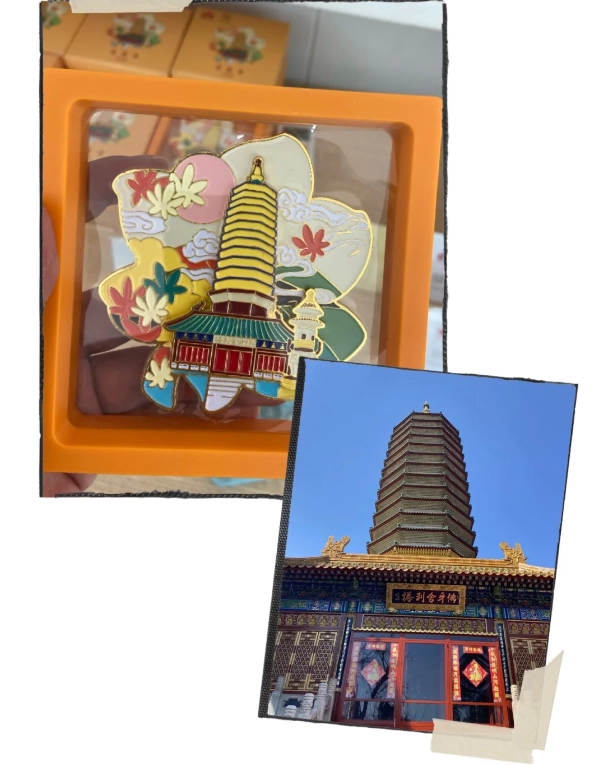
What to Buy: A Curated List of Souvenirs
Forget the plastic toys. Here are the items actually worth considering, based on what holds cultural value or makes a thoughtful gift.
Buddhist & Spiritual Items
This is the heart of Badachu shopping. These items have a purpose beyond decoration.
- Prayer Beads (Mala): The most common and authentic souvenir. Look for ones made of sandalwood (has a distinct, calming scent), bodhi seeds, or lotus seeds. The 108-bead strand is the standard. Avoid the overly shiny, lacquered ones; they're often lower quality. A decent sandalwood mala should cost between 50 and 150 RMB. I made the mistake of buying a cheap one that started peeling its coating within a week.
- Incense: Many temples allow you to light incense. Buying a bundle from a stall near the temple feels more participatory than bringing your own. Prices are very low (10-30 RMB for a bundle).
- Small Brass Statues: Think small, palm-sized statues of Buddha or Guanyin (Goddess of Mercy). They're meant for personal altars. Check the craftsmanship—the facial details should be clear, not blurry.
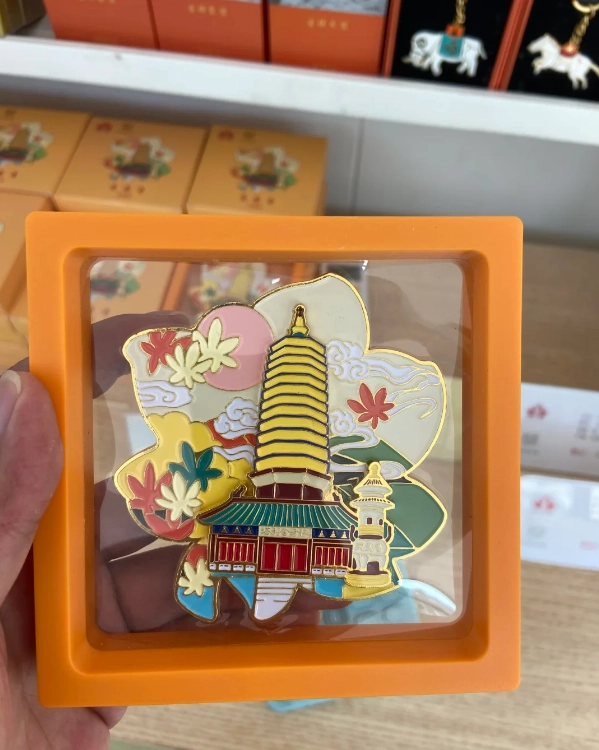
Local Crafts & Handicrafts
These are harder to find but more rewarding.
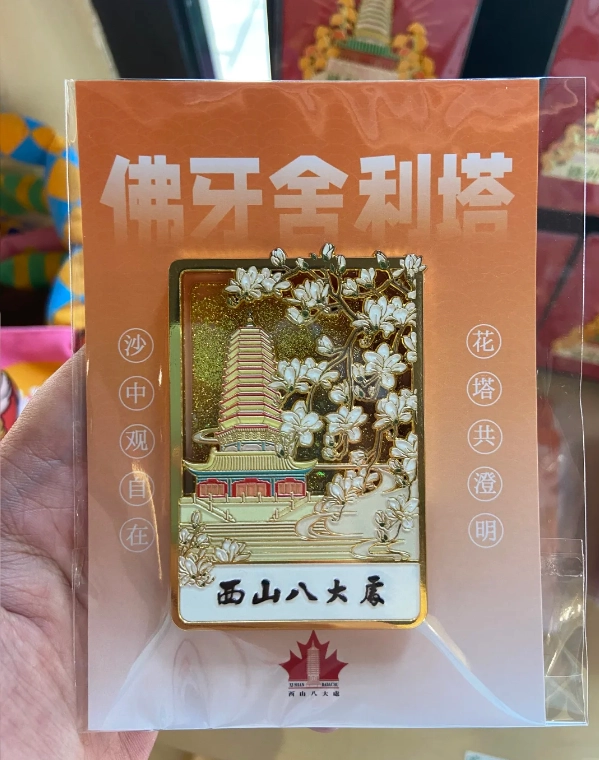
- Traditional Chinese Knots & Charms: Red cords woven into intricate knots, often with a jade or ceramic piece in the center. They symbolize good luck and protection. I've seen some beautiful ones hanging near the exit of the Xiangjie Temple.
- Hand-Painted Calligraphy Scrolls: Occasionally, you'll find an artist set up in a quieter corner. They can paint your name in Chinese characters or a short, auspicious phrase. It's a one-of-a-kind piece. Negotiate the price based on size and complexity.
Food & Drink
It's mostly basic sustenance, but there's one thing I always get.
- Local Tea: Not sold everywhere, but I found a vendor near the base of the cable car selling packs of jasmine tea and oolong tea sourced from nearby mountains. It's a simple, consumable memory. A small pack might be 30-60 RMB.
- Roasted Sweet Potatoes & Corn: In the cooler months, vendors with old-fashioned drums sell these. It's less a souvenir and more a perfect hiking snack. The smell is irresistible.
One item I advise caution with: "Antique" coins or small relics. Vendors might claim they were found on the mountain. They are almost certainly mass-produced replicas. If you like it as a curio, fine, but don't pay a premium for a fake history lesson.
Practical Shopping Tips for Badachu
Knowing what to buy is half the battle. Knowing how to buy it completes the mission.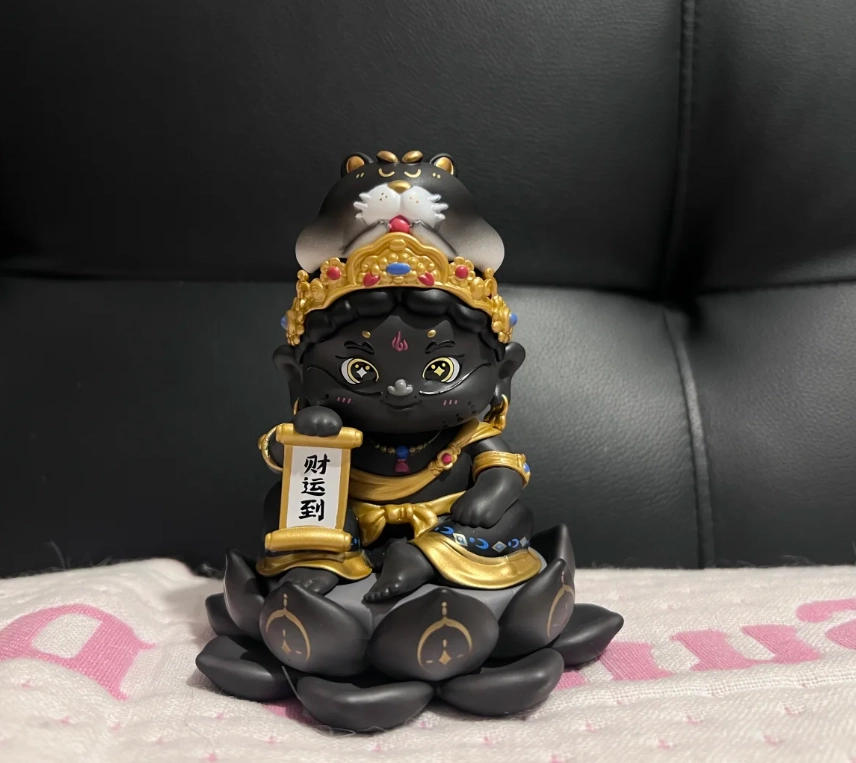
Bargaining is expected, but be respectful. This isn't the Silk Market. Start by offering 50-60% of the initial asking price and negotiate calmly. A smile goes a long way. For items in temple shops with fixed price tags, bargaining is usually not appropriate.
Carry cash, specifically small bills. While WeChat Pay and Alipay are ubiquitous in Beijing, some older vendors in the park, especially the mobile ones, prefer cash. Having RMB 10, 20, and 50 notes makes transactions smoother.
Time your shopping. If you're taking the cable car up and walking down, do your shopping on the descent. You don't want to carry bags of souvenirs up 400 meters of stairs. Also, vendors near closing time (around 4:30-5:00 PM) might be more willing to make a deal to avoid packing up stock.
Inspect before you buy. Especially for prayer beads. Check the string tension, make sure the beads aren't cracked, and if it's sandalwood, give it a subtle sniff. The scent should be natural, not perfumed.
I learned the cash lesson the hard way. I was at a secluded stall with beautiful handmade knots, and the elderly vendor only took cash. I had to awkwardly walk away. Now I always keep a couple hundred RMB in small denominations in a separate pocket.
Your Shopping Questions Answered
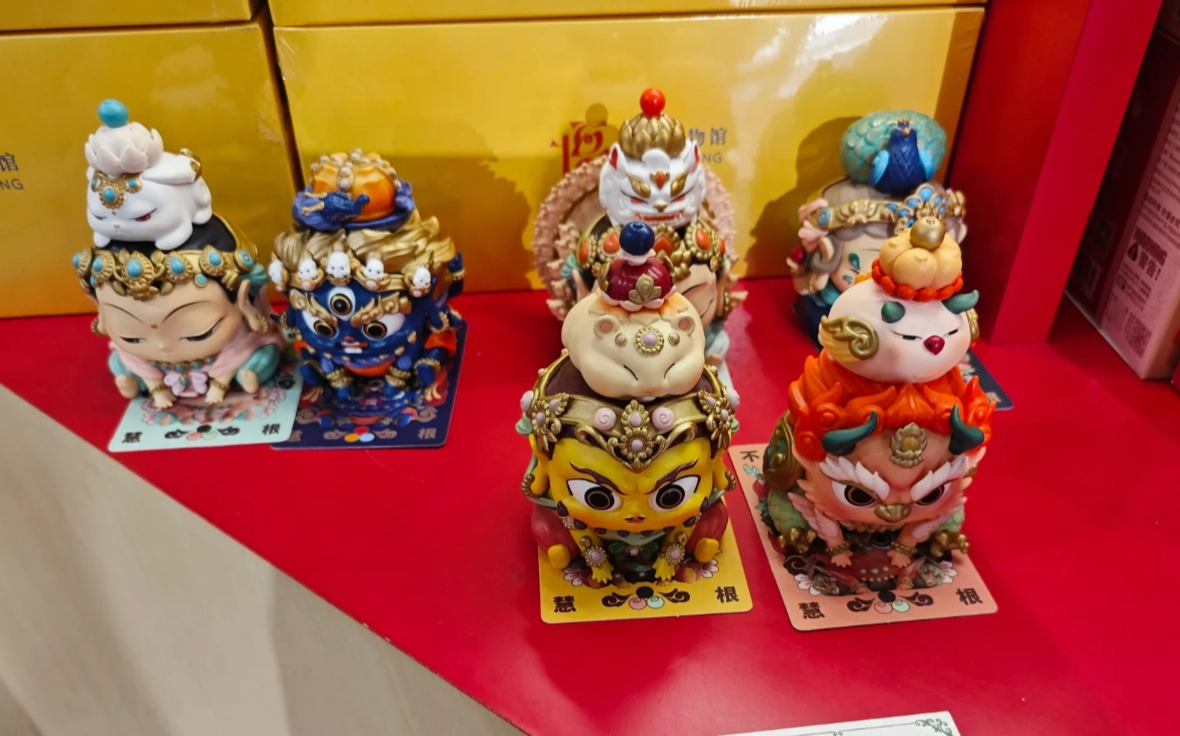 What's a unique gift I can get for family that isn't obviously religious?
Ultimately, shopping at Badachu is a subtle part of the experience. It's not about retail therapy. It's about finding a tangible reminder of the tranquility you felt walking between ancient temples. A simple string of well-made prayer beads on your desk can bring back that sense of calm more effectively than any photo. Go with an eye for craftsmanship over glitter, and you'll find something that holds meaning long after your hike is over.
This guide is based on multiple personal visits and observations made on-site. Details regarding vendor presence and specific items are subject to change.





No comments yet.