 Lei Li
Most visitors come to Beihai Park for the iconic white pagoda and the serene lake views. But tucked away within its ancient walls and just beyond its gates is a shopping scene most tourists walk right past. I've spent countless afternoons here, not just admiring the architecture, but hunting down the unique keepsakes that capture the spirit of old Beijing. This isn't about generic tourist trinkets. It's about finding a piece of art, a hand-bound notebook, or a local snack that tells a story. Let me show you exactly where to look.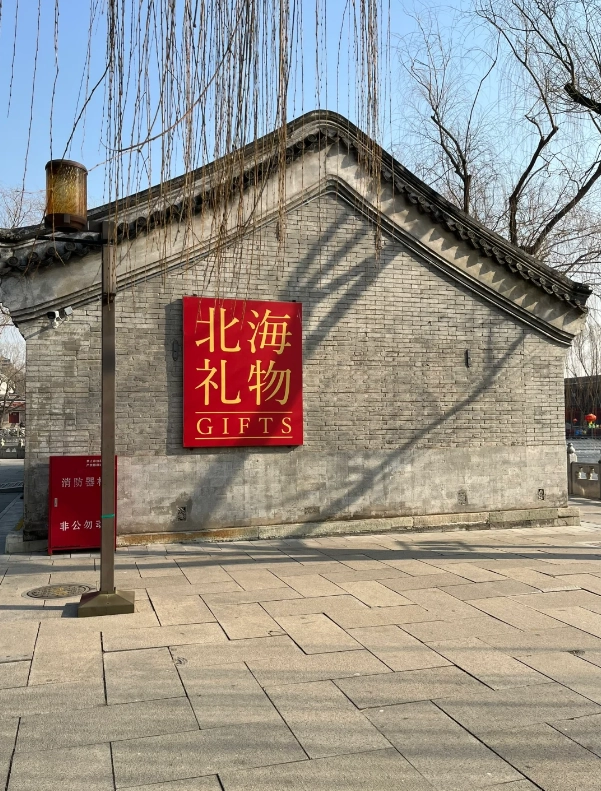
What You'll Find in This Guide
The Official Gift Shops Inside Beihai Park
Your first stops should be the park's own shops. They're reliable, fixed-price, and often have items tied directly to the park's history. Don't expect sprawling department stores; think of them as curated museum shops.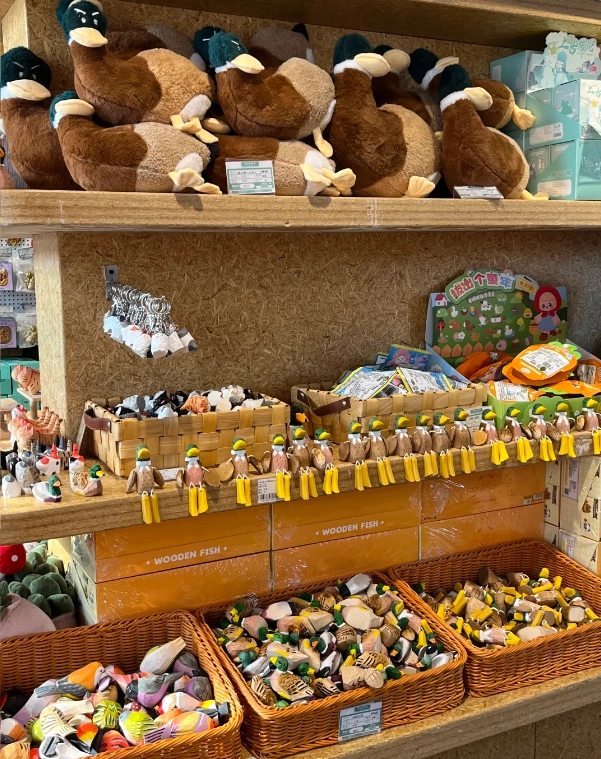
1. The Main Souvenir Shop by the North Gate
Just inside the North Gate, to your right, is the largest official shop. It's well-lit and organized. Here's what you'll typically find:
High-quality replicas are the highlight. I was particularly impressed with the detailed miniature models of the Nine-Dragon Wall and the White Dagoba. They're made from resin or fine ceramic, not cheap plastic. Price range: 150 to 500 RMB.
Silk products like scarves and fans feature classic Chinese paintings, often of Beihai Park's own scenery. The colors are more subdued and elegant than the flashy ones sold outside.
Books and postcards are excellent here. You can find historical photography books of Beijing and postcard sets that are perfect for mailing. I always pick up a few.
The downside? It can feel a bit sterile. You won't find the quirky, one-of-a-kind item here. But for a guaranteed, quality souvenir, it's your safest bet.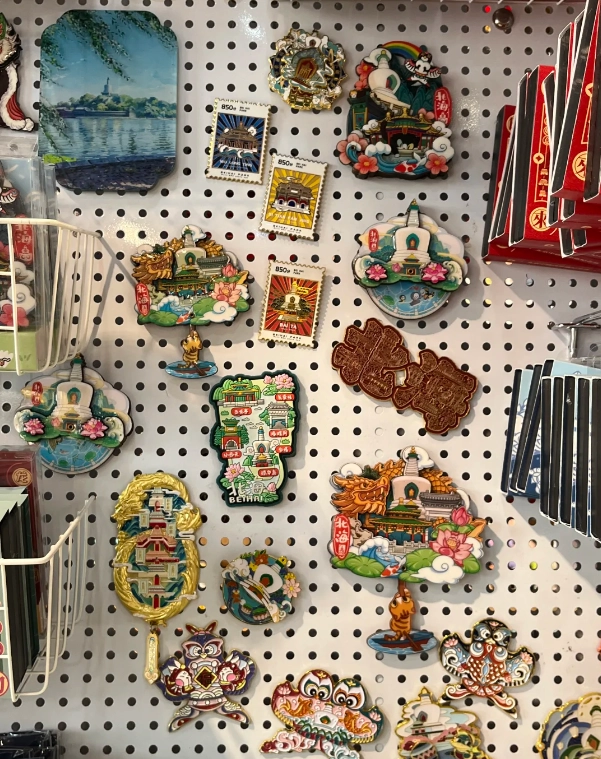
2. Smaller Kiosks Near Major Attractions
As you walk towards the White Dagoba or around the Circular City, keep an eye out for small kiosks. Their stock is more varied and sometimes more interesting.
Near the Hall of Celestial Kings, a kiosk sells beautiful hand-bound notebooks with marbled paper covers. They're practical and unique. Another stall close to the Five-Dragon Pavilions often has traditional Chinese brushes and inkstones, appealing to art students and calligraphy enthusiasts.
My tip: Visit these later in your park exploration. Carrying shopping bags while climbing up to the White Dagoba is no fun.
The Folk Art Stalls and Spontaneous Markets
This is where the real character lies. These aren't always permanent fixtures. Their presence depends on the day, the weather, and sometimes, it seems, the whims of the park authorities. I've seen them most consistently on weekends and during national holidays.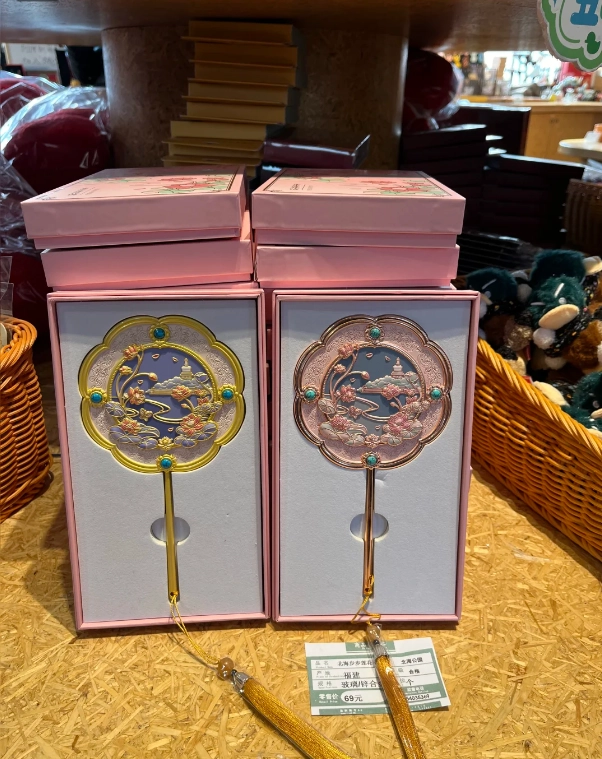
Look for them here: The shaded pathways between the North Shore and the East Gate, and the open areas near the Tea House. You'll often hear the vendor before you see them—the soft scratch of a brush or the gentle clack of wooden pieces.
What you might encounter:
The Calligraphy Master: An elderly gentleman sets up a small table. For a small fee (20-50 RMB), he will write your name or a auspicious phrase in beautiful Chinese calligraphy on a scroll or fan. This is a personalized souvenir you can't get anywhere else. The paper quality he uses is far superior to the pre-printed versions in the main shop.
The Shadow Puppet Artist: I stumbled upon a lady selling delicate, hand-cut leather shadow puppets. She demonstrated how they worked, manipulating the rods to make the figure wave. She explained the stories behind the characters—usually from classic Chinese operas. These are fragile but stunning pieces of folk art.
The "Jianzi" Vendor: Jianzi is the Chinese shuttlecock game. You'll see locals kicking them in open spaces. A vendor selling colorful feather jianzi is a common sight. Buying one (around 15-30 RMB) is an invitation to join in the fun, not just a passive purchase.
The key with these stalls is to observe and engage. Ask questions. The story behind the item is part of its value.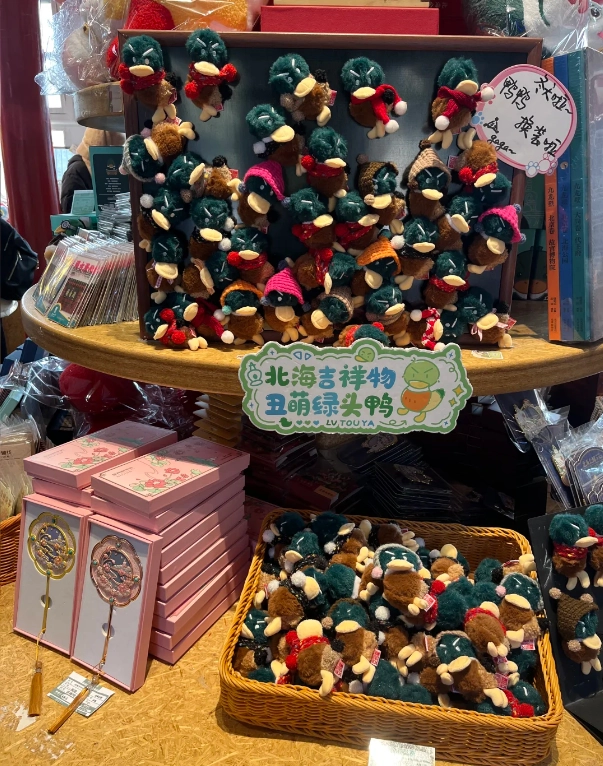
Shopping Near Beihai Park: Hutongs and Malls
Once you exit the park, your shopping options expand dramatically. You have two contrasting worlds within a 15-minute walk.
Option A: The Historic Hutongs (My Personal Recommendation)
Exit from the park's North Gate and wander into the surrounding hutongs (ancient alleyways). This is where you find life, not just souvenirs.
Yandai Xiejie (Tobacco Pouch Slanting Street): This is the most famous hutong for shopping near Beihai. It's a short, lively lane packed with small shops. It's touristy, yes, but it retains charm. Look for:
- Independent design shops: T-shirts with clever Beijing-themed graphics, modern ceramics with traditional motifs.
- Tea shops: You can smell them before you see them. Buy loose-leaf tea by weight. The staff are usually knowledgeable and let you sample.
- Snack stalls: This is your chance to try local Beijing street food like tanghulu (candied fruit on a stick) or steamed buns. It's edible shopping.
A common mistake is to buy the first thing you see. Walk the entire street first, compare prices and quality, then double back for your favorite find.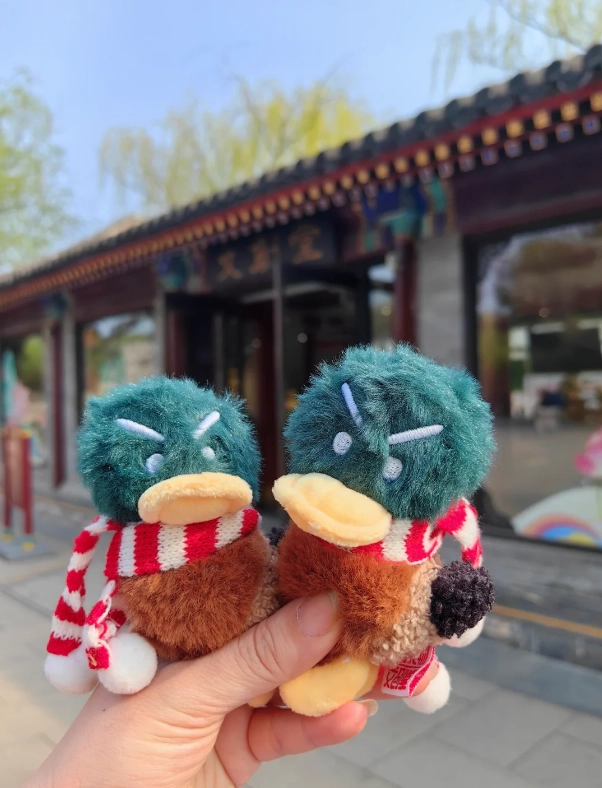
Option B: Modern Malls for Convenience
If you need something more contemporary or have specific brand needs, head to the Financial Street area southwest of the park or towards Xidan. These are not cultural experiences, but they solve practical needs—pharmacies, international clothing brands, electronics, or a proper supermarket.
Here’s a quick comparison to help you decide:
| Location | Atmosphere & Vibe | What You'll Find | Best For |
|---|---|---|---|
| Inside Beihai Park | Quiet, curated, historical | Official replicas, books, high-end silk, occasional folk artists | Guaranteed quality, park-specific memorabilia |
| Yandai Xiejie Hutong | Bustling, creative, tourist-friendly | Independent designs, tea, snacks, quirky gifts | A lively experience and unique, modern takes on tradition |
| Modern Malls (Xidan) | Busy, commercial, familiar | International brands, department stores, electronics, food courts | Practical needs, air-conditioned comfort, variety |
How to Shop Smart at Beihai Park
A few hard-won pieces of advice from my many visits.
Cash is still king, especially with the independent stallholders and in the hutongs. While Alipay and WeChat Pay are ubiquitous, having some Renminbi notes makes transactions with older vendors smoother and sometimes gets you a slight discount if you're paying exact change.
Bargaining is a nuanced art. In the official park shops, prices are fixed. Don't even try. With the folk art stallholders, it's often not appropriate either—you're paying for their skill and time. However, in the hutong shops (like Yandai Xiejie), bargaining is expected on non-food items. Start by offering 50-60% of the asking price and negotiate politely with a smile. If they say "no" firmly, the price is likely fair.
Check for authenticity. For items like silk or jade, if the price seems too good to be true, it probably is. The official shops provide the best guarantee. For calligraphy or art, talking to the artist is your authentication.
Think about portability. That large porcelain vase might look stunning, but will it survive your journey home? I always lean towards flat items (scrolls, silk), small sturdy items (seals, jewelry), or consumables (tea, sweets).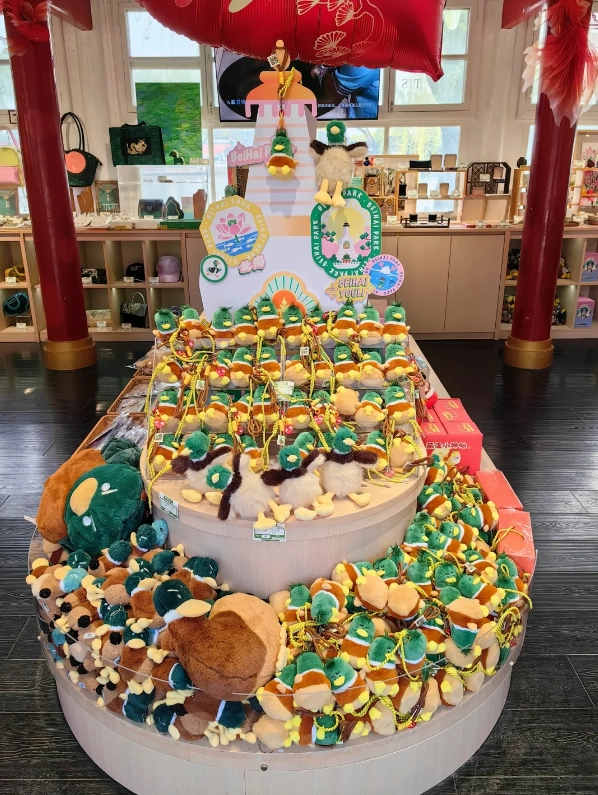
Your Beihai Park Shopping Questions Answered
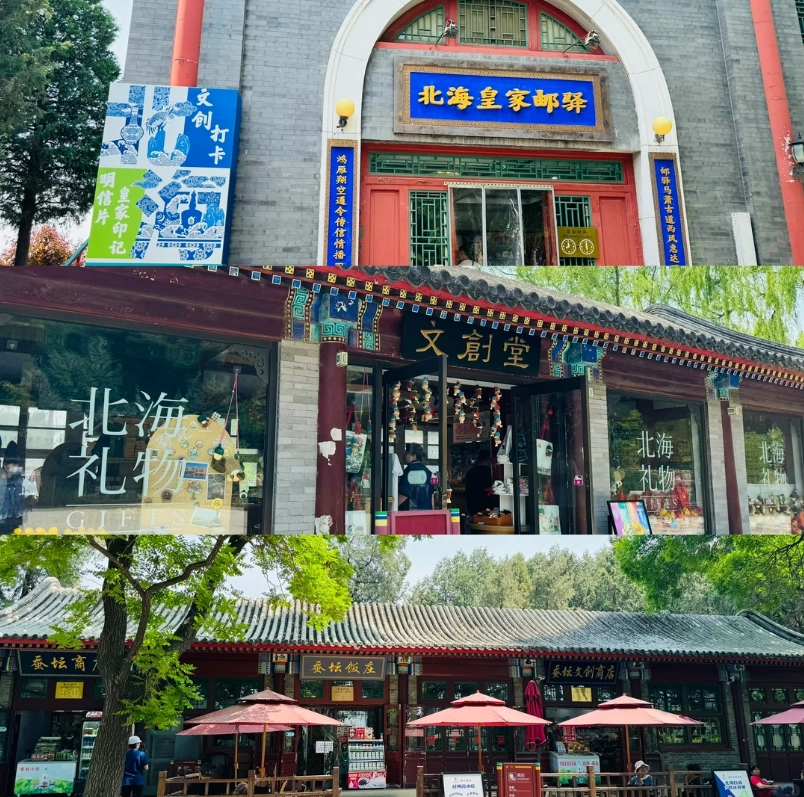 What's a good, lightweight souvenir I can buy a lot of for friends?
The shopping around Beihai Park is a layered experience. It’s not a single destination but a discovery scattered between imperial gardens and ancient alleyways. The best finds often come from slowing down, watching the artists at work, and choosing the item that speaks to you personally, not just the one labeled "souvenir."
This guide is based on personal, repeated visits and observations. Details, such as the presence of specific folk artists, can vary.






Decent guide for a quick visit. The park itself is stunning, and the shopping areas are well-organized. I appreciated the tips for bargaining, though not every vendor was willing to negotiate. The art quality was mixed—some beautiful watercolors, but also some lazy reproductions. Still a nice afternoon out.
Perfect blend of souvenirs, art, and local flavor! I loved the section on finding hand-painted Peking opera masks and traditional paper-cutting. The directions were clear, and I even stumbled upon a tiny calligraphy workshop hidden near the south gate. My friends back home will adore these gifts!
Honestly, I was a little disappointed. The guide hyped up the art scene, but many of the ‘local finds’ were mass-produced keychains and plastic fans. The few authentic crafts were crowded and overpriced. Maybe I caught it on a bad day, but I expected more depth from this guide.
Good guide overall, and the recommended spots for local art were easy to follow. I picked up a couple of lovely calligraphy scrolls. Only downside: some prices seemed a bit tourist-inflated compared to what locals might pay. Still worth it for the selection and convenience.
This shopping guide was spot-on! I spent a whole afternoon exploring the stalls near the White Pagoda and found the most gorgeous hand-painted snuff bottles and jade jewelry. The vendors were patient and happy to explain the craftsmanship. Absolutely a must-do for souvenir hunters—5 stars!