 Hui Lin
Let's be honest. After climbing the majestic Badaling Great Wall, your legs are jelly, your camera is full, and you're hit with a wave of souvenir stalls on the way out. It's overwhelming. Should you buy that "I Climbed the Great Wall" t-shirt? Is the jade pendant real? I've navigated this gauntlet more times than I can count, both as a wide-eyed tourist and later as a frequent visitor showing friends around. This guide isn't about listing every trinket. It's your tactical playbook for shopping at Badaling—where to focus your energy, how to spot quality, and how to walk away with something you'll actually cherish, not regret.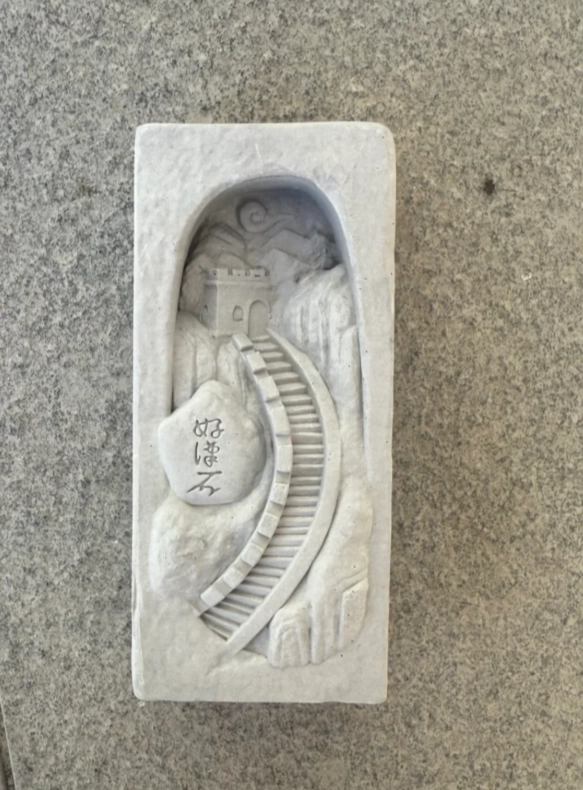
What's Inside This Guide
Where to Shop: The Three Main Zones Explained
The shopping experience isn't uniform. It changes drastically based on your exit point and energy level. Based on my visits, here’s the breakdown.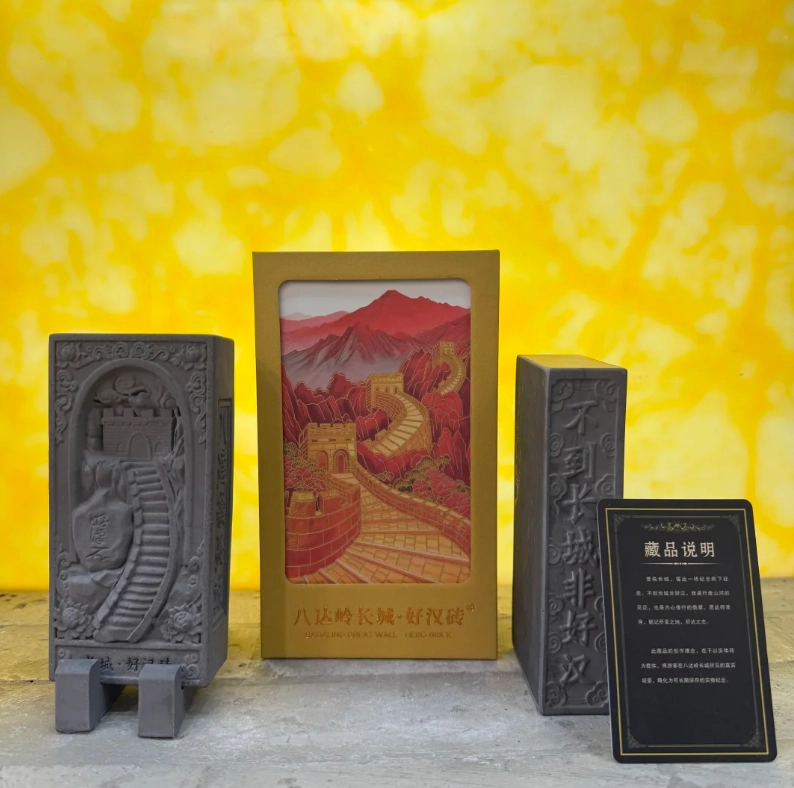
The Official Souvenir Shops (Inside the Ticketed Area)
These are the shops you find near the cable car stations and main entrance buildings. They're clean, air-conditioned, and have fixed prices. The quality here is generally a notch above the stalls outside. I often find the best selection of higher-end cloisonné items, detailed porcelain, and well-made silk scarves here. It's a low-stress environment. You won't get a deal, but you also won't get hassled. Perfect if you hate haggling or need a gift for someone special.
The Parking Lot & Exit Pathway Stalls
This is the main event—a long, bustling corridor of stalls lining the path from the wall down to the massive parking lots. The variety is immense, the prices are fluid, and the atmosphere is pure, chaotic fun. This is where you'll find everything from bronze swords to plush panda hats. The golden rule here? The deeper you walk from the exit gate towards the parking lots, the lower the initial asking prices tend to be. The first few stalls bank on tired tourists making impulse buys. Walk another 100 meters.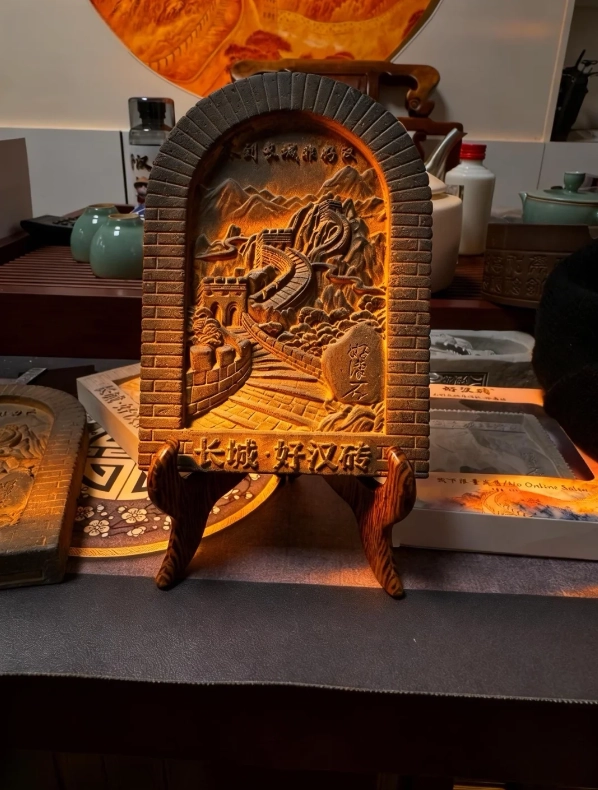
The "Badaling Special Street" Market Area
If you have more time and energy, venture past the main parking lots towards the commercial street area. It's a mix of larger souvenir shops, snack vendors, and even some small restaurants. The selection can be broader, and because it's slightly off the main tourist funnel, vendors can be more willing to negotiate on slower days. I found a vendor here with a much better assortment of traditional calligraphy sets than the ones near the exit.
Pro Location Tip: If you arrive by public bus (877, 919, etc.), you'll be dumped right into the thick of the stall zone. If you arrive by taxi or tour bus in a designated lot, you might have a shorter walk through the stalls. Either way, don't buy the first thing you see.
What to Buy: Top Souvenirs at Badaling (Ranked)
Not all souvenirs are created equal. Some are ubiquitous junk, while others can be genuine mementos. Here’s my personal ranking based on authenticity, portability, and value.
| Rank & Item | What to Look For | Typical Price Range (Before Bargain) | Best Place to Buy |
|---|---|---|---|
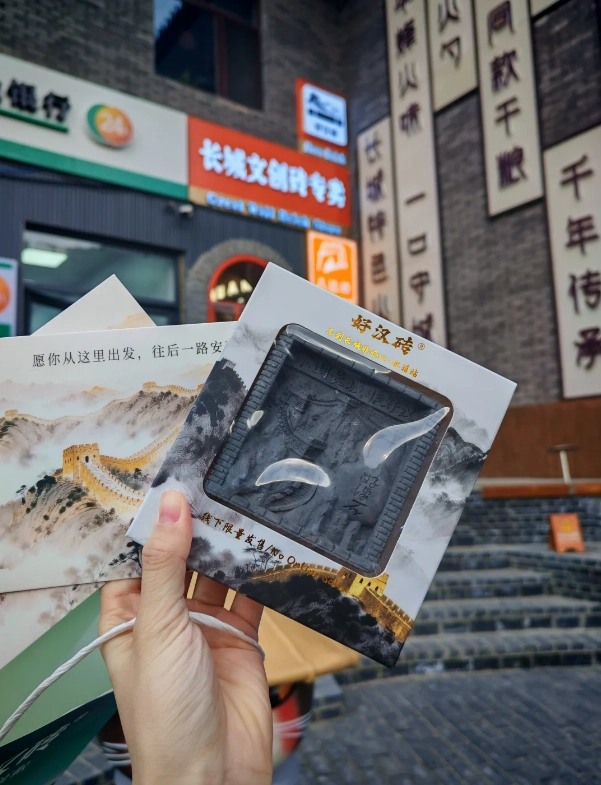
| 1. Cloisonné (Jingtai Lan) | Vases, bracelets, pendants. Check for smooth enamel, fine wirework, vibrant colors. Avoid pieces with blurred colors or rough edges. | ¥50 - ¥300+ | Official shops for quality; mid-path stalls for smaller pieces. |
| 2. Great Wall Commemorative Coins & Medals | Personally stamped with your name/date. Kitschy but fun. The machine near the north cable car is legit. | ¥20 - ¥50 | The official stamping machines on the wall itself. |
| 3. Silk Products | Scarves, ties, small tapestries. Feel the fabric—real silk is smooth and cool. Rub it; it shouldn't create static easily. | ¥40 - ¥150 | Official shops or larger market stores. |
| 4. Miniature Great Wall Replicas & Figurines | Stone or resin models. Check for detail and sturdiness. The ones with tiny "guard towers" are cute. | ¥30 - ¥100 | Any stall, but compare details. |
| 5. T-Shirts & Hats | Simple designs last longer. Check the stitching. The cotton quality is usually basic. | ¥25 - ¥60 | Stalls near the parking lot exit. |
I usually skip the "jade" pendants and cheap jewelry from the stalls. The quality is almost always poor, and it's impossible for a casual buyer to judge authenticity. A nice cloisonné bracelet or a stamped coin is a safer, more distinctive bet.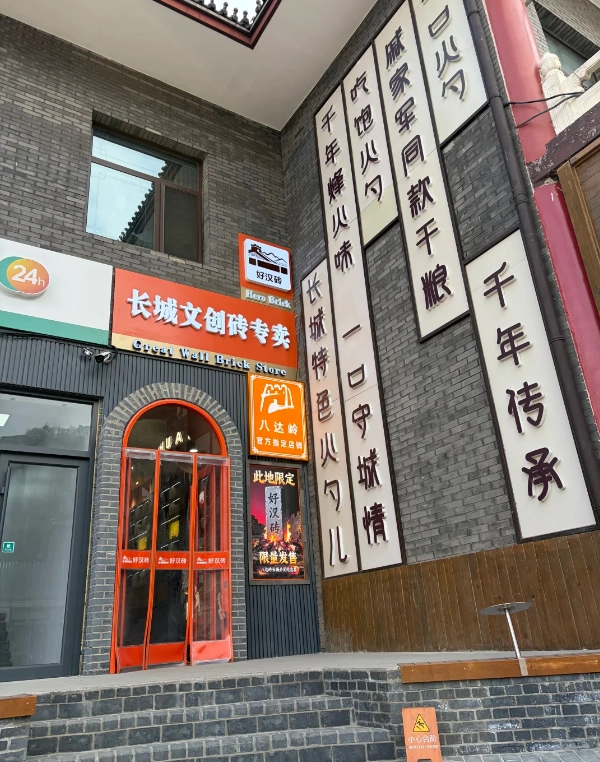
How to Bargain: A Realistic Strategy That Works
Bargaining is expected and part of the experience at the stall zones. It's not a fight; it's a conversation. Here's the method I've used successfully for years.
Step 1: The Casual Browse. Don't look too interested initially. Ask the price of an item neutrally. The vendor will quote a high tourist price. Let's say a cloisonné vase is quoted at ¥280.
Step 2: The Polite Counter. Smile and give a realistic counter-offer, usually between 30-50% of the asking price. "Oh, that's a bit high for me. How about ¥90?"
Step 3: The Dance. They'll act shocked. They'll come down to maybe ¥200. You slowly move up. "I can do ¥110." The key is to be ready to walk away. Say "Thank you" and start moving to the next stall. Nine times out of ten, they'll call you back.
Step 4: The Close. The final price will likely land between 40-60% of the original quote. For the ¥280 vase, ¥120-¥160 is a fair outcome. If you're buying multiple items, use that as leverage for a better total price.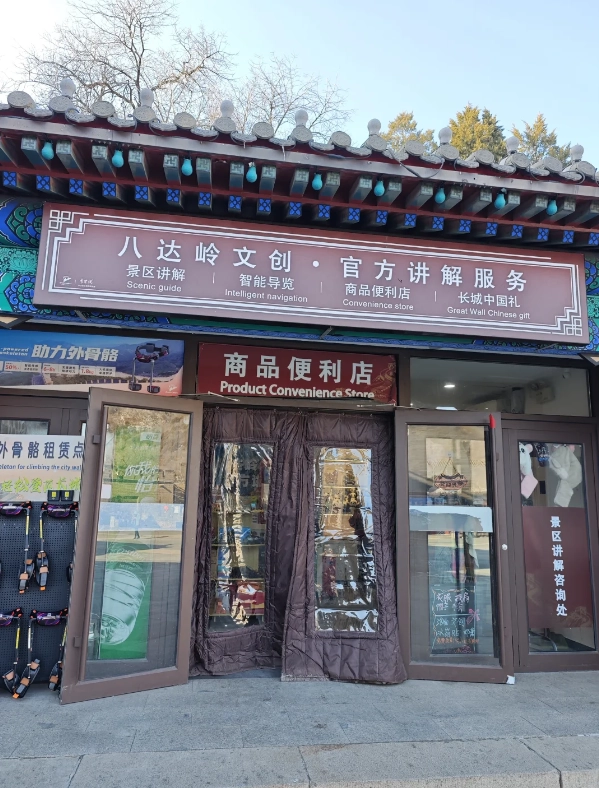
One Non-Consensus Tip: Everyone says to start at 10-20%. That's too low and marks you as an aggressive, inexperienced haggler. Starting at 30-50% is more respectful and sets a more realistic anchor for the negotiation. It works faster and leaves everyone in a better mood.
Common Pitfalls and How to Avoid Them
- Pitfall 1: Buying at the first stall after the exit. Exhaustion and excitement make you an easy target. Walk for at least five minutes first.
- Pitfall 2: Assuming "antiques" are real. Any "ancient" coin or artifact sold openly at a tourist stall is a reproduction. Enjoy it as a decorative item, not an investment.
- Pitfall 3: Not checking for damage. Inspect items closely, especially ceramics and cloisonné. Hold them up to the light. I once bought a small vase only to find a hairline crack at the bottom when I got home.
- Pitfall 4: Running out of small bills. After bargaining to ¥120, handing over a ¥500 note makes it awkward for change and can stall the deal. Break large bills at an official shop or snack vendor first.
My Personal Shopping Tips & Timing Advice
Time your shopping. If you shop on your way up to the wall, you have to carry everything. Shop on your way down, when you're tired anyway. Late afternoon, especially on weekdays, can be a better time to bargain. Vendors are packing up and may be more eager to make a final sale.
Carry a reusable tote bag. Those flimsy plastic bags they give you break if you have anything remotely heavy.
My most cherished item isn't the most expensive. It's a simple, well-made bronze bell with a Great Wall motif I bought years ago after a long, friendly negotiation with an older vendor. We talked about his hometown. The item has a story. Sometimes, that's the real souvenir.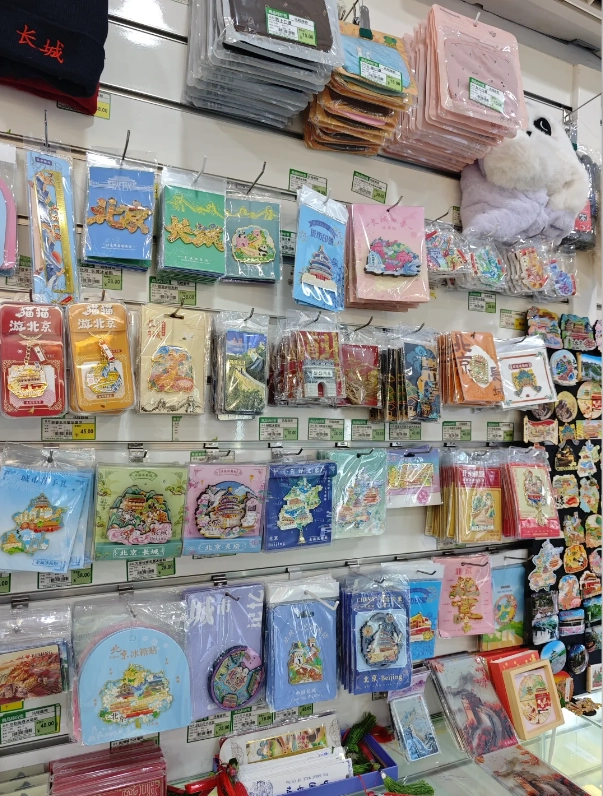
Your Badaling Shopping Questions Answered
 How do I know if a cloisonné piece is of decent quality?
This guide is based on multiple personal visits and observations. While prices and specific stall layouts can shift, the core strategies for navigating, evaluating, and purchasing remain constant. The goal is to enjoy the hunt as part of your Great Wall adventure and end up with a keepsake that brings back good memories, not buyer's remorse.






Got some decent bronze miniature soldiers and a silk pouch for my sister. The prices were okay, though I felt like the quality of the cotton caps wasn't great – they faded after one wash. The best part was the friendly old man selling handmade clay figurines near the beacon tower; his prices were very reasonable. If you have time, wander off the main path for unique finds.
A practical tip: bring small bills because many stalls don't have change for 100 yuan notes! I loved the selection of hand-embroidered patches – perfect for my travel backpack. Also grabbed a pack of Great Wall-themed postcards for only 15 yuan. The lady at the stall even offered to stamp them with a special Great Wall cancellation mark. Absolutely made my day!
Honestly, I was a bit disappointed. Most of the 'jade' and 'silk' items felt cheap and overpriced. I tried to haggle for a keychain and the seller wouldn't budge from 50 yuan – which I later saw at another stall for 20. The T-shirts were faded and the same designs you see everywhere. Only bought a postcard in the end. Not worth the hype.
Great selection of souvenirs, especially the miniature Great Wall models carved from stone. They look very detailed. My only gripe is that some vendors get a bit pushy if you linger too long. Still, I found a beautiful cloisonné bracelet for 80 yuan – a nice deal. Would suggest visiting the shops near the exit where it's less crowded.
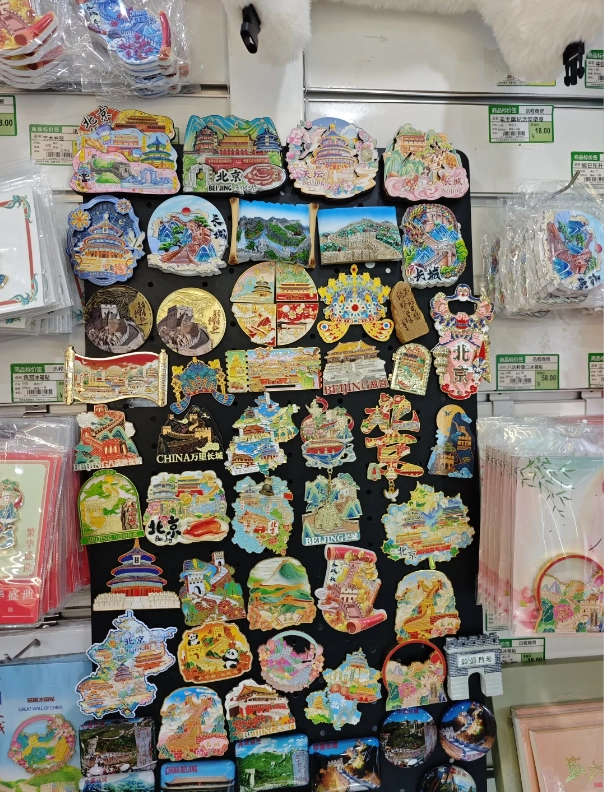
The souvenir stalls near the North Gate were surprisingly good! I bought a hand-painted paper fan and some cute fridge magnets – both were priced fairly and the vendor even threw in a free postcard. The quality of the silk scarves is also top-notch. Definitely worth bringing cash for small purchases; not all stalls take cards. Highly recommend stopping by after the hike!