 Ting Chen
Quick Navigation
I’ve been guiding tours through Lijiang for over eight years. And every single time I meet a new group, the first question is almost always the same: “When’s the best time to visit the Old Town?”
Here is the catch — most online guides tell you “spring or autumn” and call it a day. They don’t mention that summer booking rates can double, or that winter mornings are so quiet you can hear the cobblestones breathe. So let me break it down the way I do for my actual guests: with hotel price alerts, crowd radar, and weather tricks that actually matter.
The short answer: March to May and September to November are your sweet spots. But read on — because if you plan to come in July with only flip-flops, you’re in for a wet surprise.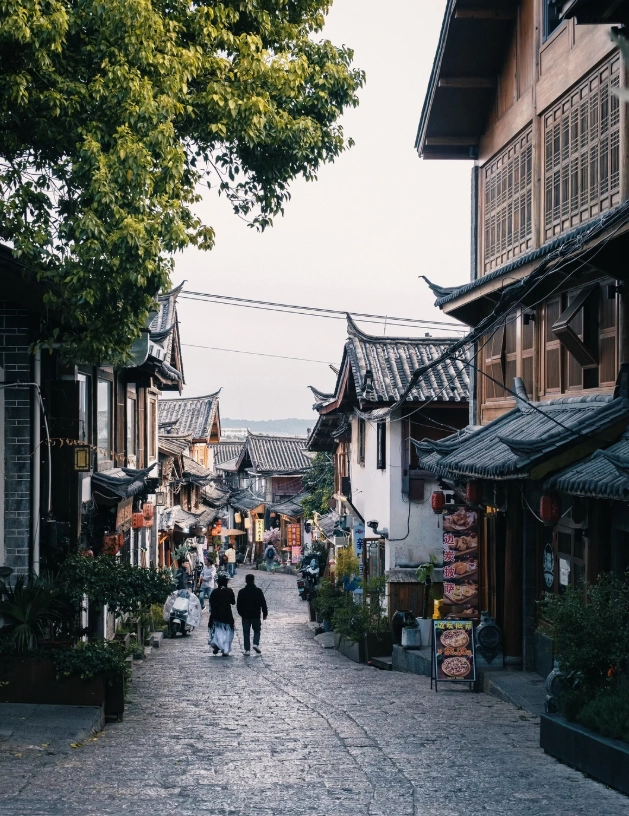
Why Timing Matters in Lijiang Old Town
Lijiang sits at about 2,400 meters (7,874 ft) elevation. That means the sun burns bright even when the air is cool. I’ve seen tourists with sunburns in April and others shivering in August after a sudden downpour. The Old Town’s narrow lanes can get claustrophobically packed — Sifang Street at noon in July is a wall of selfie sticks. On the flip side, a rainy Tuesday in January might mean you almost have the maze to yourself.
Your budget also takes a hit depending on timing. During Chinese national holidays (Golden Week in October, Labour Day in May, and Chinese New Year), hotel prices can triple. And for international travelers, navigating the WeChat mini-program booking system for popular spots like Mu Palace? That’s a headache even for locals. I always tell my guests: “If you can avoid July, August, and the first week of October, you’ll save money and enjoy the town at least twice as much.”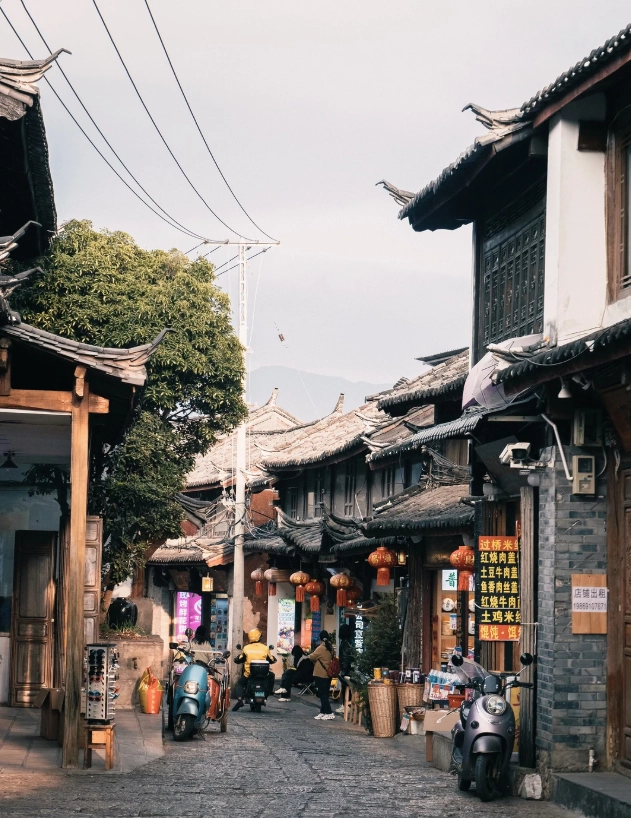
The Best Seasons: Spring and Autumn (March–May, September–November)
This is the goldilocks window. Spring brings blooming flowers around Black Dragon Pool (free entry before 8 a.m., by the way — I always sneak my early bird groups there). Temperatures hover between 10°C and 22°C — perfect for walking all day without sweating or freezing.
Autumn is even better. The rainy season has just ended (more on that below), the sky is a crisp blue, and the Jade Dragon Snow Mountain forms a postcard backdrop. September and October offer stable weather, though watch out for the first week of October — the entire country travels then. I once counted 15 tour groups at one corner of Wuyi Street. Not fun.
For photographers: aim for late October. The light hits the Naxi architecture at a low angle around 4 p.m., casting long shadows that make the old wooden buildings glow.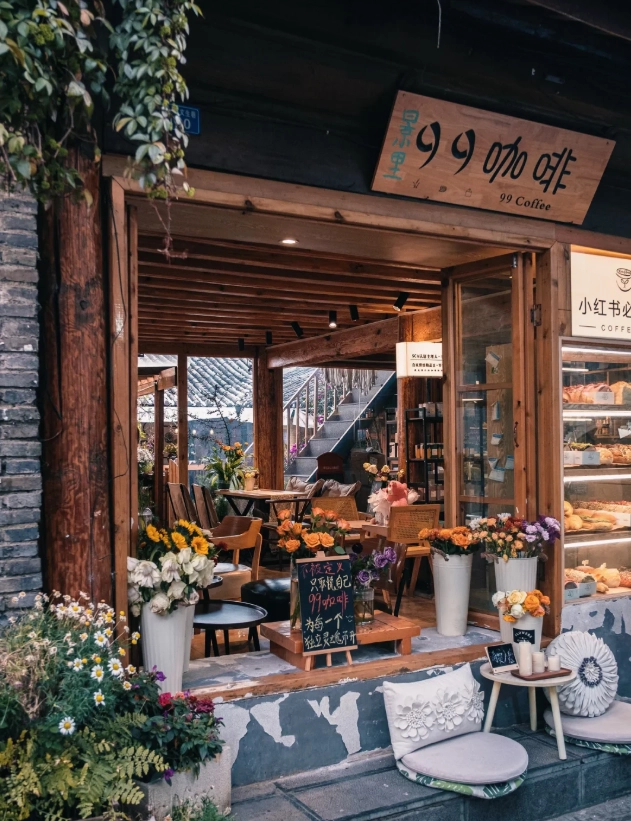
Summer (June–August): Rainy Season and Crowds
Let’s be blunt: summer is tough. June kicks off the monsoon, and July is the wettest month — think sudden afternoon downpours that turn stone alleys into slip hazards. The humidity can make the 25°C feel stuffy. And the crowds? Student groups, domestic tourists on summer break, and international backpackers all flood in.
If you must come in summer, at least do this: start your day at 6:30 a.m. The Old Town is nearly empty before 8 a.m. — I’ve walked through Sifang Square with only a few shopkeepers sweeping their doorsteps. Also, pack a compact umbrella and water-resistant shoes. Many cobblestones are loose; wet ones can twist an ankle. I’ve had guests limp back after a rainy stumble near the Waterwheel. No joke.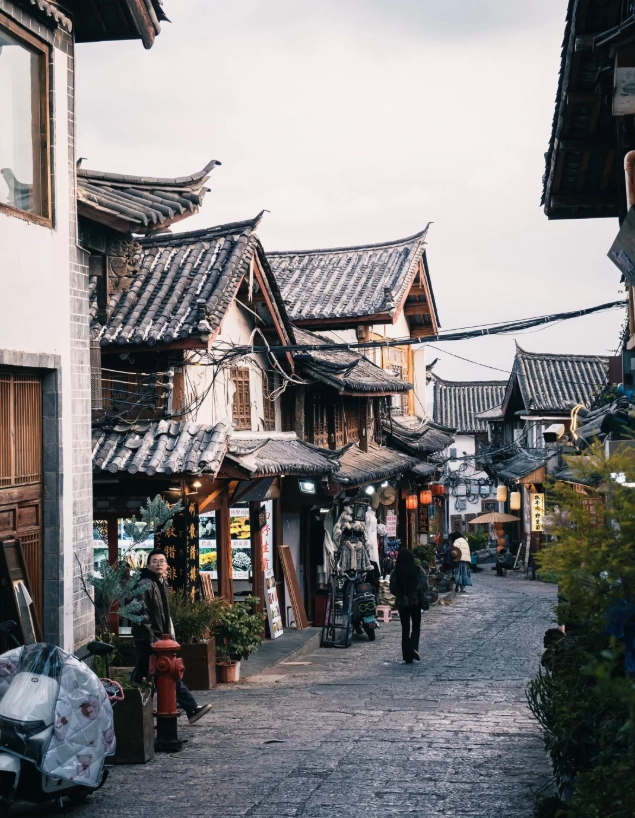
Winter (December–February): Quiet but Cold
Winter is the secret season for solitude lovers. Daytime temperatures hover around 8–15°C, but nights can dip to 0°C. The upside: hardly any tourists. I once had the entire Wangu Tower all to myself on a clear January morning. The downside: many small guesthouses turn off their central heating during the day to save costs — ask your hotel if they have heated floors or at least a space heater.
Another insider tip: the Jade Dragon Snow Mountain cable car often closes due to strong winter winds. If you plan to visit the glacier park in December, book a flexible ticket or have a backup plan (like the Baisha Murals instead).
And please, bring a down jacket. I’ve seen too many guests wearing only a hoodie and shivering at 2,400m. The wind tunnels through the old streets can bite.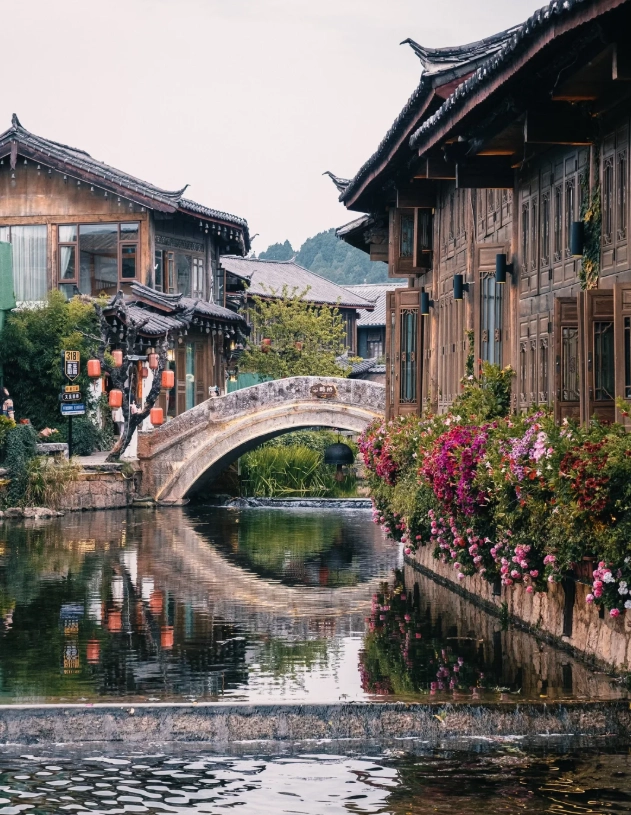
Monthly Breakdown Table
| Month | Avg Temp (High/Low °C) | Rainfall (mm) | Crowd Level | Hotel Price (Budget–Luxury USD) | Must-Know |
|---|---|---|---|---|---|
| Jan | 13 / 0 | 10 | Low | $25–$80 | Very cold at night; bring thermals. |
| Feb | 14 / 2 | 15 | Low | $30–$90 | Chinese New Year spikes crowds in late Feb – book early! |
| Mar | 17 / 5 | 20 | Medium | $35–$100 | Best for flowers; light jacket needed. |
| Apr | 21 / 9 | 25 | Medium–High | $40–$120 | Labour Day holiday first week – avoid. |
| May | 24 / 12 | 40 | High | $45–$130 | Still pleasant but getting crowded. |
| Jun | 25 / 15 | 120 | High | $50–$140 | Start of rainy season; pack waterproof shoes. |
| Jul | 24 / 16 | 180 | Very High | $55–$160 | Peak rain and crowds. Use early mornings. |
| Aug | 24 / 15 | 170 | Very High | $55–$160 | Same as July. Book accommodation months ahead. |
| Sep | 21 / 13 | 80 | Medium | $40–$120 | Rain eases; clear skies return. Ideal. |
| Oct | 18 / 10 | 40 | Medium–Very High | $45–$150 | Golden Week first week – tourist tsunami. Rest of month perfect. |
| Nov | 15 / 6 | 20 | Low–Medium | $30–$100 | Crisp and quiet. Great for photography. |
| Dec | 13 / 1 | 10 | Low | $25–$80 | Cold but serene. Snow mountain may close cable car. |
Best Time of Day to Explore
Most visitors wander into the Old Town around 10 a.m., banging right into the crowd wave. Here is my rule: early morning (6:30–8:30 a.m.) for photos and serenity, late afternoon (4–6 p.m.) for golden light, and after 8 p.m. for the bar street vibe (if that’s your thing).
I always take my groups to the Wangu Tower at dusk — the view over the tiled roofs is worth the 50 RMB entry fee (children under 1.2m free, but no online discount). The tower closes at 7 p.m. in winter and 8 p.m. in summer. Arrive 30 minutes before closing for the best lighting without the crowd.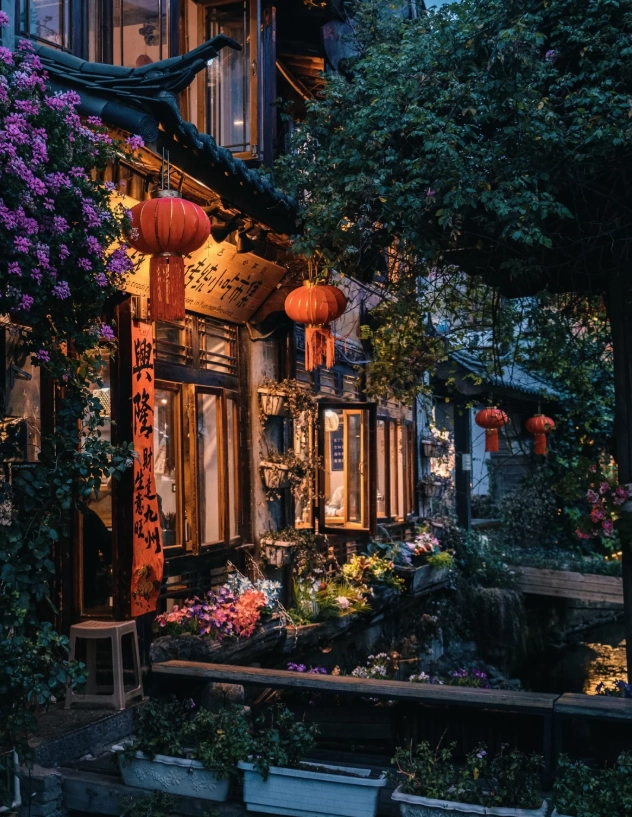
Pro tip from a guide: The ticket booth at Mu Palace (40 RMB) has a separate entrance for foreigners? No — you queue with everyone. But you can buy tickets on Trip.com (Klook alternative) and skip the line. I’ve saved my guests at least 20 minutes that way.
Tips for Avoiding Crowds
1. Side streets are your friend. Sifang Street is the main square, but alleys like Wuyi Street, Qiyi Street, and Wenming Lane have almost identical architecture and fewer people. I often lead my groups through a shortcut past the Ancient Music Association — hardly anyone goes there.
2. Avoid Chinese public holidays. Golden Week (Oct 1–7), Labour Day (May 1–3), and Chinese New Year (late Jan/Feb) turn the Old Town into a human river. Even the week before and after these dates can be busy.
3. Use the lesser-known entrances. Most tourists enter from the south gate (near the Waterwheel). Instead, get dropped at the east gate near Baishui Lane. Your taxi driver may resist — insist. It’s a 3-minute walk to the quieter part of town.
4. Check the weather radar. In summer, heavy rain usually falls between 2 and 5 p.m. Plan your indoor activity (like visiting the Dongba Culture Museum — free entry, open 9 a.m.–5 p.m.) during that window.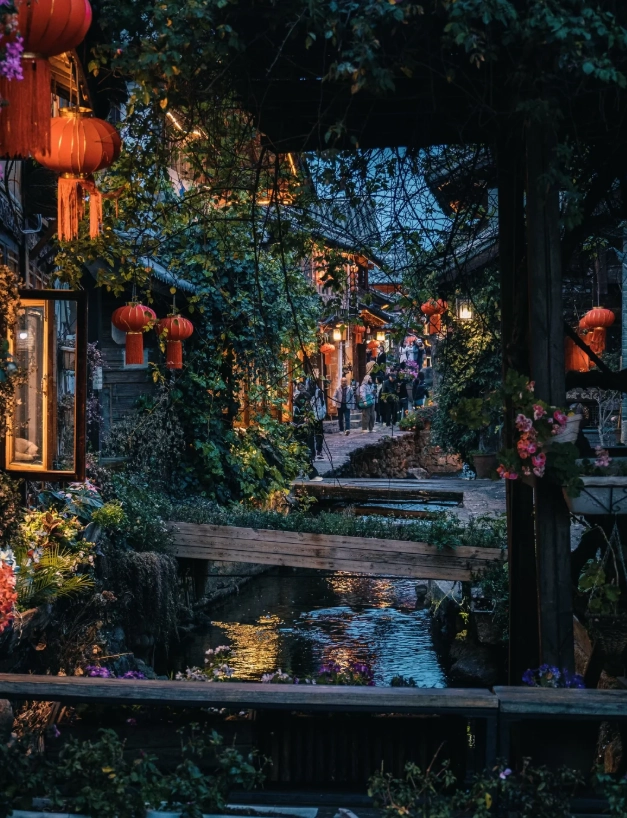
Frequently Asked Questions
Verified and fact-checked by the editorial team.





No comments yet.