 Lei Li
Quick Glance — What's Inside
Frustrating, right? You’re standing in Nanluoguxiang, surrounded by selfie sticks. Your photos look exactly like everyone else’s. I’ve been guiding photography tours here for 8 years, and I can tell you — most people miss the real magic. Let me change that.
Nanluoguxiang isn’t just a souvenir street. It’s a living hutong with layered textures, dramatic shadows, and architectural details that scream character — if you know where to look. In this guide, I’ll show you exactly where to stand, when to shoot, and how to dodge the midday chaos.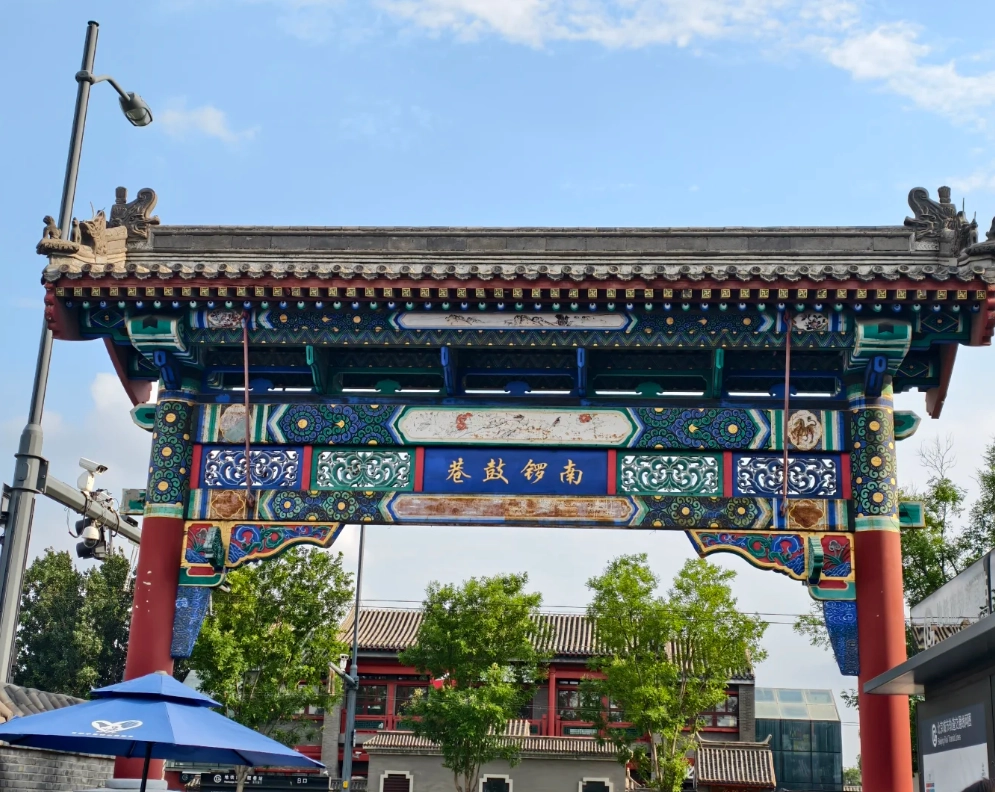
Why Most Tourists Get Average Photos Here (and How You Won’t)
Here’s the catch: everyone shoots from the main drag. You get rickshaws, trendy shops, and a sea of heads. But the best frames are tucked away in the side alleys (hutongs) that branch off the main street. Tourists rarely venture more than 50 meters into these alleys. That’s your secret weapon.
Another big mistake? Shooting at noon. The sun is directly overhead, creating harsh shadows and washing out the red walls. I always tell my clients to aim for early morning (6:30–8:00 AM) or late afternoon (4:30 PM to sunset). During those windows, the light rakes across the brick walls and wooden doors, giving you rich textures and warm tones.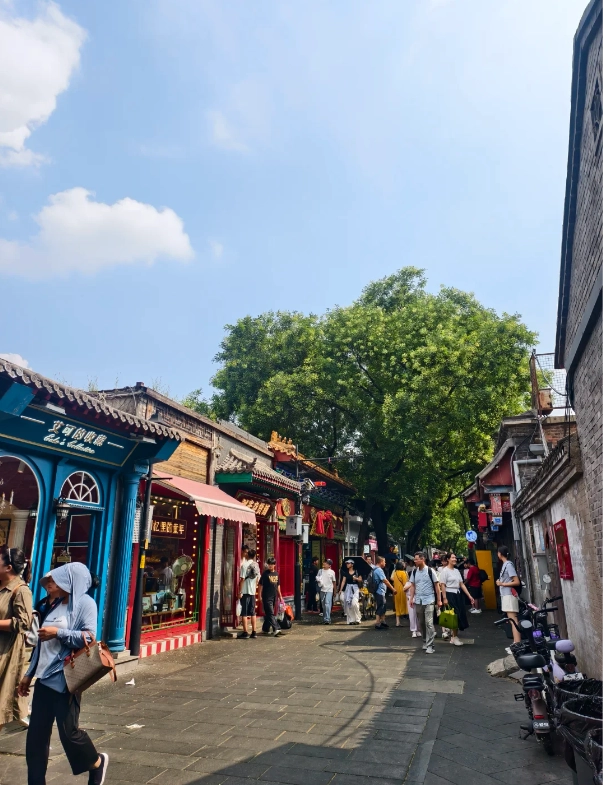
The 3 Best Photography Spots in Nanluoguxiang (Exact Locations)
I’ve mapped out three locations that consistently deliver stunning shots. Below is a quick reference table, then the detailed breakdown.
| Spot | Best Time | Crowd Level | Key Feature |
|---|---|---|---|
| North Entrance Arch | 6:30–8:00 AM | Low | Iconic arch with long shadows |
| “Green Vine” Courtyard (32 Mao’er Hutong) | Anytime before 10 AM | Very low | Overgrown vines on traditional courtyard door |
| Roof Terrace at “The Blend” Café | Sunset (golden hour) | Moderate (pay for drink) | Overlook of grey-tiled rooftops |
1. North Entrance Arch
Address: Northern end of Nanluoguxiang, near Gulou East Street. How to get there: Exit E of Nanluoguxiang subway station (Line 6 or 8). Walk north along the main street for about 8 minutes. You’ll see the arch at the junction with Gulou East Street. Best light: Early morning, when the sun comes from the east and casts long diagonal shadows across the street. The arch itself is backlit, so shoot from the south side looking north. Cost: Free. No ticket needed.
I’ve shot here dozens of times. The magic happens around 7 AM when a street sweeper passes by, stirring up dust that catches the light. Wait for it — it only lasts 30 seconds. Also, keep an eye out for the old man who walks his bird in a cage at 7:15 sharp. He’s a local legend and adds life to any frame.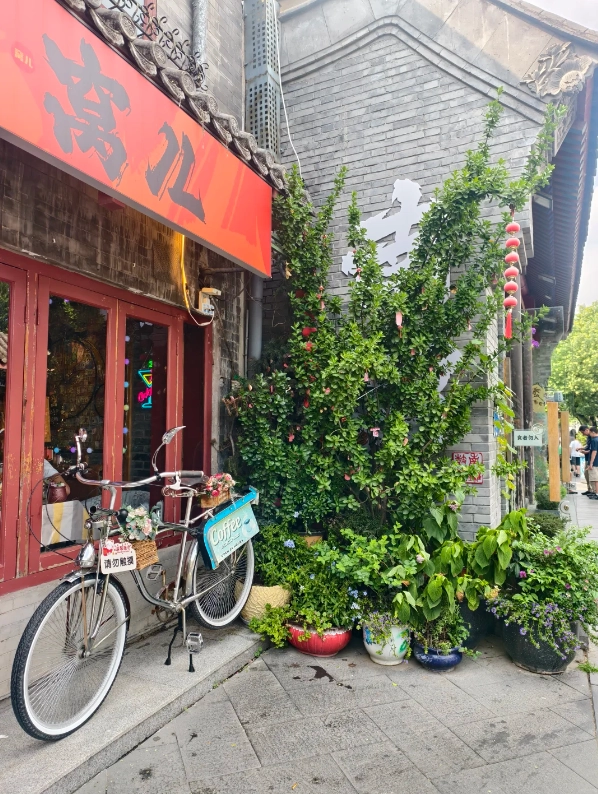
2. “Green Vine” Courtyard (32 Mao’er Hutong)
This is my personal favorite hidden spot. Address: 32 Mao’er Hutong — a small alley branching off Nanluoguxiang’s east side, about 200 meters from the south entrance. Look for a grey door half-covered in thick green vines. How to navigate: Walk south on the main street, turn right (west) into Mao’er Hutong (there’s a sign). Walk 50 meters; the door is on your left. Best time: 8:00–10:00 AM, when the vines are lit from the side. Crowds: Almost none. This is a residential courtyard, so be respectful and quiet. Cost: Free.
Here’s a detail no one tells you: the vines bloom with tiny orange flowers in early May. That’s when the door looks like a fairytale. In autumn, the leaves turn deep red. I always stop here even if my clients are in a hurry. The contrast of green (or red) against the grey brick is instant eye candy.
3. Roof Terrace at “The Blend” Café
Need an elevated view? The Blend Café has a semi-secret roof terrace. Address: 78 Nanluoguxiang, on the west side near the middle of the street. How to find: Look for a small sign “The Blend” above a narrow stairway. Climb up three floors (no elevator). Cost: You need to buy a drink (around 40–60 RMB) to access the terrace. Best time: Sunset (vary by season; typically 5:30 PM in winter, 7:30 PM in summer). Crowds: Busy on weekends; arrive 30 minutes before sunset to secure a spot.
From the terrace, you can see a sea of grey rooftops with the Drum Tower in the distance. Use a telephoto lens (70–200mm) to compress the view. I recommend shooting in aperture priority mode at f/8 for sharpness across the scene. And don’t forget to include a few foreground roof tiles to create depth.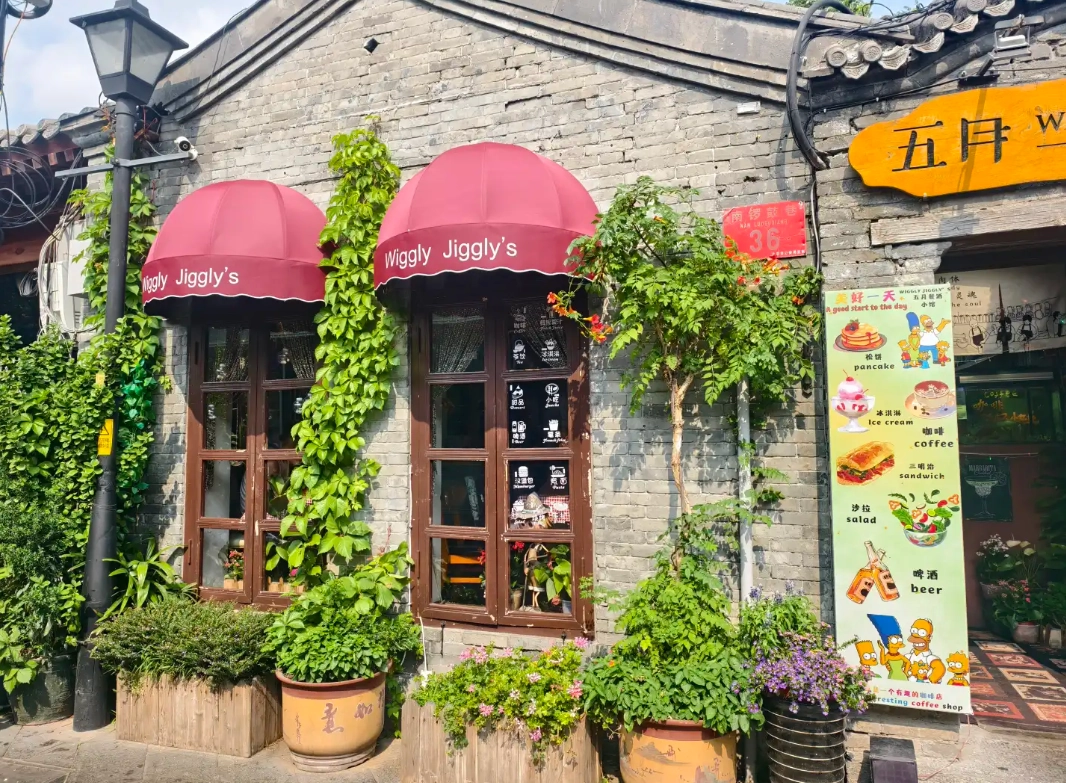
Golden Hours vs. Blue Hours: When to Shoot for Magical Light
I always split my photography sessions into two parts. The golden hour (just after sunrise and before sunset) gives warm tones and long shadows. It’s ideal for the arch and the vine courtyard. The blue hour (20–30 minutes after sunset) offers a cool, moody atmosphere with streetlights starting to glow. That’s when the roof terrace shines — the warm lights from hutongs below contrast with the deep blue sky.
Seasonal adjustments: In winter (Dec–Feb), the sun sets around 4:45 PM. If you’re only doing one session, pick the afternoon golden hour. In summer (Jun–Aug), the sun sets at 7:30 PM, giving you plenty of time to move between spots. I typically start at the vine courtyard at 5 PM, then head to the arch at 6:30 PM, and end at the café terrace at 7:15 PM.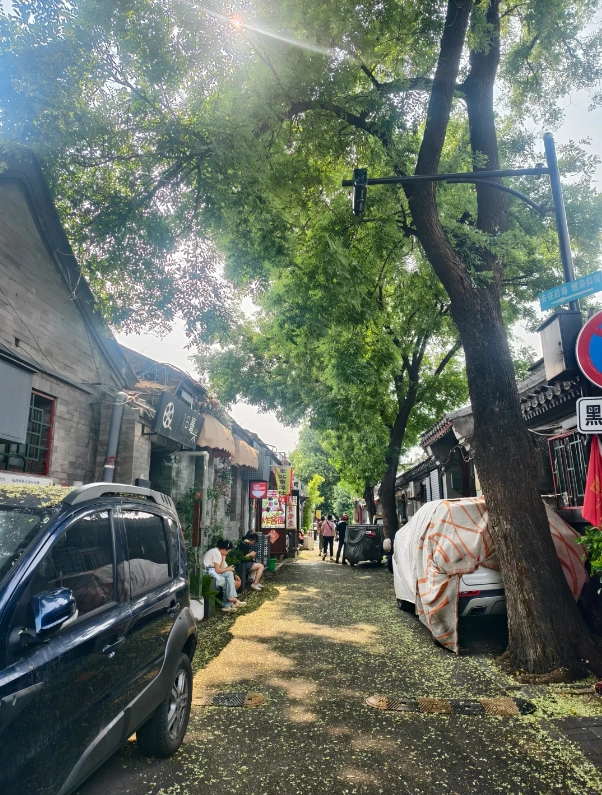
How to Navigate the Crowds Like a Pro
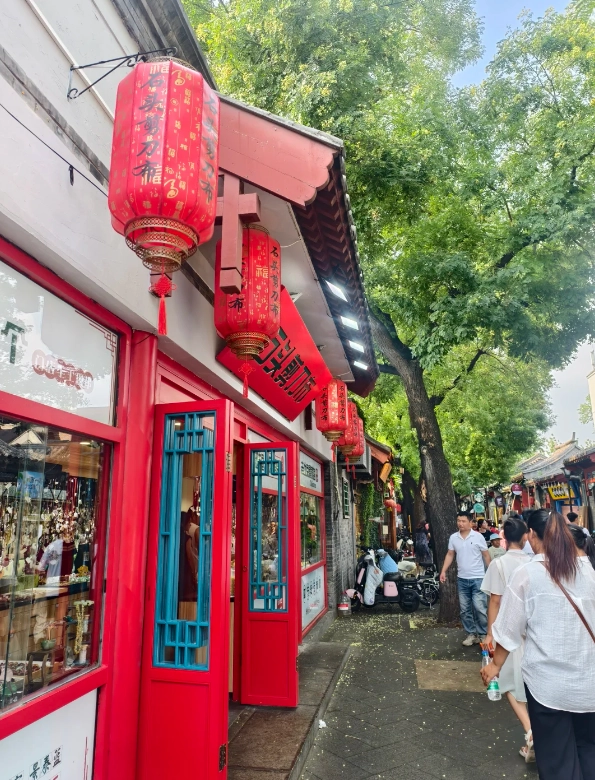
Nanluoguxiang sees 50,000+ visitors on holidays. Even regular weekends are packed from 10 AM to 8 PM. Here’s my escape strategy:
- Go deep into side hutongs. Mao’er Hutong, Banchang Hutong, and Dongmianan Hutong are within a 2-minute walk from the main street but have 90% fewer people. I always lead my groups into these alleys for candid shots of daily life — a grandmother hanging laundry, a cat lounging on a bicycle seat.
- Use the “back door”. The northern entrance (near Gulou East Street) is less crowded than the southern subway exit. In fact, when the south is choked with tour groups, I tell my clients to take a taxi to the north end and walk south. It’s counterintuitive, but it saves 20 minutes of weaving through bodies.
- Shoot on weekdays. Tuesday to Thursday are quietest. If you can only do weekends, aim for before 8 AM — the street is practically empty until 9:30.
Gear & Settings Recommendations for Hutong Photography
You don’t need a full kit to get great shots here. But a few choices will make your life easier:
- Lens: A wide-angle (16–35mm on full-frame) is perfect for capturing the narrow hutongs and arch. A fast prime (35mm f/1.8 or 50mm f/1.4) works for detail shots of doors and textures. If you have a telephoto (70–200mm), bring it for the roof terrace.
- Settings: In the hutongs, light can be tricky — bright sun in the main street, deep shade in alleys. I shoot in aperture priority at f/5.6 to f/8, with ISO auto capped at 1600. Spot metering helps when you’re shooting a lit subject against a dark background (like a doorway).
- Tripod? You can use one, but I rarely do. The streets are narrow and you’ll constantly be in someone’s way. If you’re serious about blue hour shots, bring a small travel tripod and use it on the café terrace. Expect to get bumped — locals are friendly but not careful.
- Filters: A polarizer can reduce reflections on shop windows and saturate the blue sky. It’s optional but helpful.
One piece of gear I always have: A lens cloth. Seriously. The dust from construction and old buildings is relentless. I wipe my glass every 10 minutes.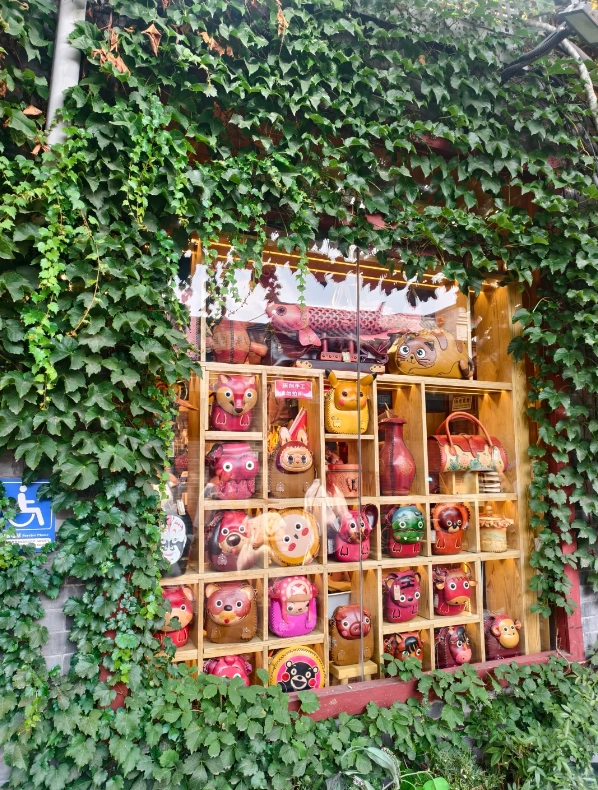
Practical Tips: Getting There, Costs, and Etiquette
Getting there: Subway is the best option. Take Line 6 or 8 to Nanluoguxiang Station. Use Exit E (the only exit with stairs). When you come up, you’re right at the south end. If you take a taxi, say “Nanluoguxiang bei kou” (北口) to be dropped at the north entrance. Ride-hailing apps like DiDi work well; the cost from central Beijing is about 30–50 RMB.
Costs: The street itself is free to walk. However, some spots like the café require purchase. There are no photography fees for personal use. If you’re doing professional/commercial shooting, you might need permission from the property management office (they rarely enforce it for small crews).
Etiquette: Many hutongs are residential. Respect people’s privacy — don’t point your camera into open courtyards or through windows. Greet locals with a nod or a smile. Asking for a portrait is fine, but learn to say “nǐ hǎo, kěyǐ pāi zhào ma?” (你好,可以拍照吗?). Most people wave yes.
Facilities: Public toilets are at the north and south ends of the main street. They’re free but basic — bring your own tissue and hand sanitizer. Also, the ground can be uneven; wear sturdy shoes. I’ve seen travelers trip over hidden steps while looking through their viewfinder.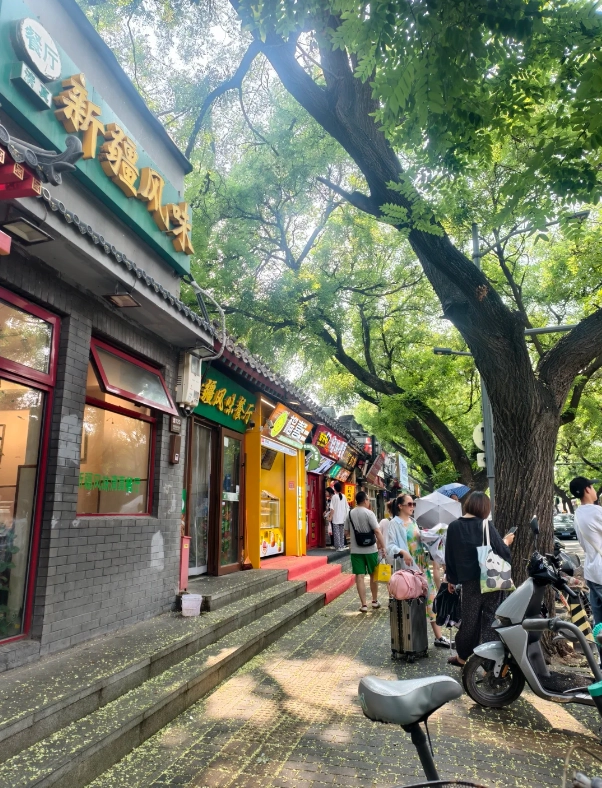
Where to Refuel: Cafés and Snacks Between Shots
After a few hours of shooting, you’ll need a break. Here are two spots I regularly use:
- “The Blend” Café (same as roof terrace) — besides the terrace, they have decent latte and cheesecake. Downstairs, the Wi-Fi is fast, and they accept international credit cards (Visa/Mastercard). Hours: 10 AM–10 PM.
- “Yuan Gu” Yogurt Shop (文宇奶酪店) — famous for traditional Beijing yogurt. Address: 49 Nanluoguxiang. It’s a tiny shop with no seating. The yogurt comes in a ceramic pot; it’s sweet, tangy, and refreshing. Cash or WeChat only. Expect a queue on weekends, but it moves fast (5–10 minutes).
I personally stop at The Blend for a flat white every afternoon. The barista there, Xiao Wang, let me charge my drone batteries once when I was running low. That kind of hospitality is common, but don’t assume — ask first.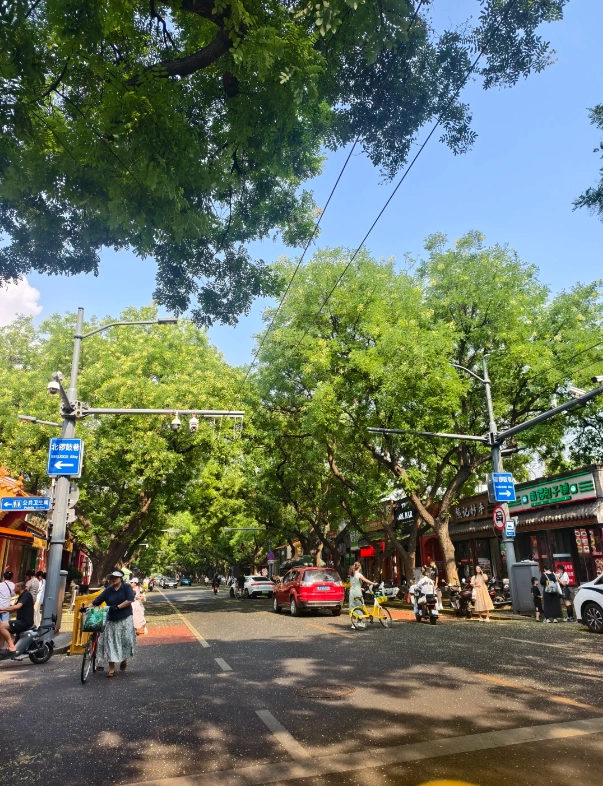





No comments yet.