 Hong Ma
Let's clear something up right away. If you think Shaanxi Yangrou Paomo is just another bowl of soup with bread on the side, you're missing the entire point. I've seen too many visitors walk into a restaurant, get handed two flatbreads, and look utterly confused. The magic—and the challenge—is in the preparation you do before the soup ever arrives. This isn't fast food; it's an edible meditation, a tactile experience that connects you directly to Xi'an's history as a Silk Road hub. The dish is a masterpiece of resourcefulness, transforming simple, shelf-stable ingredients—mutton, hard bread, and a few spices—into a rich, complex, and deeply satisfying feast. I've spent years navigating the back alleys and bustling food streets of Xi'an, from the tourist-packed Muslim Quarter to the local joints where old men spend an hour meticulously breaking their bread. This guide is about getting you past the initial confusion and into the genuine, soul-warming experience of a proper Yangrou Paomo.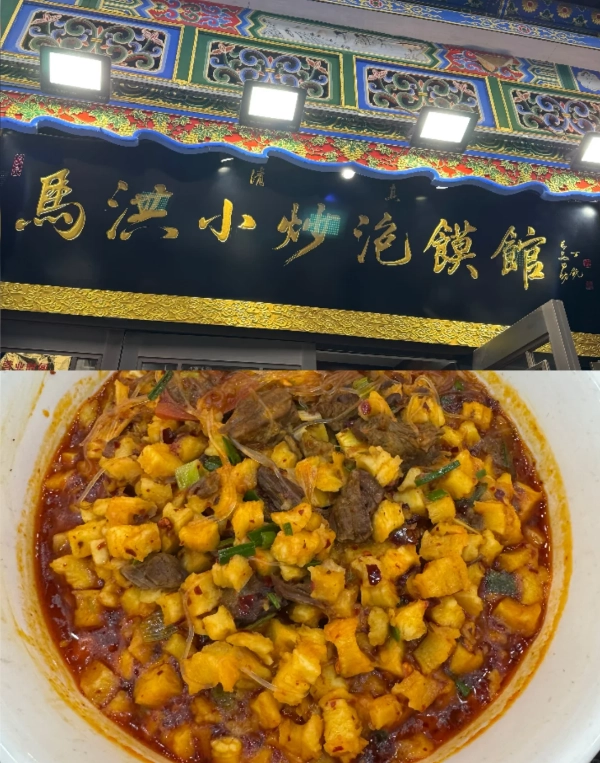
Your Quick Guide to Yangrou Paomo
What Makes This Soup So Special?
The foundation is deceptively simple. At its core, Yangrou Paomo is a mutton or lamb broth, pieces of stewed meat, and broken pieces of a specific, unleavened flatbread called "mo" (馍). But the simplicity ends there. The broth is the soul. A truly great broth simmers for over 12 hours, using mutton bones and a precise blend of spices like cumin, cardamom, and Sichuan peppercorns. The goal is a clear, intensely flavorful soup that's rich but not greasy. The meat is stewed until it's fall-apart tender. The mo bread is dense, chewy, and designed to be torn apart—it soaks up the broth without disintegrating into mush. When these elements come together in your bowl, the broken bread thickens the soup into a hearty, porridge-like consistency, each bite carrying the essence of the spices and meat.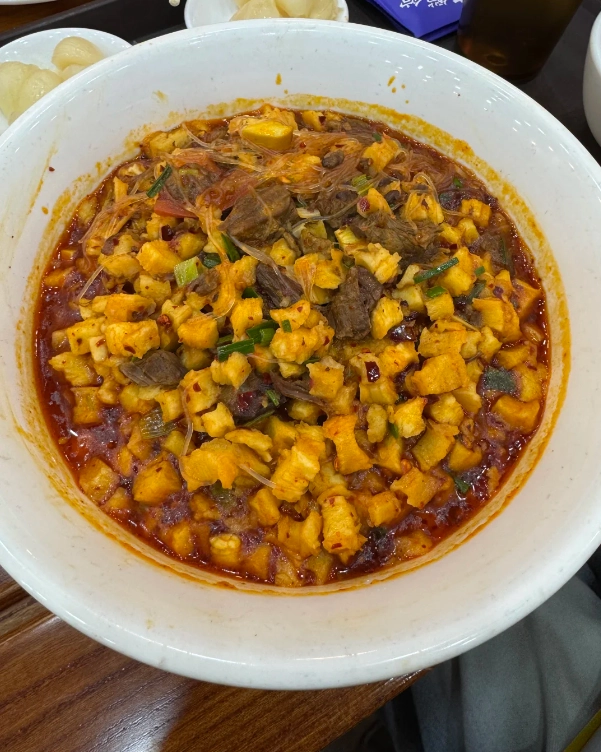
A Note on Atmosphere: The best Yangrou Paomo experiences are often noisy, communal, and unpretentious. Don't expect quiet, fine dining. Expect the clatter of bowls, the murmur of conversation, and the focused, almost zen-like activity of an entire room of people breaking bread. This is part of the charm. It's a social food, meant to be enjoyed slowly.
How to Eat Yangrou Paomo: The Step-by-Step Ritual
Here's where most guides gloss over the details. Getting this right is the difference between a good meal and a transcendent one. I've broken down the process based on countless observations and my own trial and error.
Step 1: The Art of Breaking the Bread
You'll be given one or two mo flatbreads per person. Your first job is to tear them into tiny pieces. I mean tiny—aim for pieces the size of a green pea or a little fingernail. This isn't a suggestion; it's a requirement. Larger pieces won't cook through properly in the broth, leaving you with a hard, doughy center that ruins the texture. Sit down, relax, and take your time. Rushing this step is the single biggest mistake newcomers make. I usually spend 15-20 minutes on this alone. It's therapeutic. Pro tip: hold the bread over your bowl or the provided plate to catch all the crumbs. Every last bit gets used.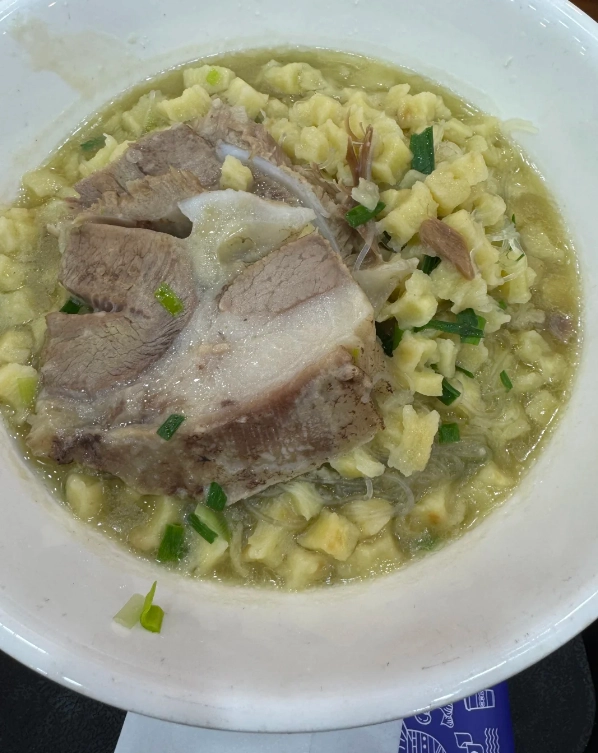
Step 2: Submitting Your Bowl
Once your bread is perfectly broken, a server will collect your bowl. They'll take it to the kitchen, where the cooks will weigh your bread (yes, sometimes they weigh it to gauge portions) and then ladle the piping-hot broth and meat over it. They'll return it to your table, and the magic begins.
Step 3: The Final Customization
Your bowl arrives, steaming and fragrant. Now, you customize. The condiment tray is your playground. The essentials are:
- Chili paste (辣酱): Not just for heat, it adds a fermented, savory depth.
- Sweet garlic (糖蒜): A game-changer. These pickled, sweet-and-sour garlic cloves cut through the richness perfectly. Don't skip them.
- Coriander (香菜): Freshness and a citrusy punch.
Start with a little of each, mix, taste, and add more as you like. The goal is balance, not overpowering the broth.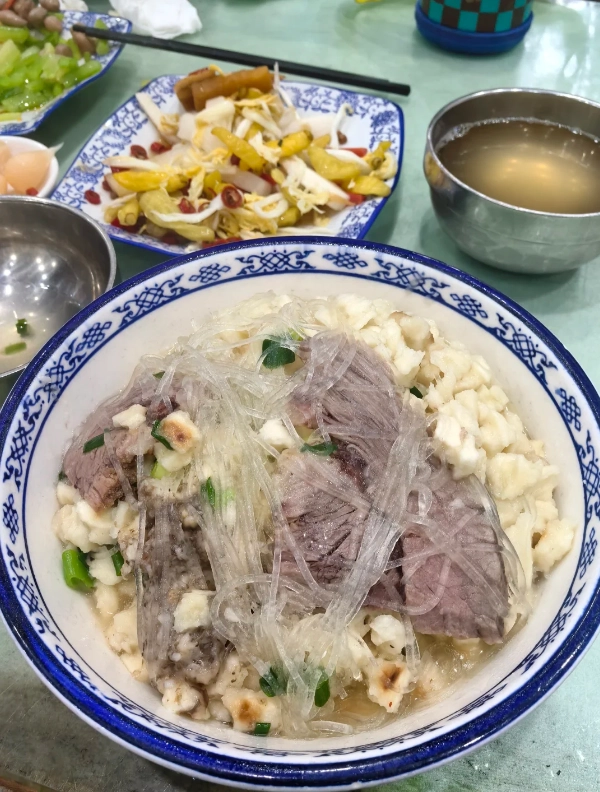
Where to Find the Best Yangrou Paomo in Xi'an
Not all Yangrou Paomo is created equal. Based on my visits, here are three standout restaurants that cater to different preferences. I've included specific details so you can plan your visit.
| Restaurant Name | Address & Vibe | What Makes It Special | Price Range (per bowl) | Opening Hours |
|---|---|---|---|---|
| Lao Sun Jia (老孙家) | Multiple locations, including one near the Bell Tower. More formal, historic setting. | The benchmark. Their broth is famously clear and robust, with a perfect spice balance. This is where you go for the "textbook" classic experience. The meat is consistently tender. | ¥40 - ¥60 | 10:30 AM - 9:30 PM |
| Tong Sheng Xiang (同盛祥) | Also multiple branches, often in central areas. A time-honored brand with a loyal local following. | Known for a slightly richer, more aromatic broth. Their mo bread is often praised for its perfect chew. The service is efficient, and the environment is clean and traditional. | ¥35 - ¥55 | 11:00 AM - 10:00 PM |
| Lao Mi Jia (老米家) | Deep in the Muslim Quarter (Beiyuanmen Street). Bustling, no-frills, authentic street food atmosphere. | For the adventurous eater. The broth here is often bolder, gamier, and more peppery. It's packed with locals, especially for lunch. Be prepared to wait for a seat and enjoy the chaotic energy. The flavor is intense and unforgettable. | ¥30 - ¥50 | 9:00 AM - 9:00 PM |
A personal note on Lao Mi Jia: I find their broth exceptional, but it can be too strong for some palates. If you're sensitive to mutton's distinct flavor, you might prefer the more refined versions at Lao Sun Jia first.
Common Mistakes First-Timers Make (And How to Avoid Them)
Watching people eat Yangrou Paomo for years has shown me patterns. Here’s what to avoid.
Mistake 1: Tearing the bread too big. I've said it before, but it's worth repeating. Pea-sized. No exceptions. Big chunks are disrespectful to the dish and ruin your meal.
Mistake 2: Adding condiments before the broth. Never put chili or coriander into your dry bread pile before it goes to the kitchen. It will burn and taste bitter. Always add them after the soup arrives.
Mistake 3: Ignoring the sugar garlic. This is the secret weapon. The sweet, tangy crunch perfectly offsets the savory, fatty soup. Try at least one piece.
Mistake 4: Eating it too fast. This is a slow food. Sip the broth, savor the textures. Rushing through it misses the point entirely.
Your Yangrou Paomo Questions, Answered
My hands get tired breaking the bread. Can I ask the restaurant to do it for me?
You can, but you shouldn't. Some places might offer a pre-broken version or even a machine-chopped one. This is considered a major shortcut that purists (and I) frown upon. Hand-breaking creates uneven, textured pieces with more surface area to soak up the broth, leading to a better final consistency. The machine-cut pieces are too uniform and often too compact. Embrace the process—it's part of paying your dues for the incredible flavor waiting for you.
I don't like mutton. Is there a beef version?
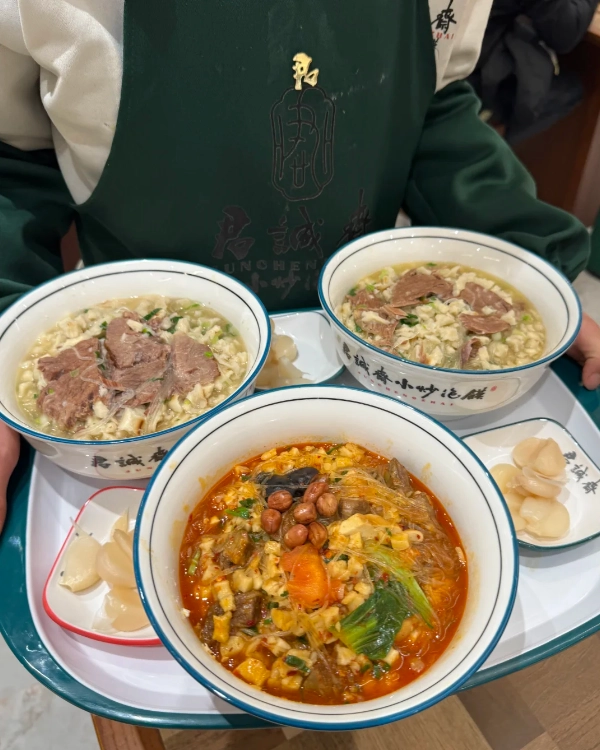
Absolutely. Look for signs that say "Niurou Paomo" (牛肉泡馍). Beef Paomo is very common and follows the exact same ritual. The broth is made from beef bones and has a slightly milder, sweeter flavor profile than mutton. Restaurants like Liu's Paomo are famous for their beef version. It's a fantastic alternative if the idea of mutton puts you off.
 How do I know if the broth at a restaurant is good quality?
Look at the color first. A high-quality broth should be a clear, light amber or pale brown, not cloudy or dark. Cloudiness can mean it hasn't been skimmed properly or uses lower-quality bones. Smell it. It should be deeply aromatic with spices, not overly gamey or greasy. Finally, taste it. After your bowl arrives, take a spoonful of just the broth before adding condiments. It should be flavorful, rich, and have a lingering warmth from the spices, not just be salty hot water.
What's the proper way to eat it with the accompaniments?
Don't just dump everything in. Take a bite of the soup and bread, then take a small bite of the sweet garlic. Eat them separately, letting the flavors contrast in your mouth. Alternate sips of broth with bites of the meat and bread. The chili paste should be mixed in gradually to find your preferred heat level. Think of it as composing each bite rather than creating a homogeneous mixture.
 Shaanxi Yangrou Paomo is more than a dish; it's a passport to understanding Xi'an's culinary heart. It demands participation, patience, and a bit of messy hands. But the reward—a steaming, fragrant, soul-satisfying bowl that you had a literal hand in creating—is unmatched. Skip the instant-noodle version of travel food. Find a bustling restaurant, take a seat, and start breaking. The real Xi'an is waiting in that bowl.
This guide is based on extensive firsthand experience and observations in Xi'an. Details such as prices and hours are subject to change; it's always wise to check locally before your visit.





Came in on a rainy evening hoping for some comfort food, but the service was so slow I nearly walked out. The mutton was a bit chewy and the soup lacked that punch of garlic and cumin I was craving. Maybe it was an off day, but for 28 RMB I expected better.
I’ve had羊肉泡馍 in several spots around Xi’an, but this one really nailed the balance between salty and savory. The staff was friendly and even showed me how to break the bread properly. Felt like a local for a moment. Will definitely come back next time I’m in town.
Great value for money! A huge bowl for under 30 RMB and it kept me full for the whole day. The mutton was tender and the broth had that deep, slow-cooked flavor. Only downside is the queue can be long during lunch, but hey, it’s Xi’an—you gotta wait for good stuff.
Honestly, the soup was decent but the place was packed and super noisy. We sat near the kitchen and could hear everything being slammed around. Felt rushed to finish even though the food itself was warm and comforting. For the hype, I expected a bit more cleanliness too.
Hands down the best羊肉泡馍 I’ve ever had. The broth was so rich and aromatic, and tearing the bread into tiny pieces yourself makes it feel like a ritual. They even gave me extra chili oil when I asked. Totally worth the 20-minute wait—my taste buds are still dancing.