 Lei Li
Quick Navigation
I've been leading photo tours in Beihai Park for eight years. And honestly? Most visitors walk away with the same boring shot — the White Pagoda from the south gate. But the real magic? It's not at noon. It's at 6:30 AM when the park gates barely open and the mist still clings to the lake. Or at 4 PM when the sun casts a warm glow behind the Nine-Dragon Screen.
Here's the catch: the park is packed from 10 AM to 3 PM. And if you follow the standard route, you'll be fighting for space with hundreds of tourists. But I'm going to share the exact spots and timings I use with my private clients — the ones that yield photos you can't buy at a souvenir shop.
Why Most Tourists Miss the Best Shots (and How You Won't)
Let me paint you a typical scene: A tourist arrives at Beihai Park at 11 AM, buys a ticket, walks straight to the White Pagoda via the south gate, snaps a few photos with 50 other people in the frame, then leaves. That's what 90% of visitors do. No wonder their photos look like everyone else's.
The problem? They ignore the side paths, the early morning light, and the less obvious angles. They also don't realize that the best reflection shots require still water — which only happens before the boat traffic starts. I always tell my clients: 'Come at sunrise, and you'll have the park almost to yourself. Come at noon, and you'll be miserable.'
The 6 Must-Visit Photography Spots in Beihai Park
I've ranked these based on uniqueness, light quality, and crowd avoidance. Each spot has a specific ideal time — ignore at your own risk.
1. Qiongdao Spring Yin – The Classic Reflection
This is the iconic spot you've seen on postcards, but most people get it wrong. They shoot it from the main bridge with the pagoda centered. Instead, I recommend positioning yourself on the small stone path on the east side of the island, aiming west. This gives you the pagoda reflected in calm water with willow branches framing the top.
Best time: 7:00-7:30 AM. After 8 AM, the water gets choppy from boats.
Tip: Use a polarizer filter to cut glare and deepen the reflection. I always carry a circular polarizer for this exact shot.
2. The White Pagoda from the South Gate Bridge
Yes, it's a classic, but there's a trick. Stand on the bridge's left side (facing north) and use the bridge's stone railing as a leading line. Crouch low to include the reflection in the water. Avoid the center of the bridge — that's where the crowd photos happen.
Best time: 6:45-7:15 AM. The morning light hits the pagoda's front directly.
Crowd hack: If it's already busy, use a long exposure (2-3 seconds on a tripod) to blur moving tourists while keeping the pagoda sharp. Works like magic.
3. Nine-Dragon Screen – Detailed Close-Ups
This is a masterpiece of glazed tiles. Most people shoot a wide angle of the entire wall. Instead, I focus on individual dragon heads or the vivid colors. A 70-200mm lens is perfect here. Stand about 5 meters back and zoom into the details.
Best time: 9:00-10:00 AM. The morning sun illuminates the eastern side of the wall, making the colors pop.
Note: The wall faces east, so afternoon light is blocked by buildings. Don't waste your time after 2 PM.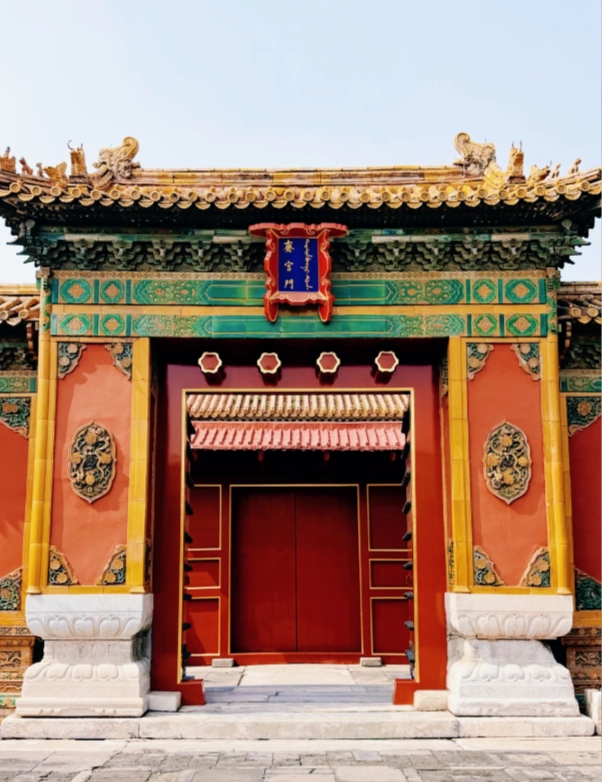
4. The Round City – Elevated Perspectives
Most photographers skip the Round City, but that's a mistake. This elevated platform offers a unique view over the park's rooftop and towards the pagoda. Climb to the top of the Chengguang Hall and shoot through the ancient cypress branches. You'll get a layered photo with depth.
Best time: 10:30-11:30 AM (light from above illuminates the courtyard).
Warning: The Round City has a separate ticket (1 RMB additional), but it's totally worth it. And it's usually less crowded than the main island.
5. The East Shore Willow Path – Golden Hour Portraits
This is my go-to spot for portrait sessions. The willow trees droop over the path, creating a natural frame. At sunset, the golden light filters through the leaves. Position your subject about 10 meters down the path from the north end.
Best time: 4:30-5:30 PM (in summer) / 3:30-4:30 PM (winter). The sun sets behind the pagoda, making for a stunning backlight.
Gear tip: A 50mm f/1.8 lens is ideal for creamy bokeh with the pagoda in the background. I use it for nearly all my portrait shots here.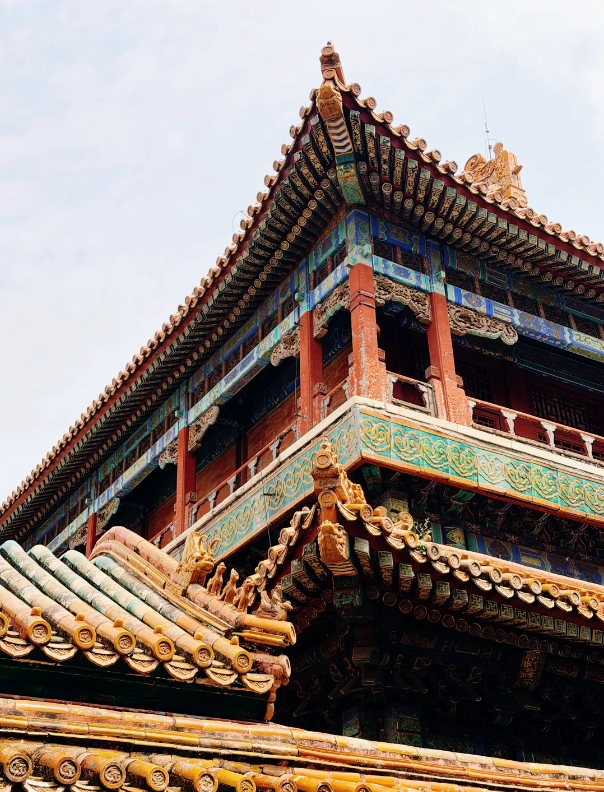
6. The North Gate Exit – Sunset over the Lake
As the park is about to close (around 8 PM in summer), the north gate area glows. The light reflects off the lake with the modern Beijing skyline in the background — a nice contrast to the ancient pagoda. Use a wide-angle lens (16-35mm) to capture the expanse.
Best time: 6:30-7:30 PM (golden hour before sunset).
Pro tip: Arrive at the north gate 30 minutes before sunset and walk along the lake edge. The best composition is with the pagoda on the left and the setting sun on the right.
| Spot | Ideal Time | Lens Recommendation | Crowd Level |
|---|---|---|---|
| Qiongdao Spring Yin | 7:00-7:30 AM | 16-35mm + polarizer | Low |
| South Gate Bridge | 6:45-7:15 AM | 24-70mm | Medium (early low) |
| Nine-Dragon Screen | 9:00-10:00 AM | 70-200mm | Medium |
| Round City | 10:30-11:30 AM | 24-70mm | Low |
| East Shore Willow Path | 4:30-5:30 PM | 50mm f/1.8 | Medium |
| North Gate Exit | 6:30-7:30 PM | 16-35mm | High (but worth it) |
Practical Tips for Photographers (Timing, Gear, Permits)
Best Time of Day for Each Spot
From the table above, you can see the theme: mornings are king. If you only have one day, prioritize spots 1 and 2 (sunrise) and 5 and 6 (sunset). Skip the midday — the light is harsh and the crowds are thick.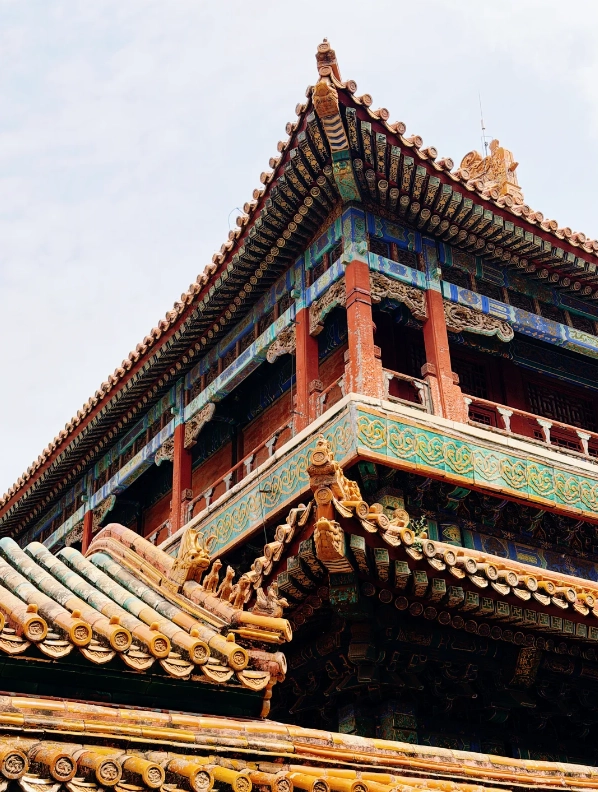
Tripod Rules and Permit Requirements
Tripods are allowed in Beihai Park, but there's a catch: you cannot use them on the main bridges or in high-traffic areas during peak hours (9 AM-5 PM). The park staff will ask you to move. I always use a small tabletop tripod or a monopod instead — less likely to attract attention. For professional shoots (commercial or portraiture with multiple outfit changes), you need a permit from the park administration office. It costs around 500 RMB for a day. But for regular photography, no permit is needed.
Weather Considerations: Haze vs. Clear Days
Beijing's air can be unpredictable. Clear days after rain are ideal — the sky is blue and the air is crisp. If it's hazy, skip the wide landscapes and focus on close-ups of the glazed tiles or the Nine-Dragon Screen. A UV filter helps reduce haze in post-processing. Also, winter has the lowest haze levels, but the park closes earlier (around 5 PM), so plan accordingly.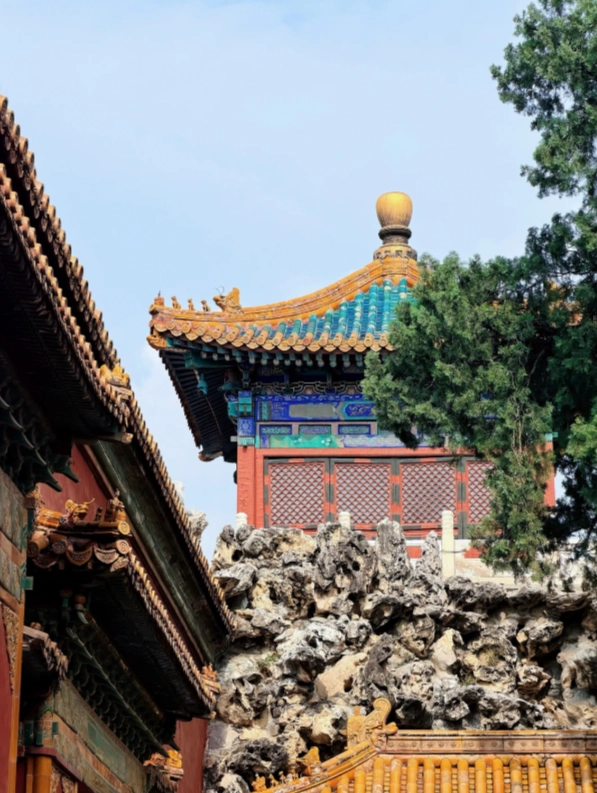
How to Avoid Crowds: My Insider Route
Standard tour buses arrive at 9 AM from the south gate. Here's how to beat them:
- 6:20 AM: Arrive at the south gate. Enter immediately. Walk directly to Qiongdao Spring Yin (spot 1). You'll have 45 minutes of near solitude.
- 7:15 AM: Move to the South Gate Bridge (spot 2). By now a few locals are around, but still manageable.
- 8:00 AM: Head to the Round City (spot 4). It's the least crowded spot and opens at 8:30 AM. Kill time by exploring the nearby paths.
- 9:00 AM: Hit the Nine-Dragon Screen (spot 3). The tour groups arrive around 9:30, so you'll have a 30-minute window.
- 10:00 AM onwards: The park gets packed. This is your time to explore the East Shore Willow Path (spot 5) — it's less crowded in the morning than afternoon — or grab a coffee at the lakeside teahouse.
- 4:00 PM: Return to the East Shore Willow Path for portraits.
- 6:00 PM: Move to the North Gate Exit for sunset.
This route also lets you use the sun to your advantage: morning light from the east, afternoon light from the west. Perfect.
Getting There and Essential Info
Address and Transportation
Address: No. 1 Wenjin Street, Xicheng District, Beijing.
Metro: Line 6, Beihai North Station, Exit B. Walk south for 5 minutes to the north gate. Alternatively, Line 4, Xisi Station, Exit D, walk east for 10 minutes to the south gate.
Bus: Routes 13, 42, 107, 111, 118, 701, 823 get off at Beihai North Gate. Routes 5, 101, 103, 109, 124, 609 get off at Beihai South Gate.
Taxi: I always tell my clients to tell the driver "Beihai Gongyuan Nanmen" for the south gate. Fare from Forbidden City is about 15 RMB.
Ticket Prices and Reservation
Peak season (Apr 1 - Oct 31): 10 RMB (park only), 20 RMB (combined ticket including the White Pagoda and Round City).
Off-peak (Nov 1 - Mar 31): 5 RMB (park only), 15 RMB (combined).
Discounts: Half price for children 6-18 years old and seniors 60-69. Free for children under 6 and seniors over 70. Foreign seniors must show passport.
Reservation: You can buy tickets on-site at the ticket windows (cash or Alipay/WeChat Pay). International credit cards are rarely accepted — bring cash in RMB or set up Alipay on your phone. No online reservation needed for standard entry, but during holidays (e.g., Chinese New Year, National Day) the park may limit capacity. In that case, use the WeChat mini-program "畅游公园" (you need a Chinese friend to help).
Facilities for Photographers
There are public restrooms near each major entrance, but the ones at the south gate are notoriously crowded. I always use the restroom at the metro station before entering. Baggage storage? Not officially available. But you can ask at the visitor center inside the south gate — sometimes they'll hold your bag for a small fee (10 RMB). Wi-Fi is available in the main areas but slow. Bring your own hotspot.





No comments yet.