 Bo Wu
Bo Wu
You've hiked the stunning glass walkway, marveled at the waterfall, and taken a million photos. Now, as you head back towards the exit, you pass by rows of little stalls and shops. Your hands are empty, and a thought pops up: what should I buy at Shilinxia to remember this trip? But where do you even start? The options can feel overwhelming—cheap trinkets mixed with genuinely interesting local stuff. After more visits than I can count, I've figured out what's worth your money and what's best left on the shelf. This isn't just a list of items; it's a breakdown of the shopping scene from someone who's been there, haggled there, and carried the purchases home.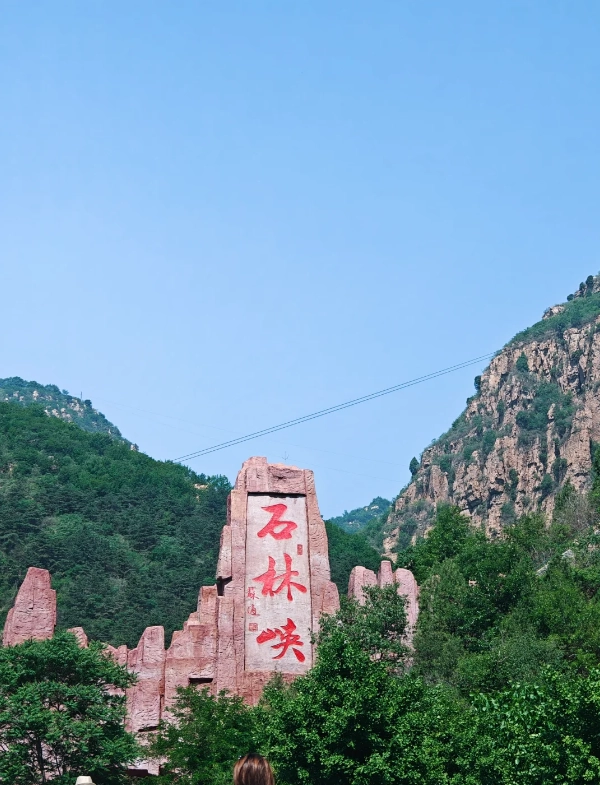
Quick Navigation
Why Shopping at Shilinxia is Different
Let's be clear upfront. Shilinxia isn't a massive commercial hub like some ancient towns. You won't find endless streets of identical shops. The shopping here is smaller-scale, tied directly to its location in Pinggu District, Beijing. Pinggu is famous for two things: its incredible peach blossoms in spring and, more relevantly for shoppers, its fruit production. This agricultural backbone influences what you'll find for sale. The souvenirs often reflect the natural stone landscape of the gorge itself. So, expect a mix of fruit-based products and stone or jade crafts, rather than generic keychains you see everywhere else. The vibe is more "local specialty stall" than "souvenir superstore."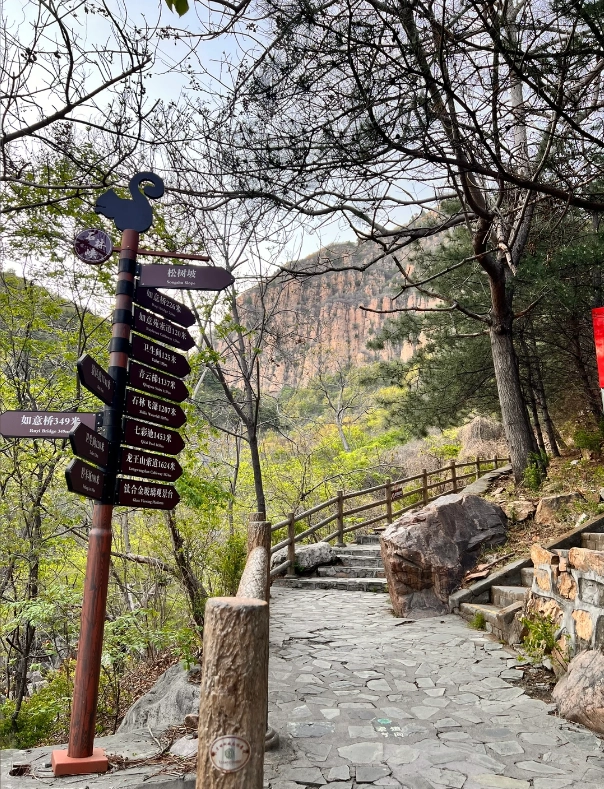
Top Souvenirs and Local Products to Buy
Based on what's actually unique and what locals from Beijing might pick up themselves, here’s what to look for.
Handcrafted Stone and Jade Carvings
Given the "Stone Forest Gorge" name, it's fitting. You'll find small carvings made from local stones or imported jade. Look for miniature versions of the scenic area's landmarks, like the glass platform (UFO) or the waterfall. They are compact and have a direct connection to the place. I picked up a small, smooth stone paperweight carved into a mountain shape. It wasn't expensive, but it feels substantial and reminds me of the hike every time I see it on my desk. Avoid the ultra-glossy, perfectly identical items—those are likely mass-produced elsewhere.
Local Dried Fruits and Mountain Nuts
This is where Pinggu's agricultural reputation shines. The quality here can be superb.
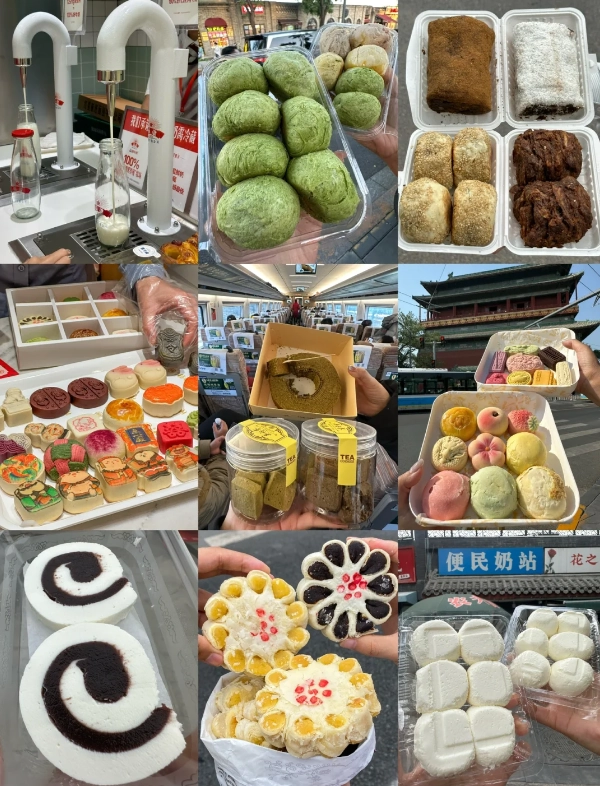
- Dried Peaches and Peach Crisps: Pinggu peaches are legendary. Out of season, the dried versions are a sweet, chewy treat. The peach crisps (freeze-dried) are lighter and have an intense peach flavor. I always buy a few bags for friends.
- Hawthorn Rolls (Shanzha Juan): A classic Beijing-area snack. Tart hawthorn fruit is pressed into a sheet, rolled up, and coated in sugar. It's tangy, sweet, and great for digestion after a big meal. The ones sold in simple, clear plastic packaging often taste more authentic than the fancy boxes.
- Walnuts and Chestnuts: Sold in small bags. They're usually fresh from the recent harvest if you visit in autumn or winter. Perfect for a healthy snack on the go.
Specialty Food Items and Condiments
Beyond snacks, there are condiments that capture local flavors.
- Hawthorn Sauce (Shanzha Jiang): Think of it as a Chinese cranberry sauce. It's fantastic with roasted meats or as a pancake topping. I've found the jars sold near the exit gate to be reasonably priced and not overly sweet.
- Wild Honey: Vendors claim it's from bees foraging in the mountain flowers around Shilinxia. The honey is often sold in simple plastic bottles. It has a darker color and a richer, more complex flavor than supermarket honey. Ask for a tiny taste on a stick—most vendors will oblige.
Cultural and Folk Art Items
Less common, but you might stumble upon them in the shops near the main square.
- Paper-cuttings (Jianzhi): Featuring designs of the scenic area or traditional Chinese symbols like the character "Fu" (fortune). They are delicate, lightweight, and make beautiful, flat souvenirs.
- Traditional Chinese Clothing Accessories: I've seen hairpins with stone or jade decorations that are actually quite elegant, not the gaudy costume jewelry you might expect.
A word on "I Climbed Shilinxia" T-shirts: You'll see them. They are the definition of a tourist souvenir. The quality is usually mediocre, and the designs haven't changed in years. I don't recommend them unless you specifically collect such shirts. The money is better spent on local food.
Where to Shop: Navigating the Scenic Area
Location matters. The shopping experience and prices can vary.
The Main Entrance/Exit Plaza: This is the primary shopping zone. You'll find a cluster of 10-15 permanent shops and stalls selling everything mentioned above. It's convenient because it's right where you catch buses and taxis. My observation: Prices here can be slightly higher, but selection is best. The stalls on the left side (facing the exit) often have more dried fruit variety.
Scattered Stalls Along the Walking Path: There are a few small kiosks, especially near the cable car stations and rest areas. They mainly sell drinks, instant snacks, and a very limited selection of souvenirs (usually the stone carvings or keychains). Use these only for emergency water purchases, not for serious souvenir shopping. Their prices for goods are marked up for convenience.
The Key Insight: Do your browsing and tasting on your way out, not on your way in. You don't want to carry bags of peaches and honey up the mountain. Save your shopping for the final 30 minutes at the exit plaza.
How to Choose Quality Items and Avoid Tourist Traps
This is the stuff most generic guides won't tell you.
For Dried Fruits: Look at the color. Naturally dried peaches will have a deep, almost brownish orange hue, not a bright, neon orange (which indicates additives). Feel the packaging. If the fruit feels rock-hard, it's probably too old. It should have a slight pliability. For hawthorn rolls, a light dusting of sugar is normal, but it shouldn't look like it's been dipped in syrup.
For Stone/Jade Items: Don't get sucked into stories of "rare jade." Assume anything over a small token price is a decorative stone, not investment-grade jadeite. A good test? Hold it. It should feel cool to the touch and have some weight for its size. Run your finger over the carving. The details shouldn't feel rough or fuzzy; clean lines indicate better craftsmanship. The stall near the public restrooms usually has a craftsman sitting there actually working on pieces—his items tend to be more unique.
General Rule: If a vendor is overly pushy or claims an item is "the last one," just smile and walk away. The genuine sellers are more laid-back. And always, always check the seal on bottled honey or sauce before buying.
Practical Tips for Your Shopping Trip
- Cash is Still King: While some bigger shops accept mobile payments (WeChat Pay/Alipay), many small stall operators prefer cash, especially for smaller purchases or haggling. Have some small bills (10, 20 RMB notes) ready.
- Bargaining is Expected, But Be Reasonable: You can try asking for a small discount, especially if buying multiple items. A simple "Neng pianyi dian ma?" (Can it be cheaper?) works. Don't haggle aggressively over a 10 RMB bag of nuts. It's more acceptable for higher-priced crafts.
- Bring Your Own Bag: Stalls provide plastic bags, but they are flimsy. If you plan to buy several jars of sauce or honey, a reusable tote bag in your backpack will be a lifesaver.
- Check Opening Times: The shops at the exit plaza generally operate from park opening until about 30-60 minutes after the last entry time. If you're one of the last visitors leaving, don't expect all stalls to be open.
Frequently Asked Questions (FAQs)
 Are prices fixed, or can I negotiate?
 Shilinxia offers a shopping experience that's refreshingly tied to its location. Skip the generic junk. Focus on the flavors of Pinggu—the sweet peaches, the tart hawthorn—and a small, well-made stone keepsake. That combination gives you a tangible, tasty memory of the Stone Forest Gorge that's far better than any postcard.
This guide is based on multiple personal visits and observations made on-site.






We enjoyed browsing the stalls after finishing the glass bridge. The honey-roasted nuts were delicious, and we grabbed a few packs as gifts. Service was okay – a bit rushed because it was peak hour. The only downside: the painted stones are pretty but overpriced. Still, a fun experience overall!
Honestly, I was a bit let down. The “local crafts” all felt like the same generic stuff you see at every scenic spot in China. I bought a small keychain and it broke the next day. The snack vendors were nice enough, but the ambiance was too crowded and pushy. Wouldn't make a special trip just for shopping.
Okay, the roasted chestnuts here are life-changing. They roast them right on the spot with some secret spice mix – I bought three bags and regretted not getting more. Also tried the hawthorn candy on a stick; it's tangy and chewy, perfect for the trail. If you're a food lover like me, this place is a paradise!
Decent selection of local snacks and trinkets, though I felt the prices were a bit steep for what you get. The chili oil they sell is excellent – I bought two jars – but the wooden carvings looked mass-produced. If you haggle a little you might get a fair deal. Still, a nice stop after the hike.
I was blown away by the variety of snacks here! The dried persimmons and walnut cookies are a must-grab – super fresh and not too sweet. I also picked up a hand-painted fan as a souvenir, and the vendor even showed me how the artist signs it. Absolutely worth the trip just for the food stalls alone!