 Hui Lin
Quick Navigation
I've been guiding groups to Mutianyu for over eight years. And honestly, the question I get asked most isn't about the history or the cable car—it's when should I go?. So let me cut through the noise: if you have the flexibility, choose late October. But I'm getting ahead of myself. Let's walk through each season, warts and all.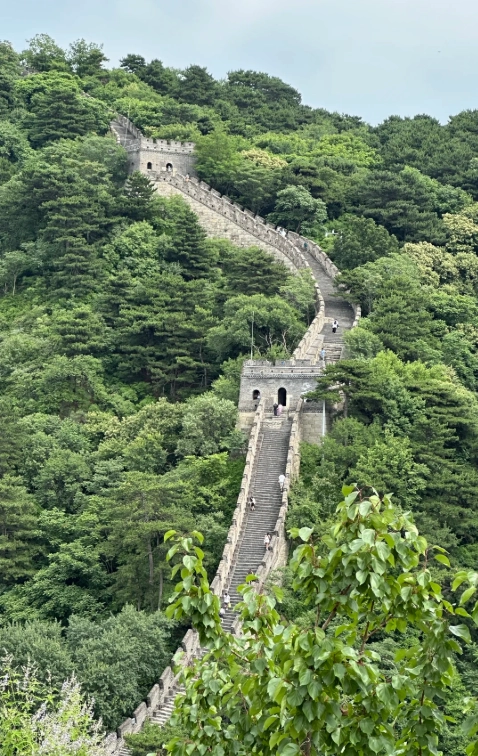
Why Season Matters More Than You Think
Mutianyu Great Wall is about 70 km northeast of central Beijing. That means weather here diverges from the city—it's often 2-3°C cooler, windier, and more humid. The wrong season can mean fighting through smog, rain, or shivering at the top. Plus, ticket prices and queue lengths shift dramatically. Pick the sweet spot and you'll have sections of the wall almost to yourself. Miss it, and you'll be elbowing for selfies.
Spring (March–May): Blossoms & Breezes
Spring is lovely—but tricky. March is still chilly (around 5-10°C) and prone to dust storms from the Gobi. By April, the peach and plum trees along the wall burst into pink and white. It's gorgeous. However, Chinese holidays like Qingming (early April) and Labor Day (May 1st) turn the wall into a parking lot. My advice: come in mid-to-late April on a weekday. The temperature sits at a comfortable 15-20°C, and the crowds thin after the holiday rush.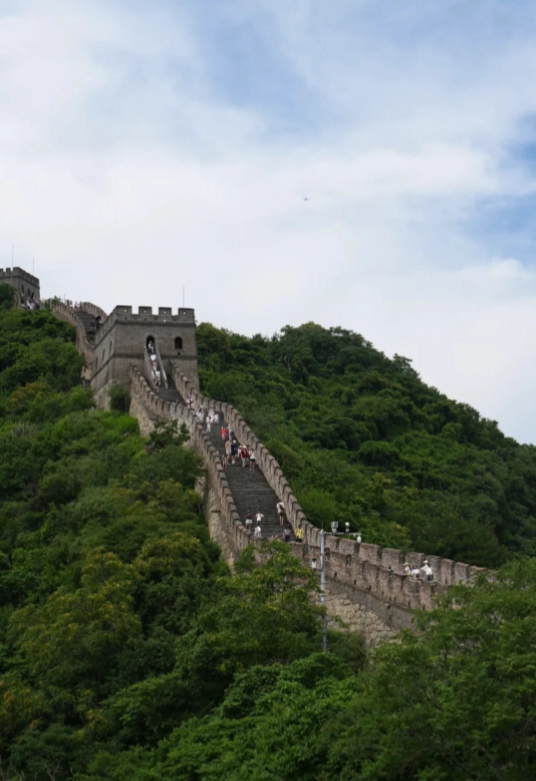
Insider tip: Bring a windbreaker. The wall sits at 600-700m elevation, and gusts can catch you off guard. Also, the cable car sometimes stops for maintenance in March—check the official WeChat account before heading out.
Summer (June–August): Green but Hot
Summer is peak tourist season—school holidays and all. The wall is lush green, but Beijing's heat (often 35°C+) and humidity make the climb exhausting. I've seen people nearly faint on the steeper sections. Rain showers pop up suddenly, making the stones slippery. Crowds are maximum: expect 30-45 minute waits for the cable car down. If you must go in summer, start at 7 AM when the gates open (opens at 7:30, actually). Bring at least 2 liters of water per person. I always carry electrolyte packets to hand out.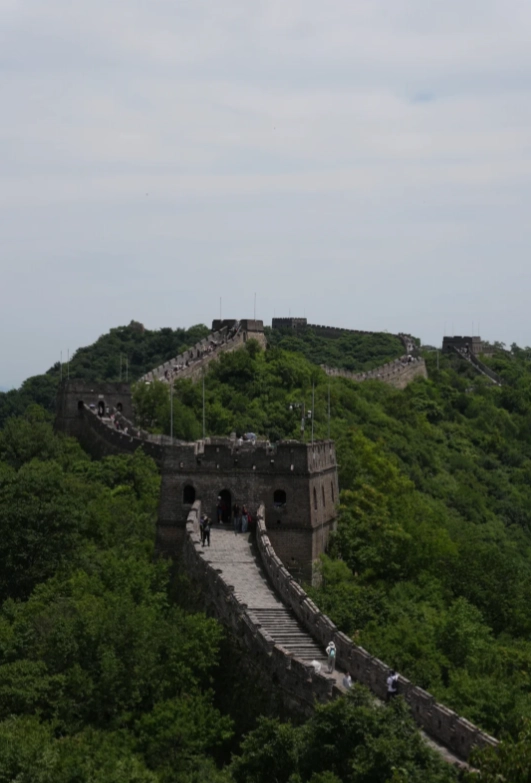
Autumn (September–November): The Golden Window
This is my pick. September still has summer leftovers—warm but less humid. By late September, the crowds drop as schools resume. October brings crisp air and the famous red and yellow leaves. Mid-October to early November is the absolute sweet spot: clear blue skies, temperatures around 10-18°C, and the wall draped in autumn colors. But beware: the first week of October is China's National Day holiday—avoid at all costs. The wall gets more visitors in that week than the rest of the year combined. Hit it from October 15 onward.
Photography tip: The light at sunrise (around 6:30 AM in October) hits the eastern towers beautifully. Sunset at the west side is equally stunning, but the cable car stops at 5:30 PM—plan accordingly or you'll have to walk down the 3,000 steps.
Winter (December–February): Solitude & Cold
Winter is seriously underrated—if you can handle the cold. Daytime temperatures hover around 0-5°C, but wind chill makes it feel like -10°C. The wall gets maybe 10% of the summer crowd. I once led a group in January and we had an entire watchtower to ourselves for an hour. The snow-covered stones are magical. But many facilities shut down: the toboggan slide closes, and some food stalls are absent. Also, check for icy stair sections—some are closed for safety. If you go in winter, layer up (thermal underwear, fleece, down jacket), wear grippy shoes, and bring hand warmers.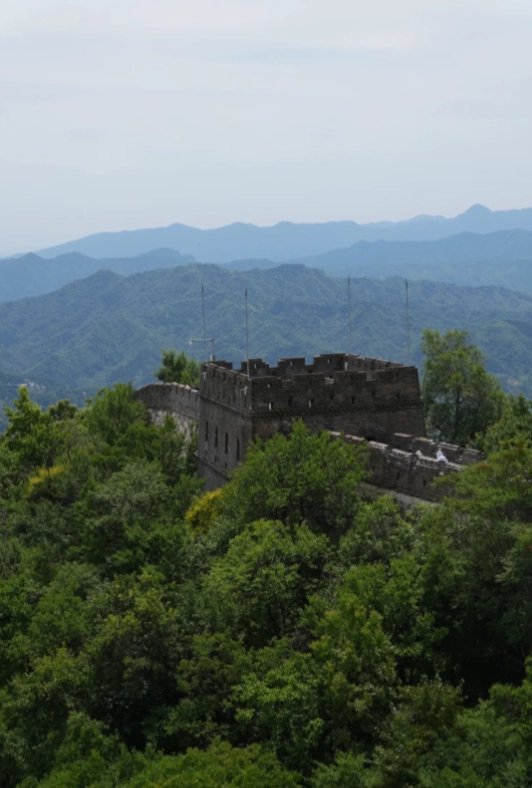
Monthly Weather & Crowd Breakdown
| Month | Avg Temp (°C) | Rainfall | Crowd Level | Key Notes |
|---|---|---|---|---|
| January | -2 to 3 | Low | Very Low | Cold, some snow, few visitors |
| February | 0 to 6 | Low | Low | Still cold, Chinese New Year brings a spike |
| March | 5 to 12 | Low | Moderate | Dust storms possible, opening to spring crowds |
| April | 12 to 20 | Moderate | High (holidays) | Blossoms, but avoid Qingming & Labor Day weeks |
| May | 18 to 26 | Moderate | High | Green, but many domestic tourists |
| June | 23 to 30 | High | Very High | Hot, humid, start of summer peak |
| July | 25 to 32 | Highest | Extreme | Heat + rain + crowds; go early or not at all |
| August | 24 to 31 | High | Extreme | Same as July; typhoon remnants can cause closures |
| September | 18 to 26 | Moderate | Moderate | Cooling down, better crowds |
| October | 10 to 18 | Low | Moderate (avoid first week) | Perfect weather, autumn colors |
| November | 3 to 10 | Low | Low | Late autumn, fewer visitors, crisp air |
| December | -1 to 4 | Low | Very Low | Cold, but serene; toboggan may be closed |
Practical Tips for Your Visit
How to Get There from Beijing
Bus 916 from Dongzhimen goes to Huairou (about 1.5 hours), then switch to a local minibus to Mutianyu. Or take a direct tour bus from Beijing Tourist Distribution Center. I always recommend private car — it saves 1-2 hours round trip, costs around ¥500-700, and you can leave when you're tired, not when the bus runs. Splitting with 3 other travelers makes it cheaper than the cable car!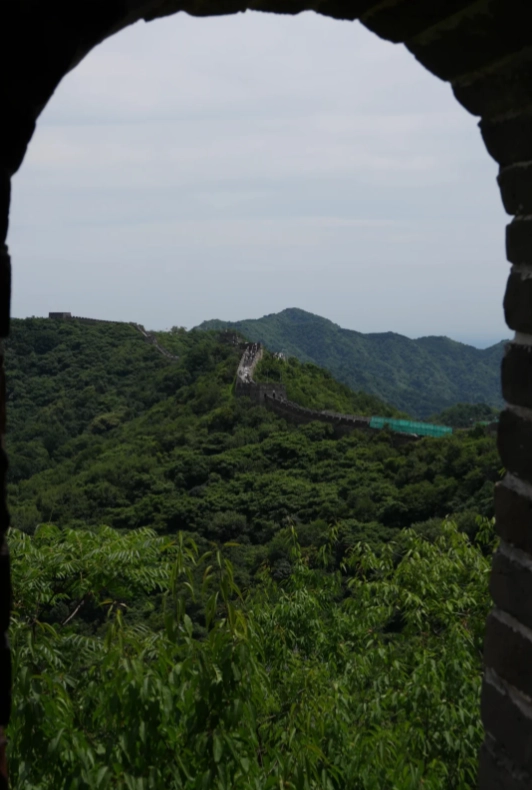
Ticket Booking Nightmare (and How to Beat It)
You must buy tickets in advance through the WeChat mini-program "慕田峪长城". It's only in Chinese. Here's the trick: ask your hotel concierge to book for you, or use a site like Trip.com. On-site ticket windows often have long lines and can sell out in peak season. Ticket prices: ¥45 for adults (low season Nov-Mar), ¥40 for students/seniors. Cable car (round trip) ¥120, chairlift+yacht combo ¥120. The toboggan costs ¥100 for a one-way downhill ride (but only runs Apr-Oct).
What to Pack (Seasonal Checklist)
- Spring/Autumn: Light jacket, comfortable walking shoes (the stone steps are uneven), sunscreen, sunglasses, snacks (the food at the wall is overpriced and mediocre).
- Summer: Portable fan, wide-brim hat, at least 1.5L water per person, electrolyte tablets, an extra T-shirt (you'll sweat through one).
- Winter: Thermal layers, waterproof boots, gloves, scarf, thermos with hot tea (the stalls sell instant noodles for ¥15 but the water isn't boiling).
The Toboggan: Should You Ride?
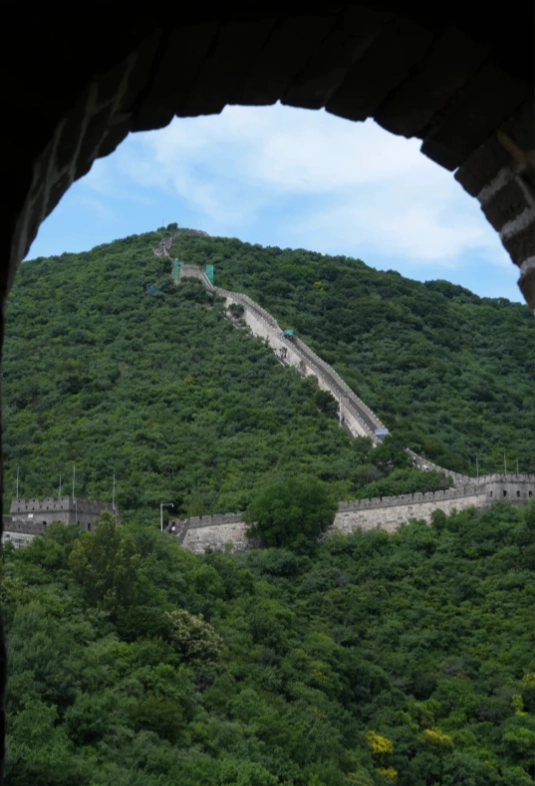
Yes, if you're not afraid of a little speed. It's a 10-minute slide down from the wall to the base. The best season for it is autumn, when the leaves are colorful and the track is dry. In summer, it can get crowded and you'll be stuck behind a slow rider. In winter, it's closed. Note: You have to be at least 1.2m tall and under 80 kg (most people are fine, but I've had a few clients who didn't fit).
FAQ: Your Burning Questions
Verified and fact-checked by the editorial team.





No comments yet.