 Hui Lin
My first trip to Beijing Wildlife Park, I walked out with a giant panda plushie that cost way too much and a vague feeling I'd missed the good stuff. The park is massive, and the shops are scattered. If you don't know where to look, you'll either overspend at the first stall or leave empty-handed. After multiple visits, I've mapped out the shopping scene. This isn't a generic list. It's a tactical guide on where to find the unique keepsakes, how to spot quality, and how to avoid the tourist traps that litter the path.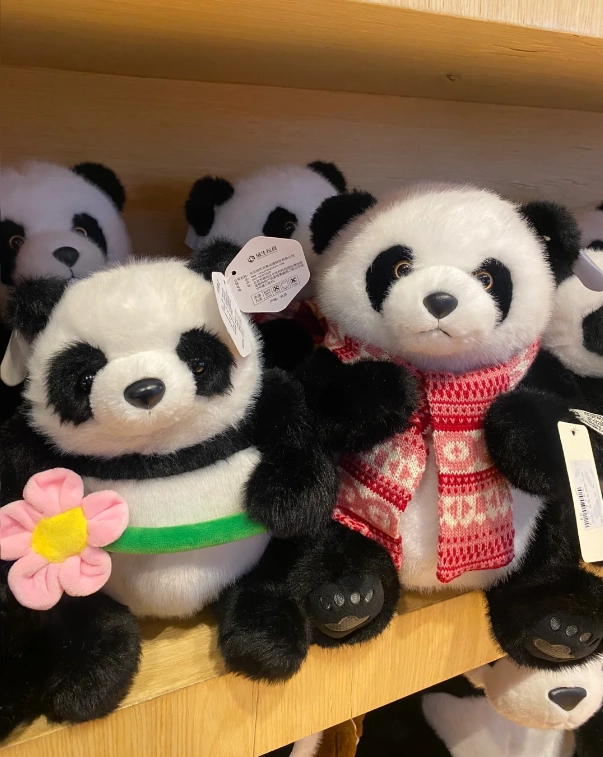
What You'll Find in This Guide
Where to Shop Inside the Park
Forget one big gift shop. Shopping here is a scavenger hunt across four main zones. Each has a different vibe and selection.
The Main Entrance Plaza Shops
You'll see these immediately after the ticket gates. They're hard to miss—bright, crowded, and stocked with a high-volume mix of items. This is where most people make their first (and often most expensive) purchase.
My take: Use these stores for reconnaissance, not for major buying. The prices here are typically marked up 10-15% compared to shops deeper inside. The selection is broad but generic. However, if you see a "must-have" item here, make a mental note. You might find it later for less. I use them to gauge what's available and get a price baseline.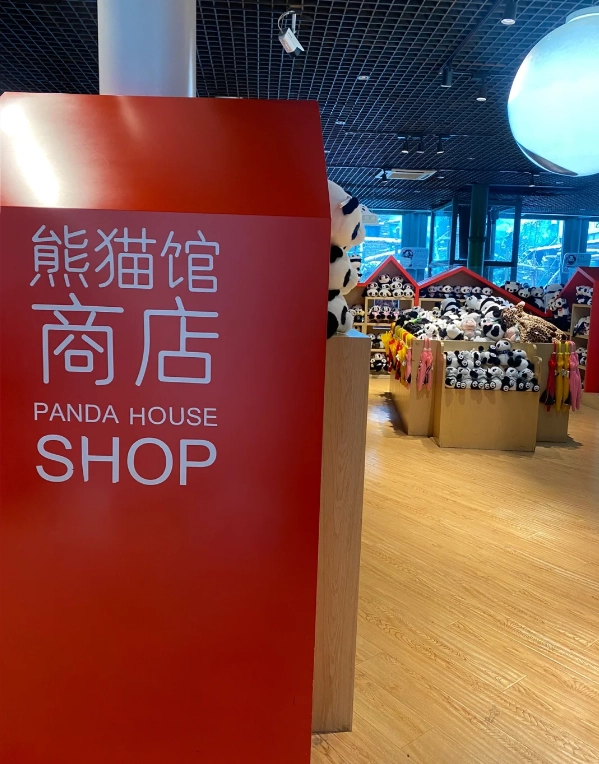
The Walking Zone Boutiques
As you explore the pedestrian areas near specific animal exhibits, you'll find smaller, themed kiosks and shops. The one near the Big Cat Enclosure sells impressive tiger and lion figurines. The shop by the Primate House has monkey-themed caps and socks. These are your best bet for animal-specific merchandise you won't find at the entrance.
I found a beautifully crafted snow leopard statue near the feline area that I've never seen sold online. The staff there also seemed more knowledgeable about the products.
The Drive-Through Zone Exit Store
This is a critical spot many overlook. After you finish the self-drive or bus tour through the open animal ranges, you disembark near a large, barn-style store. This place is a gem.
Why? It caters to visitors who have just had the immersive experience of seeing giraffes, zebras, and bears up close. The merchandise reflects that. The selection of African savanna animal plush toys here is superior. The giraffes are taller and more detailed, the zebra patterns sharper. I suspect they save the best stock for this post-experience peak interest moment. Prices are competitive with the walking zone shops.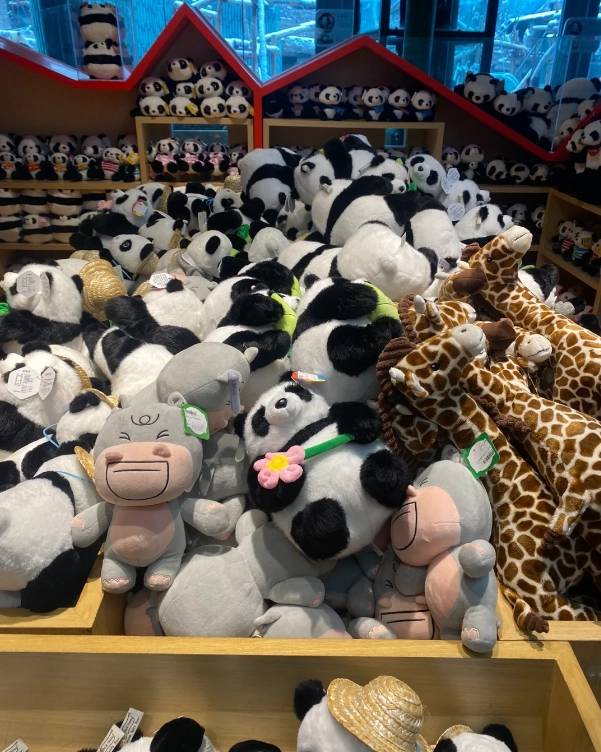
The Children's Play Area Stalls
Near the playgrounds and feeding zones, you'll find carts and stalls selling instant-gratification items: light-up toys, bubble wands, simple masks, and cheap snacks. The quality is low, but if you have a cranky kid who needs a distraction, this is your port in a storm. Don't expect lasting souvenirs here.
| Shop Location | Best For | Price Level | Pro Tip |
|---|---|---|---|
| Main Entrance | First look, widest general selection | Highest | Browse only, buy later. |
| Walking Zone (Themed) | Animal-specific, higher-quality finds | Medium | Talk to staff for unique items. |
| Drive-Through Exit | African animal plush & memorabilia | Medium | Best spot for giraffe & zebra items. |
| Children's Area | Cheap distractions, snacks | Low | For emergency kid pacification only. |
What to Buy: A Souvenir Breakdown
Not all souvenirs are created equal. Here’s my breakdown of what’s worth your money and what’s likely to break before you get home.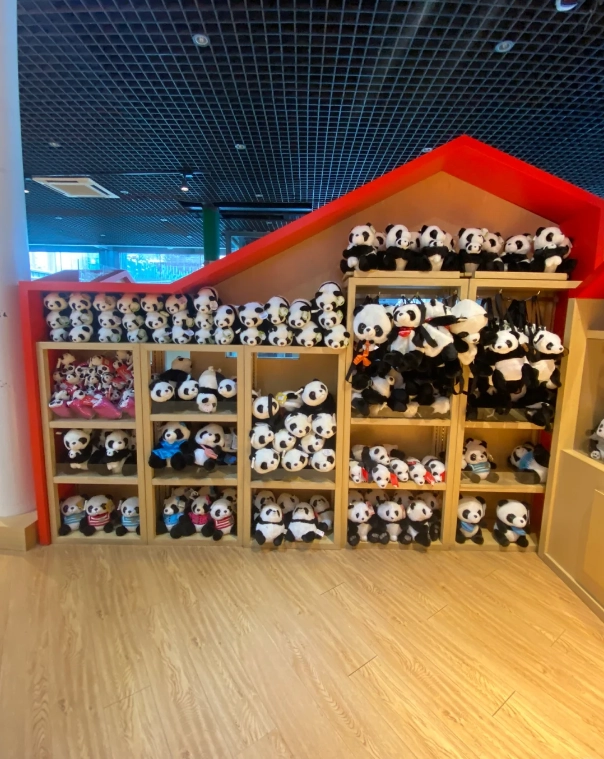
Plush Toys: The Main Attraction
This is the park's flagship product. Quality varies wildly.
- The Premium Tier: Look for plush toys with detailed embroidery for eyes/noses, realistic fur texture, and sturdy stitching. The "signature" giant pandas and white tigers in the themed walking zone shops often fall into this category. They cost more (think 150-300 RMB) but last for years. I have a panda from five years ago that still looks great.
- The Mid-Tier: These are softer, more cartoonish versions. They're cuddlier for kids but less detailed. You'll find these everywhere. Price: 80-150 RMB.
- Avoid: The rock-hard, cheap-feeling plush with plastic eyes that feel like they'll pop off. They're usually at the entrance and children's area stalls for 50 RMB or less.
My top pick: The medium-sized golden monkey plush from the primate area shop. It has perfect poseable limbs and a mischievous expression.
Clothing & Accessories
T-shirts, hats, and scarves are popular. The design is key.
Skip the shirts with just the park's logo. They look like a uniform. Instead, hunt for shirts with artistic illustrations of specific animals—a stylized lynx or a flock of flamingos. These are usually found in the themed boutiques. Check the fabric blend. 100% cotton holds up better to washing than cheap polyester blends.
Animal ear headbands (panda, fox, tiger) are fun for photos but flimsy. Expect to wear them for the day, not for life.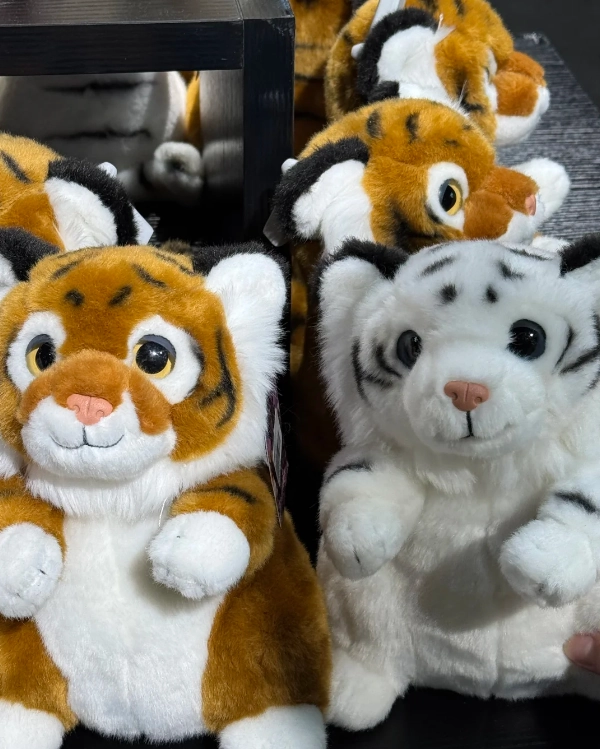
Home & Stationery
This is where you can find some quieter, classier souvenirs.
- Ceramic Mugs/Figurines: Surprisingly well-made. I bought a small, glazed ceramic rhinoceros figurine that has a nice weight to it. Great for a desk.
- Magnetic Bookmarks & Postcards: Inexpensive, lightweight, and practical. The postcards often feature professional animal photography from the park itself.
- Keychains: Overpriced for what they are, but if you want a small token, the metal animal silhouette keychains are better than the plastic ones.
Snacks & Drinks
This isn't a foodie destination, but there are themed options. Animal-shaped cookies or crackers sold in gift shops are cute for gifts. The bottled water and ice cream are standard park prices (inflated). Bring your own water bottle to save money for souvenirs.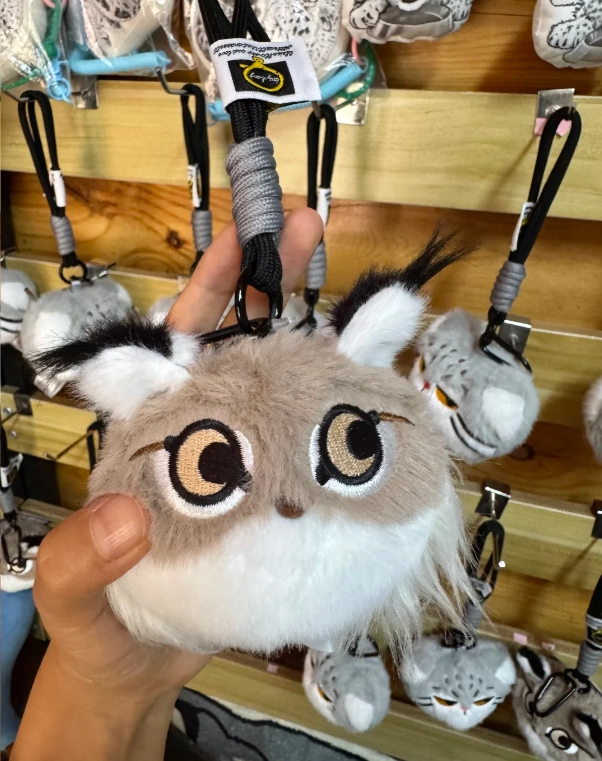
My Shopping Strategy & Tips
Walking in without a plan is how you end up with a bag of regrets. Here's how I shop the park now.
Do a full lap first. Commit to browsing every shop zone before buying anything substantial. Compare prices on that panda you want. You'll be surprised by the variation.
Check seams and stitching. For any plush or clothing, turn it inside out. Frayed threads or loose seams mean it won't survive a wash. For figurines, look for cracks or uneven paint.
Consider your carry capacity. Are you driving? Taking public transport? That three-foot-tall bear is adorable until you have to haul it on a crowded subway. I prioritize smaller, high-quality items that pack easily.
Set a souvenir budget upfront. It's easy to get carried away with small purchases that add up. Decide on a total amount before you go in.
Carry small bills. While digital payments (WeChat Pay, Alipay) are ubiquitous, some smaller carts might prefer cash, or their scanner might be down. Having small denominations helps.
The best time to shop? Late afternoon, on your way out. You've seen everything, you know what animals resonated with you, and you can make a beeline for the relevant themed shop. You also avoid carrying bags all day.
A common mistake I see is people buying large, generic items at the first shop, then having to carry them all day or spotting something better and more unique later. Patience pays off.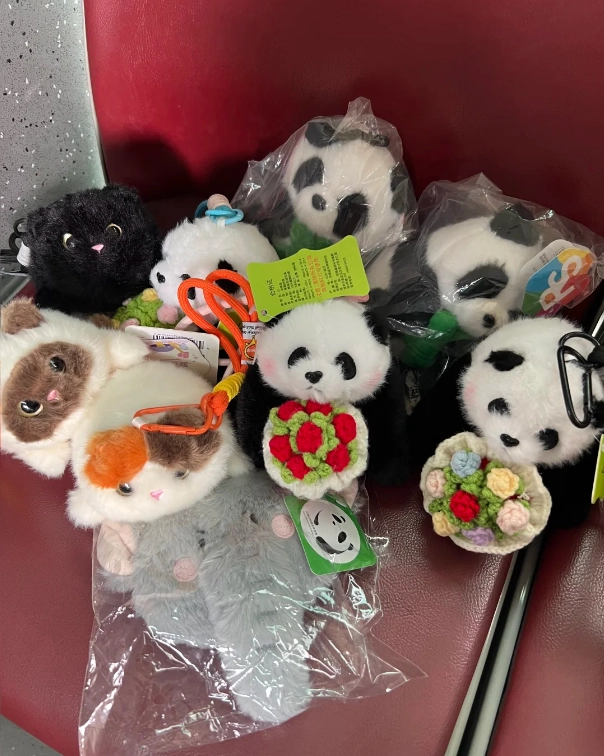
FAQ: Shopping at Beijing Wildlife Park
Almost always cheaper outside, in generic tourist markets. But you lose the specificity and often the quality. The plush toys sold inside are officially licensed and often feature unique designs tied to the park's actual animals. An "official" park panda has different details than a generic one from a street market. You're paying for the memory association and typically better materials. For generic Beijing keychains or hats, buy outside. For a memento of the specific animal you loved at the park, buy inside.
All major gift shops accept mobile payments (WeChat Pay, Alipay) and major credit cards (Visa, Mastercard). The smaller carts and kiosks in the children's or snack areas overwhelmingly prefer mobile payments, though some may accept cash (Renminbi). I haven't seen a shop that only takes cash in years. Relying on your phone is perfectly safe.
No. Prices are fixed and marked. This isn't a street market. Attempting to haggle will just confuse the staff. The only potential for a "deal" is if an item is visibly damaged (last one on the shelf) and you politely ask if a discount is possible. This rarely works. Don't plan on it.
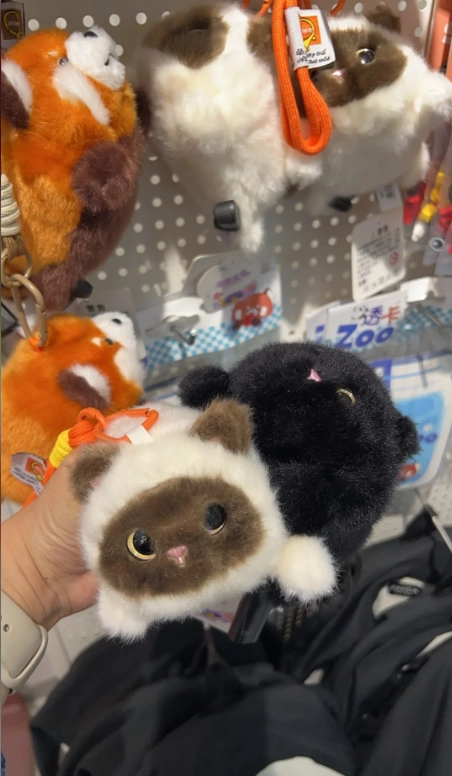 Which shop has the most unique items that aren't sold online?
Hands down, the themed boutiques in the walking zones, especially the one near the feline exhibits. They stock smaller-batch items like ceramic figurines, higher-end art prints, and specialized plush that you won't find on Taobao or Amazon. The drive-through exit store also has exclusive designs for the safari animals. The main entrance shops sell mass-produced items that are easier to find elsewhere.
Regret: A large, cheaply made "ice cream" from a children's area cart that melted into a sticky mess in 10 minutes, ruining a bag. Lesson learned: avoid food-themed novelties.
Love: A simple, well-embroidered patch of a red panda from the walking zone boutique. I sewed it onto my backpack. It's subtle, durable, and every time I see it, I remember watching the real ones nap in the trees. It cost very little but holds the most value.
Navigating the shopping at Beijing Wildlife Park doesn't have to be overwhelming. Skip the frantic first-store spree. Take your time, explore the themed corners of the park, and focus on one or two quality items that genuinely remind you of your experience. That beats a bag full of trinkets every time. Happy hunting.





Disappointed. The guide claims the ‘Eco-Art Gallery’ sells exclusive nature prints, but when I got there it was just generic posters you can find on Taobao for 20 RMB. They charged 75 RMB. Also, the writing says ‘haggle-friendly’ stalls – I tried to negotiate on a wooden giraffe and the seller literally laughed at me. The park itself is amazing, but the shopping guide feels like it was written by someone who hasn’t actually been in the past two years. Would not rely on it. Save your money for the animal encounters instead.
As a mom visiting with two toddlers, the guide’s section on allergy-friendly snack options at the Safari Café was a lifesaver. We also grabbed the ‘My First Zoo’ sticker book from the glasshouse shop – exactly as described, 45 RMB, and it kept my 4-year-old occupied during lunch. The only reason I’m giving 4 instead of 5 is that the guide missed a huge photo spot with the bronze peacock statues near the souvenir street; that would’ve been great for the ‘what to buy’ recommendations since the statues are free to pose with. Still, very practical and accurate overall.
Honestly? This guide oversells the ‘bargain’ section near the exit. I went specifically because the article claimed ‘great deals on bamboo-themed gifts’ – turns out everything was still 50–100 RMB above what I’d pay in the city. The only thing I bought was a fridge magnet (35 RMB) that chipped on day two. The map in the article was helpful for navigating the park itself, but the shopping advice feels outdated or biased. For a free online guide it’s okay, but don’t expect to save money.
Followed the guide’s recommendation for the ‘Wilderness Workshop’ crafts area, and my kids loved painting their own ceramic tigers. The price (120 RMB per kit) matched what the article said. But the staff there barely spoke English and didn’t explain the drying process – we ended up with smudged paint because no one told us to wait 20 minutes. The guide itself is well written, just wish it included a note about language barriers. Worth a read before you go, but manage expectations on service quality.
This shopping guide was spot on! Picked up the embroidered panda hoodie from the main gift shop near the entrance and it’s honestly one of the softest souvenirs I’ve ever bought. The guide’s tip to skip the small kiosks near the reptile house saved me from overpaying for keychains. Would add though that the bird plushies at the ‘Feathered Friends’ stall (mentioned in the article) were sold out when I visited on a Saturday morning – maybe mention the restock days? Still, 10/10 for accuracy and usefulness.