 Ting Chen
Quick Navigation
I’ve led dozens of groups up Cangshan Mountain over the past decade. And honestly, the difference between a magical day and a miserable one often comes down to one thing: timing.
Here is the catch: most online guides tell you to go in spring or autumn — but they never tell you that spring brings unpredictable rain, and autumn can be packed with Chinese national holiday crowds. Let me break down exactly when to go, based on weather, crowd levels, and real on-the-ground experience.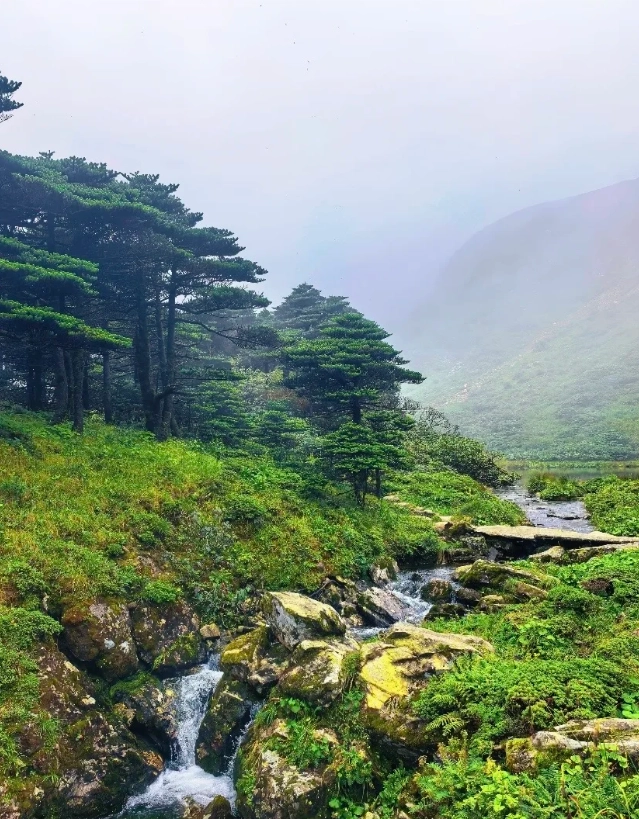
Why Timing Matters on Cangshan
Cangshan, the mountain range west of Dali Old Town, is known for its 19 peaks, crystal-clear streams, and the famous Cangshan cable car. But weather here shifts fast. One moment you’re hiking in t-shirt under blue sky — next, clouds roll in so thick you can’t see three meters ahead. The best time to visit Cangshan Mountain isn’t just about avoiding rain; it’s about maximizing visibility, trail safety, and comfort.
Month-by-Month Breakdown
Here’s a table I share with my clients before they book flights. It includes my personal ratings for visibility, crowd level, and trail difficulty.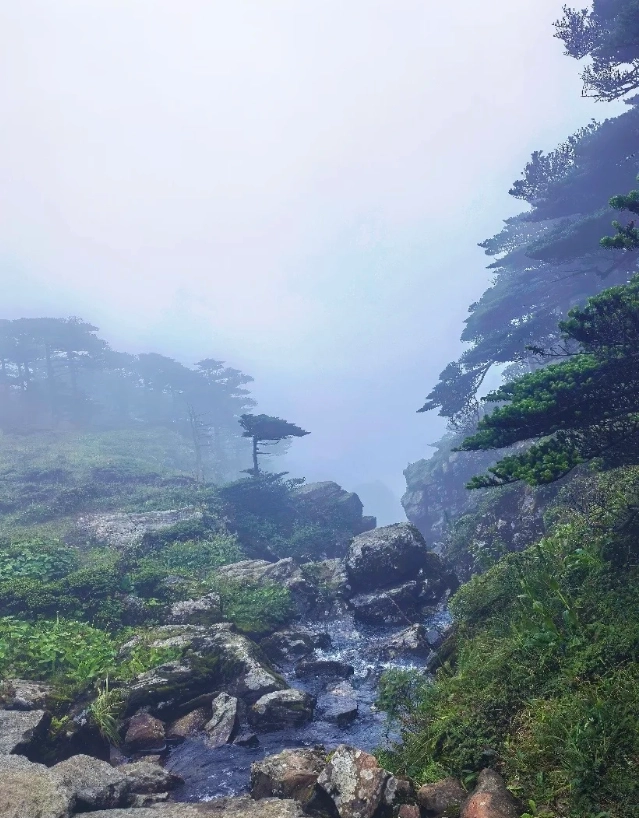
| Month | Weather | Visibility | Crowds | Best For | Watch Out For |
|---|---|---|---|---|---|
| Jan | Cold, dry, occasional snow | Good (after snowfall – crisp) | Low | Snow photography, solitude | Top cable car may close if icy |
| Feb | Cold, drying winds | Good | Low (Chinese New Year spike) | Clear views, fewer tourists | Ice on paths near peaks |
| Mar | Mild, some rain | Moderate | Moderate | Early spring flowers | Sudden rain squalls |
| Apr | Warm, stable | Excellent | Moderate | Hiking, photography | Nothing major |
| May | Pleasant, light breeze | Excellent | High (May Day holiday) | Best overall month | Book cable car tickets in advance |
| Jun | Warm, increasing rain | Moderate | Low | Lush greenery | Afternoon thundershowers |
| Jul | Hot, humid, monsoon | Poor (frequent clouds) | Low | Budget travel (low season) | Heavy rain, trails slippery |
| Aug | Warm but rainy | Poor to moderate | Low | Same as July | Landslide risk on some trails |
| Sep | Cooling, less rain | Good | Moderate | Autumn colors start | Remnant monsoon showers |
| Oct | Mild, dry | Excellent | High (National holiday first week) | Crystal-clear skies | Oct 1-7 absolute peak crowds |
| Nov | Cool, dry | Excellent | Moderate | Golden leaves, quiet trails | Cold at summit |
| Dec | Cold, dry, occasional snow | Good | Low | Snow-capped peaks | Some upper areas restricted |
Seasonal Highlights & Trade-offs
Spring (March – May)
Spring is widely considered the best time to visit Cangshan Mountain, especially April and May. The azaleas bloom along the hiking trails — a burst of pink and purple against the grey rock. But I need to warn you: May 1st week (Labour Day) turns the cable car queue into a two-hour wait. Pro tip: arrive before 8:00 am or after 3:00 pm to skip the rush.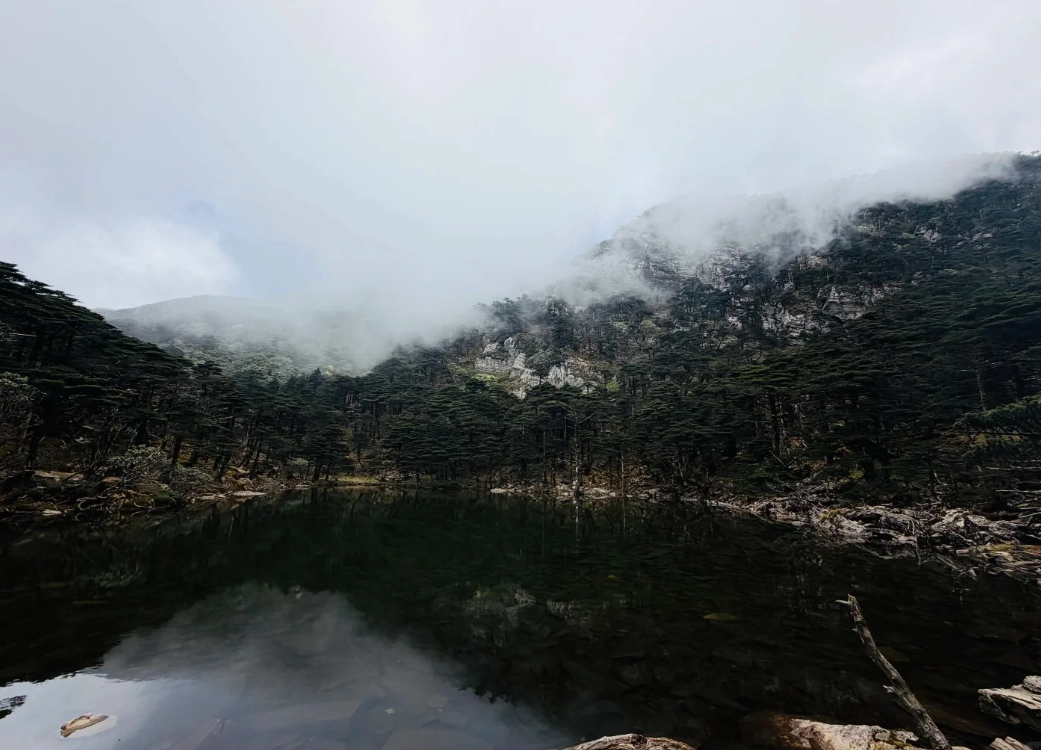
Summer (June – August)
Summer is the rainy season. I’ve taken groups up where we couldn’t see ten feet ahead at the summit. However, if you’re on a budget, hotel prices drop by 40%. Plus the mountain is lush and waterfalls are full. Just carry a raincoat (umbrellas are useless in the wind).
Autumn (September – November)
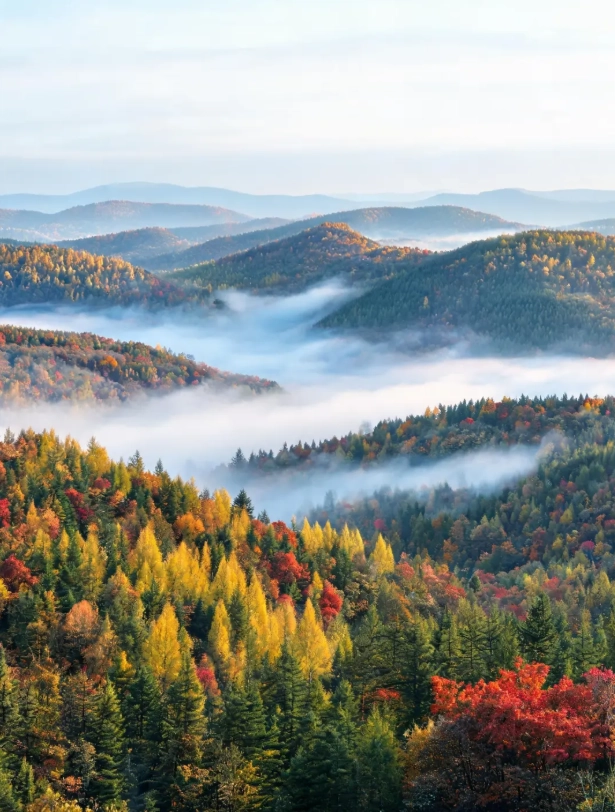
My personal favorite. October and November offer the best visibility of the year. The sky is so clear you can see Dali Old Town and Erhai Lake like a painting. But beware: the first week of October is China’s National Day holiday — the mountain gets swamped. If you must go then, buy your tickets online on Trip.com at least 3 days ahead.
Winter (December – February)
Winter is quiet and beautiful if you like snow. The upper cable car station may close when ice forms. Last January, I had to cancel a hiking trip because the summit trails were too slippery. But if you only want to ride the cable car to the midway point and enjoy the snow views, it’s totally fine — just dress in layers (temperatures can drop to -5°C).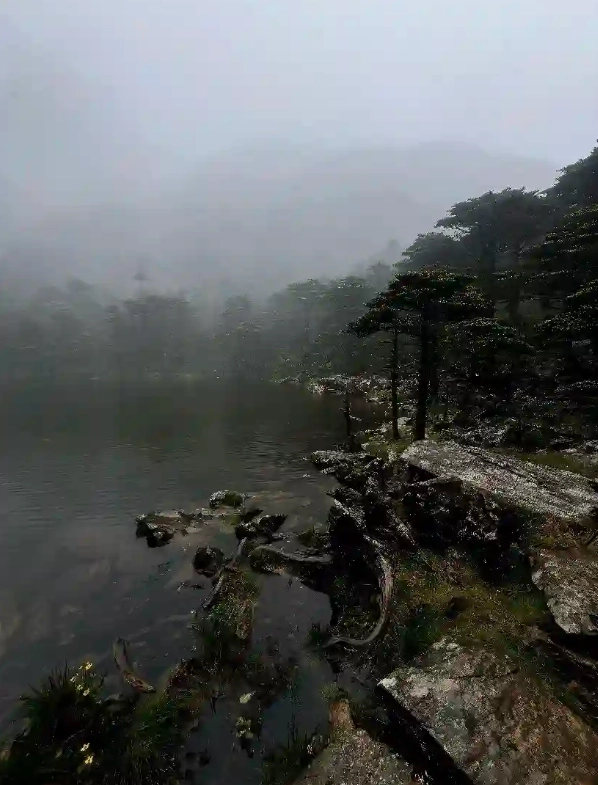
Cable Car Timing Secrets
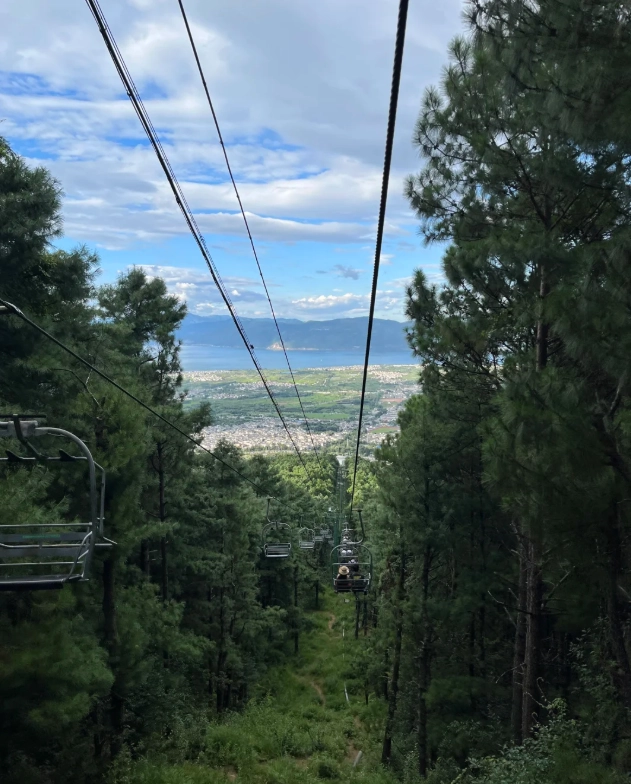
There are three cable cars on Cangshan: Gantong (south), Zhonghe (middle), and Ximatan (north). Most tourists use Gantong Cable Car, which goes to the highest point. Here’s what nobody tells you:
- Morning (7:30 – 9:30): The cable car often runs slowly due to dew on the cables. Wait times are short, but the ride can feel foggy.
- Late morning (10:00 – 11:00): The cable car speeds up, but this is when tour groups arrive. Expect 30-45 min queue.
- Afternoon (15:00 – 16:30): My sweet spot. The mist usually clears by 14:00, and the queue is gone. But note: the last cable car down is at 17:30 (winter 17:00). So you get about 2.5 hours at the top — enough for the main boardwalk and a short hike.
How to Plan a Day on Cangshan
Let me walk you through a realistic day if you go in May (best time).
7:00 – 8:00: Start from Dali Old Town
Take a Didi or local bus to the Gantong Cable Car entrance. Didi costs about 20 RMB from the south gate of Dali Old Town. The entrance opens at 7:30.
8:00 – 8:30: Queue & Ride
Even if you have a pre-booked ticket, you still need to queue for the cable car. By 8:00 the queue is manageable (15 minutes). The ride takes 20 minutes to the top station at 3,900 meters.
8:30 – 11:30: Explore the Summit
Walk the Crevice Path (Yunnan’s highest hiking trail). Bring snacks — the food at the top is overpriced (a cup of noodles = 35 RMB). Take photos at the “Watching the Clouds” platform. Clear views usually last until 10:30; after that, clouds may roll in.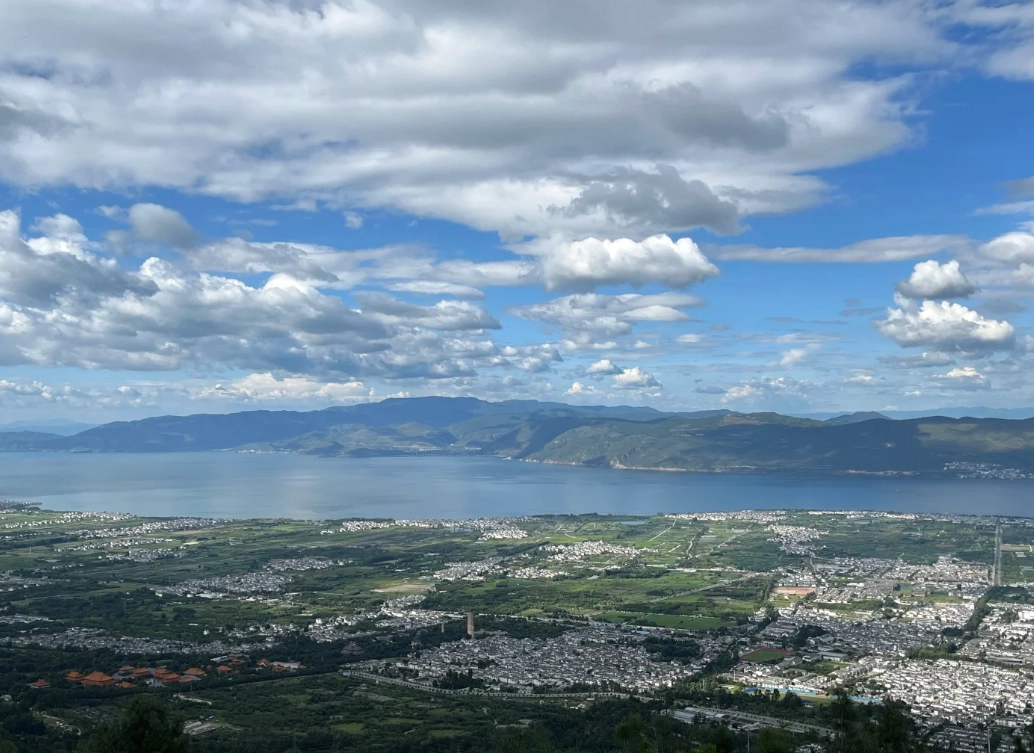
11:30 – 12:30: Descend & Lunch
Ride down and grab lunch at one of the farm restaurants near the base. I recommend the “Xizhou Baba” (a kind of stuffed flatbread) at a shop called “Old Lady’s Kitchen” — it’s 15 RMB and delicious.
13:00 – 16:00: Alternative Option – Zhonghe Cable Car
If you have energy, take the Zhonghe Cable Car (only 10 minutes from Gantong base by free shuttle) to the mid-mountain area. It gives you access to the Yu Dai Road – a gentle 4 km walk along a paved path with stunning views. No heavy climbing.
16:30: Head Back
Return to Dali, or catch sunset at Erhai Lake. Perfect day.
Plan B (bad weather): If it’s raining heavily, skip the summit. Instead, visit the Cangshan Geopark Museum near the base — it’s modern, educational, and has English exhibits. Or drive to Xizhou Village for a cooking class.





No comments yet.