 Ming Yang
What You'll Learn – Quick Jump
I’ve been guiding travelers around Yunnan for years. And every time someone asks about Chongsheng Temple Three-Pagoda tickets, I cringe a little. Not because the site isn’t stunning—it is. But the ticketing process? A total maze if you don’t speak Chinese. Let me save you the headache.
Here’s the thing: Most online guides tell you to scan a QR code and book via WeChat. Sounds easy, right? Wrong. The mini-program is 100% in Chinese, and international credit cards often fail. I’ve seen dozens of tourists stuck at the entrance, phones in hand, sweating under the Yunnan sun. Don’t be that person.
By the end of this guide, you’ll know exactly how to get your Chongsheng Temple Three-Pagoda tickets without stress, when to go for the best light, and which “must-see” spots are actually overrated. Let’s jump in.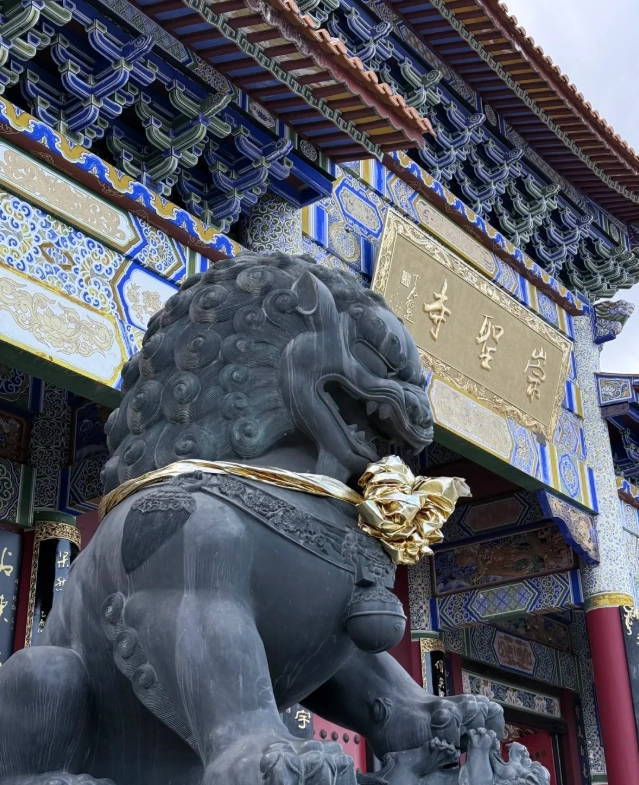
Why Tickets Are More Confusing Than You Think
The official name is Chongsheng Temple Three-Pagoda Cultural Tourism Zone. It’s a combo site: the Three Pagodas (iconic, ancient) plus Chongsheng Temple (rebuilt, less exciting). Most tourists think they can just show up and buy a ticket. You can—but you’ll pay full price and waste time in line.
The real confusion? Ticket types. There’s a basic entrance ticket, a combo ticket that includes the temple, and an “all-inclusive” ticket that adds a ridiculous electric cart ride (the site is small; you don’t need it). I always tell my clients: buy the basic ticket only. The temple inside is a modern replica, and the cart is a cash grab.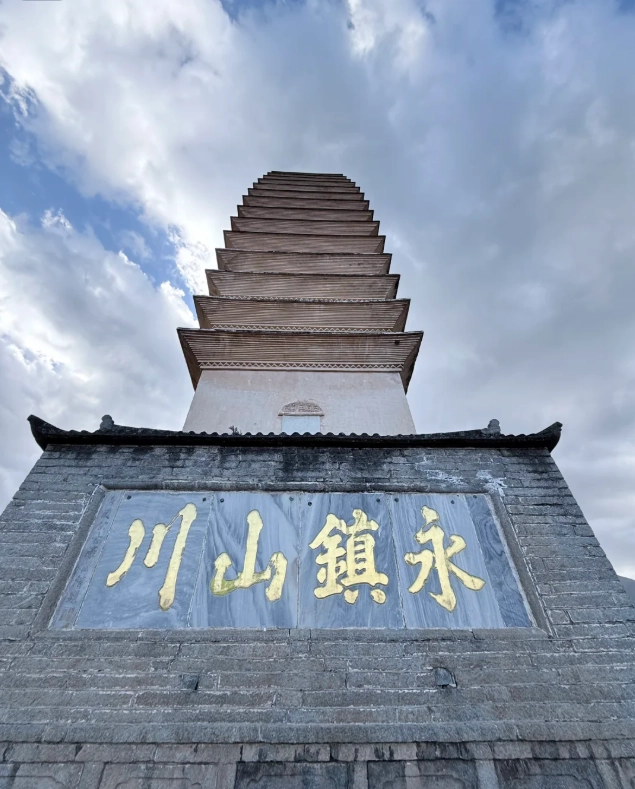
Where to Buy Tickets (and Where to Avoid)
You have three options. I’ll rank them from best to worst.
| Method | Pros | Cons | My Rating |
|---|---|---|---|
| Official website (cncontour.com) | English available, accepts Visa/Mastercard, no commission | Requires browsing in English; some overseas cards still decline | ⭐⭐⭐⭐ |
| Third-party platforms (Klook, Trip.com) | Easy interface, instant confirmation, often cheaper | Slightly higher price than official? Actually, sometimes cheaper deals appear | ⭐⭐⭐⭐⭐ |
| On-site ticket office | No pre-planning needed | Long queues (especially 10am-2pm), cash or Chinese mobile payment only, no international cards | ⭐⭐ |
My go-to: Klook. I just pulled up my recent booking: $12 USD for the basic ticket, and I used PayPal. Instant QR code sent to my email. No Chinese needed. I've also used Trip.com with success—their customer service speaks English if something goes wrong.
Avoid buying from individuals outside the gate. They sell fake or expired tickets. I’ve seen it happen: tourists happily waving QR codes that turn red at the scanner. Not fun.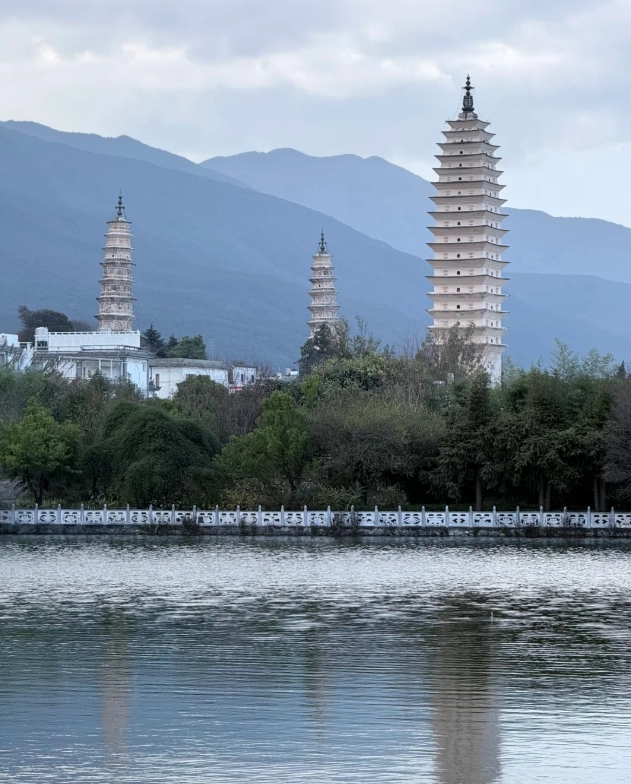
Price Breakdown: What You Actually Pay For
Let’s talk numbers. Prices fluctuate slightly with seasons, but here’s the ballpark as of my last visit.
| Ticket Type | Adult (Foreigner) | Child (1.2-1.4m) | Senior (65+) |
|---|---|---|---|
| Basic Entrance (pagodas only) | 75 RMB (~$10.50) | 37.5 RMB | Free (with ID) |
| Combo (pagodas + temple) | 105 RMB (~$14.70) | 52.5 RMB | 50 RMB |
| All-inclusive (adds electric cart) | 130 RMB (~$18.20) | 65 RMB | 65 RMB |
Confession: I always buy the basic ticket. The temple? It was reconstructed in the 2000s. The pagodas are the real deal—over 1,000 years old. The temple hall has some nice Buddha statues, but you’ve seen similar ones elsewhere. Save the extra 30 RMB for a coffee at a lakeside café.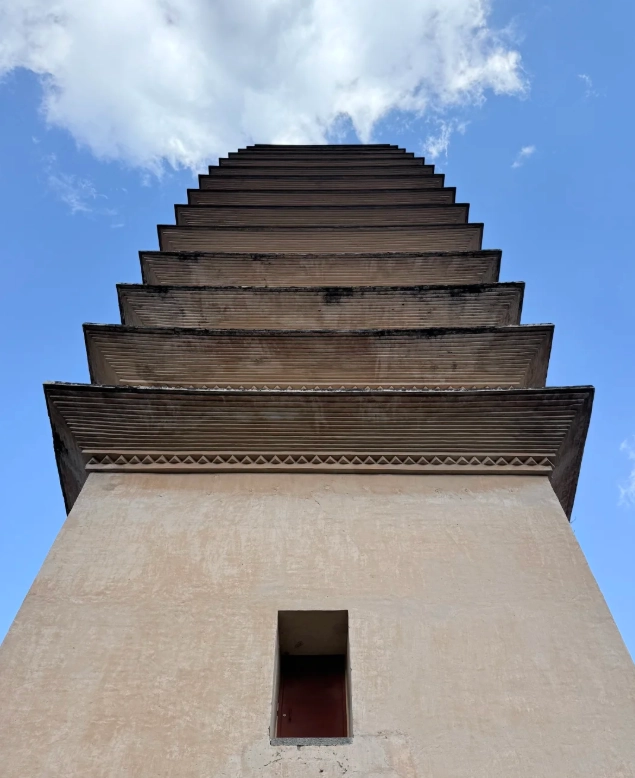
Best Time to Visit – Beat the Crowds and the Heat
Most tourists come between 10am and 2pm. That’s when the sun is directly overhead, making photos harsh, and the pagoda square is packed with tour groups. I always bring my groups at 4:30pm. Why?
- The light turns golden—perfect for photos of the pagodas against the blue sky.
- Most day-trippers from Dali are leaving (they arrive early, eat lunch, then rush back).
- The temperature drops to a comfortable 20°C.
The site closes at 7pm (last entry 6pm). Two hours is plenty to see everything at a leisurely pace.
Season matters too. March-April and September-October are ideal: clear skies, mild weather. July and August are rainy—afternoons often have downpours. But if you come in rain, the mist around the pagodas can be magical. Just bring an umbrella.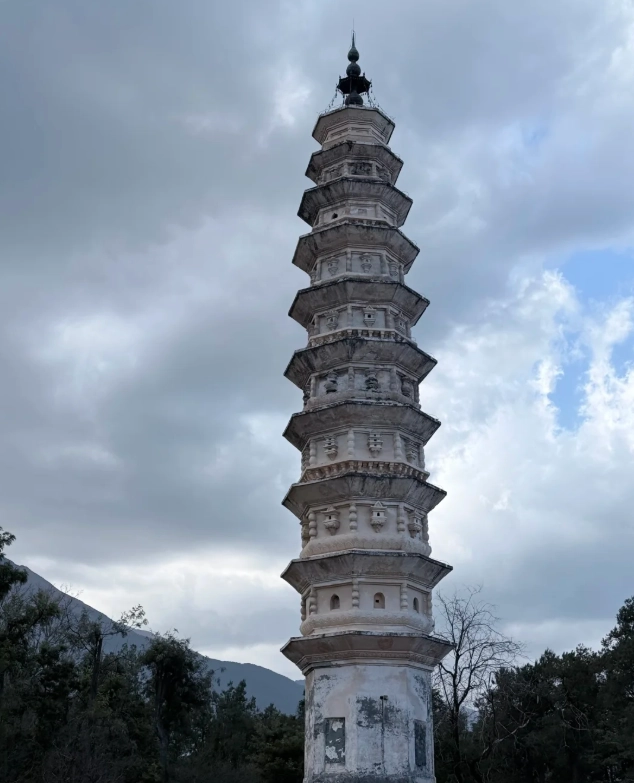
My Secret Photo Spots Inside the Pagodas
Everyone stands at the main square and snaps the same photo. Boring. I’ll share two angles that look way more professional.
Spot 1: The reflection pond (left side of the main square). There’s a small pond that mirrors the tallest pagoda. The best shot is at 5pm when the water is still. Get low to the ground for a perfect reflection.
Spot 2: The back hill. Walk past the souvenir shops behind the temple. There’s a small trail that leads up a hill (about 5 minutes). From the top, you get a bird’s-eye view of all three pagodas with the Cangshan mountains behind. Not many tourists go up because it’s not marked. Look for a stone staircase near the toilet block.
One more thing: the pagodas are best photographed from the west side in the morning (sun on the front), but since I recommend afternoon visits, the east side works fine—the golden light bathes the pagodas evenly.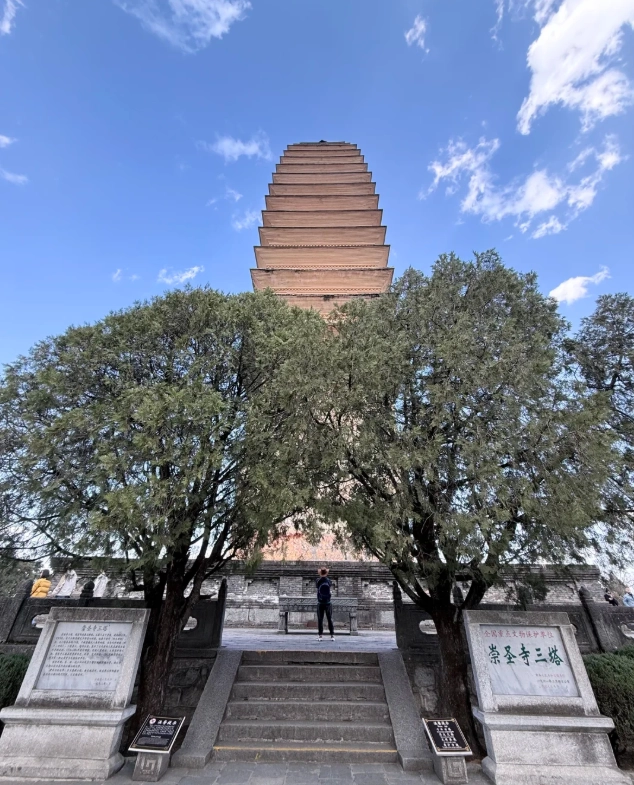
Getting There Without Getting Lost
The pagodas are about 1.5 km northwest of Dali Old Town. Your options:
- Walking: 20 minutes from the north gate of Dali Old Town. Follow Renmin Road north until you see the pagodas towering ahead. Pleasant walk if the weather’s fine.
- Taxi/DiDi: From anywhere in Dali Old Town, about 10-15 RMB ($1.5-2). Tell the driver “Chongsheng Temple” or “San Ta” (three pagodas). Most drivers know.
- Bus: Bus 19 or 4 from the old town to the south gate of the scenic area. Takes 10 minutes.
Pro tip for the return trip: Taxis are scarce at closing time (7pm). I use DiDi (Uber equivalent) and set the pickup point to the main exit gate. Wait time is usually 3-5 minutes. Or walk back to the old town—the sunset walk is lovely.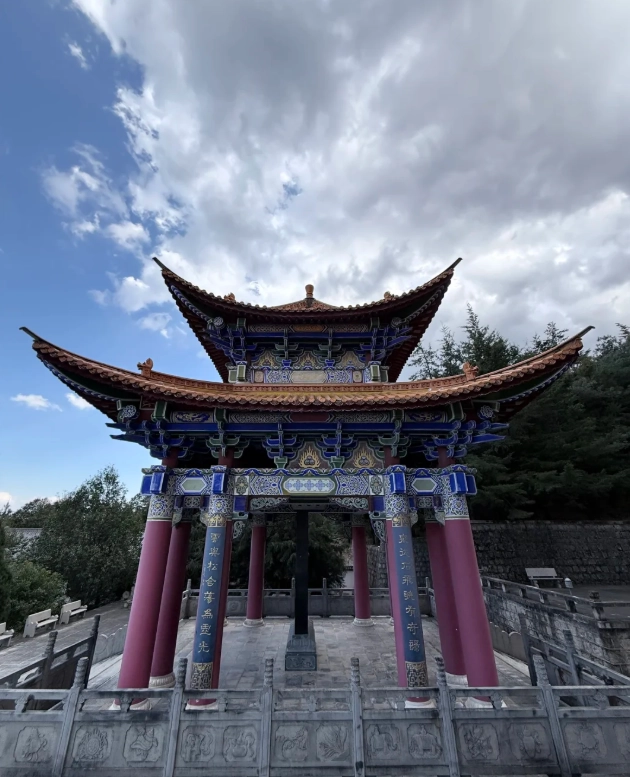
Frequently Asked Questions (FAQ)
Verified and fact-checked by the editorial team.





No comments yet.