 Wei Zhang
- Why Timing Matters (A Lot)
- Spot 1: Eagle Valley – Morning Light Magic
- Spot 2: Siberian Tiger Enclosure – The Glass Wall Trick
- Spot 3: Aviary Walk – Birds in Flight
- Spot 4: Giraffe Feeding Deck – Up Close Portraits
- Spot 5: The Lake Area – Reflections & Waterbirds
- Gear Checklist – What I Actually Carry
- Common Mistakes That Ruin Shots
- Frequently Asked Questions
I’ve lost count of how many times I’ve dragged my camera bag through Yunnan Wildlife Park. It’s not the biggest zoo in China, but the placement of enclosures and the morning mist make it a hidden gem for wildlife photography. Most first-timers walk in, point their lens at whatever moves, and leave with disappointing shots. Let me save you that disappointment.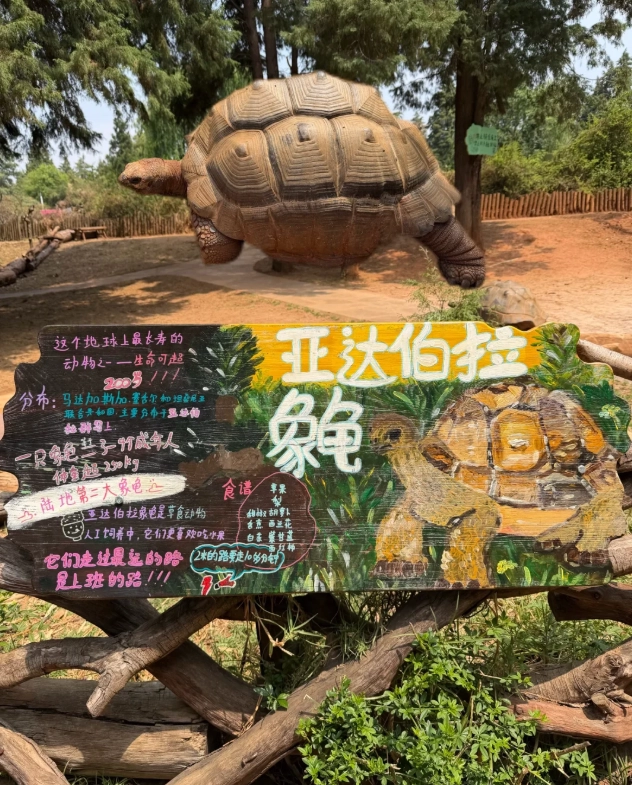
Why Timing Matters (A Lot)
The park opens at 9:00 AM (8:30 during peak season), but the ticket office starts selling at 8:30. Here’s the catch: the first shuttle bus leaves at 8:40. If you’re not at the gate before 8:30, you’ll be stuck behind a crowd of school groups by 9:15. I always tell my clients to book tickets on Trip.com or the official WeChat mini‑program (search “云南野生动物园” – yes, it’s in Chinese, but your hotel can help). Skip the ticket line entirely.
Golden hour at Yunnan Wildlife Park isn’t just about sunrise. Because the park is surrounded by hills, direct sunlight hits most enclosures between 8:30 and 10:30 AM. After 2 PM, the light gets harsh and animals retreat to shade. So plan your visit for a morning session — from gate open to 12:30 PM is the sweet spot for photography.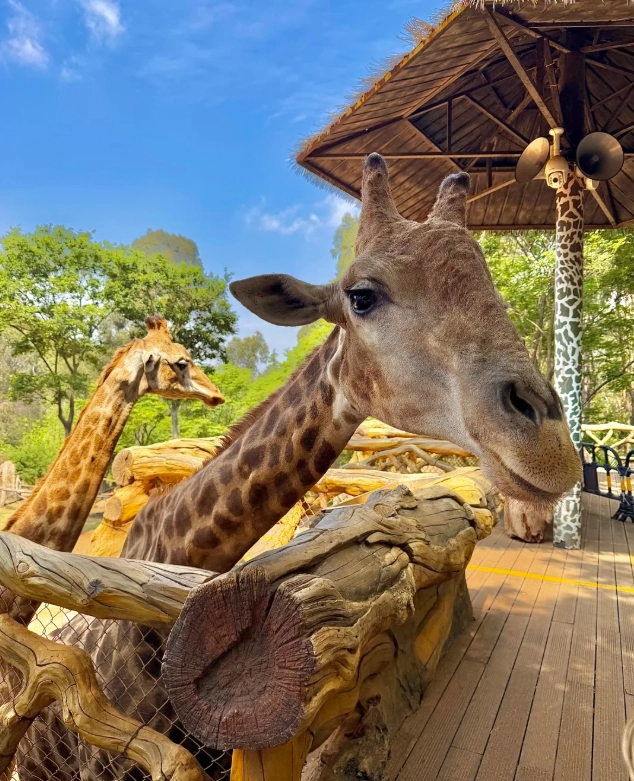
Spot 1: Eagle Valley – Morning Light Magic
Location: First stop after boarding the shuttle (or 15‑min walk uphill from entrance).
Best time: 8:45 – 9:30 AM (first batch of visitors).
The raptor enclosure sits on a slope facing east. Early light streams through the mesh, lighting up the birds’ feathers from the side. I’ve taken my best eagle portraits here using a 200mm lens at f/4. The birds often perch on low branches near the fence — closer than you’d expect. One tip: don’t stand directly in front of the mesh; move sideways until the netting blurs out of focus.
My personal gripe: The shuttle drivers sometimes skip this stop if no one speaks up. Shout “Eagle Valley, please!” when boarding — or just walk. It’s a steep 10‑minute climb but worth it.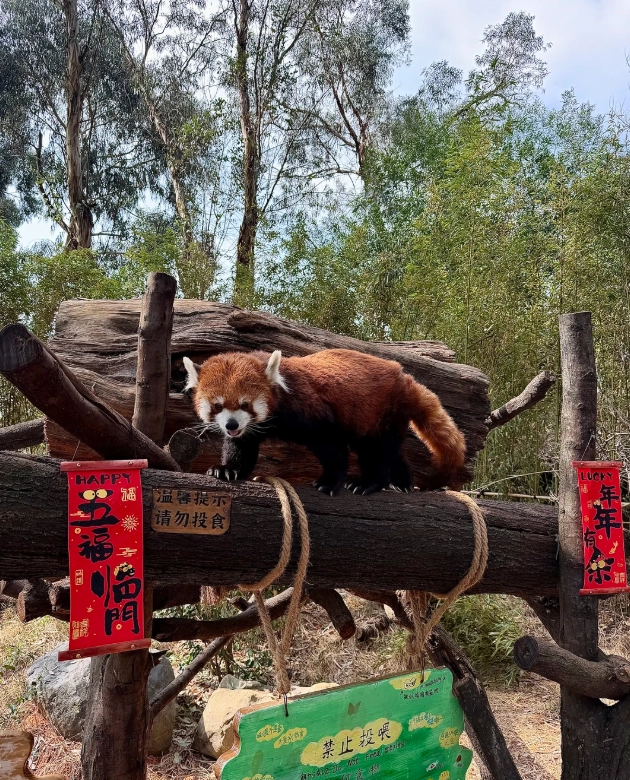
Spot 2: Siberian Tiger Enclosure – The Glass Wall Trick
Location: After Eagle Valley, about 5‑minute walk downhill.
Best time: 9:30 – 10:15 AM (tigers are often active post‑feeding).
This is the park’s most famous photo op. There’s a glass wall that lets you shoot without bars. But most visitors stand dead center — that’s where the reflections kill your shot. Walk to the far left end of the glass. The angle eliminates reflections and gives you a clear view of the tigers pacing near the water trough. I use a polarizing filter here to cut glare, but even without one, the left‑end position works wonders.
The tigers are fed around 9:45 AM. If you’re lucky, a keeper might toss meat into the pool. That’s your action shot moment. Be ready with a fast shutter (1/800s or higher).
Spot 3: Aviary Walk – Birds in Flight
Location: Adjacent to the tiger enclosure, follow the raised boardwalk.
Best time: 10:15 – 11:00 AM (light filters through the netting).
The aviary is a large walk‑through dome. Birds are accustomed to humans, so you can get really close — almost too close for a telephoto. I swap to a 24‑70mm for environment shots and use a 70‑200mm for portraits. The challenge here is the overhead netting; it’s dark grey and can confuse your autofocus. Set your AF to single‑point and aim for the bird’s eye. Watch out for the peacocks — they roam freely and often stop right in the sunlit patches.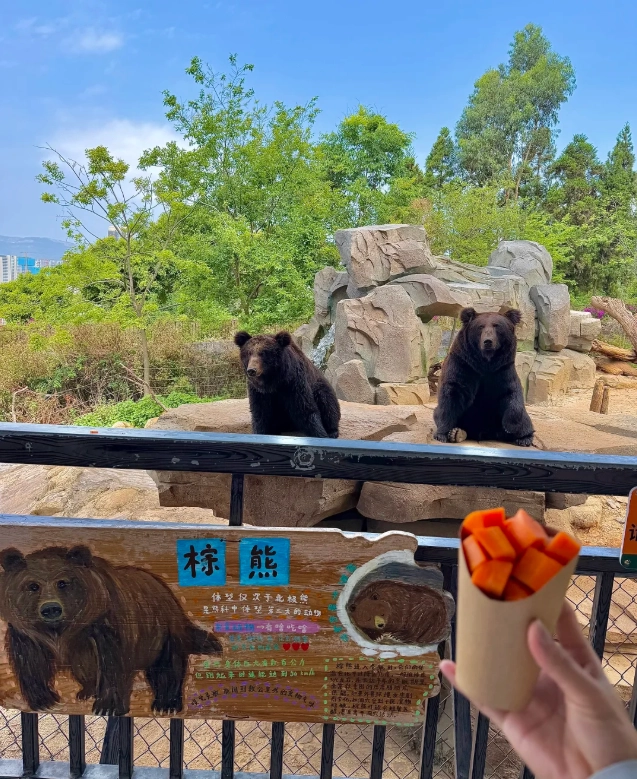
Spot 4: Giraffe Feeding Deck – Up Close Portraits
Location: Near the park’s central plaza, about 10‑minute shuttle ride from the aviary.
Best time: 11:00 AM – 12:00 PM (feeding sessions are scheduled, check the board at the deck).
Fee: 20 CNY per person for a handful of leaves (cash or WeChat Pay).
The elevated deck puts you at eye level with adult giraffes. This is where you get those National‑Geographic‑style close‑ups. Most people shoot upward from the ground and get weird chin angles. Not here. Use a wide aperture (f/2.8–f/4) to blur the background, and focus on the eye. I always position myself behind the feeding crowd so the giraffe’s head is cleanly isolated against the sky.
One weird trick: shoot through the gaps between people. The deck is narrow, and groups tend to cluster on the right side. Wait on the left side for a minute — you’ll get a clear shot without strangers’ arms in the frame.
Spot 5: The Lake Area – Reflections & Waterbirds
Location: Near the exit, a 5‑minute walk from the giraffe deck.
Best time: 12:00 – 12:30 PM (the light is still good, and most tourists are heading to lunch).
The lake is small but hosts pelicans, swans, and some wild ducks. The water is clean enough for reflections if the wind is calm. I bring a 70‑200mm and shoot from a low crouch near the shore to compress the reflection. Midday sun creates harsh shadows on the birds’ white feathers, so underexpose by 0.7 stops to retain detail. Pelicans often do a flapping display around noon — keep your burst mode ready.
Honestly, this spot is hit or miss. Some days the water is too rippled, or the birds are hiding. If it’s not working, skip it and head to the exit gift shop for a cold drink. No shame in cutting losses.
Gear Checklist – What I Actually Carry
| Item | Why I Bring It | Rating |
|---|---|---|
| 70‑200mm f/2.8 | Versatile for most enclosures; fast aperture for low light | Must‑have |
| 24‑70mm f/4 | Wide shots in the aviary and environment portraits | Useful |
| Polarizing filter (77mm) | Reduces glare from glass and water; improves colors | Highly recommended |
| Monopod | Steadies long lenses when you can’t use a tripod (not allowed in some areas) | Good for stability |
| Extra battery & SD cards | You’ll shoot more than you expect; no power outlets inside | Essential |
| Rain cover | Sudden downpours happen (especially June‑August) | Smart to have |
Common Mistakes That Ruin Shots
- Using digital zoom. No, seriously. I’ve seen tourists pinch‑zoom on their phones. If you don’t have a telephoto lens, get closer — but not too close (respect fences).
- Shooting through fence mesh. Put your lens right against the mesh (if it’s a grid) or find a gap. Autofocus will hunt otherwise.
- Ignoring background. A tiger looks less majestic with a trash can behind it. Pause and scan the frame before shooting.
- Overexposing whites. The white pelicans or swans will blow out. Dial in -0.7 EV compensation when they fill the frame.
- Forgetting to turn off VR on a monopod. Vibration reduction can actually blur images when the lens is steady. Switch to standard mode or turn it off.
Frequently Asked Questions
Verified and fact-checked by the editorial team.





No comments yet.