 Wei Zhang
Quick Navigation
I’ve led dozens of groups through Tiger Leaping Gorge, and every single time someone asks: “Where should I stand to get *that* shot?” The gorge is massive — 15 kilometers of raw canyon, with the Jinsha River roaring 3,000 meters below. But most tourists end up with the same boring snap from the main viewing deck. Don’t be that person.
Here’s the thing — the best photo spots aren’t marked on any official map. You need to hike a bit, dodge the tour buses, and know exactly when the light hits those cliffs. I’ll break it down so you can get frame-worthy images without fighting the crowds.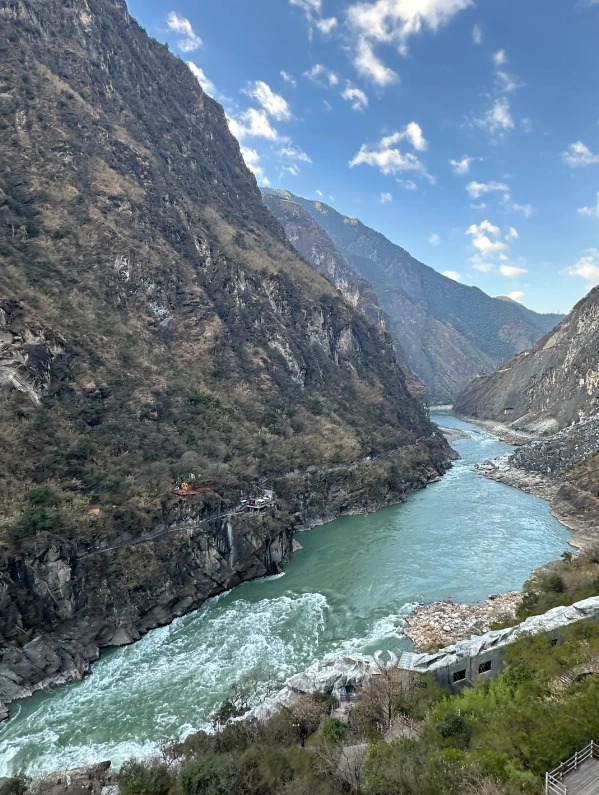
Best Photography Spots in Tiger Leaping Gorge
1. Upper Gorge (Tiger Leaping Rock Viewpoint)
This is the most accessible spot — right at the end of the paved walkway. You’ll see the famous rock in the middle of the river. But honestly? The classic angle is overrated. Instead, climb the small hill to your left after the main platform. From there you get a sweeping curve of the river with the rock as a focal point.
Location: End of the main tourist trail, about 1 km from the entrance. Difficulty: Easy (wheelchair accessible to the main deck, but not to the hill). Best time: 9:00–11:00 AM (sunlight illuminates the river).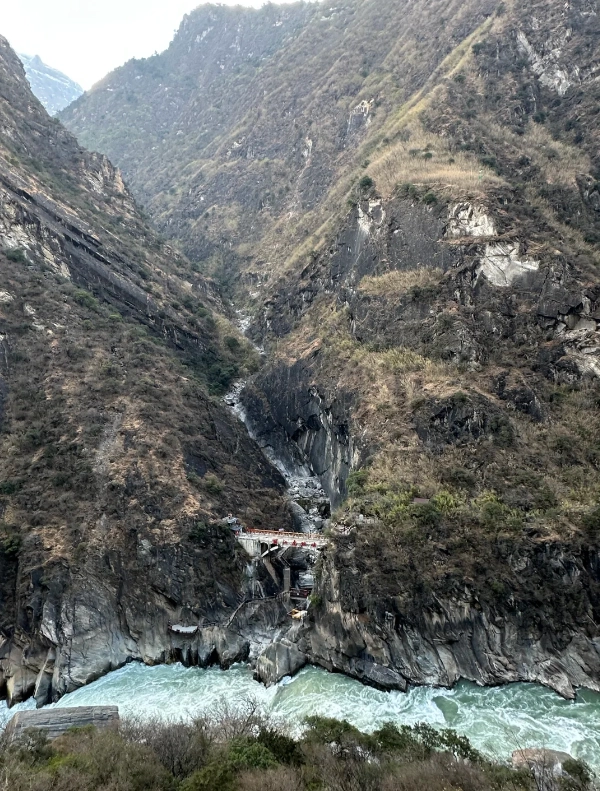
2. Middle Gorge (Walnut Grove / Halfway Guesthouse area)
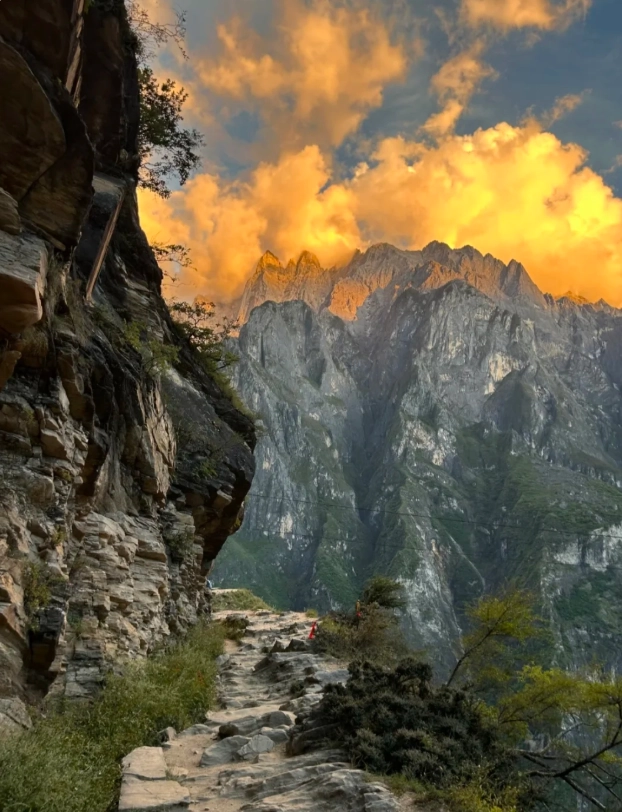
This is where the magic happens — the narrowest part of the gorge, with vertical cliffs dropping straight into whitewater. The best shot is from the trail just below Halfway Guesthouse. Look for a flat boulder jutting out over the drop. I’ve taken my best long-exposure shots here.
Location: 4 km hike from Upper Gorge or 2 km from the Middle Gorge entrance (ticket required). Difficulty: Moderate (steep sections with chains). Best time: 4:00–6:00 PM (warm golden light on the cliffs).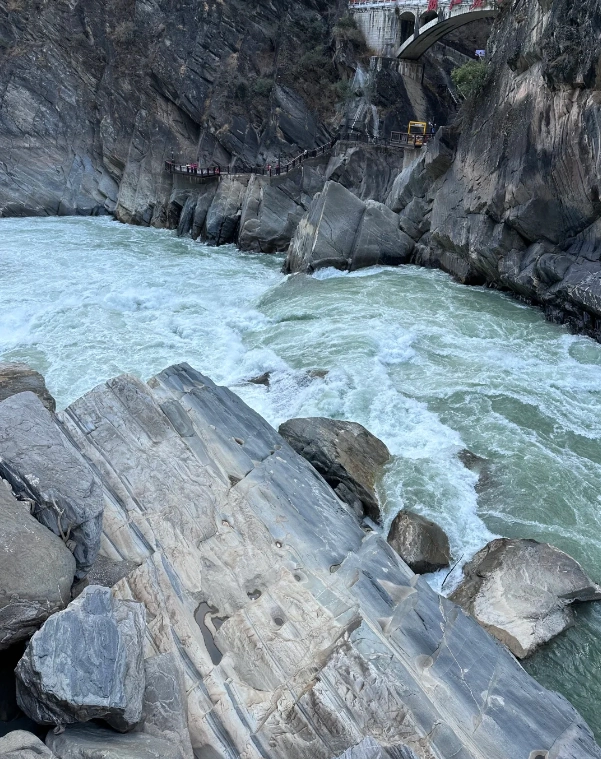
3. Lower Gorge (First Bend / Jianchuan area)
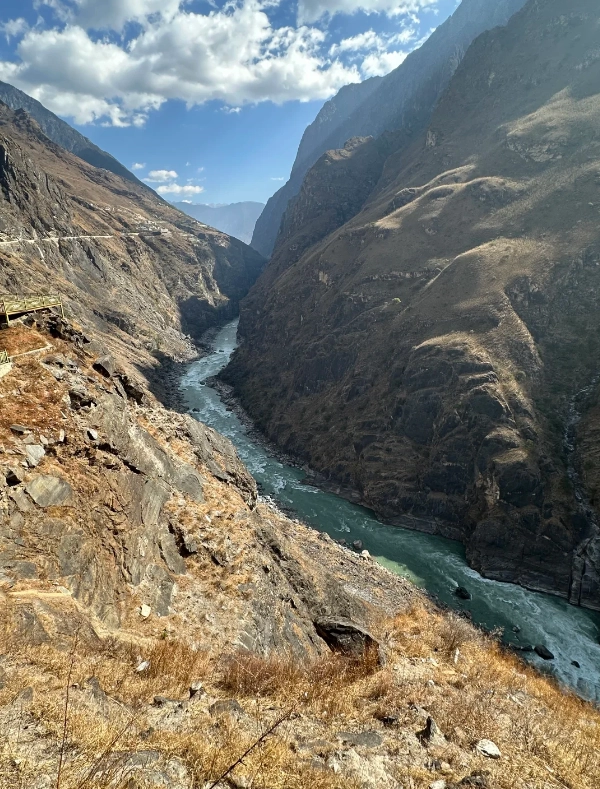
Few tourists make it here, which means you’ll have the viewpoint to yourself. The river makes a dramatic 180-degree turn, creating a natural frame with layered mountains. Use a telephoto lens (70-200mm) to compress the layers and emphasize the curves.
Location: 12 km downstream from Upper Gorge. You’ll need a private car or taxi (about 30 minutes from the main entrance). Difficulty: Easy (flat path). Best time: Sunrise (7:00–8:30 AM) — the mist over the river is incredible.
When to Shoot for Perfect Light
Light in the gorge is tricky — the high walls block the sun for most of the day. Here’s a quick table I give my clients: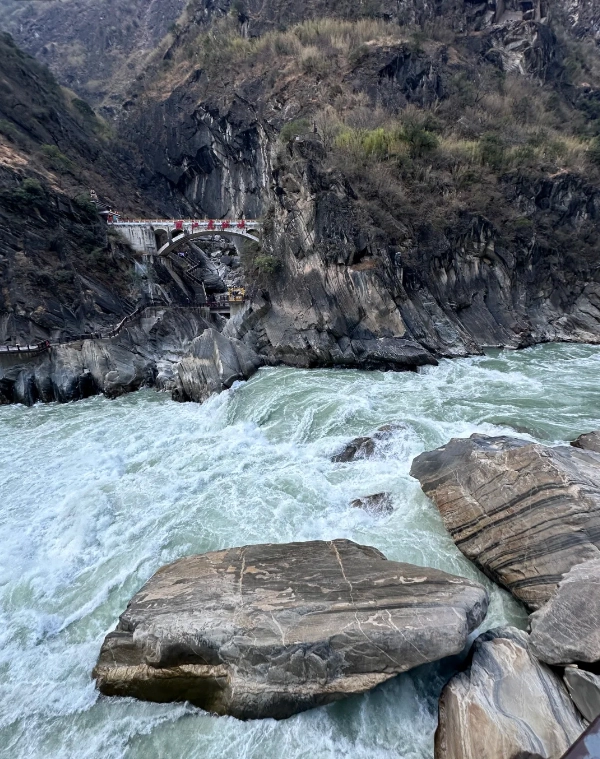
| Time | Light Condition | Best Spot |
|---|---|---|
| 7:00–9:00 AM | Soft, misty, low angle | Lower Gorge (sunrise) |
| 9:00–11:00 AM | Direct sunlight hits the river | Upper Gorge |
| 11:00 AM–3:00 PM | Harsh overhead shadows | Middle Gorge (avoid — too contrasty) |
| 3:00–6:00 PM | Warm golden side light | Middle Gorge (best for landscape) |
| After 6:00 PM | Rapidly fading, blue hour | Any spot with a tripod |
How to Avoid Crowds in Your Photos
Tour buses roll in from Lijiang around 10 AM and leave by 2 PM. If you want empty shots, either be early or late. Here is the catch — the main entrance opens at 7:30 AM, but the ticket office doesn’t start selling until 8:00 AM. Show up at 7:45, buy your ticket, and you’ll have the Upper Gorge to yourself until 9:30.
Another trick: skip the main walkway and take the high trail. From the entrance, turn left instead of right. You’ll follow an old mule path that runs parallel to the tourist route but stays 50 meters above it. You get a better angle — and zero people in your frame.
One more thing — don’t forget to look behind you. Most photographers face the river, but the opposite cliff often has amazing texture and light. I’ve sold prints of a simple rock wall because the afternoon sun painted it gold.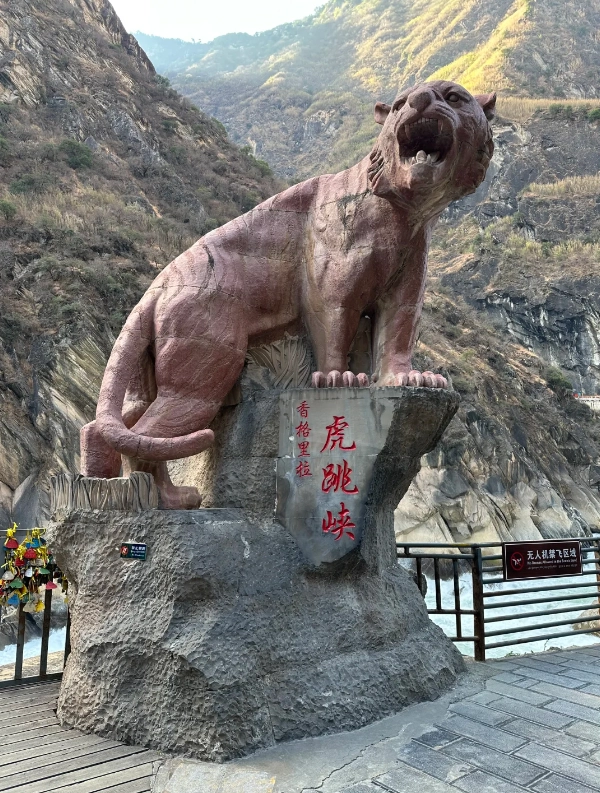
Essential Gear and Permits
Camera Gear
- Lens: 16-35mm for wide shots, 70-200mm for compression. A 24-70mm walkaround works, but you’ll miss the extremes.
- Tripod: Absolutely necessary for long exposures (1-4 seconds to smooth the water). Mine is carbon fiber — light enough for the hike.
- Filters: Circular polarizer (cuts glare on wet rocks) and a 6-stop ND filter (for daytime long exposures).
- Other: Lens cloth (spray from the river is constant), extra batteries (cold drains them fast).
Permits and Tickets
| Item | Price | Where to Get | Notes |
|---|---|---|---|
| Entrance ticket | 45 CNY (adult), 22.5 CNY (student/senior) | Official ticket booth or WeChat mini-program “Lijiang Tourism” | No international cards — bring cash or Alipay |
| Middle Gorge access | 15 CNY (optional) | At the trail gate (cash only) | Paid to local villagers for trail maintenance |
| Drone permit | Not allowed without special permission | Apply via CAAC (Chinese aviation authority) — nearly impossible for tourists | Don’t fly — you’ll get fined and your drone confiscated |
Opening hours: 8:00 AM – 6:00 PM (last entry 5:00 PM). The gorge is open year-round, but heavy rain may close the trails — check the Lijiang Tourism Board for updates.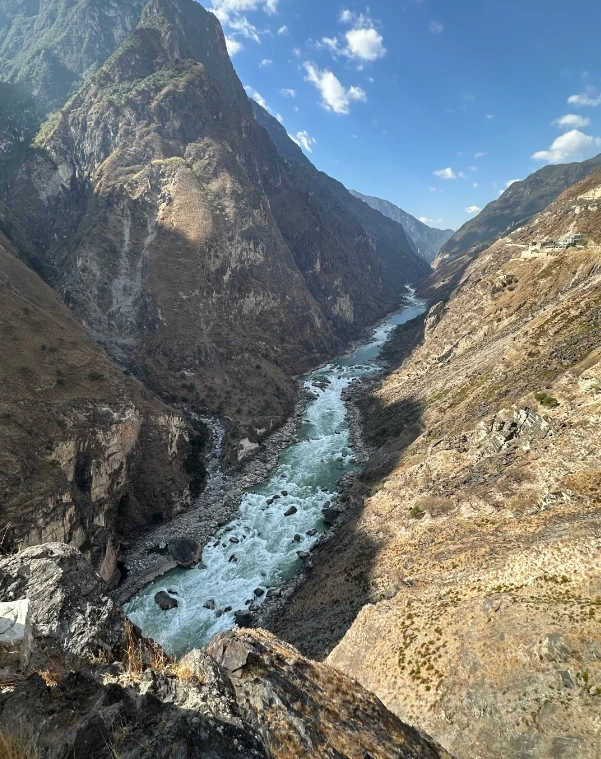
Photography Tips from a Local Guide
I’ve made every mistake you can imagine. Here’s what I’ve learned:
- Don’t trust the weather forecast. The gorge creates its own microclimate. I’ve seen clear skies in Lijiang turn into drizzle at the gorge. Always carry a rain cover for your camera.
- Watch your step. I once saw a photographer back up for a better angle and almost fall into the river. The rocks are loose near the edge. Use a spotter if you’re alone.
- Shoot in raw. The dynamic range in the gorge is huge — raw files let you recover shadows and highlights.
- Include a human element. A small figure on the trail gives scale. Ask a fellow hiker to stand on a boulder (I often use my clients).
Frequently Asked Questions
Verified and fact-checked by the editorial team.





No comments yet.