 Bo Wu
Bo Wu
You're walking through the massive, converted factory halls of Beijing's 798 Art District, surrounded by incredible contemporary art, but a question nags at you: what can you actually buy and take home? The place is huge, and not every gallery sells to casual visitors. Many pieces are monumental, priced for museums, or simply not for sale. I've spent countless afternoons here, often leaving empty-handed until I learned where to look. This guide is about cutting through the exhibition-only spaces to find the unique, purchasable treasures that make 798 a real shopping destination, not just a visual spectacle.
Forget generic keychains. The best purchases here are conversation starters—pieces with a story, tied directly to China's pulsing contemporary art scene.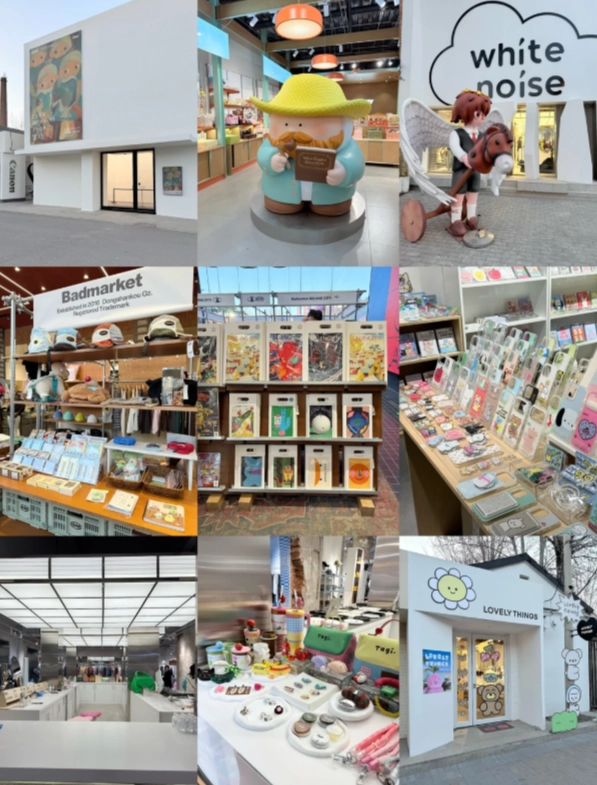
Your Quick Guide to 798 Shopping
Original Art from Galleries (The Big Ticket Items)
This is the dream, right? Buying an original piece straight from a gallery in one of Asia's most famous art zones. It's possible, but you need to know the landscape. Major blue-chip galleries like Galleria Continua or Pace Beijing primarily deal with established collectors and institutions. Walking in and buying a Liu Wei off the wall isn't the typical scenario. However, many excellent mid-size and artist-run spaces sell directly.
The key is to look for galleries representing emerging or mid-career artists. Their prices are more accessible, often ranging from $800 to $5,000 USD for works on paper, smaller canvases, or sculptures. I had a great experience at a space tucked behind the main road, where the gallerist was happy to discuss the young artist's process and offered a straightforward price for a beautiful ink-and-acrylic piece.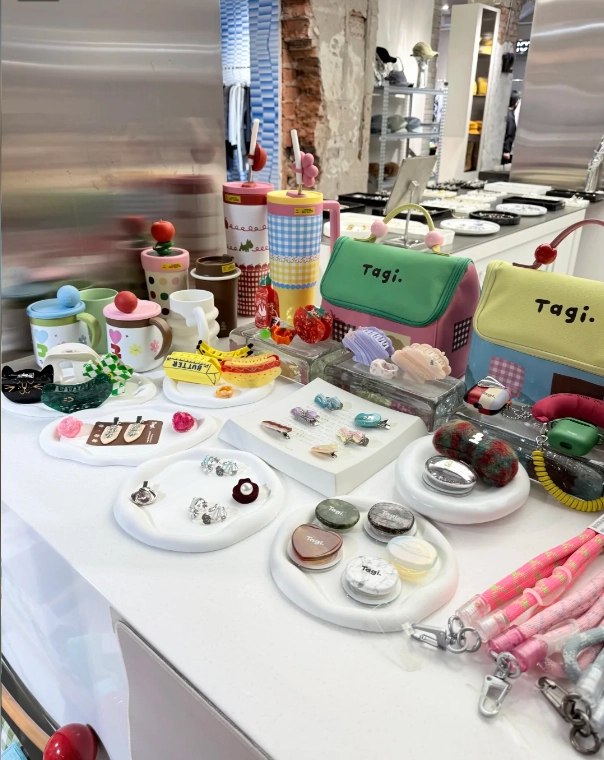
Be prepared for a transaction that might involve an invoice, wire transfer, or other formalities. They can usually arrange shipping internationally, but factor that cost in. The certificate of authenticity you'll receive is crucial.
Designer Goods & Independent Stores
This is where 798 shopping gets really fun for most visitors. Sprinkled between the galleries are concept stores and designer boutiques selling unique, high-quality goods. You're buying design with a capital 'D' here.
Fashion and Accessories: Look for stores selling avant-garde jewelry, often using unconventional materials like resin, concrete, or folded metal. I'm particularly fond of a small boutique that makes geometric brass earrings inspired by Bauhaus architecture—a perfect fit for 798's industrial vibe. You'll also find stores with curated selections of clothing from local designers, from minimalist linen wear to deconstructed streetwear.
Homeware and Objects: This is a treasure trove. I've bought stunning ceramic cups from a studio that experiments with volcanic glazes, and a minimalist teapot that looks like a sculptural object. Another store focuses on wooden items—bowls, cutting boards, children's toys—all with a beautiful, natural grain and clean lines. Prices here are fair for the craftsmanship, typically from $30 to $300.
These stores are usually owner-operated. Chatting with the designer about their process is part of the experience and often leads to discovering their best pieces, which might be hidden in a cabinet.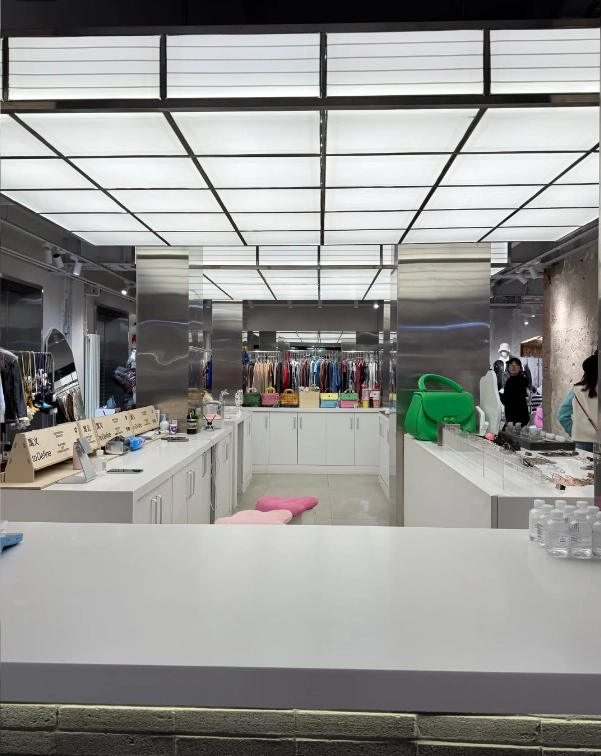
Prints, Posters, and Art Books
If an original painting is out of reach, a high-quality limited-edition print or silkscreen is the next best thing. Several galleries and dedicated print shops in 798 offer these. They are signed and numbered by the artist, making them legitimate collectibles, not posters. I've seen beautiful prints from famous Chinese contemporary artists for a fraction of their canvas price, sometimes as low as $150.
Also, don't miss the art bookstores. UCCA Center for Contemporary Art has an excellent bookstore with monographs, exhibition catalogs, and theory books, many of which are hard to find outside China. Independent bookshops stock fascinating zines, photography books, and quirky publications from local artists. They're lightweight, easy to pack, and a deep dive into the scene you're visiting.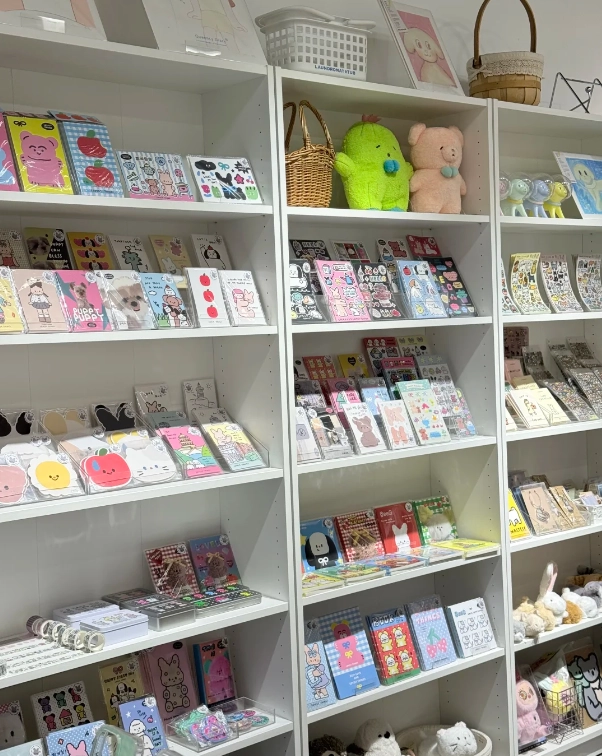
Curios, Antiques & Unexpected Finds
798 isn't an antique market, but its industrial past and creative present breed some fascinating oddities. In a few tucked-away corners, you might find stores selling:
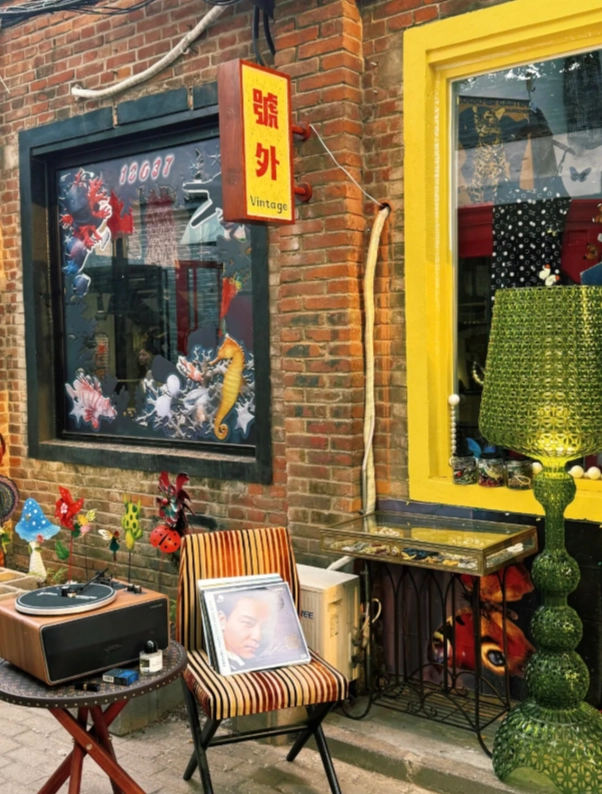
Mao-era Ephemera: Think vintage propaganda posters (newly printed reproductions are common, ask if it's original), old metal badges, or ceramic figurines. The quality varies wildly, so buy what you like visually, not as an investment.
Repurposed Industrial Objects: This is utterly unique to 798. Some artists and designers take old factory parts—gears, gauges, pressure valves—and turn them into lamps, clocks, or desk sculptures. I saw a fantastic lamp made from a retro glass meter. It's a direct piece of 798's history.
Studio Clearance Sales: Occasionally, especially towards the end of a major exhibition cycle, you might stumble upon a studio or gallery having a clear-out. It's unpredictable but can yield amazing deals on experimental pieces, prototypes, or older works. I once got a small, quirky sculpture for a song this way.
How to Shop Smart at 798: Insider Tactics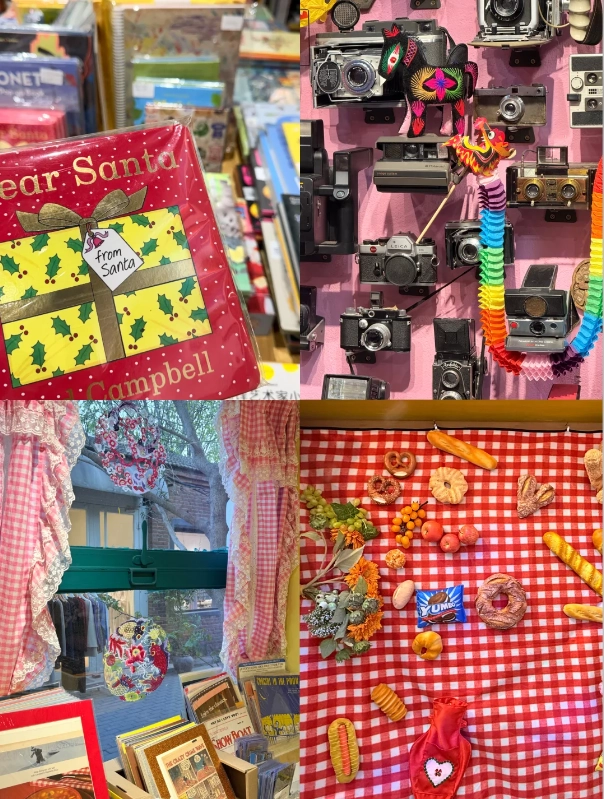
Navigating 798's sprawling layout is half the battle. Here’s how to shop like you know what you’re doing.
Timing is Everything: Go on a weekday. Weekends are packed with local tourists and families. Gallery staff have more time to talk to you on a quiet Tuesday afternoon. Most galleries and shops open around 10:30 or 11:00 AM. Avoid Mondays, as many are closed.
Cash is (Still) King, but Not Exclusive: While most established galleries and stores accept credit cards (UnionPay, Visa, Mastercard) and digital payments like WeChat Pay or Alipay, smaller vendors or spontaneous studio sales might prefer cash (RMB). Having some on hand gives you flexibility. ATMs are available but not on every corner.
Negotiation: It's not a flea market. Do not haggle in formal galleries or designer boutiques. The price is the price. However, in smaller, artist-run stalls or for certain types of curios/antiques, a polite inquiry like "Is there any flexibility on the price?" might be acceptable, especially if you're buying multiple items. Read the room.
Shipping and Customs: For large or fragile items, ask the seller to arrange shipping. It's common. Get a detailed receipt and description for customs. For original art, you must have the certificate of authenticity. Be aware of your home country's import duties on art and antiques.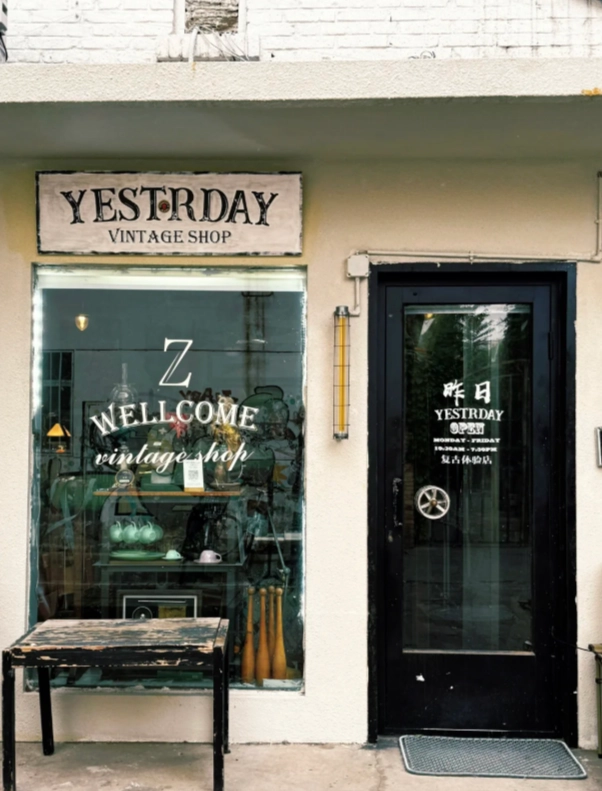
To help you plan, here’s a quick reference table for some of the purchase categories:
| Category | What You'll Find | Price Range (USD Approx.) | Best For |
|---|---|---|---|
| Gallery Art | Original paintings, sculptures, installations by emerging/mid-career artists. | $800 - $10,000+ | The serious collector or someone making a major souvenir investment. |
| Designer Goods | Jewelry, ceramics, homeware, fashion from independent designers. | $30 - $500 | Unique, high-quality gifts and personal treats with a modern Chinese aesthetic. |
| Prints & Multiples | Limited edition silkscreens, etchings, digital prints. | $100 - $800 | Owning a piece by a known artist without the five-figure price tag. |
| Art Books & Catalogs | Exhibition monographs, artist books, theory, photography. | $20 - $100 | Deepening your knowledge and bringing home a visual library. |
| Curios & Objects | Repurposed industrial items, vintage ephemera, studio oddities. | $10 - $300 | The conversational piece, the quirky souvenir with a story. |
The district is vast. Don't just stick to the main artery (Jiuxianqiao Road). Explore the perpendicular alleys and the courtyards behind large galleries. The best finds are often hidden.
Your 798 Shopping Questions Answered
 Can I get my purchases shipped overseas easily?
So, what should you buy at 798 Art District? Skip the obvious souvenirs. Target the unique artifact—the designer ceramic cup, the limited-edition print, the piece of jewelry from a local atelier, or if your budget allows, a work from a rising artistic talent. Your purchase becomes more than an object; it's a tangible connection to the creative energy of this extraordinary place. Happy hunting.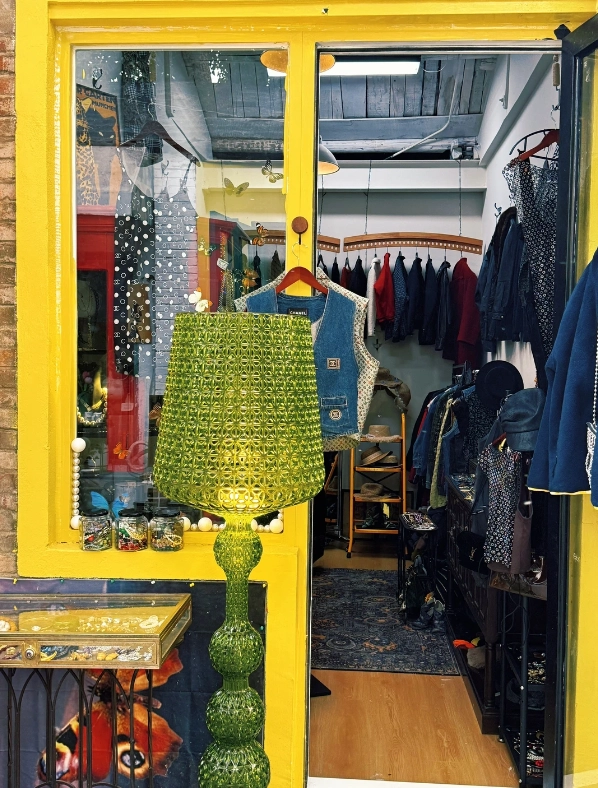
This guide is based on extensive personal visits and direct interactions with gallery owners and store operators in the 798 Art District. Details regarding payment methods and store offerings were verified during recent visits. For official information about the district's layout and major institutions, you can refer to the Beijing Tourism website.





Was excited to shop for souvenirs here based on the hype, but left a bit disappointed. Most of the 'unique' art pieces were either overpriced or looked like factory reproductions. I found a few nice prints but they were double the price I'd pay online. The area itself is interesting, but the shopping part didn't live up to expectations.
Good place to find original art, but I felt the prices in some galleries were a bit inflated for what you get. Still, I managed to pick up a cool metal sculpture for about 200 RMB, which felt fair. The atmosphere is great, but be prepared to haggle at the smaller stalls. Nice afternoon, though not mind-blowing.
So many quirky little shops! I bought a hand-painted wooden bookmark and a tiny oil painting for my apartment. Everything felt authentic and not mass-produced. The sellers were passionate and happy to chat about their work. One of the best shopping experiences in Beijing.
Found some really cool prints and postcards here that you won't see anywhere else. The vibe is super creative and the galleries are fun to browse even if you're not buying. I grabbed a couple of silk scarves with abstract patterns — perfect gifts. Only wish I had more time to explore every corner.
Absolutely loved exploring the 798 Art District! I was on the hunt for a unique souvenir and ended up buying a small handmade ceramic vase from a local artist's studio. The colors were so vibrant, and the artist even explained the glazing technique to me. Prices were surprisingly reasonable for original art. Definitely coming back for more!
Stumbled upon a tiny ceramic workshop tucked away in a side alley — best find of my entire trip! The potter was throwing clay on the wheel and let me watch for a while. I ended up buying a small, slightly imperfect cup that he said was his ‘happy accident’. It’s now my favorite mug back home. 798 feels like a treasure hunt; you just have to wander off the main paths. Absolutely magical experience.
Honestly, I was a little let down by 798. Maybe I set my expectations too high, but the area felt overcrowded and the ‘unique’ souvenirs I saw were mostly the same cheap keychains and fridge magnets you find everywhere in Beijing. The art in the galleries is impressive, but the practical side — like finding clean restrooms or places to sit — was lacking. Not worth the hype for souvenir shopping in my opinion.
Really enjoyed the overall experience at 798. The galleries are spacious and well-curated. I stopped by a small print shop where the owner patiently explained the lithography process — super cool! Some of the souvenir vendors were a bit pushy, but the majority were friendly and happy to chat. Got a lovely handmade notebook with a pressed flower cover. Would recommend going on a weekday to avoid the crowds.
Came here specifically to find interesting souvenirs, and I wasn’t disappointed! Picked up a set of enamel pins with classic Chinese motifs and a canvas tote printed with a local artist’s design. Prices are a bit steep compared to markets, but the quality and originality make up for it. My only minor complaint is that some stalls have the same mass-produced stuff — you have to dig for the real gems.
Spent a whole afternoon wandering through the 798 Art District and absolutely loved it! The mix of old factory buildings and contemporary art installations is so unique. I ended up buying a hand-painted ceramic vase from a small studio near the entrance — the artist was even there explaining her technique. The whole vibe is creative and inspiring. Definitely a must-visit for anyone who loves authentic art and quirky souvenirs.
Nice selection of postcards, posters, and small sculptures. I was specifically looking for a unique gift for a friend and ended up with a laser-cut wooden map of Beijing. Quality was good, but the prices are definitely inflated for tourists. Also, some stalls only accept cash, which was annoying. Still left satisfied.
This place is a treasure trove for anyone who loves modern art. I found a limited-edition screen print by a local artist for a steal—barely $30! The packaging was careful and the seller even gave me a signed certificate. The whole vibe of the district makes the shopping experience feel like a gallery tour. 10/10 would come back.
Honestly a bit let down. The art district itself is cool, but the souvenir shops felt repetitive and overpriced for what you get. I bought a ‘handmade’ keychain that started chipping within a day. The staff at one gallery were rude when I asked about the artist. Would only recommend if you have time to kill and don’t mind tourist traps.
Good spot for original art pieces, but be prepared to haggle at some stalls. I loved the vintage photography prints but felt they were overpriced compared to similar items I’ve seen in other art districts. Ended up buying a small acrylic painting that was reasonably priced. Worth a stop, but check a few shops before committing.
I spent an entire afternoon wandering through the galleries and pop-up stalls in 798. The variety of unique souvenirs is incredible—I picked up a hand-painted ceramic vase and some quirky prints that I haven’t seen anywhere else. The artist who sold me the vase even explained the inspiration behind the design. Definitely a must-visit for art enthusiasts looking for meaningful keepsakes.