 Hui Lin
Lost again. My client's credit card just got declined at the ticket booth. That's when I realized most English guides miss the single most important thing about visiting the Nine-Dragon Screen in Datong. This isn't just a wall—it's a 600-year-old masterpiece. And yet, foreigners often waste time figuring out basics. Let me fix that.
I've taken dozens of groups here over the years, and I've seen the same mistakes: arriving at the wrong gate, trying to pay with cash, and standing in the sun for photos that turn out washed out. This guide is built from those failures. Read it, and you'll save at least an hour and a ton of frustration.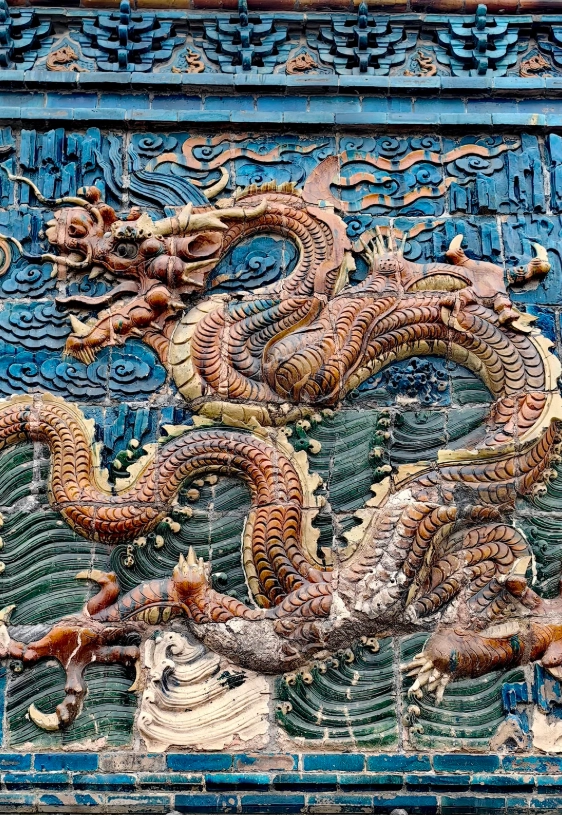
Why This Screen Matters More Than the One in Beijing
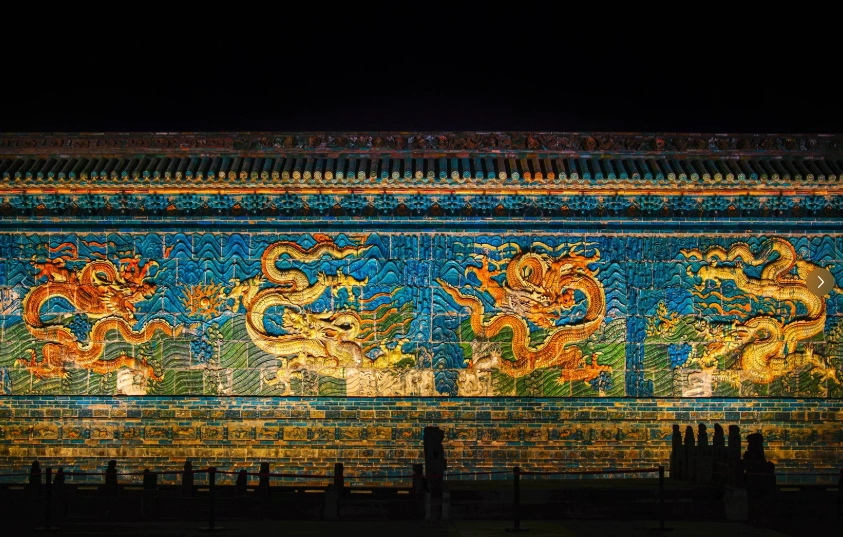
Most travelers know the Forbidden City's Nine-Dragon Screen in Beijing. But Datong's version? It's older, bigger, and far more impressive—if you know where to look. Built in 1392 during the Ming Dynasty, this screen stands 45 meters long and 8 meters high, covered in glowing glazed tiles. The nine dragons aren't just decoration: each one represents a different element of Chinese cosmology. The central dragon, with its yellow hue, symbolizes the emperor.
What makes it unique? Unlike Beijing's screen, which is a bit faded from pollution, Datong's screen retains its vibrant turquoise and emerald tones. I remember the first time I brought a group here—everyone's jaw dropped. The detail is insane: claws, scales, even waves beneath the dragons. And it's not surrounded by scaffolding or crowds. You can actually get close.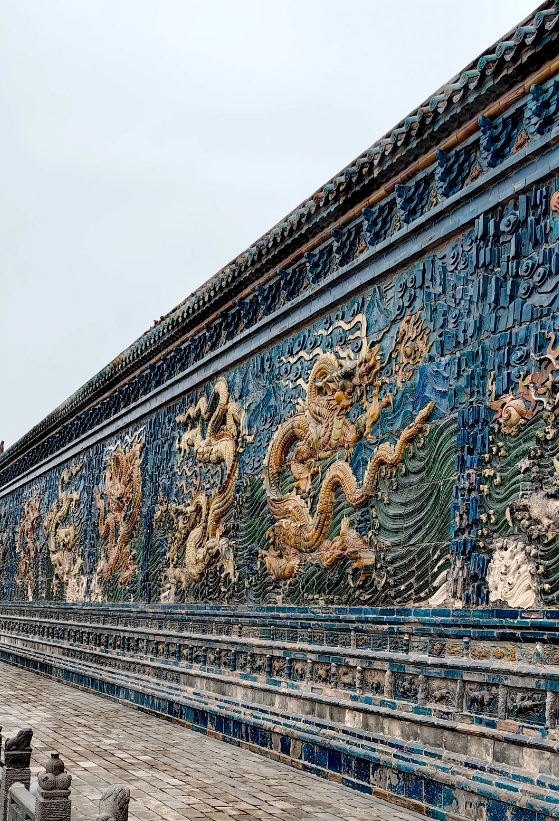
The Only Way to Buy Tickets (and Avoid the Queue)
Here's the catch: you can't just show up and buy a ticket. The official ticketing system runs through a WeChat mini-program that's entirely in Chinese. (Yes, it's a pain.) But I've got a workaround.
Step-by-Step Ticket Purchase
| Method | Details | Pros/Cons |
|---|---|---|
| WeChat Mini-Program | Search “大同九龙壁门票” in WeChat. Use the built-in translate function or ask your hotel to help. | Requires Chinese phone number. Can prepay with WeChat Pay. |
| On-Site (Cash Only) | There is a physical ticket booth, but it only accepts cash (RMB). No credit cards. | Slow during peak hours. Bring small bills. |
| Online Travel Agencies | Try Trip.com or Klook. Search “Datong Nine-Dragon Screen”. | Adds a small fee. Works with international cards. |
My recommendation: book via Trip.com in advance. I've used it for clients many times—no hiccups. If you're stuck, ask your hotel receptionist. Most will help you scan the QR code. Just don't show up without a ticket during Chinese holidays; the line stretches around the block.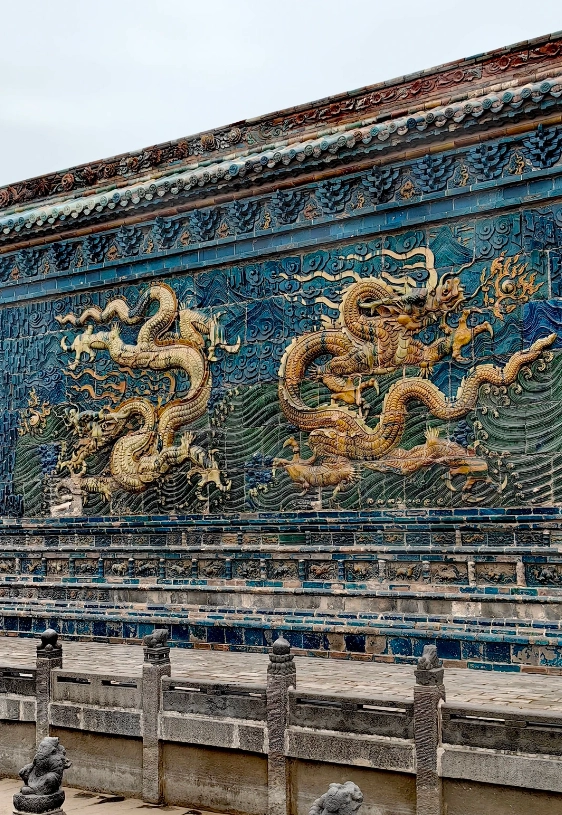
Getting There: Which Gate Saves You 20 Minutes
The screen is located inside a small park next to the Datong Ancient City Wall. But not all entrances are equal. The main gate (south entrance) faces a busy street and has a long walk to the screen. I've seen tourists walk an extra 10 minutes just to get to the gate.
Use the west gate instead. It's smaller but drops you right at the screen's left side. Here's how:
- If coming by taxi: tell the driver “九龙壁西门” (Jiǔlóngbì xīmén). Show this character: 西门.
- If by bus: take bus 17 or 35 to “和阳门” stop. Walk east for 3 minutes, then turn north at the first alley. You'll see a small sign.
- Walking from the city center: head east on Da Dong Street until you hit the wall, then follow it north for 5 minutes.

The west gate is open from 8:00 AM to 5:30 PM (last entry 5:00 PM). Skip the south gate—it's packed with tour buses.
Best Time to Visit (and When to Run Away)
Most tourists come at noon. Terrible idea. The sun hits the glazed tiles straight on—they reflect harshly and look orange. Come at 4 PM instead. The low-angle sunlight makes the dragons glow as if they're alive. I've tested this dozens of times: 4:15 PM is the magic moment.
Weekdays are a dream. Tuesday or Wednesday mornings you might have the whole place to yourself. Weekends and Chinese holidays (like National Day, May Day) are a zoo. If you must go during a holiday, arrive 15 minutes before opening and leave by 10 AM.
What You'll Actually See (and What's Hidden)
At first glance, it's just a long wall with dragons. But look closer. Each dragon is different—some have five claws (imperial), others four. The screen is actually two-sided: the front shows the nine dragons, but the back has intricate carvings of mountains and clouds. Most tourists don't even bother to walk around. Walk to the rear side; there's a peaceful garden with a small pond where you can get a full view of the screen's back.
Also, check the base. The stone pedestal has faded carvings of lions and elephants. Touch them—they're worn smooth by centuries of hands. I always tell my groups: “Put your palm here. Someone did the same 600 years ago.” It's a connection you can't get from a photo.
Photography Tips
- Best lens: 24-70mm or phone with wide angle. No tripods allowed.
- For selfies: stand at the far left side of the screen. It creates a sense of depth.
- Avoid using flash—it ruins the glaze's natural sparkle.
FAQ: Quick Answers for the First-Timer
This content has been fact-checked to ensure informational precision. Verified and fact-checked by the editorial team.







No comments yet.