 Hong Ma
Let's be clear from the start. If you're coming to Famen Temple expecting just another ancient pagoda in a quiet garden, you're in for a shock. The scale is immense, the architecture is a bold statement, and at its core lies something so significant it reshaped the understanding of Buddhist history in China. I've walked its long avenues and stood in the quiet chamber where the relic is kept. The experience is layered—part spiritual pilgrimage, part awe at Tang Dynasty craftsmanship, and part navigation of a vast modern complex. This guide cuts through the noise. I'll tell you exactly what makes Famen Temple worth the trip from Xi'an, how to plan your visit to avoid frustration, and what you absolutely must not miss inside.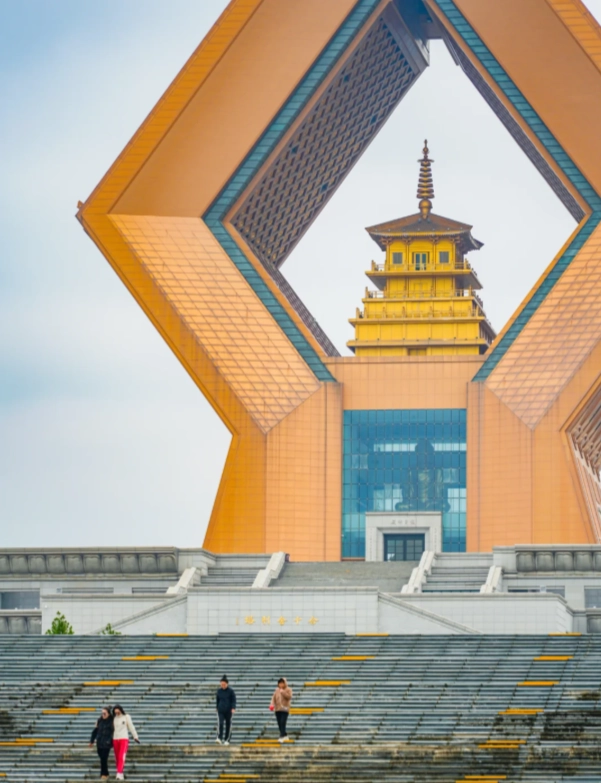
What's Inside This Guide
Why Famen Temple Matters: The Story Behind the Relic
For centuries, Famen Temple was a respected but not exceptional monastery. That changed in 1987. During repairs to the half-collapsed Ming Dynasty pagoda, workers discovered an underground palace sealed since the year 874 AD. This wasn't just any vault. It was the imperial Tang Dynasty crypt, built to house the most sacred Buddhist treasure in the land: a finger bone relic said to be from Siddhartha Gautama, the historical Buddha.
The discovery was monumental. The sheer wealth of artifacts—over 2,000 pieces of gold, silver, glass, porcelain, and silk—offered an untouched snapshot of Tang court life and devotion at its peak. But the relic was the centerpiece. Its existence confirmed historical records and instantly elevated Famen Temple to one of the most important Buddhist sites in the world. Walking through the museum, you're not just looking at old objects. You're looking at gifts from emperors, made with techniques that still baffle experts, all offered to honor this single sacred object.
A personal note: The first time I saw the relic chamber replica in the museum, I focused on the jewels and gold. It was on a later visit, reading the translations of the stone tablets that catalogued every donation, that it hit me. This was a time capsule of faith. Every item had a donor, a date, a purpose. It makes the experience far more human than just viewing shiny things in a case.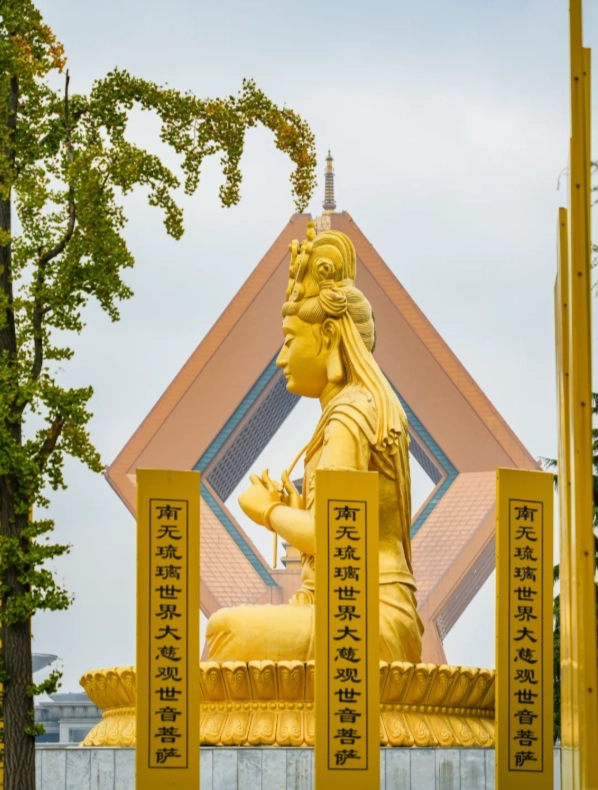
Planning Your Visit: Tickets, Hours, and Getting There
Famen Temple is a full-day trip. It's located in Fufeng County, under the jurisdiction of Baoji City, about 120 kilometers west of Xi'an. The complex is huge, with long walkways connecting the main areas. Comfortable shoes are non-negotiable.
Here are the essential details you need to plan:
| Detail | Information |
|---|---|
| Official Address | Famen Temple Cultural Scenic Area, Famen Town, Fufeng County, Baoji City, Shaanxi Province. (陕西省宝鸡市扶风县法门镇法门寺文化景区) |
| Opening Hours | Peak Season (Mar - Nov): 8:30 AM - 5:30 PM. Off-Season (Dec - Feb): 9:00 AM - 5:00 PM. Last entry is usually one hour before closing. |
| Ticket Price | Approximately 100 CNY for the full scenic area pass. This includes access to the old temple grounds, the underground palace, the museum (Famen Temple Museum), and the new ceremonial area. Prices can fluctuate slightly, so checking the official WeChat account or a reliable travel platform like Ctrip before you go is wise. |
| Time Needed | A thorough visit takes 4 to 5 hours minimum. If you move quickly and skip reading, you might do it in 3. Rushing here is a mistake. |
Pro Tip on Tickets: Buy your ticket online in advance through platforms like Ctrip or Meituan. You'll often find small discounts (5-10 CNY), but more importantly, you'll skip the often-lengthy queue at the ticket office, especially on weekends and holidays. Just show the QR code at the gate.
Exploring the Complex: A Walkthrough of Key Areas
The scenic area is divided into two distinct parts: the historic core (the old temple) and the vast new ceremonial plaza. Most visitors enter from the south gate and walk north along the central axis.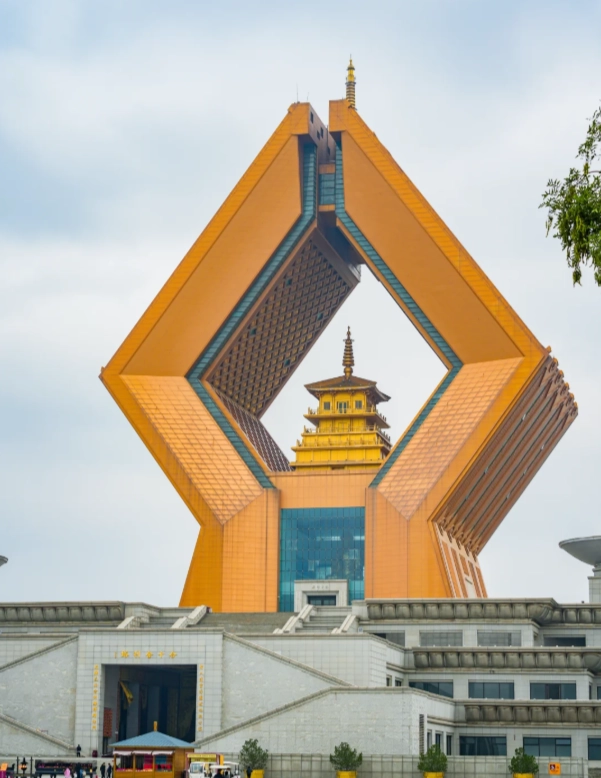
The Old Temple and Underground Palace
This is the soul of the place. You'll see the reconstructed Ming Dynasty pagoda, under which the crypt was found. The real magic is going down into the Underground Palace (Dìgōng). It's a careful reconstruction of the Tang-era crypt on the exact original site. The atmosphere is hushed and dimly lit. You walk through a series of chambers, seeing replicas of the stone doors and the nested treasure chests (the outermost is stone, then iron, then silver-gilt, etc.) that protected the relic. Standing at the central altar, where the relic was enshrined, gives you a tangible sense of history you can't get from the new buildings.
Right next door is the Famen Temple Museum (Fǎmén Sì Bówùguǎn). Do not, under any circumstances, skip this. This is where the actual treasures from the crypt are displayed. The craftsmanship is staggering.
- The Gold and Silver Ware: Tea sets, incense burners, and containers so intricate you have to see them up close. The gilded silver teapon with a dancing lion finial is a masterpiece.
- The Secret-Colored Porcelain (Mìsè Cí): For a long time, this type of exquisite celadon-glazed porcelain was only mentioned in ancient texts. The discovery here provided the first definitive examples, solving a historical mystery.
- The Silk Fabrics: Mostly faded now, but the fragments display incredibly advanced weaving techniques for the time.
The museum is laid out logically, but it can be overwhelming. My advice? Focus on a few key pieces rather than trying to see everything. The relic itself is not kept in the museum's main halls.
The New Ceremonial Plaza and Namaste Dagoba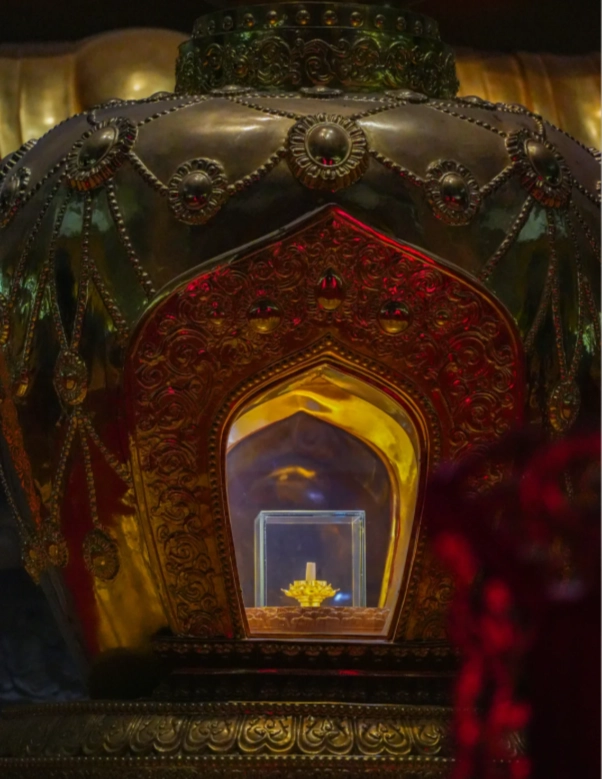
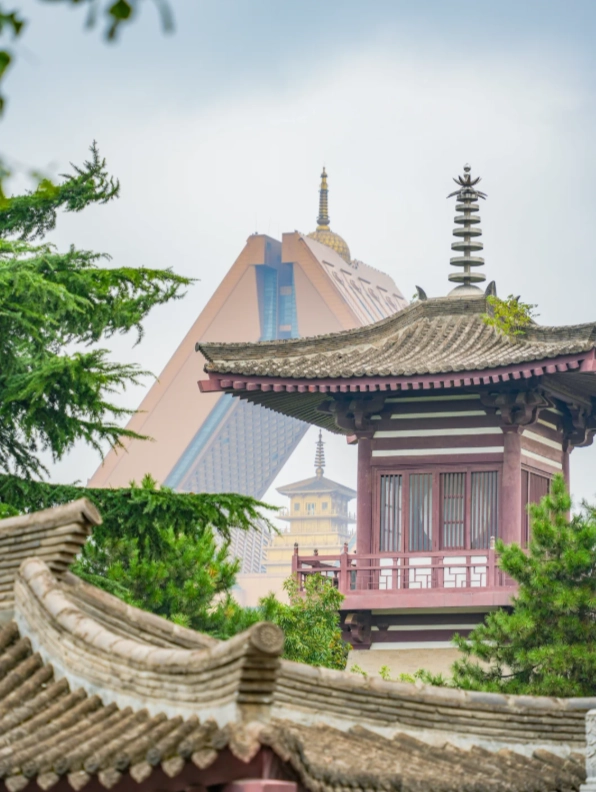
Leaving the old temple, you walk down a very long, wide processional way flanked by golden Buddhist statues and banners. This leads to the vast plaza dominated by the enormous Namaste Dagoba (Héshí Dàjiǎotǎ). This modern structure, shaped like hands together in prayer, is where the sacred Buddha finger relic is now enshrined for public veneration.
Here's the critical visitor detail everyone misses: The relic is only displayed on the first and fifteenth days of the lunar month, as well as major Buddhist holidays. On regular days, you can enter the grand hall beneath the dagoba, which is impressive in its own right, but you will not see the relic. If seeing it is your primary goal, you must plan your visit date around the lunar calendar.
The scale of this area is designed to impress, and it does. Some find it overly grandiose compared to the humble old temple. I think the contrast is part of the story—it shows the enduring importance of the relic across vastly different eras.
How to Get to Famen Temple from Xi'an
You have three main options, each with different trade-offs between cost, time, and convenience.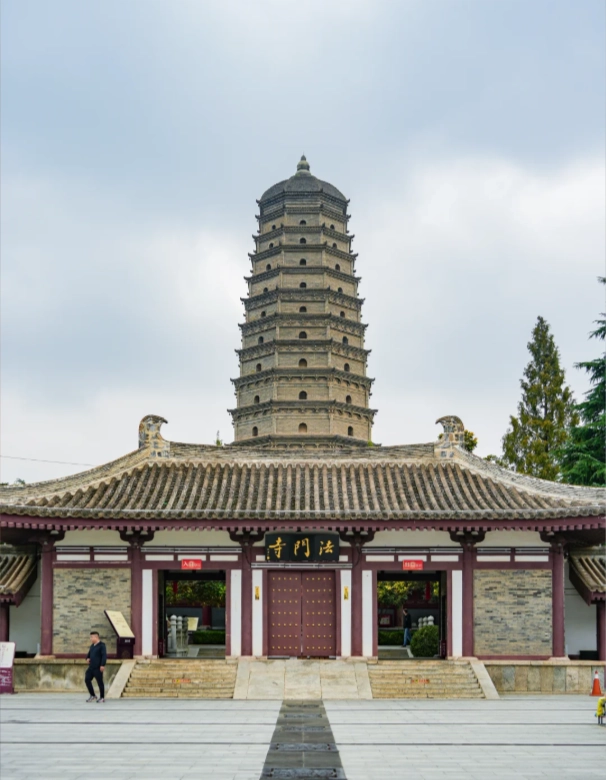
Option 1: Tourist Bus (Most Direct for Solo Travelers)
Direct buses run from the Xi'an City Stadium East Gate parking lot. The journey takes about 1.5 to 2 hours depending on traffic. Buses usually depart in the morning (around 8:00-9:00 AM) and return in the afternoon (3:00-4:00 PM). This is straightforward and drops you right at the scenic area entrance. The downside is you're on their schedule.
Option 2: High-Speed Train + Taxi (Fastest & Most Flexible)
Take a high-speed train from Xi'an North Railway Station to Qishan County Station. The ride is about 30 minutes. From Qishan Station, it's a 20-minute taxi ride to Famen Temple (cost around 30-40 CNY). This gives you control over your departure and return times. You can book train tickets last minute via the China Railway app.
Option 3: Private Car or Tour (Most Comfortable for Groups)
Hiring a driver for the day or joining a guided tour from Xi'an is the easiest but most expensive option. It eliminates all logistical stress. If you book a tour, scrutinize the itinerary—some spend too much time at secondary shopping areas and not enough at the museum.
What is the Best Time to Visit Famen Temple?
Weather and crowds are the two biggest factors.
Best Seasons: Spring (April-May) and Autumn (September-October) offer the most pleasant temperatures for walking the extensive grounds. Summer can be brutally hot and crowded. Winter is cold but has the smallest crowds, and the stark landscape can be quite atmospheric.
Best Days: Avoid weekends and Chinese public holidays at all costs. The walkways become rivers of people, and the museum turns into a slow shuffle. Aim for a Tuesday, Wednesday, or Thursday. If you must go on a weekend, be at the gate right when it opens.
Time of Day: Get there at opening time. You'll have the old temple and museum relatively to yourself for the first hour. Most tour groups arrive between 10:30 AM and 2:00 PM.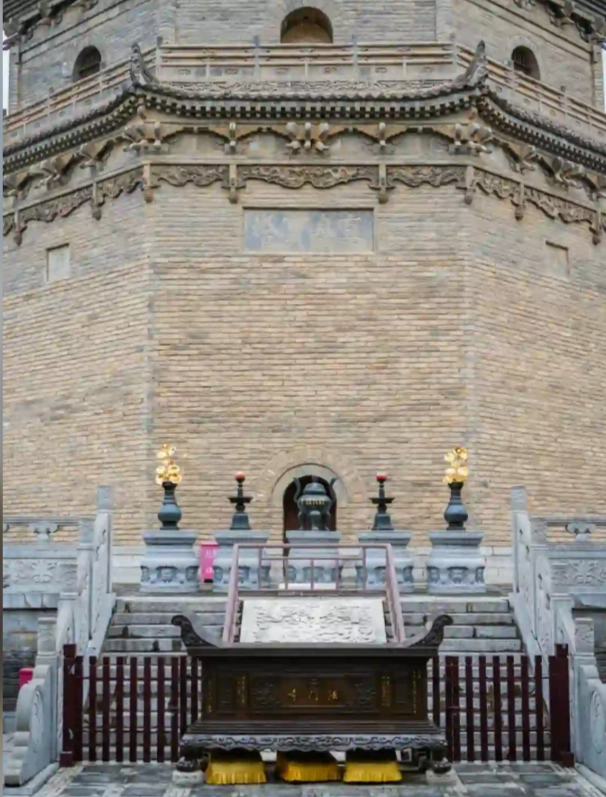
Your Questions About Visiting Famen Temple Answered
 How should I dress for a visit to Famen Temple?
Famen Temple challenges expectations. It's not a cozy, ancient hideaway. It's a statement—ancient faith meeting modern ambition, all centered on an object of profound significance. Go for the relic, stay for the Tang Dynasty gold, and leave with a deeper understanding of China's Buddhist heritage. Plan for the walk, prioritize the museum, and pick a quiet day. Do that, and your visit will be far more than just a checked box on a Shaanxi itinerary.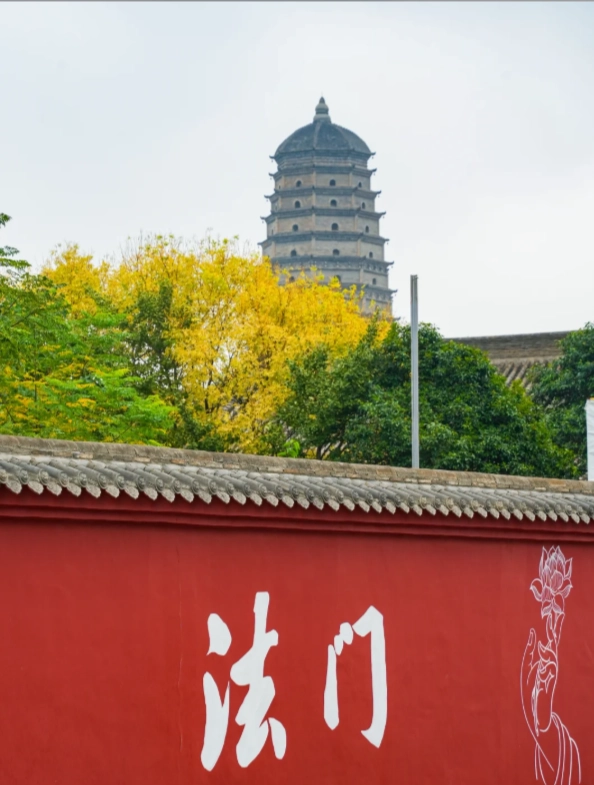
This guide is based on multiple personal visits and cross-referenced with information from the Famen Temple Museum's official displays and the Shaanxi Cultural Heritage Administration's public resources.
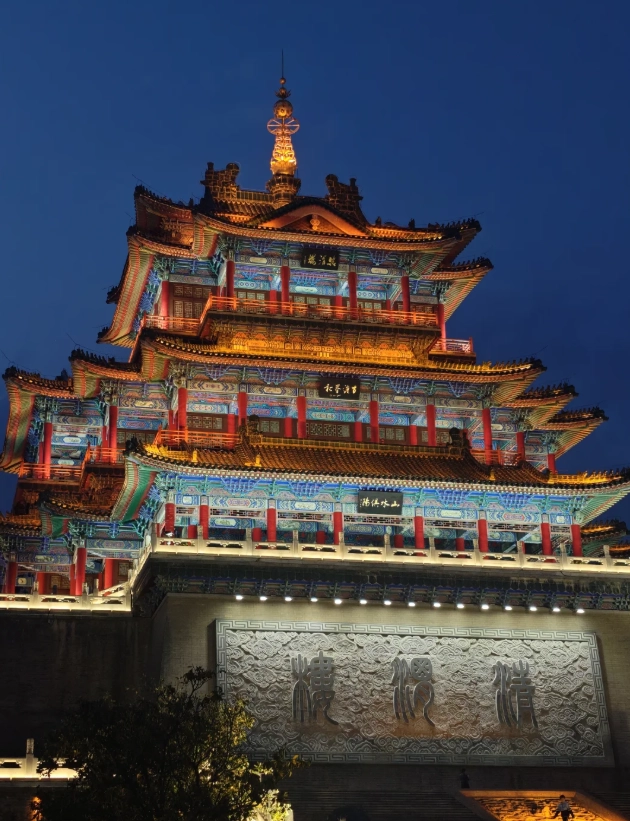
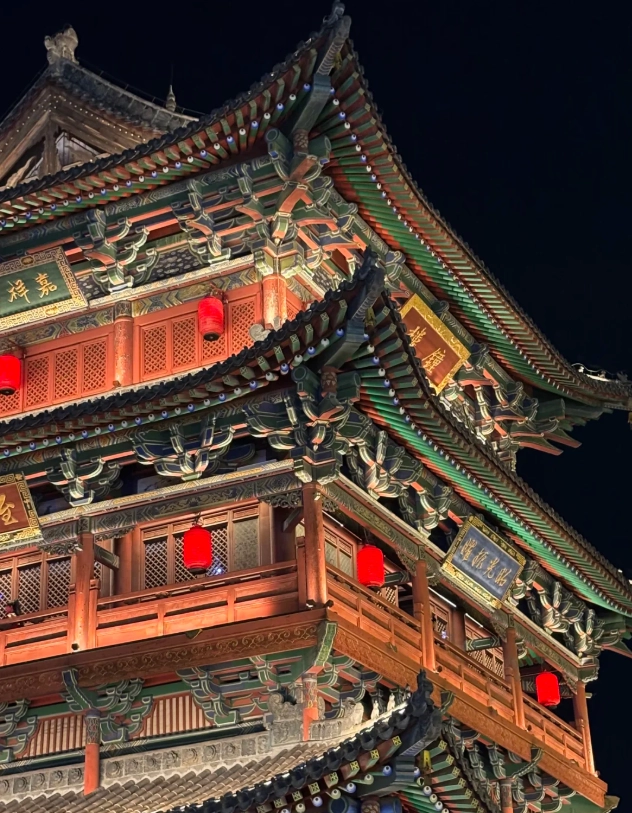






I hate to be the downer, but I left feeling a bit let down. The temple grounds are huge and very commercial – tons of vendors selling trinkets and the whole place feels more like a tourist attraction than a sacred site. The main relic is kept behind thick glass and you barely get a glimpse. Photography is heavily restricted inside the exhibition hall, which was disappointing. For the entrance price, I expected more authenticity. Just okay, not worth the hype.
Really impressive collection of relics and the architecture is stunning. However, I went on a Saturday and it was packed – long queues to get close to the relic display. Also, the entry fee felt a bit steep for what you get (150 RMB). The audio guide was helpful but sometimes hard to hear over the crowd. If you can go early on a weekday, it’s probably a 5-star experience. As it was, I’d give it a solid 4.
Took my two kids (ages 10 and 13) and they were surprisingly engaged! The sheer scale of the temple complex and the shiny golden pagoda really impressed them. We joined an English-speaking guide who explained the story of the relics in a way even my younger one could follow. The souvenir shop has some nice affordable Buddhist bracelets. Parking was easy and the staff were friendly. A perfect day trip from Xi'an.
If you’re a history buff like me, this place is paradise. The museum section is world-class – the artifacts from the Tang dynasty are displayed beautifully with great lighting and English descriptions. I especially loved the intricate filigree on the relic caskets. The temple grounds are also very well kept, with lovely gardens and a calm vibe. Only wish I had booked a guided tour to get deeper context. Still, a solid five stars.
Absolutely mind-blowing experience! Seeing the finger bone relic of the Buddha in person gave me chills – the atmosphere in the main pagoda is incredibly reverent and peaceful. The gold and silver treasures in the underground palace exhibition are jaw-droppingly well-preserved. I spent over three hours here and still felt I could have stayed longer. A must-see for anyone interested in Buddhist history or Chinese culture. Highly recommended!
This place gave me chills. Standing in front of the relic chamber where the Buddha's finger bone was kept for centuries... I'm not even Buddhist but I felt something profound. The guidebook I bought at the gift shop had great historical context. The whole complex is huge so wear comfortable shoes. Hands down the most meaningful stop on my Shaanxi trip.
The architecture alone is worth the trip. I loved the contrast between the ancient Tang dynasty style pagoda and the massive modern relic hall. The gardens are meticulously maintained and very calming. I didn't manage to see the finger bone relic because of the queue, but the other treasures in the exhibition are incredible. Bring your own water—the only shop inside is overpriced.
Honestly a bit underwhelming. The temple itself is mostly rebuilt, and the main relic hall feels more like a modern museum than a sacred space. The crowds were huge even on a Tuesday, and the security checks made it feel rushed. The guidebook I bought had some interesting photos but the layout was confusing. Not really worth the long drive from Xi'an.
Visited on a weekday and it was peaceful. The relic display is impressive, but I found the entrance fee a bit steep for what you get. The temple grounds are beautiful though, and the relic exhibition hall is climate-controlled which was nice. I'd recommend the audio guide over the book if you're short on time.
Absolutely mesmerizing! The Sacred Buddha relic is a once-in-a-lifetime sight. The museum is well-organized, and the guidebook (Famen Temple: A Guide to the Sacred Buddhist Relics and Treasures) really helped me understand the history. The golden pagoda in the background is stunning. A must-visit if you're in Xi'an!