 Lei Li
You've conquered the steps, snapped the iconic photos, and felt the history beneath your feet. Now, as you descend from the Mutianyu Great Wall, another experience unfolds—the hunt for the perfect souvenir. Let's be honest, the shopping scene here can feel overwhelming. Rows of stalls sell similar-looking trinkets, prices seem to float in the air, and you're left wondering if any of it is worth your time or money.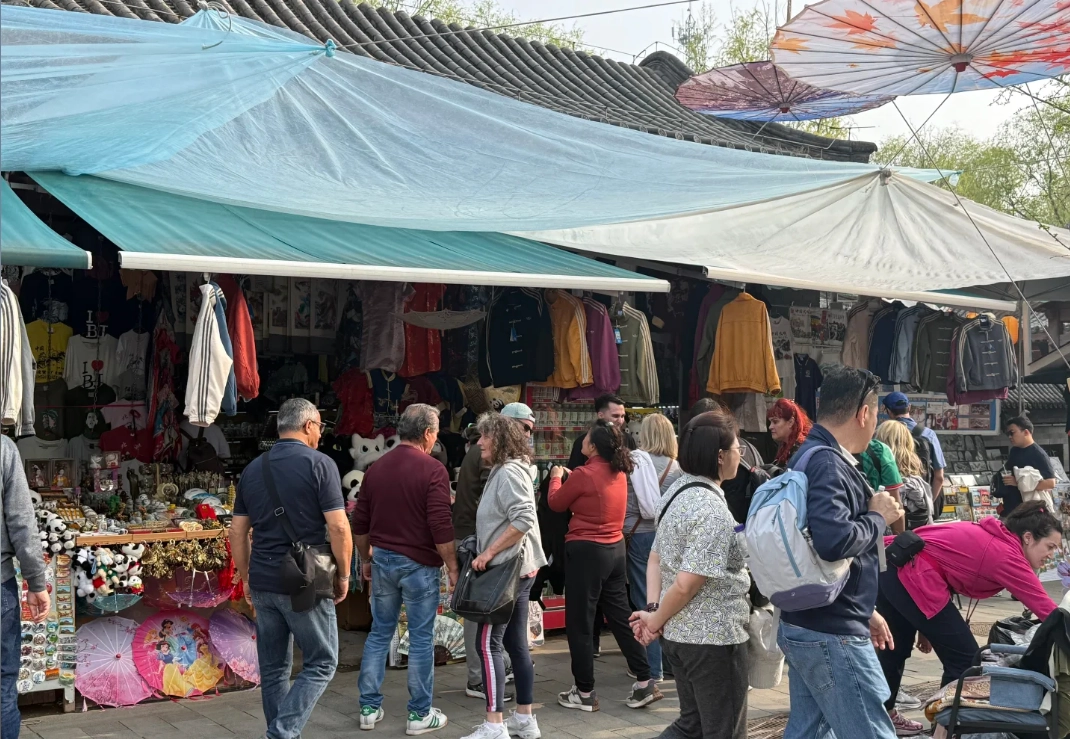
I've navigated these stalls more times than I can count, both as a wide-eyed tourist and later as a resident showing friends around. The key isn't to avoid shopping; it's to shop smart. This guide cuts through the noise. I'll show you the items actually worth buying, pinpoint the best places to find them (hint: it's not always where you think), and share the unspoken rules of bargaining that most first-timers miss. Forget generic advice; this is about making your Mutianyu visit memorable with a keepsake you'll genuinely appreciate.
Quick Navigation
Where to Shop at Mutianyu: A Location Breakdown
The shopping isn't confined to one spot. It happens in phases, and your strategy should change with each location.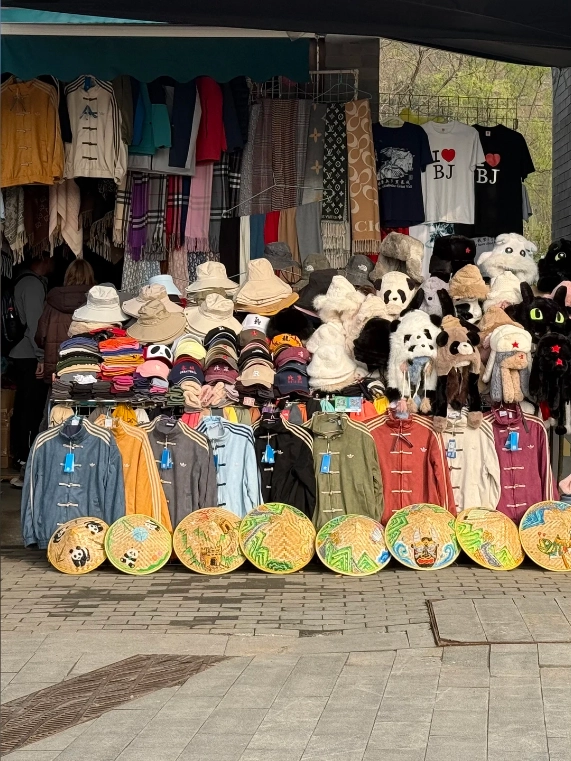
The Cable Car/Toboggan Station Area
This is your first and most intense shopping encounter. Immediately after exiting the cable car or the funicular, you're funneled through a dense, covered market. The atmosphere is energetic, with vendors calling out. Prices here tend to be at their absolute highest. Vendors assume you're fresh off the wall, maybe tired, and likely haven't seen other options. My rule? Use this area for window shopping only. Note what catches your eye, but do not buy here unless you're desperate. It's the perfect place to get a sense of the inventory and initial asking prices, which is valuable intel for later negotiations.
The Exit Gate Commercial Street
After you pass through the official exit turnstiles, you'll walk down a sloping path lined with more permanent-looking shops and stalls. This is the main shopping artery. The selection is vast, and competition is fierce, which works in your favor. I've found vendors here more willing to negotiate, especially as you move further down the street away from the exit gates. The shops on the right side (as you walk down) often have slightly better quality items in my experience, but prices are also a touch higher.
The Parking Lot Perimeter
Don't rush to your bus or car. The stalls ringing the parking lot are where some of the best deals can be found. These vendors get less foot traffic than those on the commercial street. They're often your last chance to make a sale for the day. I've secured my best prices here, particularly for items like T-shirts and smaller souvenirs. The vibe is more relaxed, and the bargaining feels less like a battle.
What to Buy at Mutianyu: Souvenirs Worth Your Money
Not all souvenirs are created equal. Focus on items that are either unique to the location, of decent quality, or serve a practical purpose beyond collecting dust.
| Item Category | What to Look For | Fair Price Range (After Bargain) | Best Place to Buy |
|---|---|---|---|
| Hand-Painted Scrolls & Calligraphy | Look for the artist's seal or signature. Real ink on rice paper feels different from mass-printed posters. Ask about the meaning of the characters. | ¥80 - ¥250 (small to medium) | Shops on Exit Street, from vendors who paint on-site. |
| "mutianyu"> | Check the fabric blend. 100% cotton holds up better. Feel the print; thicker, rubberized prints last longer than thin, cracked ones. | ¥40 - ¥80 | Parking lot stalls or lower Exit Street. |
| Commemorative Medals & Coins | Heft matters. A heavier, metal coin feels more substantial than a light, plated one. Some can be engraved with a name and date. | ¥20 - ¥50 | Everywhere, but bundle with other items. |
| Local Snacks & Tea | Hawthorn berries (Bing Tanghulu), chestnut cakes. Check expiry dates on packaged items. For tea, smell it first—fresh tea has a clear aroma. | ¥10 - ¥50 per item | Stalls near the exit gates or dedicated snack shops. |
| Jade & Stone Trinkets | Manage expectations. Most are low-grade stone or serpentine. Buy for the craft, not the value. Avoid vendors making wild "ancient jade" claims. | ¥30 - ¥150 | Shops with wider selections, not generic stalls. |
A personal favorite of mine is the hand-bound notebook with a Great Wall-themed fabric cover. It's unique, useful, and you won't find it in every stall. Look for the stalls run by older ladies who have them stacked neatly; the craftsmanship is usually better.
What to skip? The ultra-cheap keychains that turn your keys green in a week, the furry hats with "Great Wall" patches (unless it's winter and you're cold), and any electronic gadget. The quality is universally poor.
The Mutianyu Bargaining Strategy: How to Get a Fair Price
Bargaining is expected and part of the culture here. It's not a confrontation; it's a conversation. The goal isn't to crush the vendor but to arrive at a price that feels fair to both of you.
Here's the step-by-step approach I use:
1. Know the Starting Point: When a vendor gives you a price, understand it's an opening bid, often 200-300% above what they expect. Don't show shock. A simple smile or a "Hmm, that's a bit high for me" works.
2. Make Your Counteroffer: Start at about 30-40% of their asking price. If a scarf is ¥100, offer ¥30. This may feel aggressive, but it sets the negotiation range. They will act appalled. That's the script.
3. The Dance: They'll come down, you go up slightly. Use phrases like "My final price is..." or "I've seen this for less down the street." The latter is very effective if it's true. Always bargain with cash in hand—it's a powerful visual cue.
4. The Walk-Away Power: This is your ultimate tool. If you're not getting close to a price you like, thank them politely and start to leave. Genuinely be prepared to not buy the item. About half the time, they'll call you back with a better offer. If they don't, you probably were at their bottom line, or the item wasn't meant to be.
One subtle mistake I see: tourists bargaining too hard over a ¥10 item. If you've gotten a T-shirt down from ¥120 to ¥45, you've won. Arguing over the last ¥5 can sour the interaction. Know when to close the deal.
Common Shopping Mistakes to Avoid at Mutianyu
Learning from others' missteps saves money and frustration.
Paying with Large Bills First: Never show a ¥100 note when the price is ¥20. Once they see you have large bills, your bargaining position evaporates. Use small denominations.
Buying the First Thing You See: Identical items are sold by dozens of vendors. The third or fourth stall often has a better price than the first. Compare.
Forgetting to Inspect Quality: That beautiful silk scarf? Check for loose threads or printing errors on the pattern. Unfold the scroll to see the whole painting. A quick 10-second inspection prevents regret.
Getting Pressured by "Special Deal for You": It's a standard line. Smile, nod, and keep your own price target in mind. You are not their only customer of the day.
Your Mutianyu Shopping Questions Answered
 Do vendors accept credit cards or mobile payments like Alipay?
The shopping experience at Mutianyu can be as memorable as the hike itself. It's a chance to engage, to take home a tangible piece of your journey, and to practice a bit of local commerce. Go in with a plan, a sense of humor, and a willingness to walk away, and you'll find not just souvenirs, but stories to tell.
This guide is based on multiple personal visits and observations. Details regarding payment methods and vendor setups reflect the current on-ground reality.






What a gem of a shopping guide! I'm a sucker for food souvenirs, and this list pointed me to the dried persimmons and hawthorn snacks sold by an old lady near the No. 6 watchtower. She even let me taste before buying. The hand-painted zodiac coasters I found at the stall next to hers are now my favorite desk decor. Everything I bought here feels special, not like the generic junk you see elsewhere. Totally worth a five-star rating!
This shopping guide saved me so much time and money! I almost bought a 'silk' robe for 300 yuan at the first kiosk, but the guide warned me about inflated prices. Instead, I walked five minutes to the market lane behind the main plaza and found the exact same robe for 80 yuan. Also, the tip to buy postcards and stamps together at the small post office was genius — already mailed one home. Absolutely recommend reading this before your trip!
Good guide with solid tips, though I wish it had mentioned that some vendors close early (around 4pm). I came down late and missed the best stall for hand-carved wooden figurines. Still, I managed to grab a nice set of ceramic tea cups from the shop near the shuttle bus stop — exactly as described in the article. Friendly sellers and fair prices. Would recommend combining this with a morning visit.
Honestly, I was a bit let down by the shopping experience here. The guide mentions 'local crafts', but most stalls sell the same mass-produced keychains and fridge magnets you see everywhere in Beijing. The jade pendants felt plastic-y and the prices were haggled up for tourists. I did get a decent T-shirt for 30 yuan, but that's about it. If you're hoping for unique souvenirs, temper your expectations.
I followed this guide to the letter and was not disappointed! The souvenir stalls near the main entrance have way better prices than the ones up by the cable car exit. Picked up some beautiful hand-painted fans and a silk scarf for under 100 yuan total. The seller even threw in a free bookmark. If you're looking for authentic stuff, skip the big shops and head to the small family-run stands. Five stars for helping me avoid the tourist traps!
Decent selection but prepare for crowds. I found a cute little shop run by an elderly woman selling hand-painted scrolls—the only real local art I saw. Prices were steep (150 yuan for a small piece), but she was patient while I decided. If you skip the main strip and explore the side paths, you might stumble on something special. Solid 4 stars.
Honestly, the shopping here is pretty average. Most stalls sell the exact same mass-produced stuff—cheap magnets, plastic swords, and knockoff watches. I tried to buy a simple postcard set and the seller wanted 50 yuan for three! Hard pass. The only reason I’m giving a 3 is because the scenery made up for it, but don’t expect unique finds.
Good shopping options, but be ready to haggle. I got a lovely bamboo carving and a silk scarf for a fair price. However, I noticed the snow globes and keychains were overpriced compared to other spots in Beijing. Bring cash—some vendors don't take cards. Still, a fun way to kill time after the hike.
If you're after quality souvenirs, the area just past the cable car is a goldmine. I bought a beautiful jade bracelet and a set of calligraphy brushes. The craftsmanship is genuine, and the prices are reasonable if you bargain a little. Only slight downside: some stalls sell the same trinkets, but overall a superb experience.
Absolutely loved the shopping at Mutianyu! The stalls near the entrance have a great variety—I picked up a hand-painted fan and some cool Great Wall T-shirts for under 100 yuan total. The vendors were friendly and let me snap photos. Definitely the best souvenir stop along the wall. Five stars!
Great content on what types of local crafts to look for – the embroidery section really opened my eyes. However, I wish they had included approximate price points for each category. I ended up paying 80 yuan for a small painting that another traveler later told me she got for 45 at the same stall. The cultural background info is nice, but for a shopping guide, missing the budget angle is a big oversight. Still helpful, just not perfect.
First-time visitor to the Mutianyu section, and this shopping guide was my best friend. I'm terrible at negotiating, but the scripts they provided for haggling actually worked! Ended up with a gorgeous ceramic teapot and a miniature Great Wall model for half the initial asking price. The warning about fake ‘antique’ coins saved me from a bad buy. Hands down the most practical travel guide I've ever used.
Disappointing to be honest. The guide mentions a 'famous woodcarving booth' that simply wasn't there anymore – I asked three different vendors and they said it closed six months ago. Also, the price ranges listed are way off; everything costs at least 40% more now. Felt like I was following outdated info. Some decent tips on what to look for in a silk robe, but not worth the download in 2024.
Pretty solid guide overall. I loved the section on local tea vendors – the sample I tried based on the recommendation was amazing. Only downside: the directions to one of the calligraphy shops were a bit vague, so I walked in circles for 10 minutes. But the quality of the souvenirs I bought matched the descriptions perfectly. A very useful resource with minor room for improvement.
This guide was a lifesaver! I followed it step by step and found the exact silk scarf I was looking for at the shop near the cable car exit. The map made it easy to navigate between stalls, and the tips on bargaining saved me at least 30%. The photos of the jade bracelets were spot on. Wouldn't have known where to start without this. Absolutely 5 stars!