 Wei Zhang
What's Inside?
I've been guiding tours through this ancient town for over a decade. And you know what? Most visitors get lost—literally and figuratively. They follow the main street, get pushed by crowds, and miss the real charm. So here's the map you actually need. Not a paper one, but a strategy.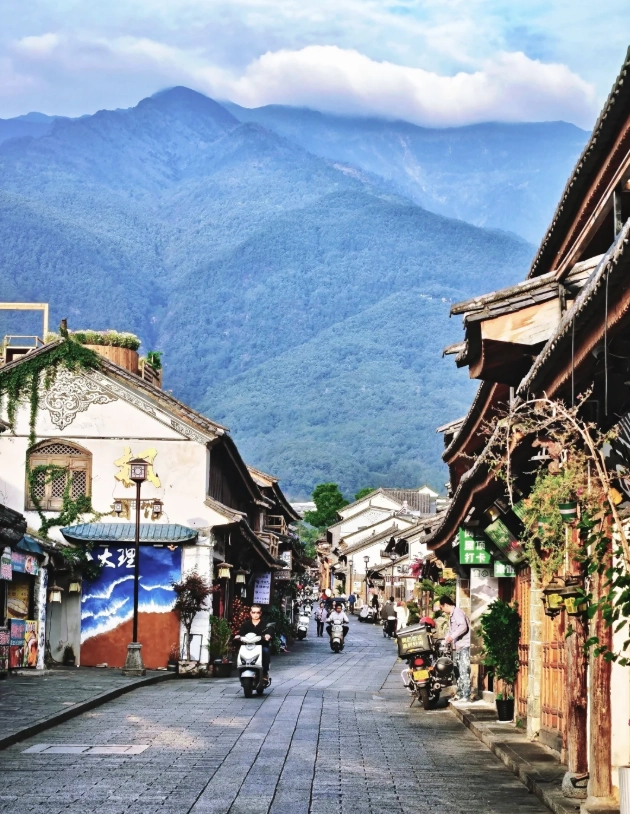
Why You Need a Map for Dali Ancient City
Dali Ancient City isn't huge, but its grid of alleyways can feel like a maze. The main Renmin Road runs east-west, but the real magic hides in small side lanes. Most tourists stick to the southern section (South Gate area) and miss the quieter northern part. Without a route, you'll spend half your time backtracking or eating at overpriced tourist traps.
I always tell my guests: treat the city like a figure-eight loop. Start at the South Gate, head north along Fuxing Road, cut through the market, then return via the western alleys. That's the skeleton of the ideal walk.
The Best Time to Walk the Ancient City
Here's a mistake I see every day: people arrive at 10 AM, right when tour buses unload. The sun is high, the heat bounces off the stone streets, and you're stuck shuffling behind slow groups.
Come at 4 PM instead. Seriously. The light softens, the crowds thin out, and the old buildings glow golden. You'll have two solid hours before sunset to explore, then grab dinner when the city lights up. If you're an early bird, start at 7:30 AM—the streets are empty, and local vendors are just opening their stalls.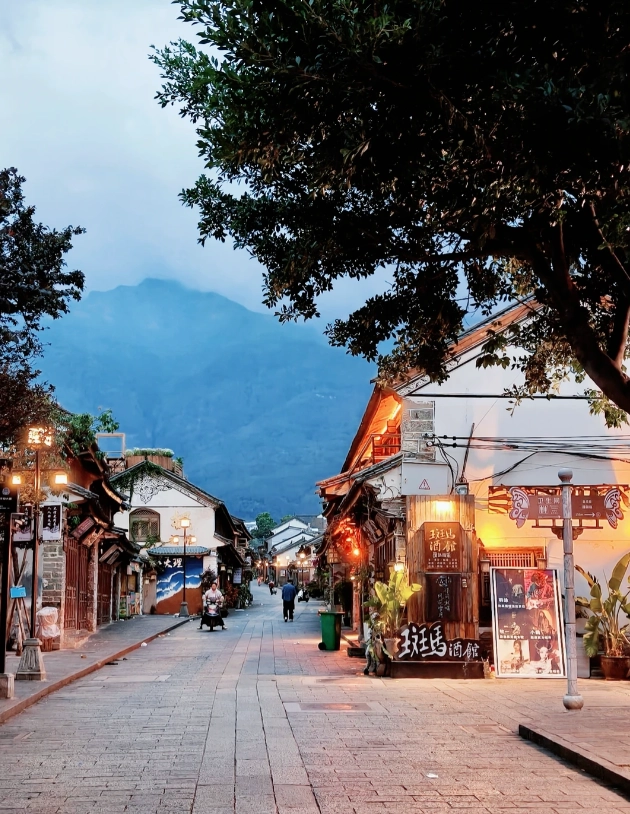
My Insider Walking Route: South Gate to North Gate
Let's get practical. Here's the exact route I use with my groups. It takes about 3 hours at a relaxed pace, including short breaks.
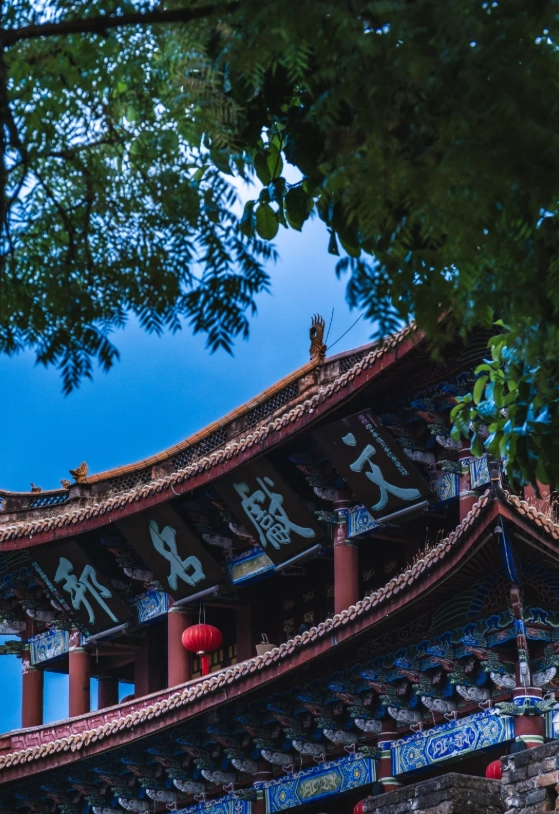
Step 1: Start at the South Gate (Nanchengmen). This is the iconic gate with the massive wall. Take a photo, but don't climb it now—do that later. Walk straight ahead onto Fuxing Road. This is the main tourist drag, but stay on it for only 10 minutes.
Step 2: Turn left onto Renmin Road. After passing the first intersection, look for a small alley on your left called Yangren Jie (Foreigner Street). It's less crowded and has charming cafes. Walk through until you hit Huguo Road.
Step 3: Huguo Road to the market. Huguo Road is lined with old houses and fewer shops. At the end, you'll find the lively morning market (if you're there before 11 AM). Grab some local fruit or a bowl of rice noodles at a tiny stall.
Step 4: Cut north to the North Gate (Beichengmen). From the market, take Yumin Road north. This street has real local life—grandpas playing chess, laundry hanging out. The North Gate is less restored but more authentic. Climb the wall here for a panoramic view without the crowd.
Step 5: Return via the western alley. From the North Gate, head south on Bo'ai Road. This parallel street to Fuxing is quieter and full of boutique shops. It leads you back to the center.
Step 6: End at the South Gate wall. Climb the South Gate wall just before sunset. The view over the red roofs and Cangshan Mountain is unforgettable.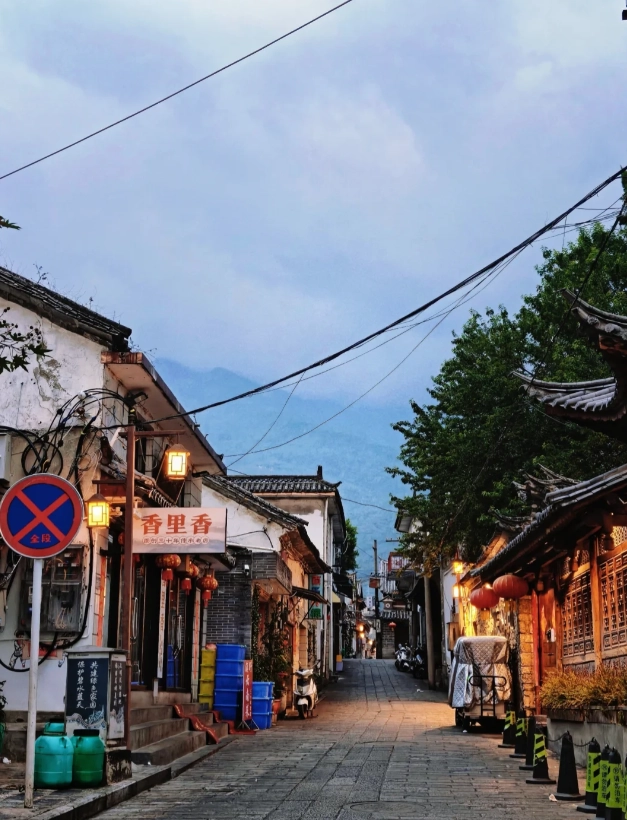
Must-See Attractions Along the Way
Here's a cheat sheet of the key stops. I've included details you won't find on typical maps.
| Attraction | Address | Ticket Price (Adult/Child/Old) | Opening Hours | Suggested Time | Note |
|---|---|---|---|---|---|
| South Gate (Nanchengmen) | South end of Fuxing Rd | Free | 8:00-22:00 | 20 min | Best at sunset; climb the wall |
| Dali Foreigner Street (Yangren Jie) | Off Renmin Rd | Free | 24/7 (shops 9:00-22:00) | 30 min | Good for coffee and souvenirs |
| Huguo Road Old Houses | Huguo Rd | Free | Visible from street | 15 min | Photography spot |
| Morning Market | Yumin Rd & Fuxing Rd intersection | Free | 6:00-12:00 | 30 min | Go before 10 AM for best selection |
| North Gate (Beichengmen) | North end of Fuxing Rd | Free | 8:00-21:00 | 20 min | Less crowded; climb for city view |
| Bo'ai Road Boutiques | Bo'ai Rd | Free | Shops 10:00-21:00 | 45 min | Great for unique handicrafts |
| Dali Ancient City Wall (South section) | South Gate area | Free (some sections charge ¥5 for maintenance but currently waived) | 8:00-22:00 | 30 min | Sunset is magical; no elevator |
*Prices checked as of last season and may change slightly. Always ask at the gate for seniors (over 60 with ID) and children (under 1.2m free).
Where to Eat: Local Food Stops on the Route
Don't eat on Fuxing Road's main drag. The food there is bland and priced for tourists. Here's where I take my groups.
| Restaurant | Address | Specialty | Average Cost | Payment | Wait Time |
|---|---|---|---|---|---|
| Duan's Kitchen | 51 Renmin Rd (near Yangren Jie) | Crossing the Bridge Noodles (mild, chicken broth) | ¥25-35/person | Cash, Alipay, WeChat (no credit card) | 5-10 min |
| Xiaodian Noodle | Huguo Rd alley #7 | Yunnan Rice Noodles (spicy option) | ¥15-20/person | Cash or WeChat | 15 min at lunch |
| North Gate Garden | 98 Yumin Rd (near North Gate) | Steam Pot Chicken (mild, herbal) and stir-fried cowpea | ¥50-70/person | Cash, Alipay, WeChat | 20-30 min evenings |
| Bai Ethnic Restaurant | 45 Bo'ai Rd | Sour and Spicy Fish, Bai-style pork | ¥60-80/person | Cash, WeChat (no credit card) | 30 min peak |
My personal must-order at Duan's Kitchen: the Crossing the Bridge Noodles. It's not spicy, comes in a huge bowl, and you add raw ingredients table-side. Perfect after a walk. But don't go at 7 PM—that's when the line wraps around the corner. Aim for 11:30 AM or 5:30 PM.
Practical Tips: Transport, Tickets, and Payment
Getting to Dali Ancient City
- From Dali Airport: No metro. Take a taxi (about ¥80-100, 40 min) or arrange a shuttle through your hotel. Don't accept rides from touts; they'll overcharge.
- From Dali Railway Station: Bus No. 8 runs from the station square to the South Gate (¥3, 50 min). Taxis cost ¥40-50.
- From Xiaguan (city center): Take bus No. 4 or 8 to the South Gate. It's quicker to take a DiDi (about ¥25).
Buying Tickets Inside the City
Most of the ancient city is free to enter. The only paid attraction is the Dali Ancient City Wall (South section) which recently waived the ¥5 fee. If you want to visit the Three Pagodas (outside the city), tickets are ¥75 for adults, ¥37 for students, and free for seniors over 70. Book on the official WeChat mini-program or at the gate. No English website—ask your hotel to help you if you can't read Chinese.
Payment Nightmare (and How to Survive)
Here's the truth: many small shops and food stalls accept only WeChat Pay or Alipay. International credit cards are rarely accepted. I always tell my guests to bring enough cash (¥500-1000) for the day. Exchange at the airport or a bank. Also, download Alipay and link your card—it works in most larger restaurants and shops. But for street food, cash is king.
FAQ: Answering Your Top Questions
Verified and fact-checked by the editorial team.







I'm a photographer and this map is a goldmine. It routed me through the 'Banyan Tree Alley' that no guidebook mentions—the light filtering through the leaves at 4pm was unreal. I got shots of locals playing mahjong in a tiny square without any tourist selfie sticks in frame. The only downside is the map doesn't show restroom locations (had to ask a noodle shop owner), but honestly, for the solitude and photo ops, I'll take it. Best decision I made in Dali.
If you're tired of being herded like a sheep through the main square, get this map. I used it on a Tuesday morning and had whole alleyways to myself. The route takes you past a quiet nunnery where you can hear chanting, and the little bakery recommended halfway has the best egg tarts in town. Only wish there were a few more food stops marked, but as a free guide to dodge the masses, it's a 5/5 from me.
This insider route literally saved my trip! Dali was so packed during Golden Week, but this map took me through quiet lanes with bougainvillea spilling over whitewashed walls. I stopped for a coffee at a tiny patio place that wasn't on any tourist radar—the barista said most people walk right past it. The directions are spot-on, and the highlights at the end (the view from the West Wall) are pure magic. Absolutely download this before you go!
Pretty solid walking route overall. The map is easy to read and the starting point (the South Gate) is well marked. I liked that it steered me away from the main tourist crawl, but a couple of the 'hidden spots' were just small shops trying to sell me tea. Still, I saw some beautiful old courtyard houses and barely any crowds until I looped back to Yangren Street. For a quick half-day stroll, worth grabbing before you head in.
I really wanted to love this route, but honestly, it didn't deliver on the 'beat the crowds' promise. I followed every turn from the map, and while the first half was pretty quiet, by the time I reached the back alleys near Renmin Road, I was still shoulder-to-shoulder with tour groups. The directions were a bit vague around the temple area too—had to pull out my phone twice. For a free map it's okay, but I expected more insider tips.