 Ting Chen
Quick Dive – What’s Inside
I’ve been guiding photography tours in Kunming for years. Yunnan Nationalities Village? It’s a goldmine – but also a trap if you go in blind. Most visitors end up with average snapshots because they hit the wrong spots at the wrong time. Let me save you that pain.
Here is the catch: the village is huge (over 1,000 acres) and the best frames are not where the crowds gather. You need a plan. I’ll give you the exact coordinates, the golden hours, and the little hacks that separate a mediocre shot from a stunning one.
Bottom line upfront: Arrive by 8:30 AM (gates open at 8:30), head straight to the Dai village for morning light, skip the main square until late afternoon, and always keep your eyes on the reflections in the water channels. Now, let’s break it down.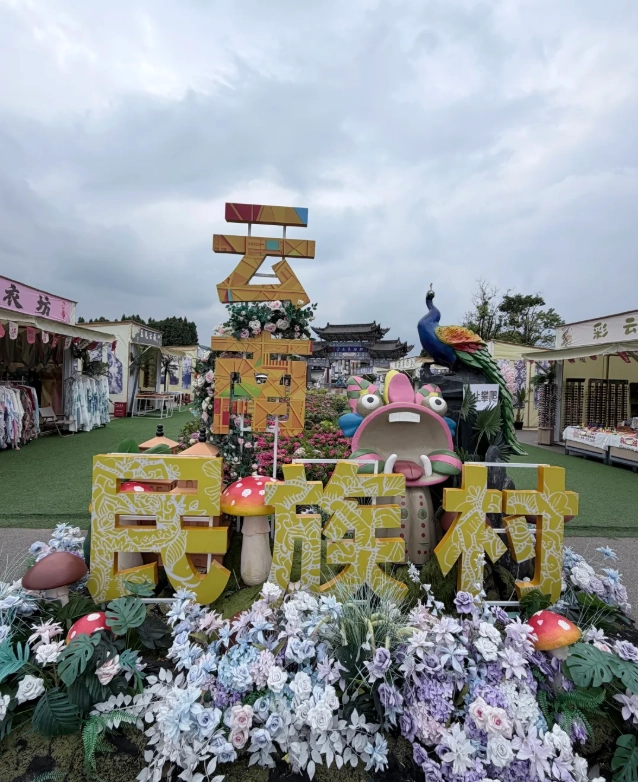
Why This Place is a Photographer’s Dream
25 ethnic groups, real architecture (not props), and living culture. You get Bai courtyards, Dai bamboo buildings, Yi mountain villages, and Tibetan stupas all in one park. The light changes every hour. I’ve seen the same spot look completely different at 9 AM vs 4 PM. The best part? Unlike many open-air museums, this one is genuinely photogenic – the staff wear traditional clothes, and many are locals who still practice their crafts.
Must-Know Before You Go (Tickets, Hours, Transport)
| Item | Details |
|---|---|
| Opening hours | 8:30 AM – 5:30 PM (last entry 4:30 PM). Year-round. Rain or shine. |
| Ticket price | Adult ¥90, student ¥45, senior (60+) ¥45. Book via official WeChat mini-program (search "云南民族村") – international credit cards don’t work, ask your hotel to help. You can also buy at the counter (cash or Alipay). |
| Getting there | Metro line 5 to "Dianchi" station, exit C. Walk north for 10 minutes (follow signs). Or take bus 44, 73, 233 to "Minzucun" stop. Taxi from city center costs about ¥30. |
| Best time to visit | Mid-week, Tuesday–Thursday. Weekends are packed with local tourists. Avoid Chinese holidays like May Day and National Day at all costs. |
Important reality check: The WeChat booking system is in Chinese only. I always tell my clients to screenshot the confirmation QR code. No QR code? No entry. Don’t rely on having internet at the gate – the mobile signal can be spotty.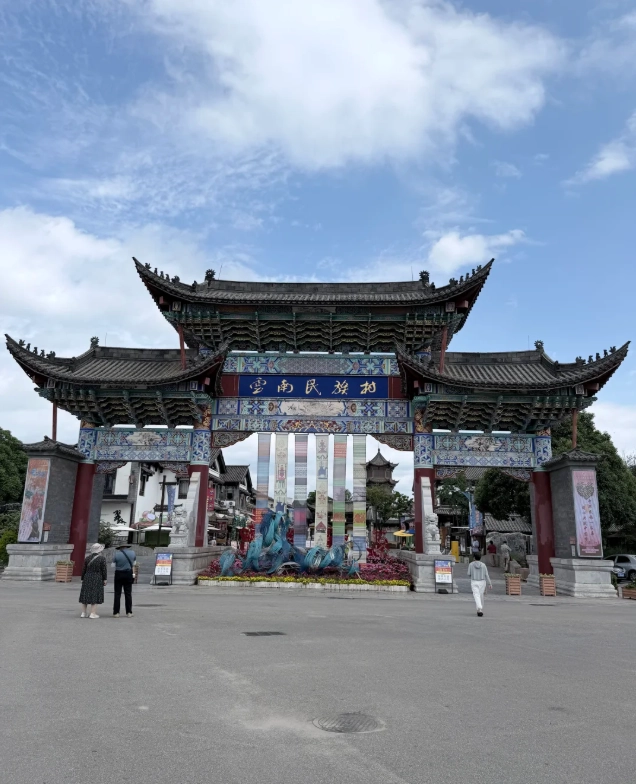
Top Photography Spots by Village
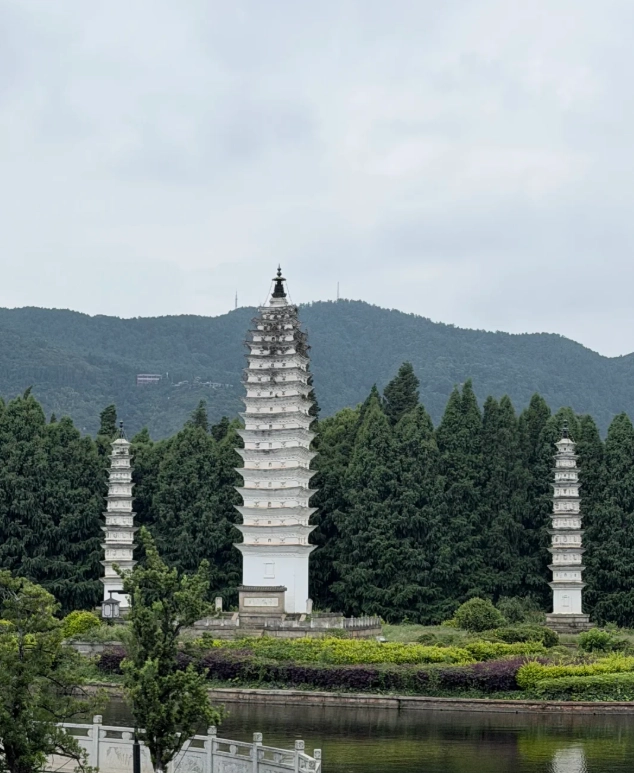
1. Dai Village (傣寨) – The Reflection Masterpiece
Location: Southwest side, near the main entrance. Best time: 9:00–10:30 AM. The morning light hits the bamboo buildings at a perfect angle, and the water channel below creates a mirror effect. Stand on the small bridge facing south. Use a polarizer if you have one. The water lilies bloom in summer (June–August) – those are bonus.
2. Bai Village (白族村) – The Architecture Play
Location: Central area, next to the tea house. Best time: 11 AM – 1 PM (but avoid the harsh noon sun). The Bai three-courtyard pattern with flying eaves is perfect for wide-angle shots. I recommend shooting from the second-floor balcony of the tea house – you get a sweeping view of the entire courtyard. Watch out: The sun here is brutal at noon. If you’re shooting at 12, find shade under the corridor and use the columns as natural frames.
3. Yi Village (彝族村) – The Mountain Fortress
Location: Eastern hill. Best time: 3:30 – 5:00 PM. The Yi village is perched on a slope. Late afternoon light paints the stone walls golden. Climb to the top watchtower for a panoramic view – you can even see Dianchi Lake in the distance. Tip: Use a telephoto lens (70-200mm) to compress the layers of roofs. It looks like a painting.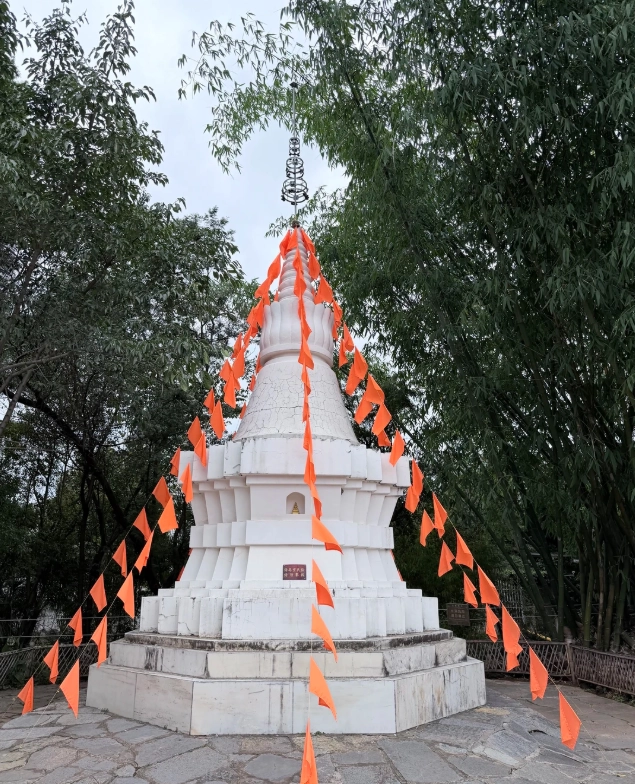
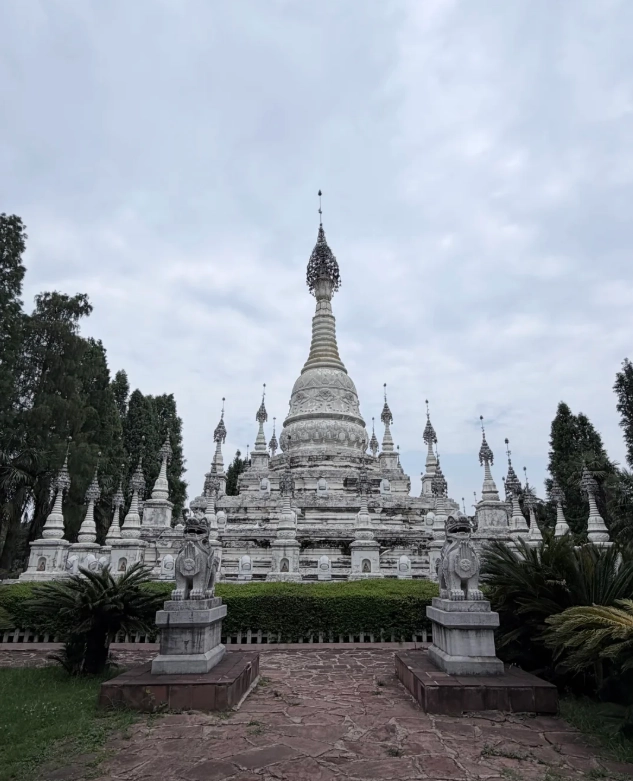
4. Tibetan Village (藏族村) – The Prayer Flag Magic
Location: Far north corner. Best time: 4:00 – 5:30 PM. The prayer flags and white stupa are iconic. But here is the thing: the flags are faded and often tangled. Wait for a breeze – the movement adds life. Position yourself low, shoot upward with the stupa in background. A wide aperture (f/2.8) blurs the messy background.
5. Hani Village (哈尼族村) – The Terraced Field Miniature
Location: Near the south lake. Best time: 8:30 – 9:30 AM. The park built a small-scale replica of Yuanyang terraced fields. It’s tiny but photogenic when the morning mist (from the artificial fountain) hangs over the water. Bring your macro lens for the rice seedlings.
Golden Hours & Crowd Avoidance Tricks
Golden hour at Yunnan Nationalities Village is not a single hour – it’s two windows: 8:30–10:00 AM and 3:30–5:00 PM. The midday light (11 AM–2 PM) is harsh and washes out colors. I know everyone says "shoot at golden hour," but the real advantage here is the crowd.
- Morning (8:30–10:30): Almost empty. You can get clean shots without people blocking the frame. I always start at Dai village, then Bai.
- Afternoon (3:30–5:00): The tour groups leave around 4 PM. By 4:30, the park empties fast. Head to Yi or Tibetan village during this window.
- Weekday special: If you come on a Tuesday, you might have entire sections to yourself. Wednesday is also good.
Gear & Camera Settings I Swear By
| Scenario | Lens | Settings |
|---|---|---|
| Architecture & wide landscapes | 16-35mm f/4 or f/2.8 | f/8 for sharpness, ISO 100, shutter speed 1/125s (use tripod if light low) |
| Portraits of locals in costume | 85mm f/1.8 or 70-200mm f/2.8 | f/2.8 to blur background, ISO 400, shutter speed 1/250s |
| Details & close-ups (embroidery, wood carving) | 100mm macro | f/5.6, ISO 200, use a small beanbag or monopod |
| Reflections & water shots | Any lens, but polarizer filter is a must | Rotate polarizer to cut glare; aperture f/11 for deep focus |
Avoid overpacking. I see tourists with two bodies and three lenses struggling. The park is mostly flat but covers 3 km from south to north. My go-to: a mirrorless body with a 24-70mm f/2.8. That’s it. For the rare telephoto shot, I use crop mode (if your camera has it).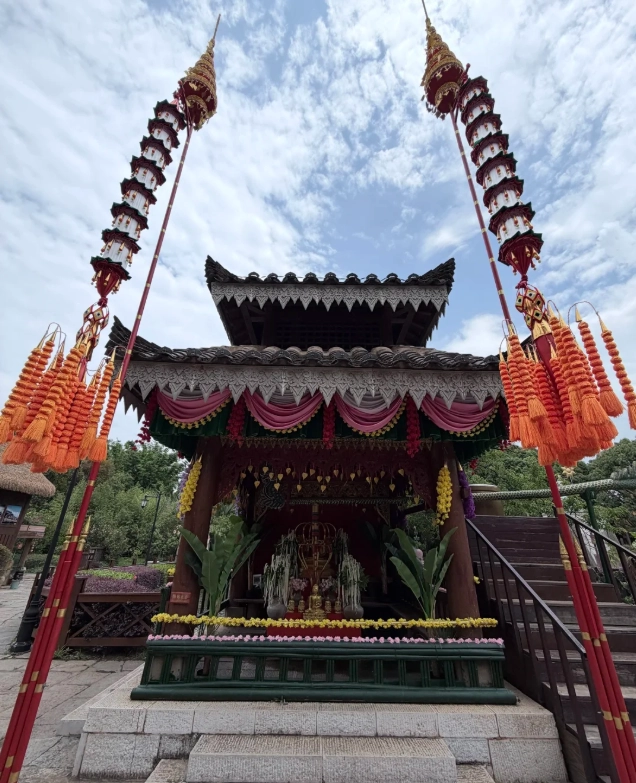
Common Mistakes Most Tourists Make
- Going straight to the main entrance row of shops. Those are modern replicas. Walk past them – the real villages start 200 meters in. You’ll waste your first hour if you stop there.
- Not checking the performance schedule. Dance shows happen at 11:00 and 14:30 at the main square. If you want to shoot, arrive 15 minutes early to claim a front spot. Otherwise, you’ll be shooting over people’s heads.
- Forgetting that the power outlets are Chinese standard. My GoPro died once. The only charging station is at the visitor center near the south gate. Bring a portable power bank.
- Wearing white clothes. The Dai houses have white walls – you’ll blend in. Dark green or blue works better for portraits among the greenery.
- Believing the “clear day” myth. Actually, a light overcast is perfect for ethnic village photography. The soft light brings out the details in wooden carvings and textiles. Harsh sun kills shadows and makes faces squint.
FAQ – Real Answers for Real Problems
Verified and fact-checked by the editorial team.
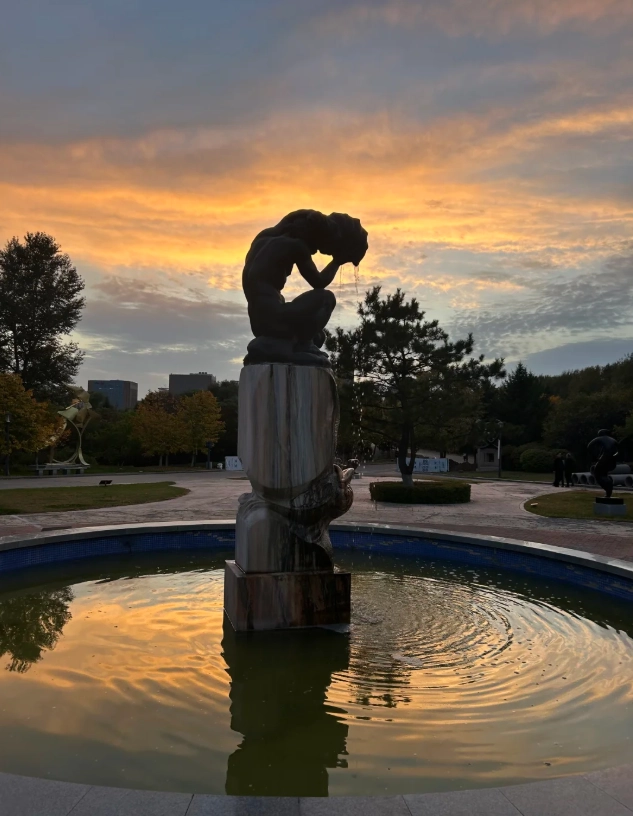
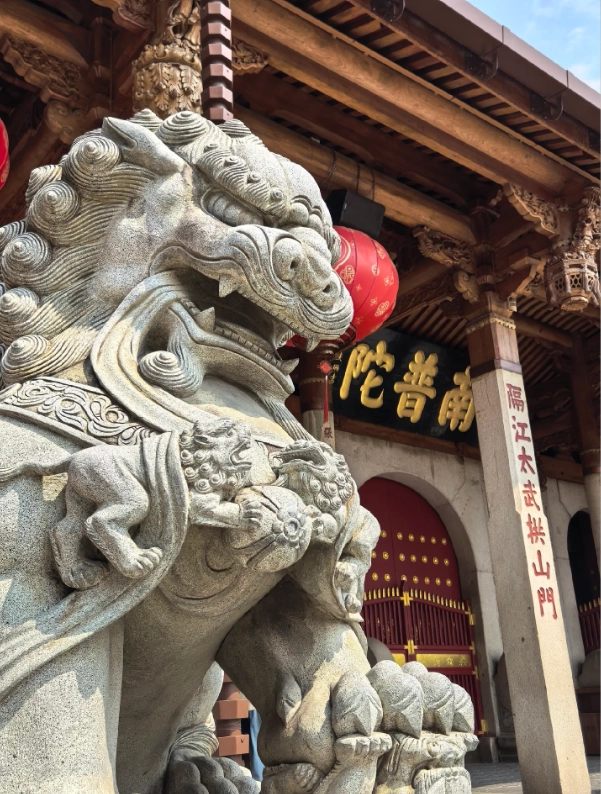





Took my 6-year-old here for a family trip, and even she loved helping me find the best shots. The Mosuo ‘walking marriage’ house has a lovely wooden balcony that catches golden light around 5 PM—perfect for candid family photos. Tip: look for the peacocks near the Bai courtyard; they strut right into your frame. The only letdown was the food stall near the entrance—overpriced and bland. But the photography opportunities more than made up for it. Can’t wait to come back with a proper tripod!
As a travel photographer who’s been to dozens of folk villages, this one stands out. The key is timing: aim for the hour after sunrise, especially from the hill behind the Naxi house cluster—you get a panoramic sweep of all 25 minority houses wrapped in soft light. The Hani terraced mini-fields are a hidden gem; use a telephoto lens to compress the layers of green. Staff were friendly and didn’t rush me. I left with over 300 keepers. Absolutely worth the ticket price.
Absolutely loved this place! If you’re into ethnic culture and photography, this is a dream spot. I arrived at 7:30 AM and had the whole Dai water-splashing square to myself—the early mist over the pond created a dreamy atmosphere. Best angle? Get low to the ground near the bamboo bridge and shoot up through the eaves; it frames the mountains perfectly. Midday is harsh, but around 4 PM, the side light on the Yi stone steps gave me some of my favorite portraits. Every corner feels intentional for a photo op. Can’t recommend enough!
Over half a day here and I’d give it a solid 4 for photographers. Sunrise at the Yi ethnic village gate was magic—no crowds, soft amber light, and the wooden drums made great foreground elements. The Bai tie-dye courtyard has a cool geometric pattern that works well with a wide lens around 10 AM. Only downside: the Naxi section was closed for renovation when I went, which limited my shots. Bring a polarizer for the ponds; the reflections of those traditional roofs are stunning.
I visited Yunnan Nationalities Village hoping to capture some golden-hour shots, but timing was tricky. The sun dips behind the mountains too early in the afternoon, and the main pathways get crowded with tour groups. The best angles I found were around the Dai bamboo houses—early morning light filters beautifully through the leaves. Still, the entry fee felt a bit steep for what you get, and some construction was blocking classic views. Good for a quick afternoon, but not a photography paradise.