 Yan Zhou
Walking into Shanghai's M50 Creative Park feels like stepping into a different city. The hum of Moganshan Road traffic fades, replaced by the quiet chatter of artists and the soft click of gallery doors. I've lost count of my visits here over the years, each time discovering something new tucked away in a converted textile mill warehouse. This isn't a mall. It's a living, breathing ecosystem of creativity, and shopping here is a hunt for stories, not just objects. Most guides tell you M50 exists. This one tells you how to actually shop it—how to find the art that speaks to you, connect with the makers, and avoid leaving with just a generic postcard.
Your Quick Navigation Map
How to Navigate the M50 Art District Layout
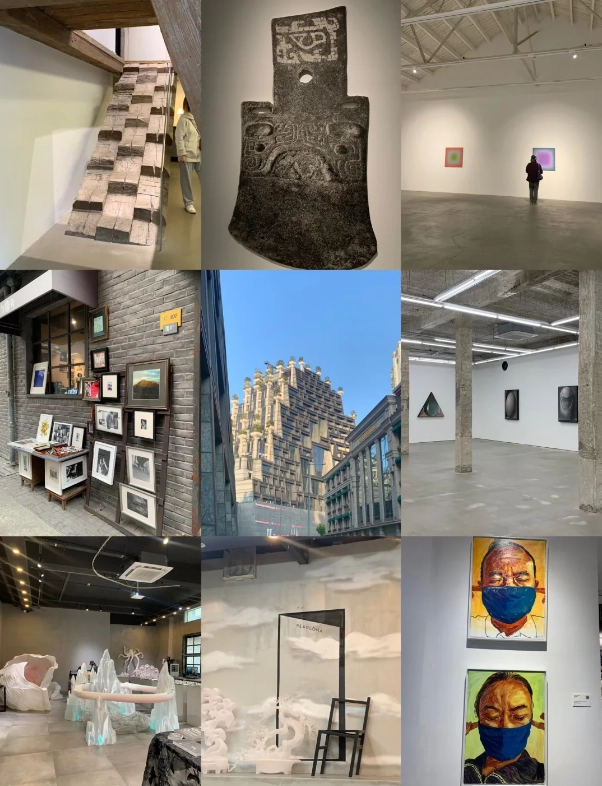
First-time visitors often make a crucial mistake: they stick to the main alleys. The real gems are in the corners, up the metal staircases, and in the basements. The complex is a maze of about 20+ numbered buildings (like 4, 6, 7, 17, 18), but thinking in terms of zones works better.
The Central Courtyard Area (around Buildings 0, 1, 2) has the highest concentration of established commercial galleries. This is where you'll find more polished, exhibition-ready pieces, often from artists with growing reputations. Prices reflect that. Don't rush through, but know this is the "front window."
My favorite zone is the Northwest Warehouse Blocks (Buildings 16, 17, 18). It's grittier. You'll find smaller artist studios, collective spaces, and younger creators experimenting. This is where I've had the best conversations and found the most affordable original sketches. The door of Building 17, for instance, often has a hand-written sign for a pop-up studio sale upstairs.
Then there's the Peripheral & Riverside Studios. Walk towards Suzhou Creek. Several independent studios operate here, away from the main foot traffic. They're less crowded, and the artists are usually in, willing to talk. I bought a stunning ceramic bowl from a potter here who explained his crackle-glaze technique for twenty minutes.
Getting there is simple: Take Metro Line 13 to Jiangning Road Station, Exit 3. Walk west for about 8 minutes. You'll see the brick chimneys and industrial facade. The main entrance is at 50 Moganshan Road. It's free to enter, and most galleries are open from 10:00 AM to 6:00 PM, Tuesday through Sunday. Mondays are a mixed bag—many places are closed.
Top Galleries to Shop For Art (Not Just Look)
Not every gallery in M50 is set up for casual shopping. Some are purely exhibition spaces for high-end collectors. The ones below are accessible, welcoming to browsers, and have a range of price points for taking art home. This list is based on my own purchases and repeated visits.
| Gallery / Studio Name | Building / Vibe | What to Shop For & Price Range | My Personal Note |
|---|---|---|---|
| OFOTO & ANART | Bldg. 2, Central Area | Contemporary Photography. Limited edition prints, photobooks. ¥800 – ¥8,000+. | The staff are incredibly knowledgeable. Ask about emerging Chinese photographers. I found a haunting series on urban landscapes here. |
| ShanghART Gallery | Bldg. 16, 18 | Blue-chip Chinese contemporary. Serious investment pieces. Also sells artist monographs and prints. ¥5,000 – (much higher). | More for browsing inspiration, but their smaller print selections (in the Bldg. 16 space) can be surprisingly accessible. |
| Studio 1618 (Various Artists) | Bldg. 16, Upper Floors | Direct-from-artist works. Paintings, mixed media, small sculptures. ¥300 – ¥3,000. | This is a warren of individual studios. Knock on doors. Artist Li Wei's studio here sells beautiful abstract ink studies for under ¥1,000. |
| M50 Design Store | Near Main Entrance | Design-forward souvenirs. Ceramics, jewelry, textiles, prints from local designers. ¥100 – ¥1,200. | The safest bet for a guaranteed, quality gift. Less "art hunt," more curated design. Their selection of Shanghai-themed silk scarves is unique. |
| Island6 Arts Center | Bldg. 6 | Tech-based & interactive art. LED pieces, kinetic art. Also offers smaller light-box works. ¥1,500 – ¥10,000. | Perfect if you want something truly modern and luminous for a home. The collective vibe is energetic. Ask about their artist residency program. |
One gallery not on the list that I have a soft spot for is a tiny printmaking studio in the back of Building 7. No fancy sign, just the smell of ink and paper. They sell exquisite woodblock and etching prints for a few hundred RMB. It's places like this that define the M50 shopping experience.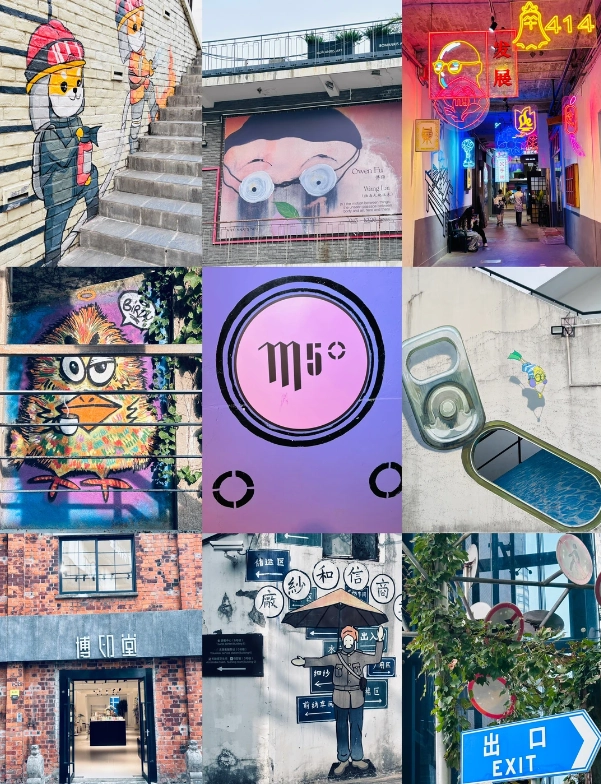
What to Buy at M50: From Prints to Sculptures
Forget mass-produced trinkets. What you take home from M50 should have a connection.
Smart Buys for Different Budgets
Under ¥500: You're in luck. Look for artist postcards (often signed), small ceramic pieces from student showcases, handmade jewelry at weekend markets, and beautifully printed zines or artist books. I've framed sets of postcards that look just as striking as a large painting.
¥500 – ¥2,000: This is the sweet spot. You can acquire original small-format works—think A4-sized drawings, watercolors, or photographic prints from newer artists. Also, consider functional art: a hand-thrown teacup, a sculptural wooden vase, or a limited-edition silk screen print.
¥2,000+: Now you're investing in a piece with a clear artistic voice. Larger original works on paper, canvas studies, or editioned sculptures. Always ask for a certificate of authenticity, especially at this level.
A specific trend I've noticed is the rise of "micro-sculptures" and art toys. Several studios now create small, collectible resin figures or surreal miniature worlds. They're playful, conversation-starting, and easier to transport than a canvas.
Don't overlook art books and catalogues. Galleries like ShanghART and OFOTO sell exhibition catalogues that are art objects themselves. They offer deep dives into an artist's work for a fraction of the price of a painting.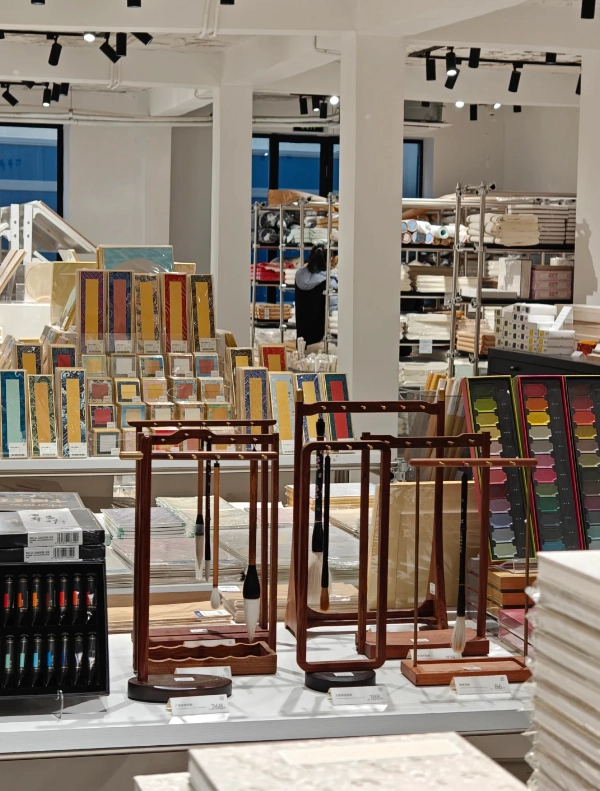
Practical Shopping Tips & Best Times to Go
Here’s what I’ve learned the hard way, so you don’t have to.
When to Visit:
Avoid Saturday afternoons if you hate crowds. For a serene, productive shopping trip, aim for Tuesday to Friday, between 11 am and 4 pm. The artists are more likely to be in and not busy with weekend visitors. Sunday can be good, but some smaller studios close early.
The absolute best times are during opening receptions for new exhibitions (usually listed on M50's official WeChat channel). The energy is electric, the artist is often present, and you might get first dibs on new works. Conversely, avoid the week after a major art fair like West Bund or ART021—some galleries might be closed or picked over.
Payment & Transport:
Carry cash (RMB). While many places accept WeChat Pay and Alipay, some smaller artist studios prefer cash, and it can help with negotiation. For larger pieces, every gallery offers shipping services, both domestically and internationally. Factor this cost in. For smaller items, bring a sturdy tote bag. I never leave home without my canvas bag for M50 trips.
The Negotiation Question:
In established commercial galleries (like ShanghART), prices are fixed. In artist-run studios or with emerging artists, a polite inquiry is possible, especially if you're buying multiple items or it's a cash transaction. Don't haggle aggressively. A better approach is to show genuine interest in the work and ask, "Is this your best price?" or "Is there a studio price?" I've had a 10-15% discount offered simply by asking thoughtfully.
My last tip? Wear comfortable shoes. You'll be walking on concrete floors and climbing stairs for hours.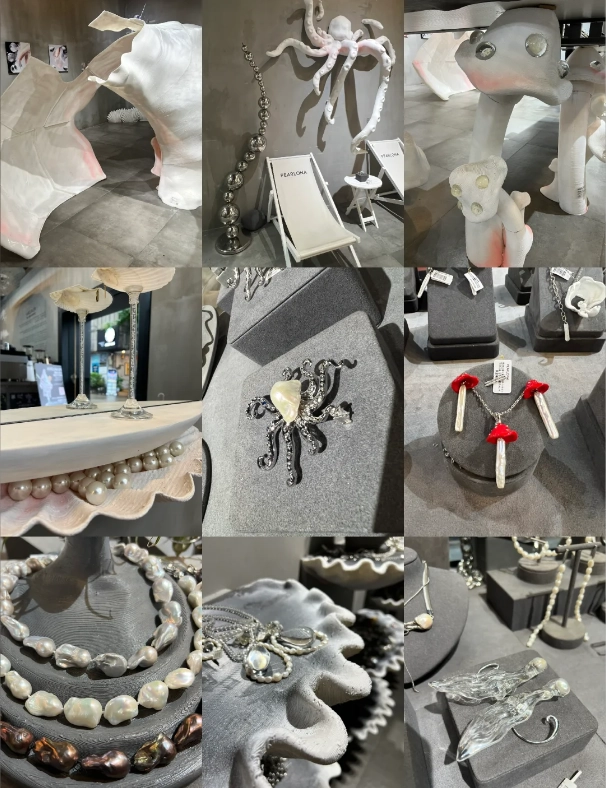
Your M50 Shopping Questions Answered
 I'm not a serious collector. Will I feel out of place?
M50 shopping isn't transactional. It's exploratory. You're not just buying a product; you're acquiring a fragment of Shanghai's contemporary creative pulse. You might leave with a painting, a story about the artist, or just the inspiration to see the city differently. That, in itself, is a worthwhile purchase.
This guide is based on extensive firsthand visits and conversations with gallery owners and artists within M50. Details regarding gallery operations and locations were verified during my latest visit.






Was a bit disappointed. The guide promised 'best art' but many pieces seemed overpriced and low-quality. Too crowded on a Saturday. Also some galleries were not open or had unfriendly staff. Maybe I came on a bad day, but not sure I'd recommend it to serious art enthusiasts.
Good overall but some galleries felt a bit too commercial, like they were just selling tourist souvenirs. The guide was helpful but I wish it had more details about the artists. Still, a decent experience and I found a few interesting pieces. Worth a visit if you have a few hours.
What a fantastic place to spend a lazy afternoon! The guide is perfect for first-timers. The warehouses turned galleries have such a cool industrial vibe. I loved the photography exhibition on the second floor. The whole area feels alive and creative. A must-do in Shanghai!
Best art district I've visited in Asia! The guide helped me navigate easily. I especially liked the mix of contemporary and traditional works. The map included in the guide made it simple to find hidden gems. Bought a small sculpture for a great price. Will definitely come back.
Absolutely loved M50! The shopping guide was spot on. I spent hours wandering through the galleries, each one offering something unique. The staff at the smaller studios were incredibly friendly and happy to chat about their work. Found a beautiful abstract piece that wasn't too pricey. Highly recommend for any art lover visiting Shanghai!
It was okay, but I expected more. The concept is great—old warehouses turned into art spaces—but navigating between buildings was a hassle. Some of the corridors were narrow and poorly lit, and there were hardly any signs. Also noticed a few cafes and shops that seemed permanently closed. The art itself is interesting, but I felt the prices were inconsistent. If you have a few hours to kill and enjoy a DIY scavenger hunt, it's fine. Otherwise, temper your expectations.
Hands down the best art shopping experience I've had in China! M50 is a treasure chest for serious collectors and casual browsers alike. I spent nearly the whole day here and still felt like I missed half of it. The highlight was a tiny gallery run by a young couple—they explained the stories behind each piece and even let me watch them work on a new canvas. Bought a stunning mixed-media piece that now hangs in my living room. Five stars without hesitation!
Honestly, a bit let down. I've been to other art districts in Asia that felt more alive. M50 seemed half-deserted on a weekday—many of the gallery doors were locked or looked closed. The map at the entrance was confusing and I ended up walking in circles. When I did find open spaces, the art felt either too commercial or just not my taste. Maybe I caught it on a bad day, but I wouldn't make a special trip again.
Pretty cool place overall, but I felt the pricing in some of the bigger galleries was way too touristy—like they saw me coming. That said, the smaller independent studios were a gem, and I found a few original sketches that didn't break the bank. The vibe is definitely artsy and industrial, which I dig, but it can get a bit crowded on weekends. Worth a half-day trip if you're in Shanghai, just bring patience for the pushier salespeople.
Absolutely loved wandering through the M50 Art District! The mix of old factory spaces and cutting-edge contemporary galleries is so unique. I spent hours popping into different studios—each one had something unexpected, from bold installations to delicate prints. The staff were incredibly friendly and happy to chat about the artists. If you're into discovering real underground art, this is a must. Grabbed a small piece from a local painter for a steal!
Good enough for a half-day trip. The guide was clear and easy to follow, but I wish it included more info on pricing ranges. Some galleries were way out of my budget without even displaying prices—awkward when you ask. Still, I discovered a cool photography exhibition and grabbed a unique zine from a pop-up shop. Recommended if you’re curious, but manage expectations on costs.
What a find! I’m a freelance illustrator and came here specifically to look for affordable original works. The guide led me to a basement studio where an artist was actually painting—had a great chat about technique and bought a small piece directly from him. The whole place feels raw and alive, not sanitized like a museum. Perfect for anyone who wants real art, not just decorations.
Honestly, I was expecting more curation. The shopping guide promised 'the best art', but a lot of spaces felt repetitive—same style of abstract paintings and mass-produced sculptures. A few galleries were literally just selling touristy souvenirs. The street art outside was cooler than most indoor pieces. Maybe I hit a bad day, but for the hype, I left feeling meh.
Really enjoyed the experience overall. The district is huge and has a nice mix of galleries and quirky shops. Got a few prints for my apartment. Only downside was that some of the smaller studios had weird opening hours or were closed without notice, which was a bit frustrating. Still, the guide helped me narrow down the must-sees. Would go back but maybe check online first.
Absolutely loved my afternoon here! The guide was spot-on—I found three incredible contemporary pieces from emerging artists that I’d never heard of. The old factory vibe with exposed brick and concrete adds so much character. Spent hours wandering from studio to studio, and the staff at each gallery were super friendly, never pushy. Even found a tiny café tucked away that served the best matcha latte. If you’re serious about art, this is the place.