 Ming Yang
Quick Navigation
I've been leading photo tours to Shuanglang Ancient Town for over five years. Let me be honest—most tourists leave disappointed because they followed the wrong advice. They show up at noon, fight crowds at the overpriced 'Sky Mirror' setups, and wonder why all their shots are blown out. Not you, though. I'll show you the real Shuanglang Ancient Town photography spots—the ones the locals use, the angles that work in any light, and the exact times to be there.
Here's the catch: Shuanglang is tiny—you can walk the entire waterfront in 20 minutes. But the magic is in the details: the reflection of Bai-style architecture on still water, the fishing boats at dawn, the way the evening light hits Cangshan Mountain across the lake. I'll help you nail all of it.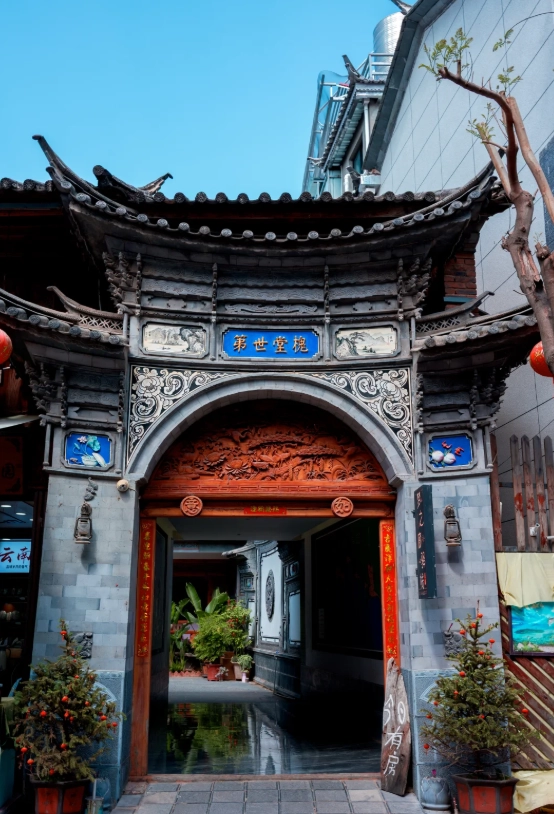
Why Shuanglang Stands Out for Photography
Shuanglang sits on the northeastern shore of Erhai Lake, facing Cangshan Mountain. Unlike Dali Old Town, which is crowded and modern, Shuanglang retains a laid-back fishing village vibe. The main street—Haijie (Sea Street)—runs parallel to the lake, lined with willows, old houses, and piers perfect for foreground compositions. The real gem? The island of Nanzhao Fengqing (Nanzhao Style Island) just offshore, but we'll get to that.
What most guides won't tell you: the best light happens in the 30 minutes after sunrise and the hour before sunset. Midday light is harsh and flat—you'll lose the texture in the white walls and the deep blue of the lake. I always tell my clients to sleep in… just kidding. Wake up early, it's worth it.
Top Photography Spots in Shuanglang
I've mapped out six locations that consistently deliver. Skip the paid 'photo spots' with props—they're a waste of money and time. Here are the real deals: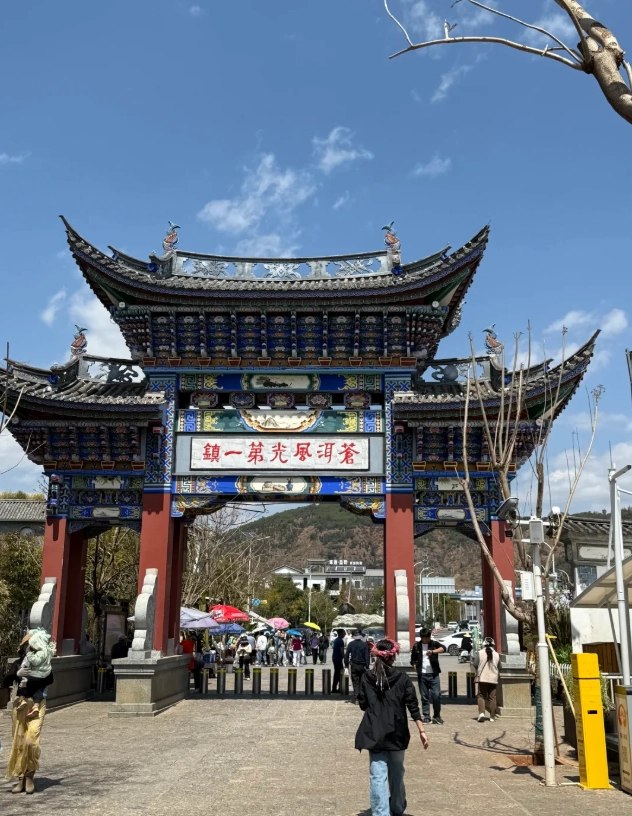
| Spot | Address / How to Find | Best Time | Photography Tips |
|---|---|---|---|
| Haijie (Sea Street) Pier | Walk south from the town entrance along the lake | Sunrise (6:30-7:30am) | Use a wide lens (16-24mm) to capture the reflection of the mountain in still water. Tripod essential for sharpness. |
| Yuji Island Viewing Deck | Near the north end of Haijie, look for a small archway | Late afternoon (4-5pm) | From here you get the classic postcard shot: traditional roofs in the foreground, Erhai Lake, and Cangshan. Use a telephoto (70-200mm) to compress the layers. |
| Nanzhao Fengqing Island | Take the ferry from the dock near Yuji Island (10 min) | Morning (8-10am) | Ferry costs 50 CNY. The island has a white pagoda and gardens. Best shot: looking back at Shuanglang from the island's west side. Avoid the crowds by visiting as soon as the ferry opens (8am). |
| Yang Liping's Sun Palace (Taiyang Gong) | On the hill above town; follow signs from Haijie | Golden hour (sunset) | This iconic building is now a private art space—you can't enter, but the exterior and the view from the hill are stunning. Use a polarizer to cut glare from the glass. |
| Fishing Boat Dock | Behind the main market, at the end of a small alley | Sunset (6-7pm) | This is where local fishermen tie up their boats. The wooden boats with nets make perfect silhouettes. Set white balance to 'cloudy' for warmer tones. |
| Bai-style Courtyard (Inside Town) | Any of the old alleys between Haijie and the hill | Mid-morning (10-11am) | Look for houses with intricate stone carvings and painted doors. Ask politely—residents are used to photographers. A 35mm lens works best for environmental portraits. |
Best Time of Day for Shuanglang Photos
Let's be practical. Sunrise (around 6:30-7:30am depending on season) gives you the lake reflecting the mountain with virtually no wind. Perfect for mirror shots. By 9am, the tourist groups start arriving from Dali, and the light gets harsh. I always tell my groups: shoot the wide landscapes before breakfast, then explore the alleys after 10am when the sun is high enough to light up the white walls but not so high that it creates deep shadows.
Golden hour before sunset (5:30-7pm) is the second window. The light turns warm and creates a dramatic contrast with the blue lake. Downside: it's packed. My trick? Head to the Fishing Boat Dock at least 45 minutes before sunset—most tourists are still on Haijie taking selfies.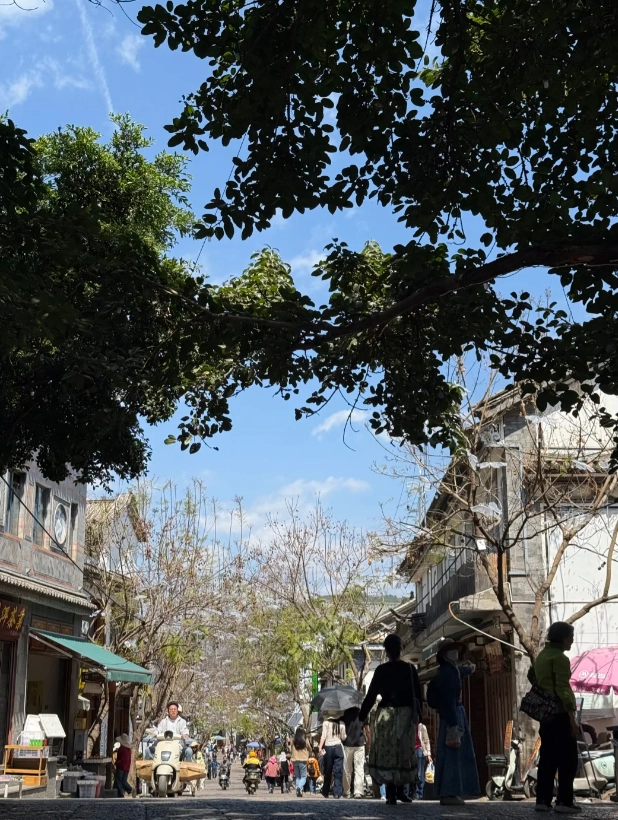
Practical Tips & Gear Recommendations
Here's what I've learned from shooting in Shuanglang dozens of times:
- Lens choice: A wide-angle (16-35mm) is essential for the lakefront. A telephoto (70-200mm) helps isolate distant boats or mountain details. If you can only bring one, make it 24-70mm.
- Tripod: Absolutely necessary for sunrise shots and long exposures of the water. I use a lightweight carbon fiber one—wind can be strong near the lake.
- Filters: A polarizing filter cuts glare on the water and saturates the blue of Erhai. A neutral density filter (6-stop) lets you blur the water texture for a dreamy effect.
- Permits: No permits needed for standard photography. If you're flying a drone, forget it—the entire area is a no-fly zone due to military and airport proximity. I've seen tourists get their drones confiscated.
- Cash: Bring small bills for the ferry (50 CNY) and any local snacks. Most shops accept WeChat Pay/Alipay but not international cards.
How to Avoid Crowds (My Proven Strategy)
Shuanglang gets hammered by tourists between 10am and 4pm. Here's my 'anti-crowd' routine:
- Arrive the night before. Stay in one of the guesthouses on Haijie. You'll be steps away from the best morning light.
- Wake up at 5:30am. Yes, it's painful. But you'll have the entire waterfront to yourself until 8am.
- Shoot the main pier and island view first. The ferry to Nanzhao Fengqing Island starts at 8am—be on the first boat.
- After 10am, retreat to the alleys. The narrow streets are less crowded and offer detail shots.
- For sunset, go to the Fishing Boat Dock. Most tourists cluster near the main pier, not realizing this spot exists 200 meters away.
One more insider tip: during the Chinese National Holiday (Oct 1-7) and Labor Day (May 1-3), Shuanglang is a nightmare—don't bother unless you enjoy being in a human traffic jam.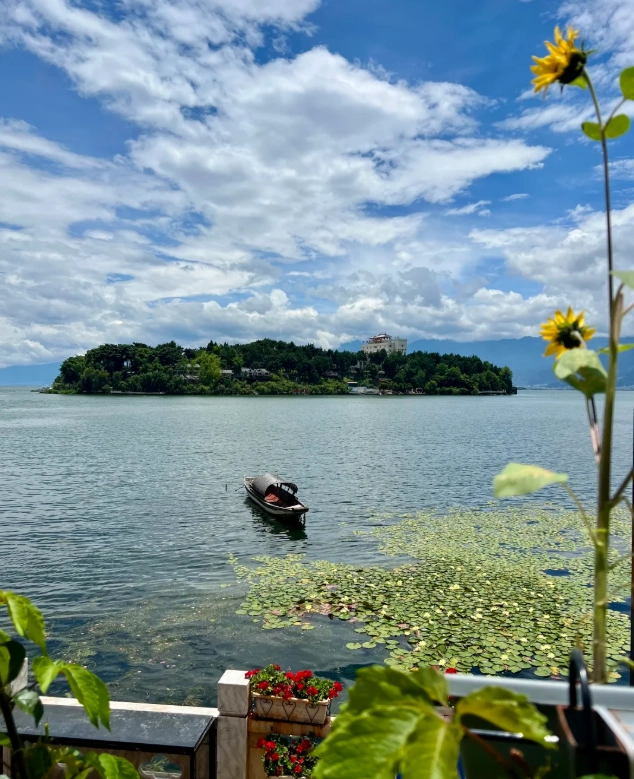
Frequently Asked Questions
Verified and fact-checked by the editorial team.





No comments yet.