 Wei Zhang
You're standing in line for tickets — the sun is brutal. You forgot to pre-book. Yes, that's the reality for many tourists at Chongsheng Temple Three-Pagoda. But it doesn't have to be. I've brought dozens of groups here over the years, and I've seen the same mistakes again and again. Let me save you from the most common ones.
First, a cold hard fact: the ticket booth is a bottleneck. Most visitors show up between 10 AM and 2 PM, and the queue snakes into the sun. I've watched families melt. Don't be that person. Below is everything you need — from booking to hidden corners that most guides skip.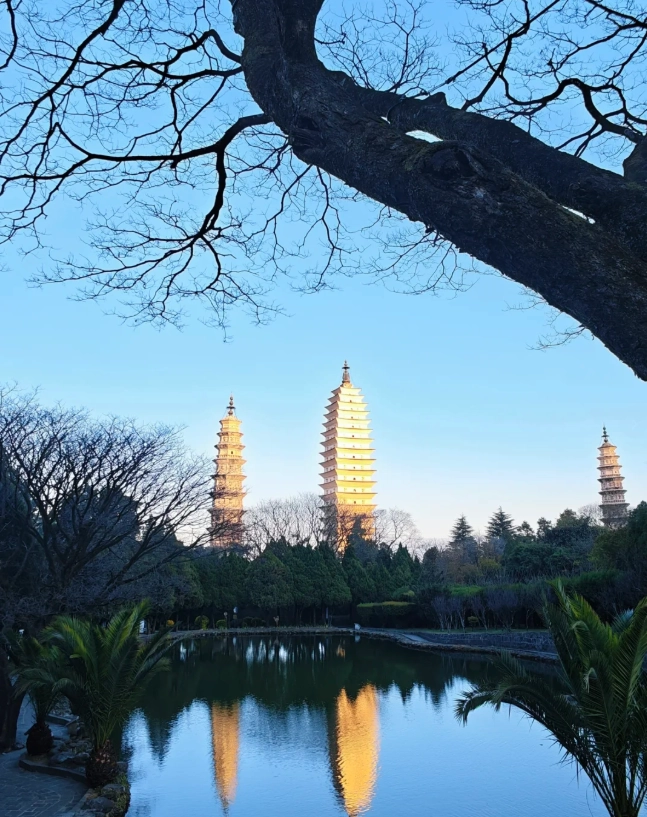
Why Timing Matters More Than You Think
If you only take one piece of advice from this, let it be this: arrive at 8:30 AM (opening time) or after 4 PM (last entry is 6 PM). The light is softer, the crowds thinner, and the temperature bearable. Midday is not just hot — it's a photo disaster. The pagodas face east, so morning light hits them directly; afternoon light is behind them, creating awkward silhouettes unless you're after a specific effect.
Here's the catch: if you come after 4 PM, you'll have less time inside (closing is 7 PM). But honestly, two hours is plenty for most people. I always tell my clients: "You don't need to spend half a day here unless you're a history buff who reads every plaque."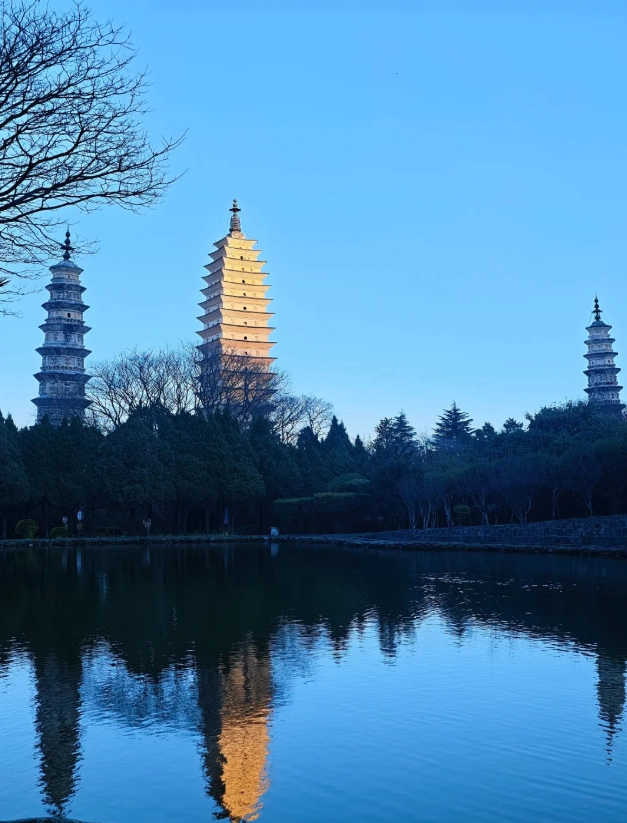
Tickets & Booking: Save Your Sanity
Ticket Prices (as of my last visit)
| Ticket Type | Price (RMB) | Notes |
|---|---|---|
| Adult (standard) | 75 | Includes temple & pagoda ground access |
| Child (1.2-1.4m) | 45 | Or half price at the gate |
| Senior (60-70 yrs) | 45 | ID required; over 70 free |
| Student | 37 | Valid student card needed |
Where to Book
You can buy at the gate, but why risk the queue? Book online via Trip.com or the official WeChat mini-program (search "崇圣寺三塔"). The mini-program is in Chinese only — a pain, I know. If you can't navigate it, ask your hotel front desk to help; they do it every day. Or use a third-party site like Klook where English is supported.
Pro tip: If you book online, you'll scan a QR code at the entrance — no need to print. Save the screenshot before you go, because the mobile signal near the gate can be spotty.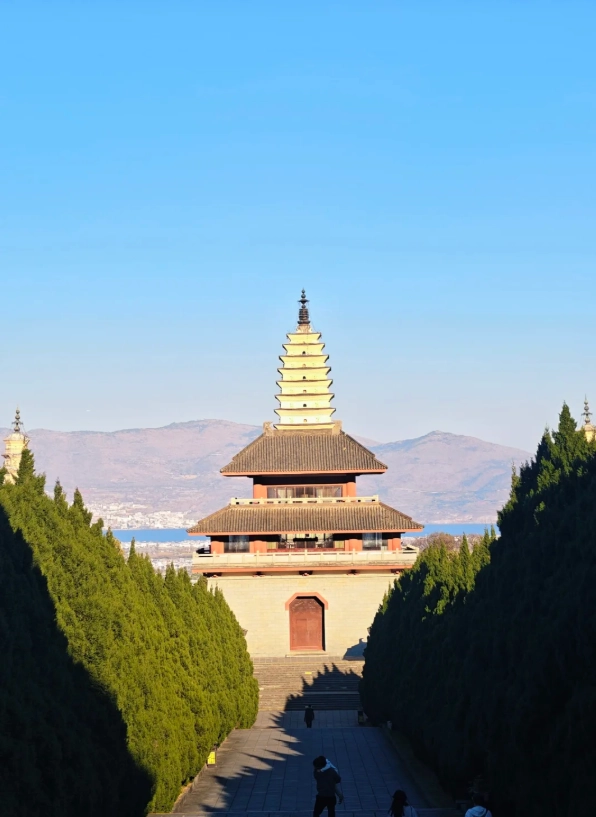
Getting There: The Smartest Routes
From Dali Old Town
It's only 1.5 km north of the old town. Walk if you're up for it — 20 minutes along the main road (not scenic, but fast). Or take a taxi/ride-hail for about 10 RMB. Tell the driver "Chongsheng Si San Ta" (崇圣寺三塔). Most drivers know it.
From Dali Airport
Airport is about 30 km away. A taxi will cost 80-100 RMB and take 40 minutes. No direct bus, but you can take bus line 7 from the airport to the city center, then switch to a local bus or taxi. Honestly, just take a taxi unless you're on a shoestring budget.
From Dali Railway Station
Take bus line 8 to the old town (1 RMB, 40 minutes), then walk or taxi from there. A direct taxi from the station is about 30 RMB, 25 minutes.
Warning: The street vendors near the entrance will try to sell you "lucky prayer flags" at inflated prices. They're not part of the temple. Just smile and wave.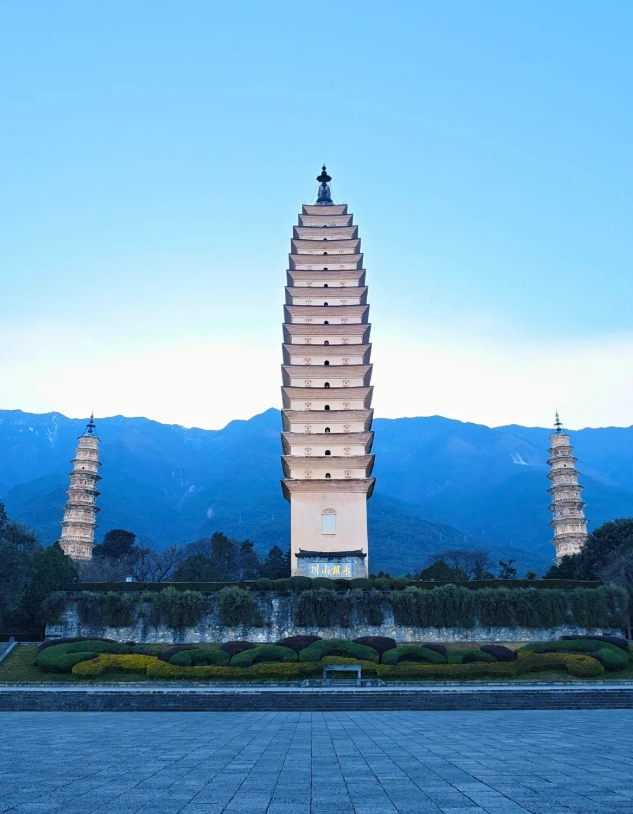
What to See Inside (Don't Miss These)
The Three Pagodas are the headline, but the complex is bigger than most expect. Here's my priority list:
1. The Main Pagodas Forecourt — This is your classic postcard spot. The middle pagoda (Qianxun Pagoda) is the tallest at 69 meters. Best photo angle: from the reflection pond to the south. Go there first before crowds fill the frame.
2. The Back Temple Complex — Most tourists turn back after the pagodas, but walk up the hill behind them. There's a series of halls with giant Buddha statues and incredible views of Dali city and Erhai Lake. The climb takes about 15 minutes, and it's almost empty. I've had entire halls to myself.
3. The Steles & Relics Gallery — Near the east side, a small building houses stone carvings and artifacts. Not flashy, but if you're curious about the temple's history (built in the 9th century), this is your spot.
4. The Bell Tower — Located to the left of the pagodas. You can ring a giant bell for a small donation (10 RMB). The sound echoes across the valley. Worth doing once.
Honest opinion: The temple reconstruction inside the back area feels a bit too new for my taste. The pagodas themselves are the real deal — original and weathered. Focus your time there.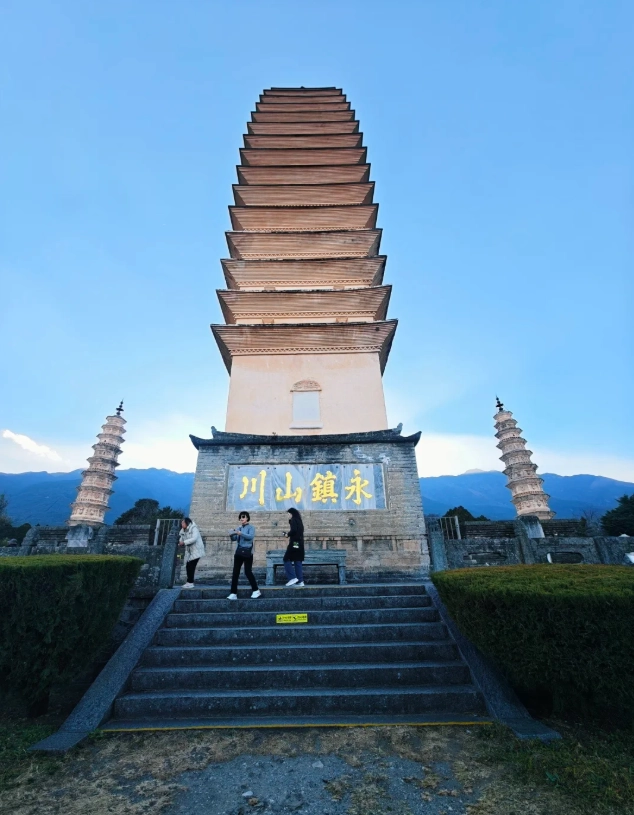
Photo Tips: Beat the Crowds & Bad Light
Morning (8:30-10:00 AM) — The pagodas are bathed in golden light. The reflection pond at the south side gives a mirror image with minimal crowd interference. I always lineup my group here first.
Afternoon (4:00-5:30 PM) — Warm glow, but the pagodas are backlit. If you want a silhouette shot with the dramatic clouds, this is it. For clear details, use a polarizer or stick to the morning.
Midday (10 AM-3 PM) — Harsh shadows and tourists everywhere. If you're stuck with this time, head straight to the back temple complex — fewer people, and the buildings offer nice shaded compositions.
Drone warning: Drones are not allowed inside the temple area. Security guards will stop you. I've seen confiscations. Don't risk it.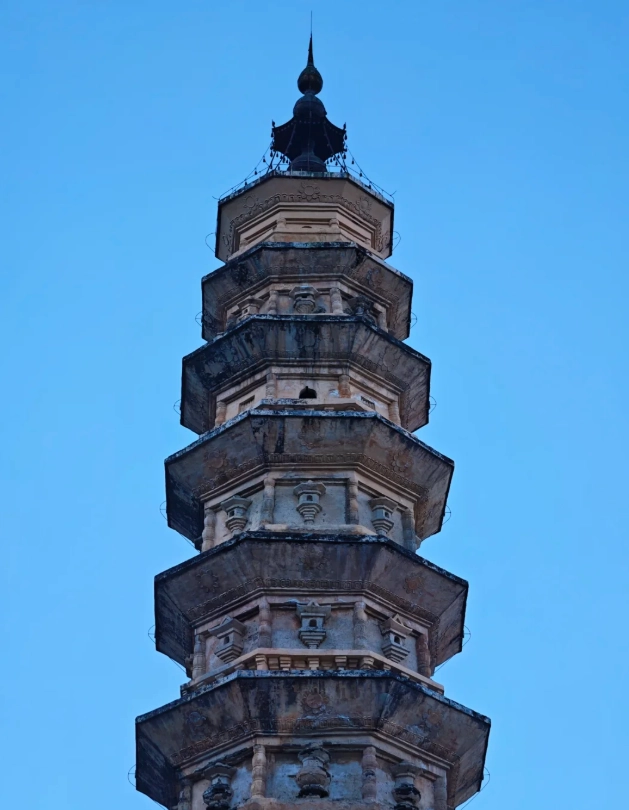
FAQs from Real Travelers
Verified and fact-checked by the editorial team. All prices are subject to change; always confirm on official sources before your visit.





No comments yet.