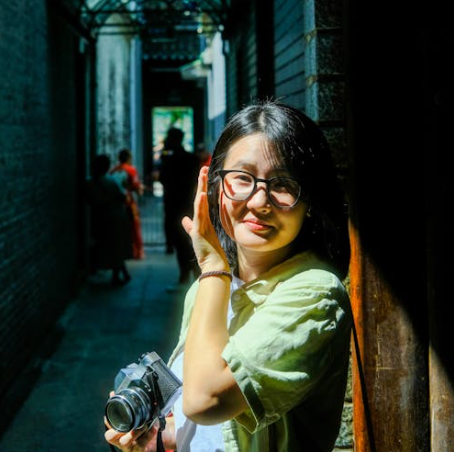
 Ting Chen
What You'll Find Here
I've been guiding photo tours in Dali for over seven years. And let me tell you—Xizhou Ancient Town is a goldmine. But most visitors rush through in two hours, grab the same shot of the drum tower, and leave. They miss the real magic. The alleys where light filters through horsehead walls. The courtyards that belong to nobody but the Bai elders. The rice fields that glow gold at sunset.
Here's the catch: you need to know where and when. This guide is built from hundreds of walks through these cobblestone lanes. I'll show you the exact spots, the best times, and the rookie mistakes that'll ruin your frame. No fluff, just what works.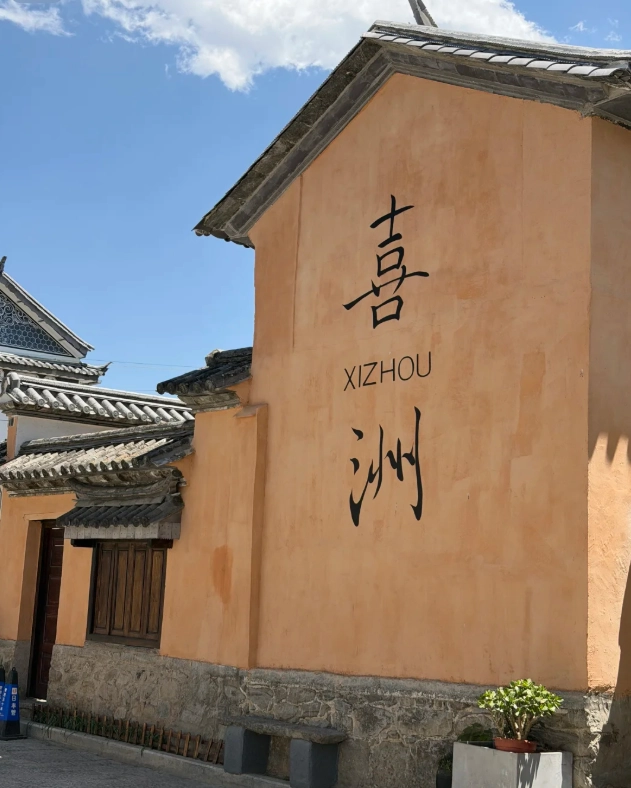
Why Xizhou Ancient Town Deserves Your Lens
Xizhou isn't as famous as Dali Ancient Town or the Three Pagodas. That's exactly why it's perfect. Fewer tourists, more authentic life. You get Bai architecture—those crisp white walls with blue-and-white patterns, flying eaves, and stone-paved streets. And the locals? They're used to cameras, but they still smile if you ask nicely. The light here is softer than in Dali because the town sits on the western shore of Erhai Lake, catching beautiful cross-light from the Cangshan Mountains.
Best Photography Spots in Xizhou Ancient Town
The Bai Courtyards (Bai-style Architecture)
Don't just shoot the outside. Many courtyards are open to the public—you'll see a small sign or a polite fee (10-20 yuan). The best one? Yan's Grand Courtyard (严家大院). It's a preserved merchant mansion from the early 20th century. The layout is symmetrical, with a central garden, intricately carved doors, and a three-story tower.
Go early (before 9am). The morning light hits the east-facing facade at a 45-degree angle, creating soft shadows on the wood carvings. Tripod allowed, but watch out for reflection in the small pond.
Address: Sifang Street, Xizhou Ancient Town
Entrance fee: 25 yuan (adult), 12 yuan (student), free for children under 1.2m
Opening hours: 8:30–17:30 daily (last entry 17:00)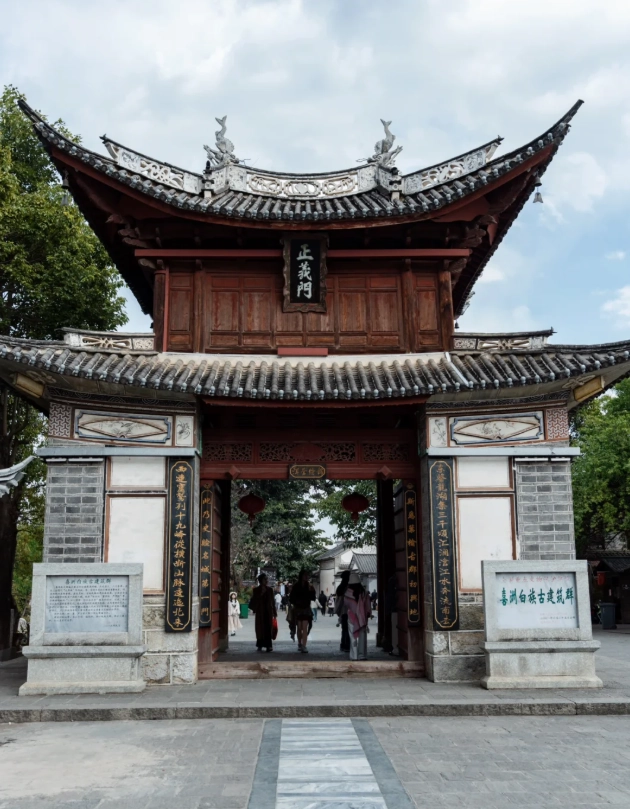
Tip: The rooftop terrace is a hidden gem—you can frame the courtyard below with Cangshan in the background.
The Old Market Street
Running east–west from the drum tower, this street is most photogenic in late afternoon (16:00–17:30). The sun backlights the street vendors' umbrellas and creates a warm glow on the stone pavement. I always tell my clients: stand at the west end and shoot toward the drum tower. Use a medium telephoto (70–100mm) to compress the scene and isolate the tower.
Crowds peak at 11am–2pm. If you're stuck with midday light, focus on shadows and textures—the lines of the horsehead walls, the worn stone steps. Black-and-white conversion works wonders here.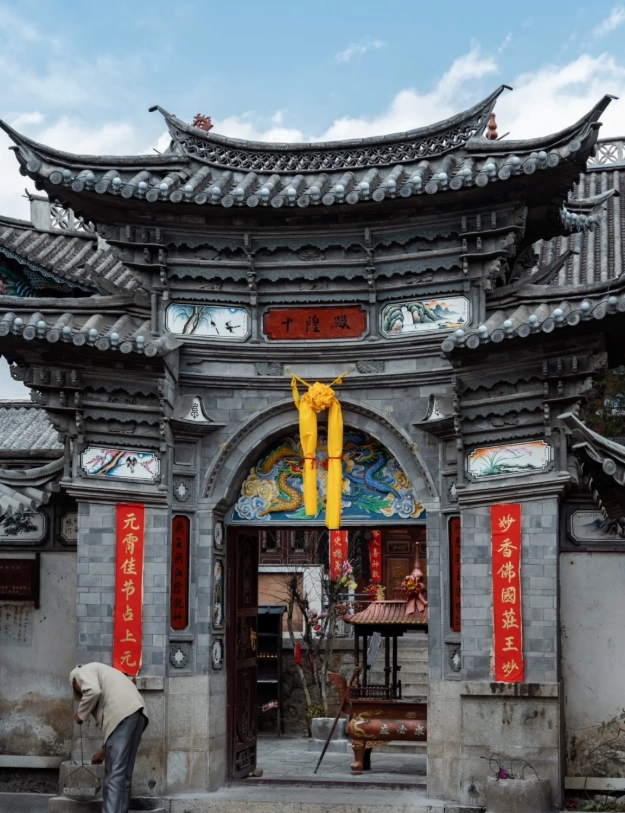
The Drum Tower & Surrounding Alleys
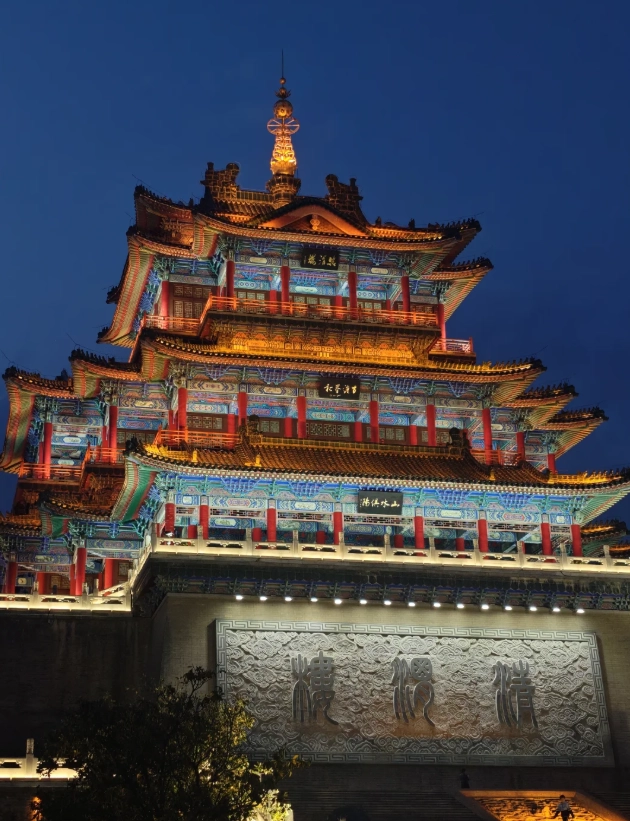
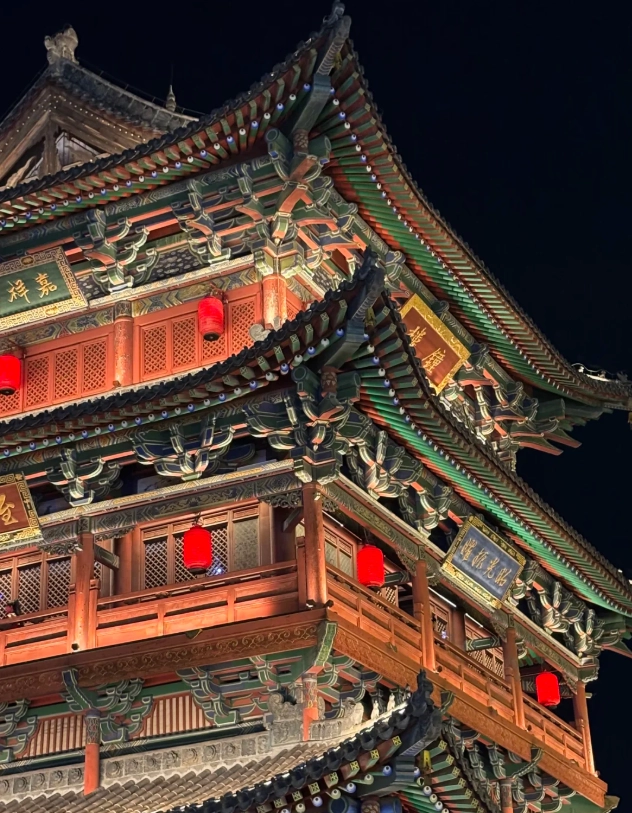
The drum tower itself is photogenic from the south side, where the street curves. But the real magic is in the alleys that branch off Sifang Street. My favorite: Xiangyun Alley. It's narrow, with a white wall at the end that catches golden hour light. Walk deep—most tourists only wander 50 meters in, but the interesting textures (weathered doors, peeling posters) are further in.
Pro tip: Look for blue-and-white batik cloth hanging on clotheslines. That's your foreground element. Shoot at f/2.8 or wider to blur the background.
The East Gate at Sunrise
If you're a sunrise person, this is the spot. The east gate (Dongmen) faces Erhai Lake. As the sun rises behind the lake, the gate becomes a silhouette. You'll need a tripod and a lens around 24–35mm to capture the gate with the pink sky. But here's the catch: the best reflection puddle is about 50 meters south of the gate, where the road has a small depression. After rain, it's magic.
Arrive by 6:30 in spring/autumn, 6:00 in summer. No ticket needed—the gate is always open.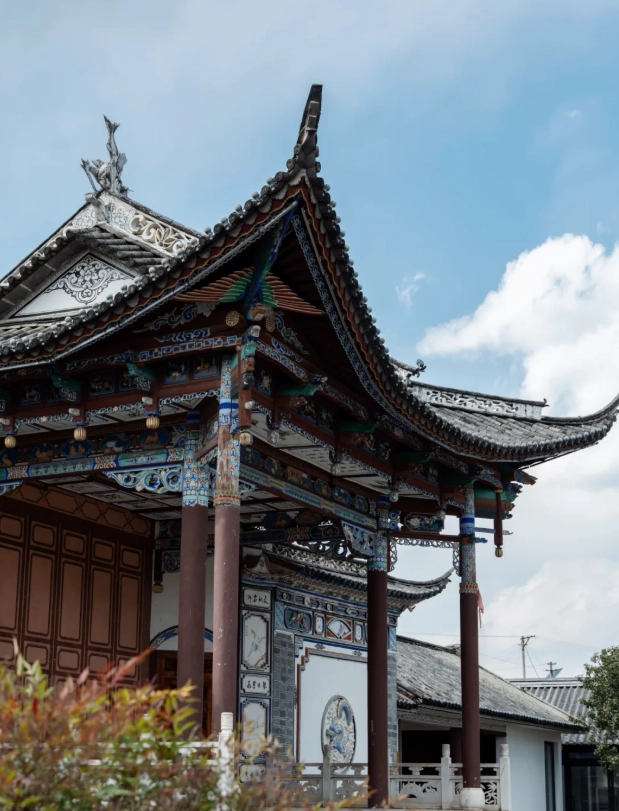
The Rice Fields near the Town
Walk west of Xizhou for about 10 minutes, and you'll hit the fields. In summer (June–September), they're lush green. In autumn (October–early November), they turn golden. The best composition: include the town's white walls and flying eaves in the top third, with the fields filling the bottom two-thirds. Use a polarizer to cut glare on the leaves. Watch out for mosquitoes—bring repellent.
| Location | Best Time | Lens Recommendation | Difficulty |
|---|---|---|---|
| Yan's Grand Courtyard | 8:30–9:30am | 16–35mm | Easy (tripod allowed) |
| Old Market Street | 4–5:30pm | 70–200mm | Moderate (crowds) |
| Drum Tower & Alleys | Any golden hour | 24–70mm | Easy (narrow spaces) |
| East Gate | Sunrise (6:00–7:00am) | 24–35mm | Moderate (dawn walk) |
| Rice Fields | 5–6pm (autumn) | 24–70mm + polarizer | Easy (10-min walk) |
Golden Hours & Weather Tips
Xizhou's light is best during the first hour after sunrise and the last two hours before sunset. September to November offers the clearest skies, but summer brings dramatic clouds after rain. Avoid noon (11am–2pm)—the light is harsh, and shadows disappear. If you're stuck, find a shaded alley or shoot indoors.
Winter (December–February) has shorter golden hours (sunrise around 7:30am, sunset around 6pm). But the low angle creates long shadows—perfect for architectural details. Just bring a jacket; it can drop to 5°C at dawn.
One more thing: after a rain, the streets reflect beautifully. Water puddles are your friend. Look for them in front of the horsehead walls or near the drum tower.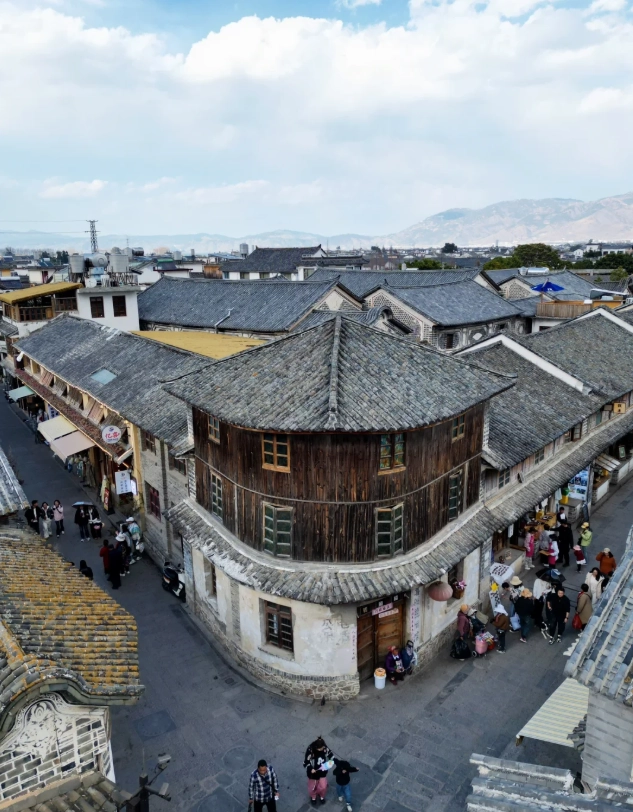
Insider Tips to Avoid Crowds & Bad Angles
Let's be real—weekends are a nightmare. Chinese tourists flood in from Kunming on Saturday mornings. If you must go on a weekend, arrive before 8am. Or, go on a weekday—Tuesday through Thursday are dead quiet.
Now, about the main street: it's packed with souvenir shops and selfie sticks. But I've found three alleys that are always empty. Huayuan Alley (花园巷) has a beautiful white wall with a bonsai garden. Zhonghe Alley (中和巷) has a set of stone steps that curve up—great for a leading line shot. And North Alley behind the drum tower has a series of carved doorways. I've never seen more than two people there at once.
Another hack: most tour groups do Xizhou as a 1-hour stop between 10am and 3pm. Your refuge? The small tea houses along the side alleys. Many have second-floor terraces. Buy a cup of puer tea (15–30 yuan) and ask to go upstairs. You'll get a rooftop view of the town without the crowd. My go-to is Tea Time Garden on Xiangyun Alley.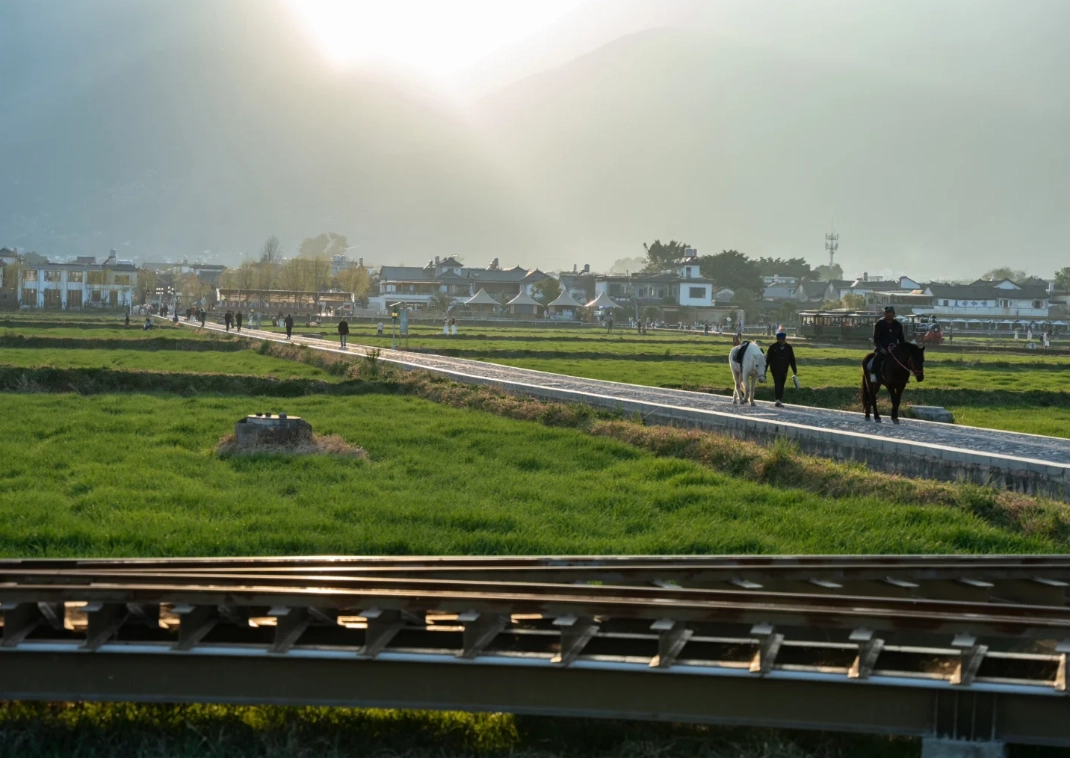
Common Photography Mistakes in Xizhou (and How to Fix Them)
1. Shooting everything at eye level. Boring. Crouch down, shoot from a low angle, or find a higher vantage point. The rack on the second floor of Yan's Courtyard is a lifesaver.
2. Ignoring the sky. Xizhou's skies can be bland midday. If it's overcast, focus on details—doors, window lattices, reflections. If it's clear, use a wide-angle to include dramatic clouds.
3. Forgetting to ask permission. Some elderly locals don't like being photographed up close. Smile, gesture to your camera, and say "Ni hao, keyi ma?" Most will nod. But if they shake their head, don't push. Instead, shoot the environment.
4. Leaving your tripod behind. For interior shots of the courtyards, you'll need a slow shutter. Handheld at 1/15s will be blurry. Trust me, I've ruined too many shots before I learned to carry a lightweight travel tripod.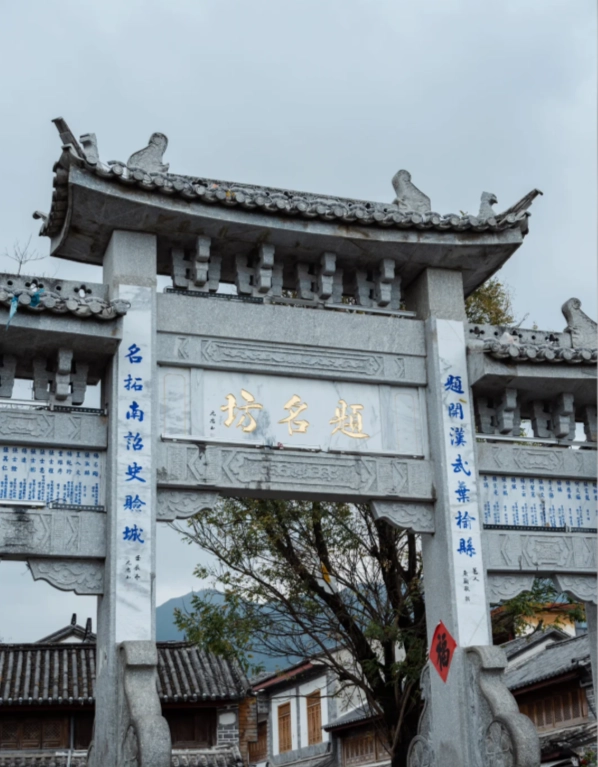
Practical Info: Tickets, Transport & Gear
| Item | Details |
|---|---|
| Ticket price (town entry) | Free. Only specific attractions like Yan's Courtyard charge. |
| How to get there from Dali | Take bus #4 from Dali Ancient Town (12 yuan, 40 min). Or Didi (about 60 yuan, 25 min). Avoid taxis that wait at the bus stop—they overcharge. |
| Best time to visit | March–May and September–November for moderate weather. |
| What to bring | Wide-angle lens (16–35mm), telezoom (70–200mm), tripod, polarizer, rain cover (summer). |
| Payment | Cash still works, but WeChat Pay is king. Many small vendors don't accept international credit cards. |
Getting around: The town is walkable—everything is within 15 minutes on foot. But the cobblestones can be uneven, especially after rain. Wear grippy shoes. If you're carrying heavy gear, consider a rolling backpack (the wheels survive on stone).
Food for photo stamina: Try the local baba (rice cake) from the stall near the drum tower—10 yuan, crispy outside, chewy inside. Otherwise, there's a small noodle shop on Sifang Street that does excellent crossing-the-bridge noodles (35–45 yuan). It's not fancy, but the owner is a character.





No comments yet.