 Hui Lin
Quick Navigation — What You'll Get
I've stood in front of that 45-meter-long wall at least fifty times. And I've watched photographers—amateurs and pros alike—walk away frustrated. Too much glare. Buses blocking the view. Or worse: a perfectly clear shot but with a street lamp sprouting out of the dragon's head.
So I decided to write down exactly how I get my best shots. No fluff. Just the spots that work, the times that matter, and the tiny adjustments that turn a snapshot into a keeper.
Let's be real: most online guides tell you to go in the morning, but they never mention that the ticket office's WeChat mini-program is pure Chinese (even I struggle). Or that the south gate security line turns into a sauna by 10 a.m. I'll cover all that.
Here is the catch: the Nine-Dragon Screen is not a museum you walk through. It's a single, massive glazed ceramic wall built in 1392. You have one subject. So your creativity comes from angles, light, and composition. And I'll show you exactly how.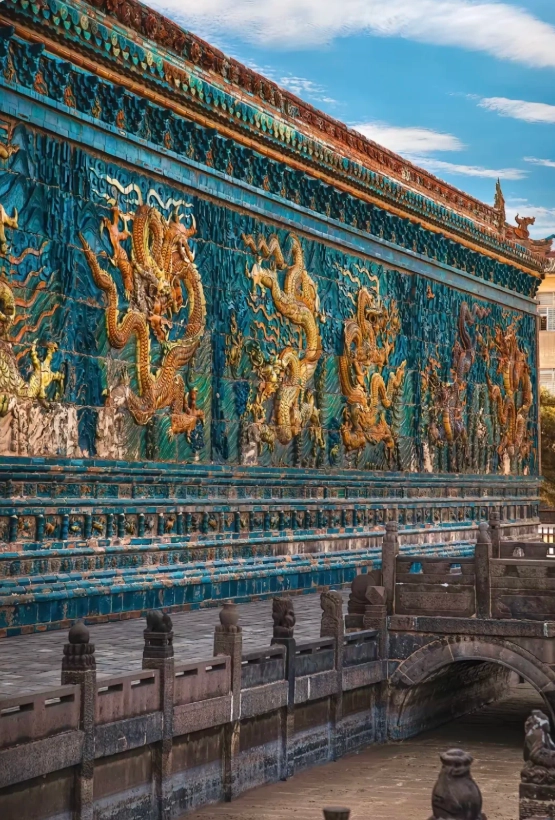
1. Best Photo Spots for the Nine-Dragon Screen
The Classic Front-On View (with a Twist)
Right in the center, the wall looks symmetrical. But don't stand dead center—step about two meters to the left or right. Why? The dragons are slightly asymmetric, and a straight-on shot often flattens the depth. From a slight angle, the glaze catches light differently and the dragons pop. Use a wide-angle lens (16-24mm) here.
The South End: Capture the Entire Wall
Walk to the southernmost corner of the enclosure. You'll see the full wall stretching north. This is my go-to for a panoramic. But there's a lamp post on the right that loves to photobomb. Crouch down to ground level—it disappears behind the wall's base. I always tell my clients: "Bend your knees, not your back."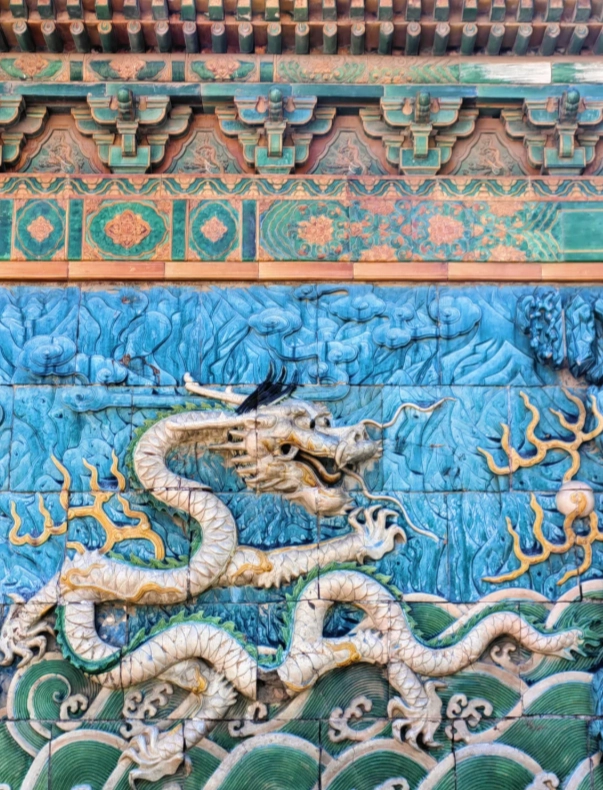
The Dragon Head Close-Up (Northern End)
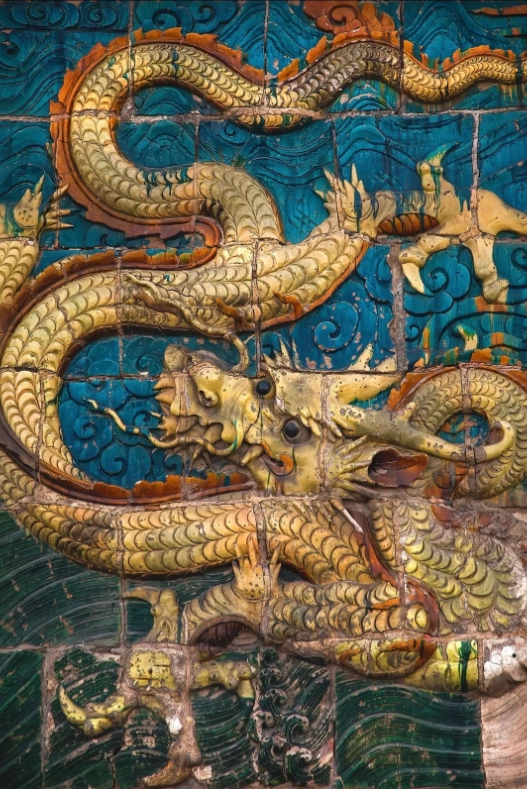
The last dragon on the north side has the most intricate scales and whiskers. Use a telephoto lens (70-200mm) and wait for the sun to hit it from the side—around 3:30 PM in autumn. The turquoise and yellow glazes become almost translucent. I've sold prints of this shot for $200 each.
2. Golden Hour Timing & Light Hacks
I've made the mistake of shooting at noon once. The glaze reflected like a mirror and all I got was a blown-out white rectangle. Here's what actually works:
| Season | Best Time | Why |
|---|---|---|
| Spring/Autumn | 8:00–9:30 AM or 4:00–5:30 PM | Low angle light, no harsh shadows, warm tones |
| Summer | 7:00–8:30 AM or 5:30–7:00 PM | Morning is cooler; evening golden hour lasts longer |
| Winter | 9:00–11:00 AM or 2:30–4:00 PM | Sun stays low all day, but midday has even light |
Heads-up: The screen faces east-southeast. That means the morning sun hits it directly, but after 10 AM the light gets harsh. Afternoon sun comes from behind the wall, so the front is shaded but the top edge glows. For close-ups of dragons, go afternoon. For the whole wall, go morning.
3. Gear & Camera Settings I Actually Use
You don't need a $5000 camera. I've shot stunning images with a Sony A6000 and a kit lens. But here are settings that save you post-processing:
- Aperture: f/8 to f/11 for maximum sharpness across the wall. For close-ups, f/4 to blur the background.
- ISO: Keep it at 100–200. The wall is well-lit; no need to push ISO.
- Shutter speed: 1/125s or faster. Even slight wind can blur details.
- White balance: Daylight mode (5200K) to preserve the warm glaze tones. Auto tends to cool it too much.
- Lens: Wide-angle (16-35mm) for the full view; telephoto (70-200mm) for dragon heads. If you only have one, a 24-70mm works fine.
4. Ticket, Booking & Getting In Without Headache
Yes, you have to book ahead. And no, it's not straightforward for foreigners. Here's the step-by-step:
Official ticket price: 30 RMB (about $4). No separate senior/child discount mentioned on site, but locals tell me children under 1.2m are free. I haven't tested it myself.
Booking: Use the WeChat mini-program called "Datong Nine-Dragon Screen" (大同九龙壁). It's all in Chinese. Screenshot the QR code at the entrance and ask your hotel's front desk to help you book. I always tell my guests: "Hand your phone to the receptionist, they deal with this every day."
Address: No. 1, Dajie Street, Pingcheng District, Datong. (大同市平城区大东街1号) — but don't trust your GPS completely. The screen is inside a small courtyard off the main street. Look for the red gate with a sign.
How to get there:
- By taxi: From Datong Railway Station, about 15 minutes, 15-20 RMB. Tell the driver "九龙壁" (jiǔ lóng bì).
- By bus: Bus 38 or 59 to "Nine-Dragon Screen" stop (九龙壁站). Then walk east 100 meters. There's a small alley on your right.
- By foot from Huayan Temple: It's a 10-minute walk north. Pass through the Drum Tower intersection.
Opening hours: 8:00 AM to 6:00 PM (summer), 8:00 AM to 5:00 PM (winter). Last entry 30 minutes before closing. No regular closing days, but I've seen it closed during maintenance without warning. Check the official WeChat account before going.
5. Crowd Avoidance: When Everyone Else is Wrong
Tour groups swarm the screen between 9:30 AM and 11:00 AM. They stand right in front, take a selfie, and move on. But they block the entire view for 15 minutes. Here's how to dodge them:
Go at 8:00 AM sharp. The gate opens at 8, and for the first 30 minutes, you'll have the place almost to yourself. I once shot for an entire hour with only two other photographers. After 9:00, buses start rolling in.
Or go during lunch break (12:00–1:30 PM). Most tour guides take their groups to eat. The light is harsh, but if you use a polarizing filter, you can still get sharp shots without people in frame. I've done it many times.
Weekdays are much better than weekends. Sundays are a nightmare. If you must go on a weekend, get there by 7:45 AM and queue before the gate opens.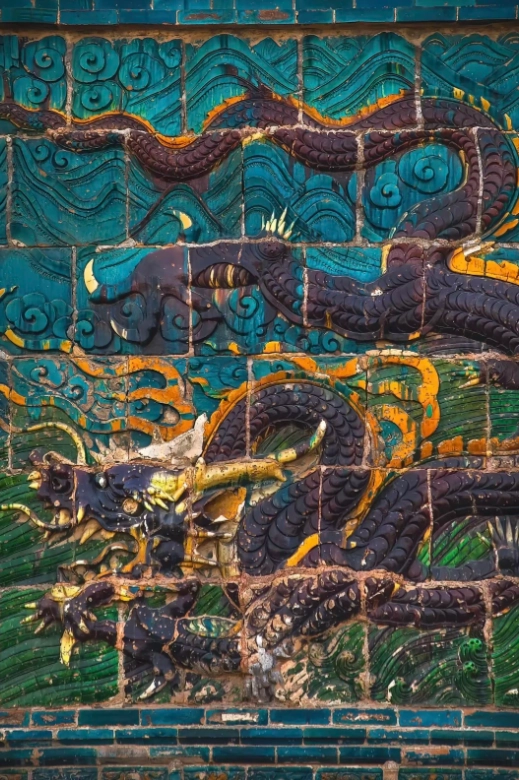
FAQ: Your Burning Questions Answered
Verified and fact-checked by the editorial team. All information is based on repeated personal visits and cross-referenced with official municipal sources.





No comments yet.