 Ting Chen
I've been guiding groups through this place for seven years. And every time, someone says: “I wish I had a map that actually tells me what to skip.” So here it is — my personal Yunnan Nationalities Village map, but not just the paper one they hand you at the gate. I'll walk you through each zone, call out the boring parts, and point you to the spots where you'll actually feel the vibe.
This isn't a generic overview. I'll give you exact walking directions, times, and even the best angle for photos. Let's dive in.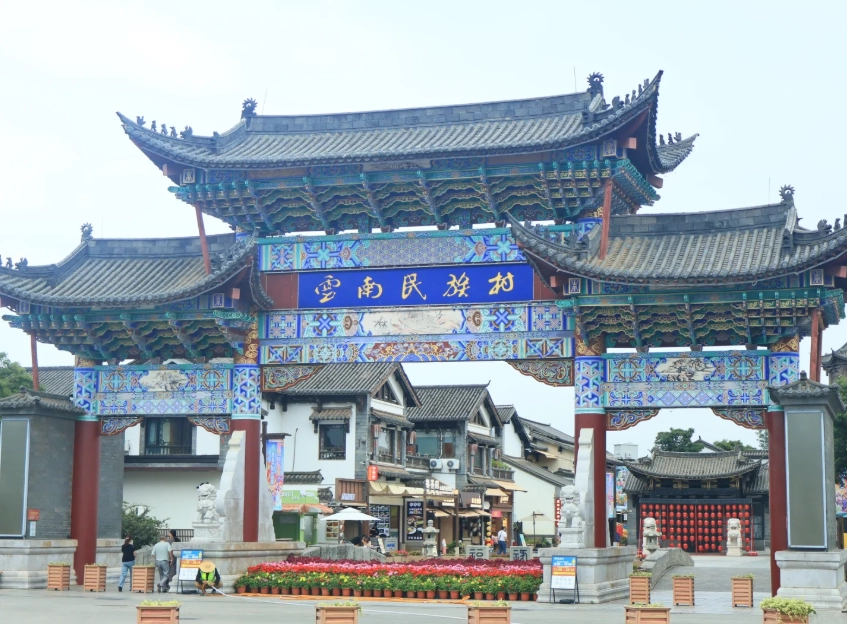
Why You Need This Map
The official map you get at the entrance is… fine. But it's in Chinese only, and it doesn't tell you which villages are replicas and which have real artifacts. Also, it shows all 26 ethnic groups equally, but trust me, some are way more worth your time. I'll help you prioritize.
Biggest mistake? Most tourists enter and wander randomly. Then they end up tired and miss the two best shows. This guide will save you at least an hour of walking and 50¥ on overpriced snacks.
Zone-by-Zone Breakdown: My Yunnan Nationalities Village Map
The park is roughly divided into three clusters: north (entrance area), central (main performance square), and south (quiet water-side villages). Let me walk you through each must-see zone.
1. Dai Village (傣族寨) – The Postcard Spot
Right after the main gate, turn left. The Dai village is the most photogenic — bamboo buildings, a small pond, and often peacocks roaming. Best time: 9:30-10:30am, before the crowds. The sun hits the golden temple just right. I always tell my guests: don't spend more than 25 minutes here unless you're shooting a lot.
2. Yi Village (彝族寨) – Real Culture, No Gimmicks
Walk straight from the entrance about 200m. Look for the huge totem pole. The Yi village has a small museum with actual costumes and tools. Don't miss the 11:00am dance show at the central square (free with ticket). The performers are from local villages, not actors. I've seen them backstage — they're legit.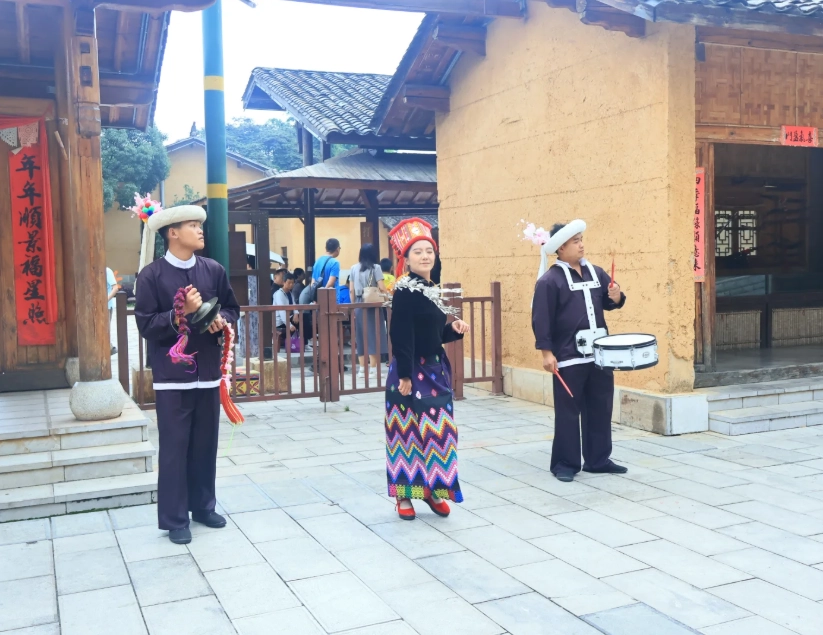
3. Bai Village (白族寨) – Architecture Lover's Dream
Head southeast from the Yi village. The Bai village features a three-section courtyard house, exactly like those in Dali but without the entrance fee. You can walk into the main hall for free. The tie-dye workshop here costs 30¥ extra, but if you've never tried it, it's worth it. I spent 20 minutes making a small scarf — and I'm not crafty.
4. Hani Village (哈尼族寨) – The Terrace Viewpoint
This is the southernmost zone. To get there, follow the path along the lake (about 8 minutes from Bai village). The Hani village has a mini terrace replica that mimics Yuanyang. It's not the real thing, but the photo op from the wooden platform is solid. Pro tip: go around 3:30pm — the light hits the water and creates a mirror effect.
5. Naxi Village (纳西族寨) – Dongba Culture
Back near the central area, west side. The Naxi village has a Dongba culture hall with pictographic scripts. It's quiet, and most tour groups skip it. I love bringing guests here for a 10-minute breather. There's a small café with decent coffee (30¥) and charging outlets.
6. Tibetan Village (藏族寨) – The Grand Finish
Located at the northwest corner, near the exit gate. It's a small but impressive Tibetan-style temple. The prayer flags and stupa are authentic. The 2:00pm show here features a Tibetan dance with long sleeves — it's energetic. I always tell my groups: time your walk so you're at the Tibetan village around 1:45pm.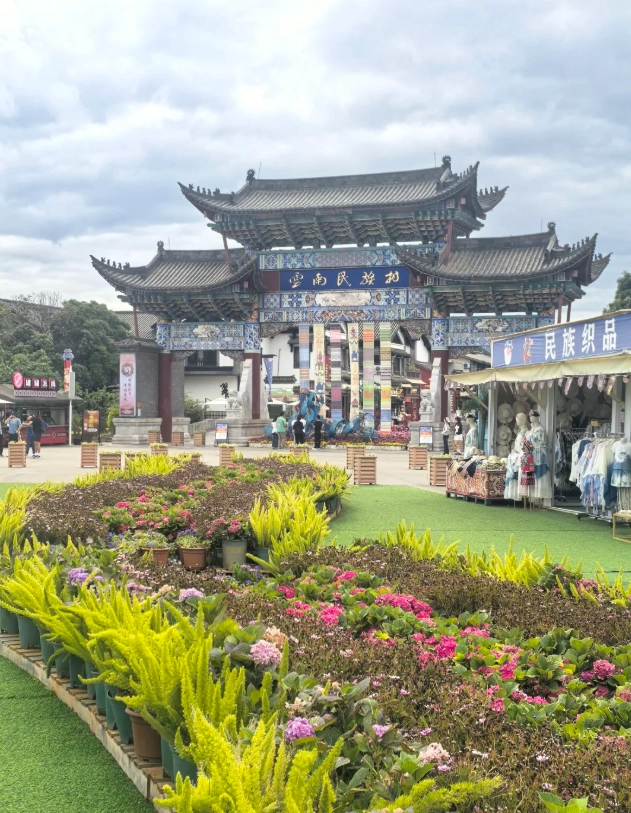
7. Zhuang & Miao Villages (壮族&苗族寨) – Skip or Speedwalk
Honestly? These two are the weakest. The Zhuang village is mostly shops selling the same trinkets. The Miao village has a silver craft demo, but it runs only twice a day (check schedule). If you're short on time, just walk through in 5 minutes. No hard feelings.
Show Times & Layout Tips
There are four main performances daily. Here's the map and schedule:
| Show | Location | Time | Duration | Worth it? |
|---|---|---|---|---|
| Dai Dance | Dai Village Square | 10:30am | 20 min | Yes – graceful |
| Yi Folk Show | Central Square | 11:00am | 30 min | Must-see – includes fire |
| Bai Music | Bai Village Stage | 1:30pm | 25 min | Good if you're nearby |
| Tibetan Dance | Tibetan Village | 2:00pm | 20 min | Energetic closure |
My recommended route: Enter at 9:30 → Dai → Yi (catch 11:00 show) → Bai → Hani → lunch (I'll explain below) → Naxi → Tibetan (catch 2:00) → exit by 3:30. That's about 5 hours with relaxed pace.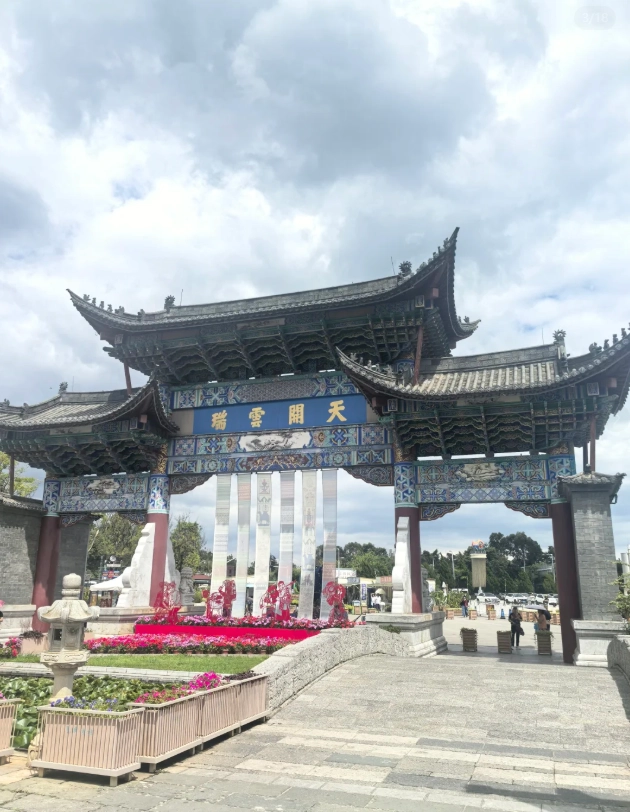
Tickets & Money Savers
As of my last visit, here's the real deal:
- Adult: 90¥
- Student (with valid ID): 45¥
- Children under 1.2m: free
- Senior 60-69: 45¥, 70+: free (with passport)
Booking: You can buy at the gate, but I recommend booking on Trip.com or the official WeChat mini-program (search “云南民族村”). It saves you maybe 5¥ and avoids the queue. Important: The mini-program is Chinese-only. If you can't read it, ask your hotel front desk to help. I've done it for many guests — it takes 2 minutes.
Heads up: The ticket office sometimes closes for lunch 12:00-13:00. Don't get stuck. Also, they don't accept foreign credit cards at the gate — bring WeChat Pay or cash. I've seen too many tourists scrambling.
Inside, there are overpriced buffets (68¥). Skip them. Instead, walk to the small noodle shop near the Bai village — a bowl of guoqiao mixian (过桥米线) costs 25¥ and is actually decent. Or bring your own snacks; there are plenty of benches.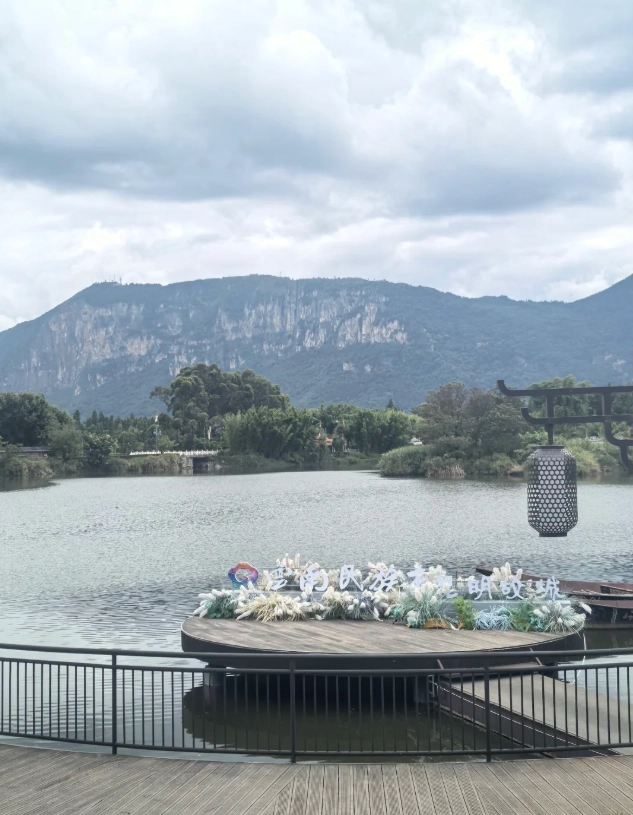
Getting There Without Stress
The address: 1318 Dianchi Road, Xishan District, Kunming (昆明市西山区滇池路1318号). You can show that to a taxi driver.
Best transport for foreigners:
- Metro: Line 5, get off at Yunnan Nationalities Village station (云南民族村站), Exit B. Then it's a 5-minute walk straight east. The station is brand new and has English signs.
- Bus: Routes 24, 44, 73, A1 all stop right at the main gate. But I'd avoid during rush hour (8-9am, 5-6pm) — it gets packed.
- Taxi/DiDi: From Kunming city center (e.g., Jinma Biji Square), it costs about 35¥ and takes 30 minutes. Show the driver the Chinese address above.
Opening hours: 8:30am – 5:30pm (last entry 4:30pm). They close earlier in winter (5:00pm). I've nearly gotten locked in once — don't linger past 5:15pm.





No comments yet.