 Ting Chen
Quick Guide: What You'll Get
I've been guiding travelers through Yunnan for nearly a decade. And every time someone asks, “Is Xizhou Ancient Town worth visiting?” I hesitate for a second. Not because it's bad—but because the answer depends on what you're after. Let me give you the raw truth.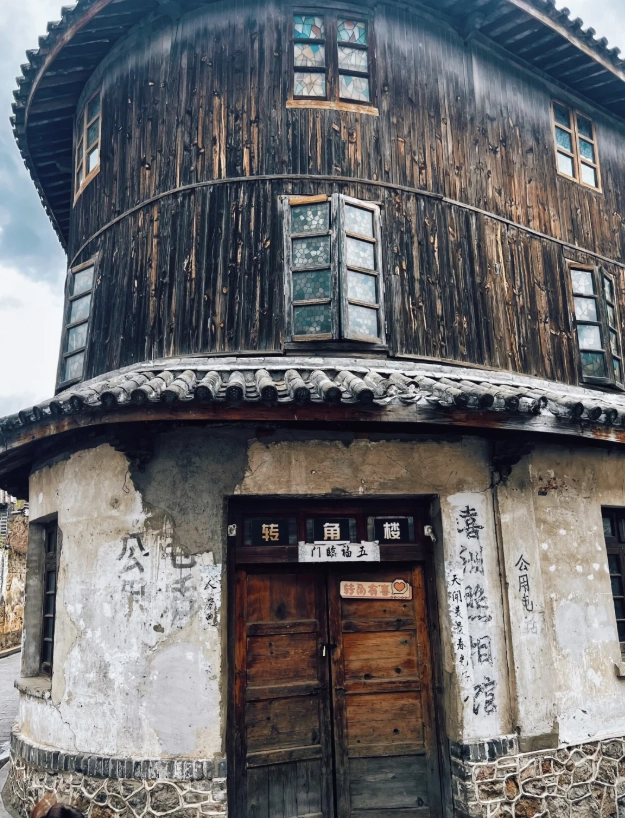
The Real First Impression
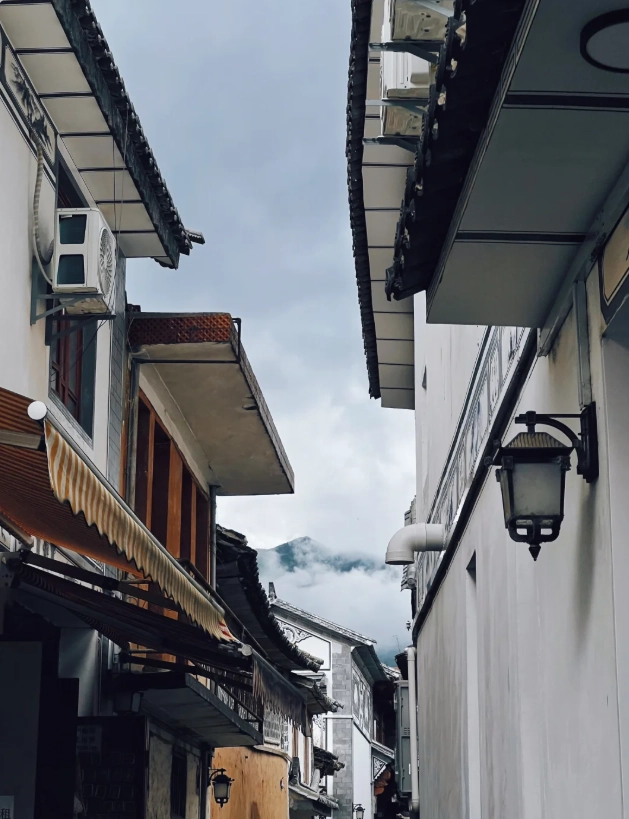
Xizhou isn't as polished as Dali Old Town. It's quieter, dustier in parts, and feels lived-in. That's exactly why I love it. You won't find rows of identical souvenir shops or blasting pop music. Instead, you get Bai architecture, narrow alleys with laundry hanging overhead, and old men playing chess under a tree. But if you're expecting a perfectly preserved theme-park version of ancient China, this might disappoint.
I remember my first time—I got off the bus and thought, “Wait, is this it?” The entrance looks like a regular small town. But once you walk past the main gate and into the old streets, the vibe shifts. The courtyards are gorgeous. The air smells of flowers and wood.
What Makes Xizhou Stand Out
Bai Architecture and Courtyards
The highlight is the traditional Bai architecture—white walls, grey tiles, and intricate painted murals. Many homes have been turned into small museums or guesthouses. My favorite is the Yan Family Courtyard (严家大院): a sprawling complex with multiple courtyards, each more ornate than the last. Entry is 25 RMB (about $3.50), and it's well worth it. Tip: Go early—around 8:30 AM—to have the place almost to yourself.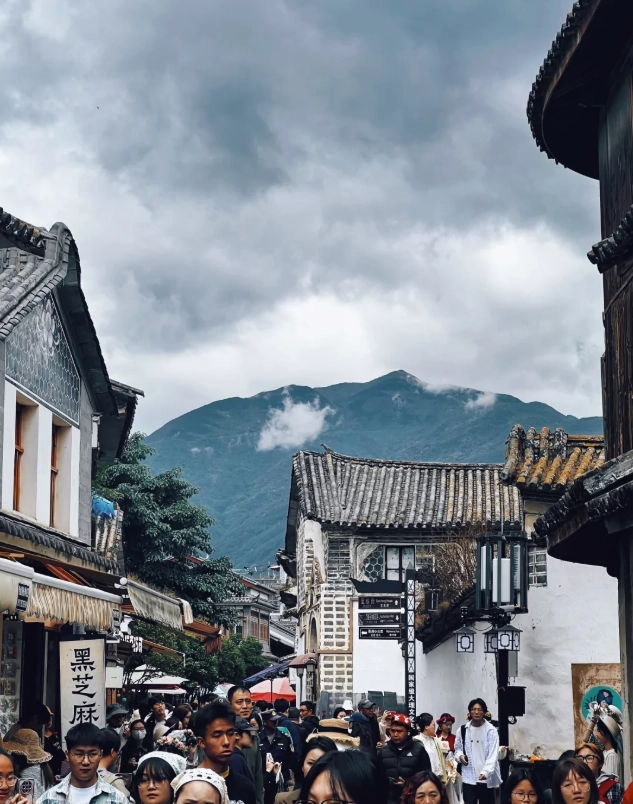
Tie-Dye Workshops
Xizhou is famous for Bai tie-dye (扎染). You'll see blue and white fabrics drying in the sun everywhere. Several workshops let you try your hand at it. Pu Zhen Lan Tie-Dye Workshop (璞真扎染) near the town center charges 50-120 RMB depending on the item size. The owners speak basic English and guide you through the process. I've done it three times with different groups—everyone ends up with a unique scarf they're proud of.
Less Crowded than Dali Old Town
While Dali Old Town is packed with selfie sticks and tour groups from 10 AM to 6 PM, Xizhou stays relatively calm. You can actually hear birds and the sound of a weaver's loom. That alone is a huge plus for many travelers.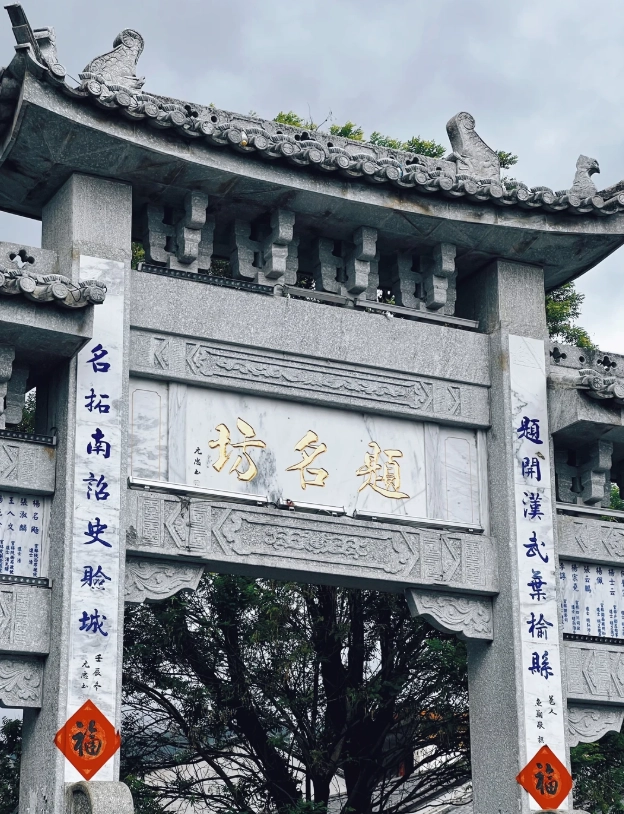
The Practical Stuff: Tickets, Timing, and Transport
| Item | Details |
|---|---|
| Free entry to Xizhou town itself | No ticket needed to walk around. Only specific courtyard museums charge. |
| Yan Family Courtyard | Adult 25 RMB, children under 1.2m free. Open 8:00-17:30. No advance booking required. |
| Tie-Dye workshop | 50-120 RMB per person, usually open 9:00-18:00. Walk-in possible, but weekends can be busy. |
| Best visiting hours | 8:30-11:00 AM (soft morning light, few people) or 4:00-6:00 PM (golden hour, nice for photos). Avoid noon to 2 PM when it's hottest and harshest light. |
| Recommended time | Half a day (about 4-5 hours) if you take it slow and try tie-dye. |
| Wheelchair accessibility | Limited. Streets are uneven stone, some courtyards have steps. Not recommended for those with mobility issues. |
What to Eat in Xizhou
Xizhou is famous for Xizhou Baba (喜洲粑粑)—a thick, flaky griddle-baked flatbread. There are two varieties: savory (with scallion and minced pork) and sweet (with brown sugar and walnut). The best one? I always take my groups to Grandma's Baba Stall (阿妈破酥粑粑) near the old theater. 15 RMB for a huge piece, crispy outside and soft inside. Cash only, no English sign—just look for the queue of locals around 10 AM.
Another gem is Xizhou Liang Fen (凉粉)—cold rice jelly with chili oil, vinegar, and crushed peanuts. Try it at the small shop on Sifang Street—8 RMB per bowl. Be warned: it's spicy, but the refreshing contrast to the warm baba is perfect.
For a sit-down meal, Bai Ethnic Restaurant (白族风味园) on the main street serves sour-spicy fish, steam pot chicken, and stir-fried fern. Average cost: 60-80 RMB per person. They have a picture menu, so pointing works. No English menu though.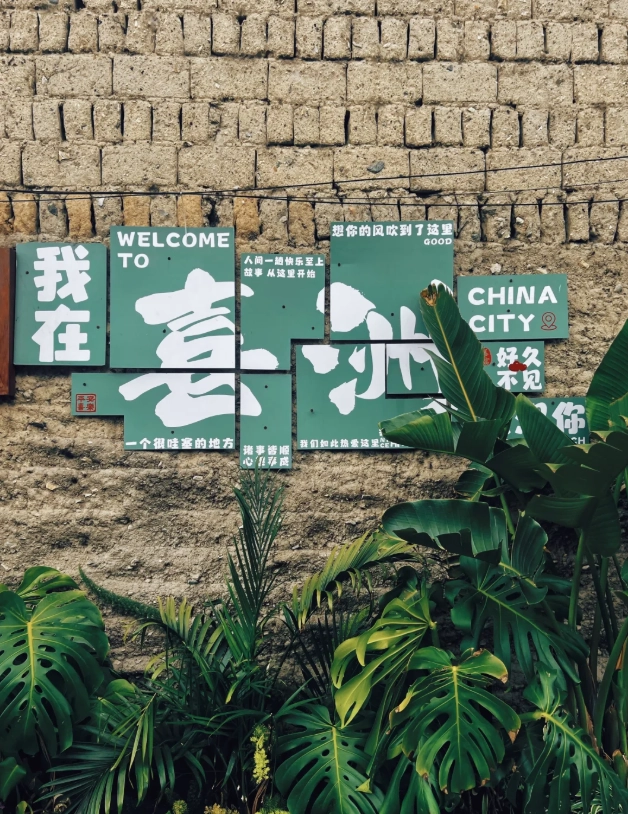
How to Get There
Xizhou is about 20 km north of Dali Old Town. Here are the most common options:
- Local bus: Take bus No. 2 or No. 4 from Dali Ancient City Gate to the bus station, then transfer to a minibus heading to Xizhou (departs every 20 min, 8 RMB, 50 min). Tell the driver to drop you at Xizhou Ancient Town. The minibus can get cramped—I've had to stand many times.
- DidI (ride-hailing): About 50 RMB from Dali Old Town, 30 min. Get the app before you come; international credit cards sometimes work, but best to have Alipay linked.
- Bicycle/E-bike rental: Many guesthouses in Dali rent e-bikes for 80-100 RMB/day. It's a scenic ride along Erhai Lake, but the road can have heavy truck traffic—stay alert.
My tip: Avoid taking a taxi directly from the Dali Railway Station—they'll quote you 120+ RMB. Instead, take the bus to the Ancient City and then a DidI from there.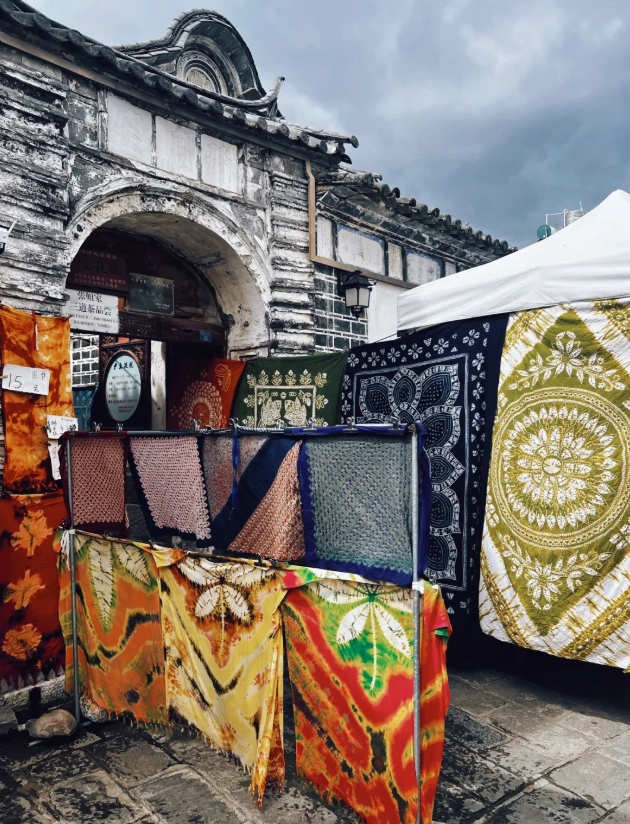
Is It Worth It for You?
I'll break it down by traveler type:
- Culture enthusiasts: Absolutely yes. The architecture, tie-dye, and Bai way of life are authentic.
- Photographers: Yes, if you come early or late. Midday light is harsh and the town looks flat.
- Solo budget travelers: Yes, cheap food and free walking. You can spend under 100 RMB for a full day.
- Luxury seekers: Maybe not. There's no fancy spa or upscale dining. But you can pair it with a stay at a boutique hotel in Dali.
- Family with young kids: Mixed. The narrow streets with open drains worry some parents. But kids love the tie-dye workshop.
- Anyone pressed for time: If you only have one day in Dali, skip Xizhou and focus on Dali Old Town and Erhai. Xizhou needs at least half a day to breathe.
Frequently Asked Questions
Verified and fact-checked by the editorial team.





No comments yet.