 Wei Zhang
Quick Navigation – What’s Inside
I’ve been guiding tours around Yunnan for nearly a decade, and Xizhou Ancient Town is one of my favorite stops. But I’ve also watched too many travelers arrive at the worst possible moment—blazing sun, shoulder-to-shoulder crowds, or a sudden downpour that turns the cobblestones into a slip-and-slide. So let me cut through the noise: the best time to visit Xizhou Ancient Town is from mid-April to early June, and then from mid-September to late October. Here’s the breakdown.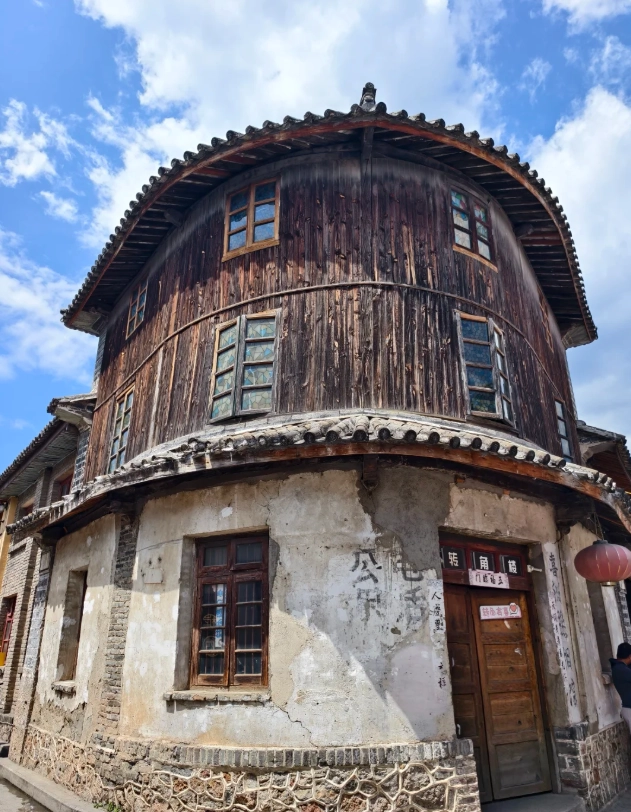
Why Timing Matters in Xizhou
First off, Xizhou isn’t huge. The main attractions—the Four Square Street, the Corner Tower, and the Yan family compound—are all within a 15-minute walk. But the charm is in its tranquility. Visit during peak times and you’ll be fighting for a photo spot instead of soaking in the Bai architecture. Also, the local market and the famous Xizhou baba (a crispy bread) are best enjoyed when the town isn’t swamped. A bad timing choice can turn a beautiful day into a sweaty, frustrating experience.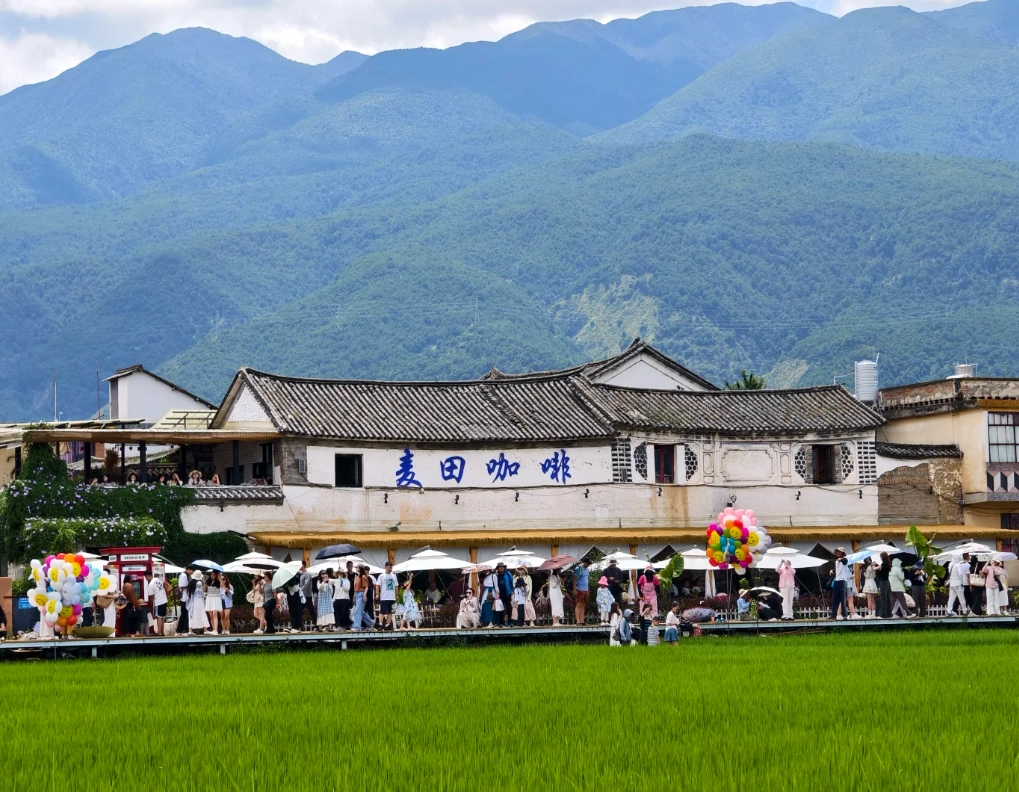
Seasonal Breakdown: Spring, Summer, Autumn, Winter
| Season | Months | Weather | Crowds | Verdict |
|---|---|---|---|---|
| Spring | March – May | Mild, 15-25°C, occasional rain | Moderate (spring break spike) | Good, but aim for late April |
| Summer | June – August | Warm to hot, 22-30°C, monsoon rains | High (domestic tourism) | Not ideal – humid and crowded |
| Autumn | September – November | Cool, 12-24°C, clear skies | Low to moderate (perfect) | **Excellent** |
| Winter | December – February | Cold, 2-15°C, sunny days | Low | Good, but bring layers |
Best Months: April, May, September, October
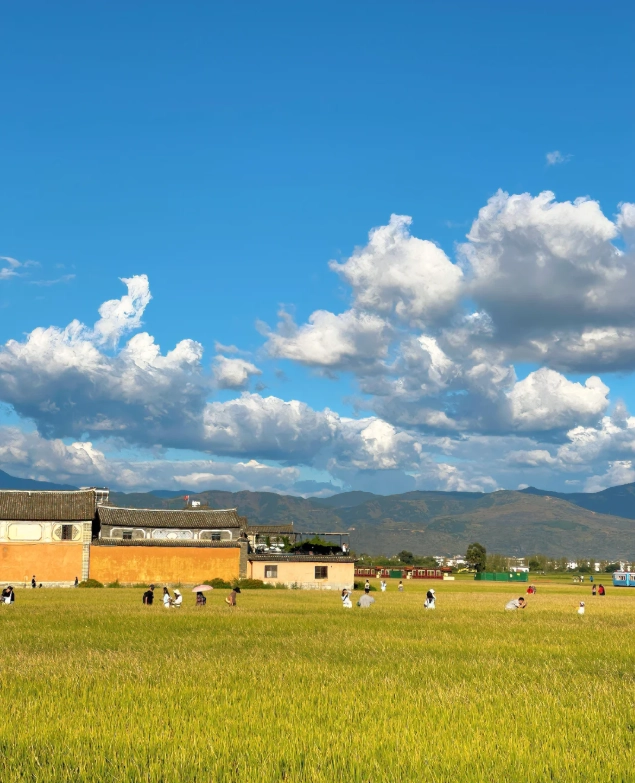
Let me be specific. April and May offer perfect temperatures around 20°C, and the surrounding fields are lush green. In April, the azaleas bloom. September and October bring crisp air and the famous Dali sky—so clear you’ll think it’s a filter. Plus, the autumn harvest means local produce is at its peak. I always tell my groups: if you can only pick two weeks, go for the last week of April or the first week of October. Golden window.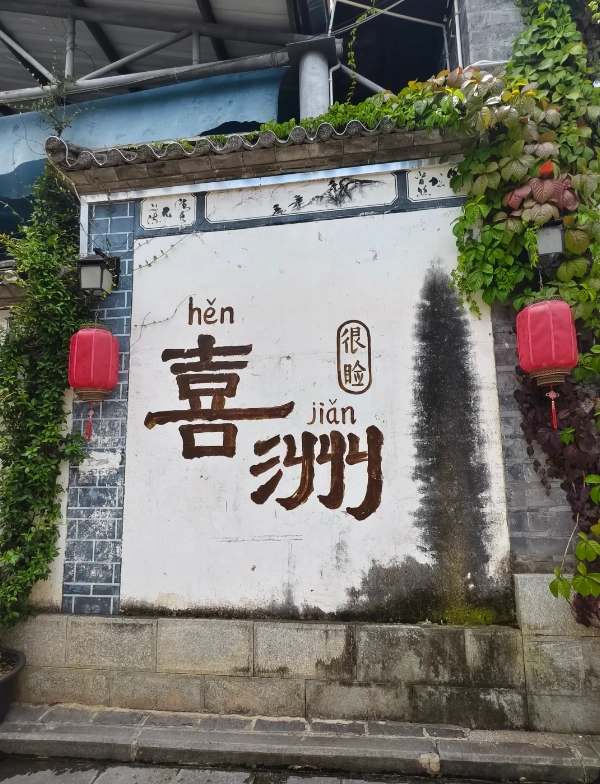
Worst Times to Visit (and How to Dodge)
July and August are the worst. It’s the rainy season, so expect afternoon thunderstorms that last a few hours. The humidity makes the stone streets slippery, and the crowds are nonstop. I’ve had clients slip on the wet steps near the Corner Tower—not a good memory. If you must go in summer, plan for early morning visits (start at 7:30 AM) and have an indoor backup like the Xizhou Museum (free entry) or a tea house on the second floor of a courtyard.
Another hidden bad time: the Chinese New Year period (late January to mid-February). The town is decorated nicely, but many local family-run shops close for a week or two. You’ll find fewer baba stalls and a lot of places shuttered. I’d recommend skipping that window unless you want a ghost town vibe.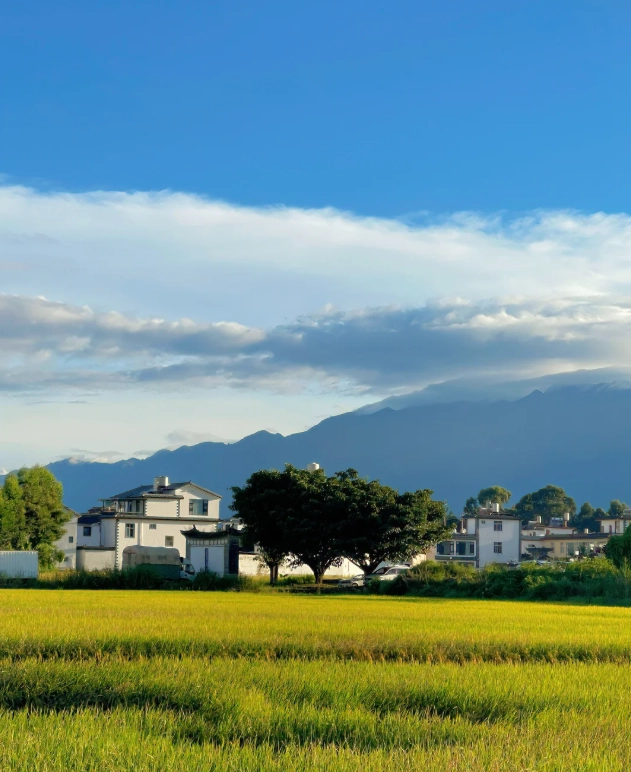
Time of Day: Morning vs. Afternoon
Hands down, the best time of day is from sunrise (around 7:00 AM in summer, 7:30 AM in winter) to 10:00 AM. The morning light is soft, the air is fresh, and you’ll see locals starting their day—old ladies washing vegetables in the canal, the baba oven firing up. It’s the real Xizhou.
Afternoon from 1:00 PM to 4:00 PM is brutal. That’s when the tour buses from Dali Old Town roll in. The narrow alleys become congested, and the heat (especially in summer) is draining. I always tell my groups: take a midday break. Find a quiet courtyard guesthouse like Xizhou Sanyuan (about ¥120 for a tea set) and chill until 4 PM. Then head back out for golden hour—the light hits the white-washed walls and makes everything glow.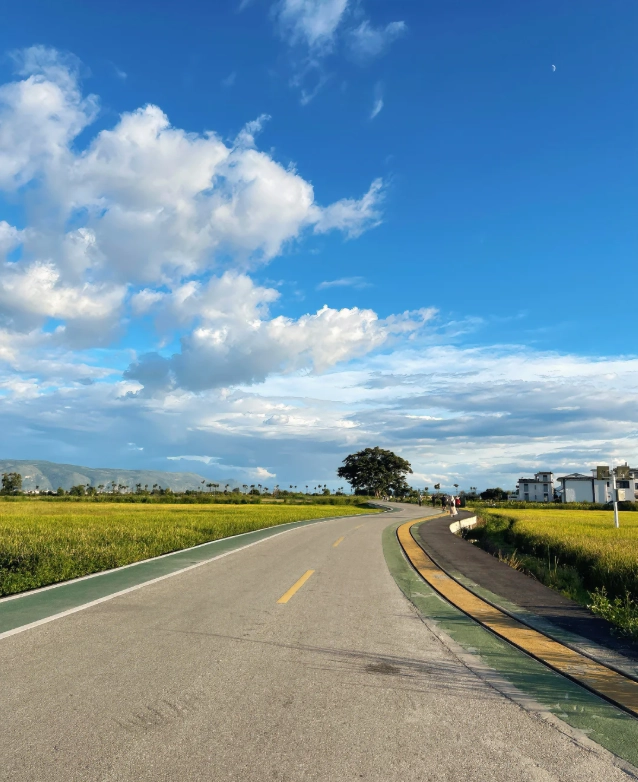
How Many Days Do You Need?
One full day is enough to see the highlights, but if you want to feel the vibe, stay overnight. Xizhou has some gorgeous boutique hotels, like Xizhou Taoyuan Guesthouse (¥300-600/night, traditional Bai courtyard). With two days, you can take a morning bike ride to the nearby Erhai lakeside (about 5 km east, free to walk, bike rental ¥20-30). Many travelers miss that because they rush back to Dali. Don’t.
Insider Tips from a Local Guide
- Transport: From Dali Ancient Town, take bus no.4 (¥7, 40 minutes) or Didi (¥30-40, 25 minutes). Get off at “Xizhou Ancient Town” stop. Don’t take a taxi that waits outside the town—they overcharge. Use DiDi app.
- Entry: The town itself is free. Some courtyards (like Yan’s Compound) charge ¥10-20. No reservation needed for the town, but for Yan’s Compound you might need to show ID (passport is fine).
- Food: Must-try: Xizhou baba from the stall near the Corner Tower (Zhang’s Baba, ¥5-8 per piece, sweet or savory). I prefer the sweet one with brown sugar and sesame. Also try the local yogurt from a street vendor (¥3).
- Packing: Even in summer, bring a light jacket—afternoon rain can chill you. Good walking shoes with grip are non-negotiable; the stone streets get slippery even when dry.
- Payment: Most small vendors only accept WeChat Pay or Alipay. I always advise carrying ¥100-200 in cash as backup. International cards are rarely accepted in the town.





No comments yet.