 Hui Lin
Quick glance: what you'll learn
Let me paint you a picture. I'm standing at the bottom of Hengshan Mountain, looking up at those wooden planks stuck to a cliff. My first thought? There's no way that's safe. But after guiding over 200 groups to the Hanging Temple, I can tell you: the scariest part is your own fear, not the structure itself.
You've probably read generic advice like "wear good shoes" and "go early." That's not enough. The real challenges—slippery steps when it drizzles, sudden wind gusts that make the wooden boards creak, and the bottleneck at the single-file walkway—those are what catch tourists off guard. I once had a guest freeze halfway across because she saw a gap between the plank and the cliff. Totally normal, by the way. The temple has stood for over 1,500 years.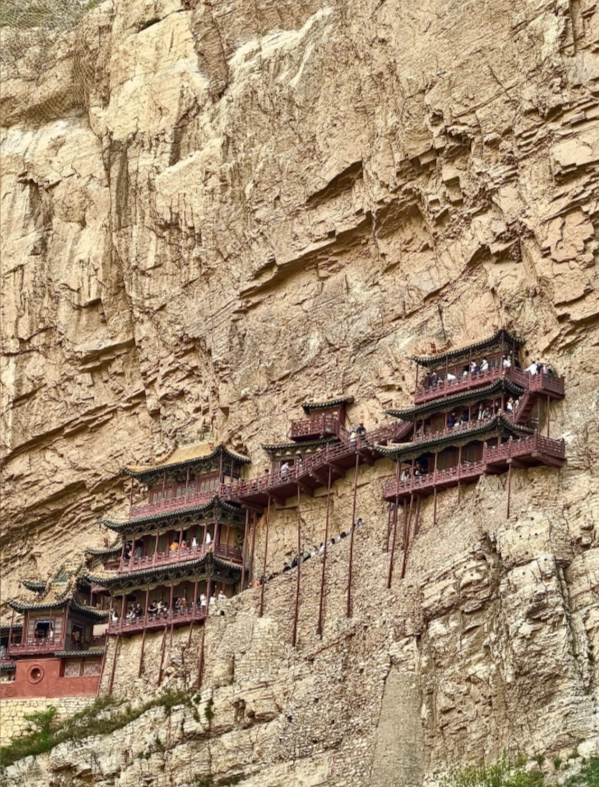
Here's the short version: the Hanging Temple is structurally sound, but human behavior and weather create the actual safety risks. Avoid weekends, arrive before 10 AM or after 2 PM, and never wear sandals. Read on for the exact details that will keep you safe and stress-free.
Why the Hanging Temple feels dangerous (and why it's actually safe)
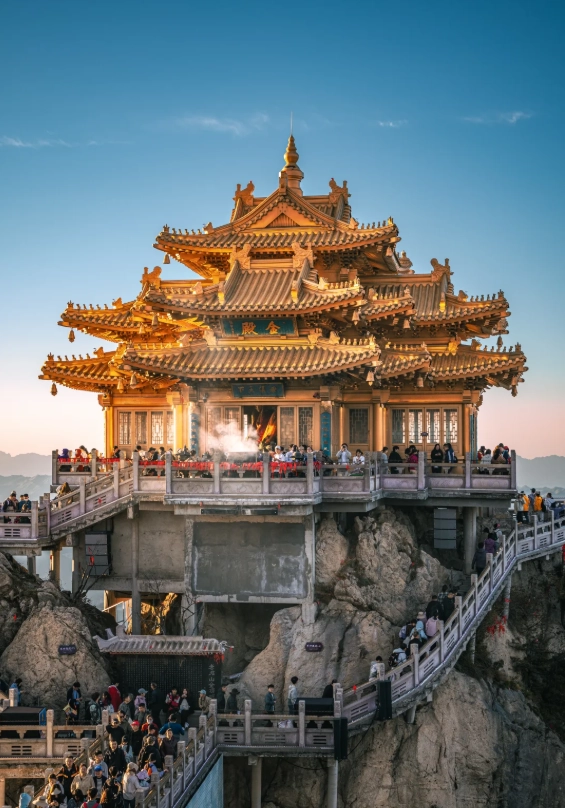
The temple clings to a cliff at about 75 meters high. You walk on wooden planks supported by crossbeams inserted into rock. First-time visitors often panic because the railing is low (waist-high), and you can see straight down. But here's the thing: the temple has survived multiple earthquakes and centuries of weather. It was restored in 2015 with modern reinforcements. The real risk? Other tourists. Pushing, sudden stops for selfies, and bottlenecks on the narrow walkway cause more accidents than structural failure.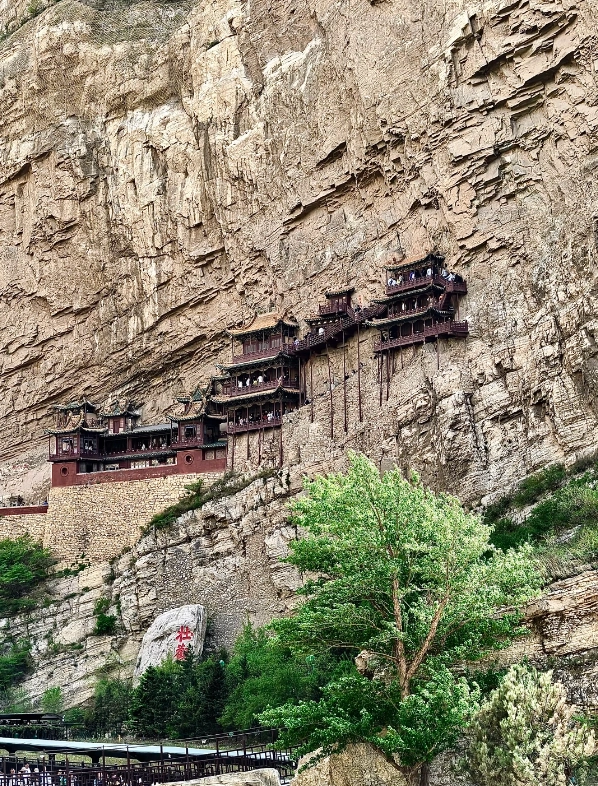
How to avoid dangerous crowds (and the safety hazards they create)
Crowds are the #1 safety issue. During Chinese national holidays (Oct 1–7, May 1–5), the walkway becomes a sardine can. People push, elbows fly, and I've seen tourists nearly lose their footing. If you must visit during peak season, go at opening time (8:00 AM) or late afternoon (after 3:30 PM). The last entry is usually 5:00 PM, but they stop selling tickets 30 minutes before.
| Time slot | Crowd level | Safety risk |
|---|---|---|
| 8:00 – 10:00 AM | Low | Low |
| 10:00 AM – 2:00 PM | High | Medium-high |
| 2:00 – 5:00 PM | Moderate | Low (if you don't rush) |
One more thing: the walkway is one-way during crowded times. Don't try to go back the way you came—you'll cause a jam. Finish the loop and exit at the designated point.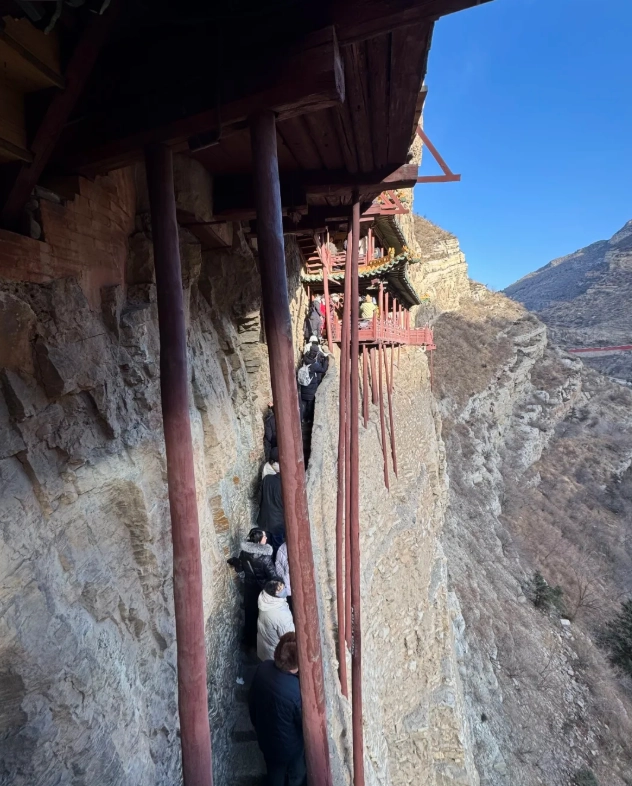
What to wear and what to leave behind
This is where most tourists mess up. High heels? No. Flip-flops? Absolutely not. The steps are uneven, some are steep (about 45 degrees), and after rain they're like an ice rink.
- Footwear: closed-toe shoes with good grip. Hiking shoes are overkill, but sneakers with decent tread work.
- Clothing: layers. The mountain creates its own microclimate. Mornings can be chilly (even in summer), and afternoons get hot. Avoid loose scarves or long skirts—they can catch on railings.
- Backpack: keep it small. Wide bags hit other people and can throw you off balance in tight spots.
I once saw a woman in a long dress trip on the stairs. She was fine, but it took 10 minutes to calm her down. Don't be that person.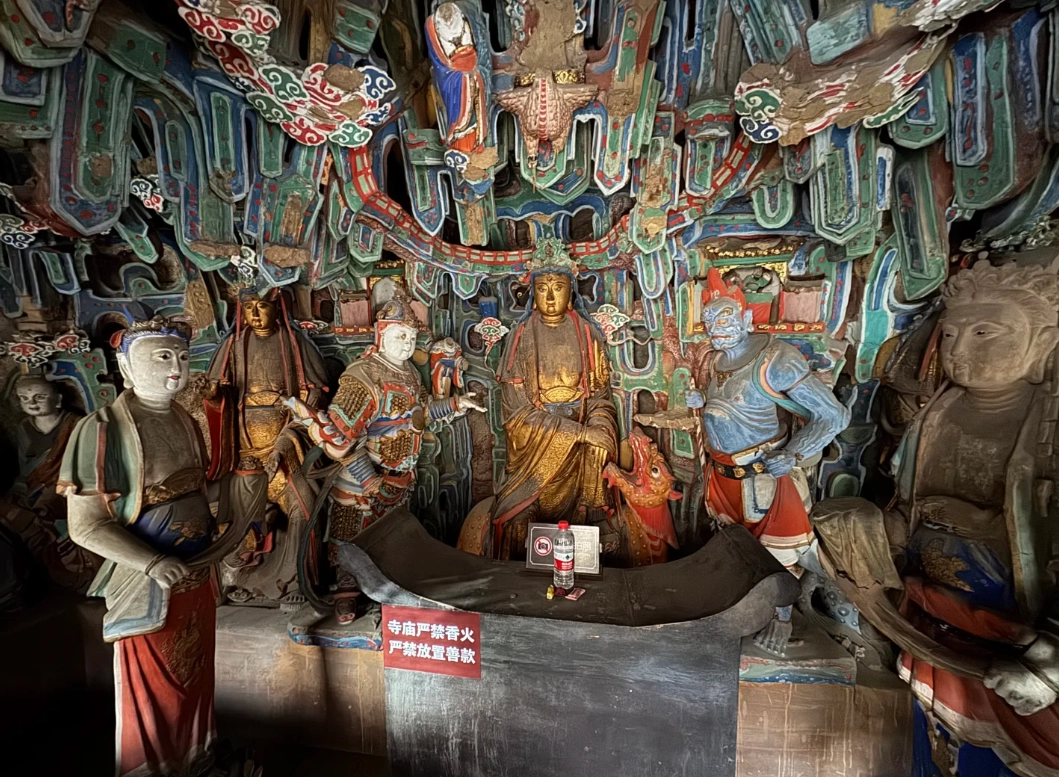
My step-by-step navigation strategy for the stairs
There are about 200 steps, divided into sections. Here's the sequence I walk with my groups:
- Enter the main gate – show your ticket (print or phone). You'll walk a short path to the base of the cliff.
- First set of stone stairs (about 40 steps) – take it slow, use the handrail on your right.
- Wooden plank walkway (the famous part) – stay single file. If someone stops to take a photo, wait behind them. Do not pass on the inner side (against the cliff) because the railing is lower there.
- Middle platform – a small area where you can catch your breath. Great photo spot, but don't linger too long.
- Upper corridor – narrower, with a lower railing. Keep one hand on the rock wall. This is where I tell my guests: “Don't look down, look at the ancient Buddhist statues carved into the rock.”
- Exit stairs – they lead down to a different path. The exit is one-way, so you won't go back through the main entrance.
Warning: The exit stairs are a bit hidden. After the upper corridor, look for a sign pointing down. Don't miss it—otherwise you'll have to backtrack through the crowded walkway.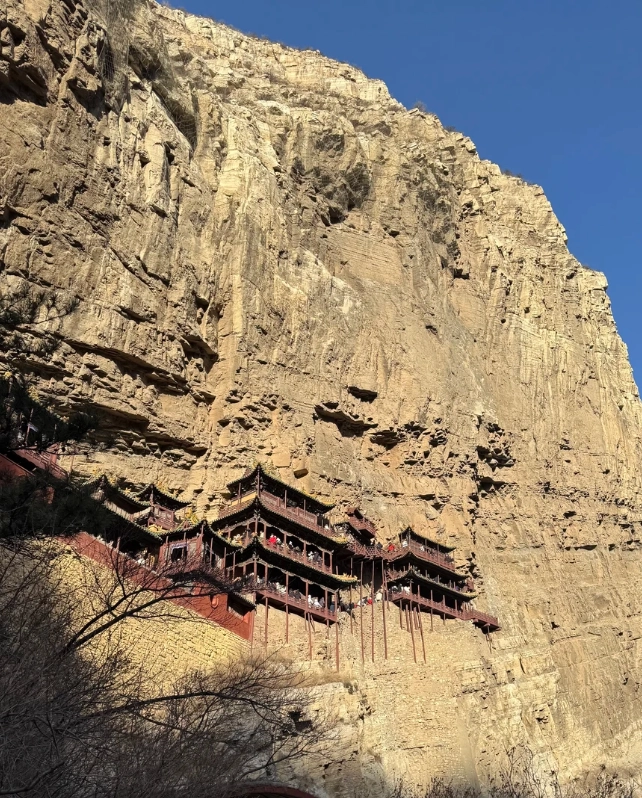
When weather turns bad — your backup plan
Rain and wind are the main concerns. The temple closes during heavy storms (rare, but happens). If you see dark clouds gathering, don't start the walkway. Wait at the entrance shelter for 30 minutes—often the rain passes quickly. Wind is more dangerous because it can make the wooden planks vibrate. If wind speeds exceed 40 km/h (check local weather), the site may restrict access to the upper levels. In that case, you'll still be able to visit the lower courtyard and museum, which has interesting exhibits about the temple's construction.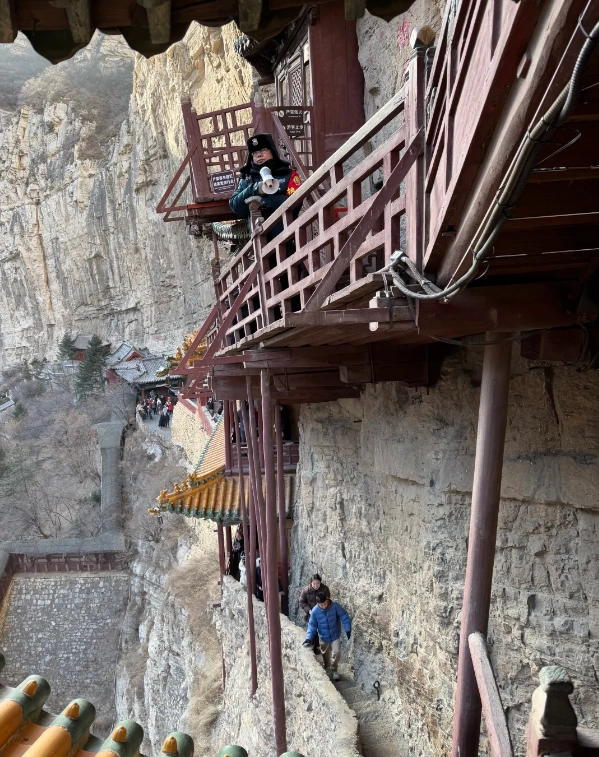





No comments yet.