 Lei Li
Standing in the quiet excavation pits at Zhoukoudian, it's hard to grasp you're looking at the ground where skulls over 700,000 years old were found. This isn't just another museum; it's the actual hillside where Homo erectus pekinensis lived, made tools, and used fire. I've been twice—once on a rushed tour and once on my own terms. The difference was huge. Most guides online give you the basic facts, but they miss the practical stuff that makes or breaks your visit. Like figuring out if the long subway-bus combo is worth it, or how to actually visualize life here from scattered bone replicas. This guide is about bridging that gap between the site's profound importance and the reality of visiting it today.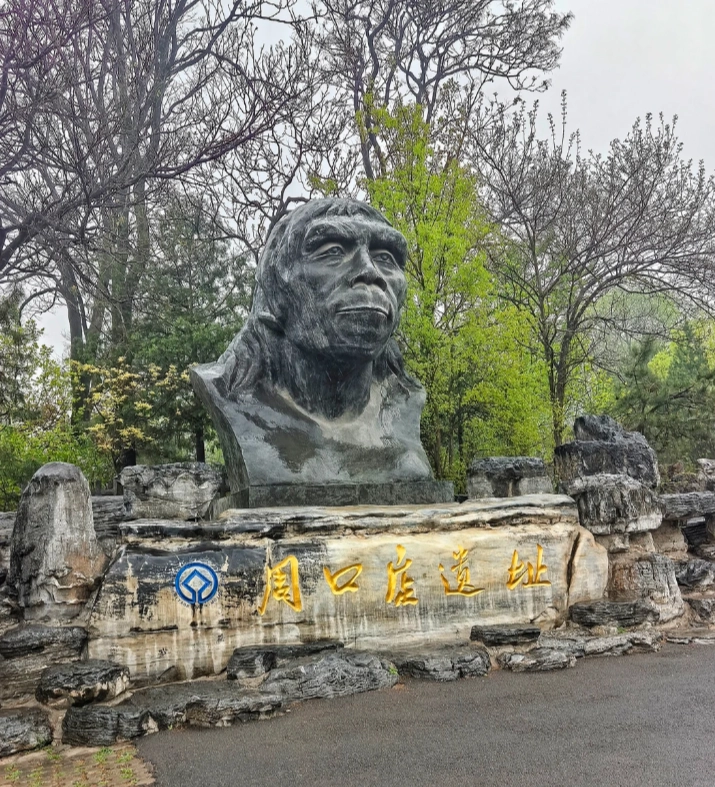
Your Quick Navigation Guide
Planning Your Visit: The Essentials
Let's be clear about one thing. Zhoukoudian is a site of two parts: the museum complex (modern, air-conditioned, full of explanations) and the actual fossil locality (a wooded hillside with marked excavation sites). You need tickets for both, and they operate as separate entities, which trips up many first-timers.
Key Information at a Glance
Address: Zhoukoudian Street, Fangshan District, Beijing. It's not "in" Beijing city; it's in a suburban district, which explains the travel time.
Operating Hours: Typically 9:00 AM to 4:30 PM, Tuesday through Sunday. The site is closed on Mondays for maintenance. Last entry is usually 30-60 minutes before closing. Always double-check on the official site or a reliable travel platform like the Beijing Municipal Government's tourism page for any seasonal changes.
Ticket Prices:
- Peking Man Site Museum (Main Exhibition Hall): Around 30 RMB.
- Fossil Locality (The actual caves and excavation sites): Around 30 RMB.
- Combined Ticket: Often available for about 50 RMB, which is the most sensible purchase.
Purchase is on-site. I didn't see robust online booking when I last visited, but having cash (RMB) is a safe bet, though mobile payments are increasingly accepted.
The most common mistake? Underestimating the time needed. This isn't a one-hour stop. To do it justice, including travel from central Beijing, you're looking at a full half-day commitment, minimum.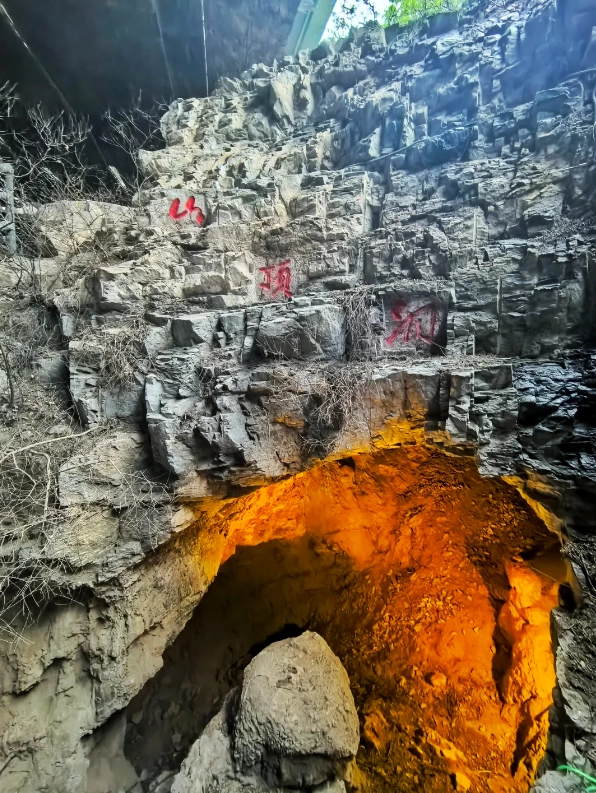
How to Get to Zhoukoudian from Beijing
This is the biggest hurdle and where most generic advice falls short. You have three realistic options, each with a different trade-off between cost, time, and hassle.
| Transport Method | Route Details | Approx. Time (One Way) | Cost (One Way) | Best For |
|---|---|---|---|---|
| Subway + Public Bus | Subway Line 9 to "Guogongzhuang" → Exit and transfer to Bus Fangshan Line 38 to "Zhoukoudian Railway Station" → Walk 10-15 mins. | 2 - 2.5 hours | ~10 RMB | Budget travelers, those comfortable with navigating Chinese public transit. |
| Subway + Tourist Bus | Subway Line 9 to "Guogongzhuang" → Exit A → Look for the direct "Zhoukoudian Special Line" tourist bus (clearly marked). | 1.5 - 2 hours | ~15-20 RMB | Most visitors. Less walking, more direct, but check departure schedules. |
| Private Car / Ride-Hailing / Tour | Direct drive from central Beijing (e.g., Wangfujing). | 1 - 1.5 hours | 200 - 400+ RMB | Families, small groups, those prioritizing comfort and time efficiency. |
My personal take? On my first visit, I did the subway+bus combo. It was cheap, but tiring and confusing when searching for the right bus stop. The second time, I used a ride-hailing app (like Didi) from the Guogongzhuang subway station. It cost about 50 RMB for the final leg, saved 40 minutes of uncertainty, and was worth every penny. If you're in a group of 3-4, splitting a direct car from downtown starts to make financial sense.
Navigating the Final Stretch
Whether by bus or car, you'll be dropped at a parking area near the main road. From there, you'll see signs pointing you down a tree-lined walkway for about 10-15 minutes to the ticket office and museum entrance. It's a pleasant walk, but it's not flat. Wear comfortable shoes—this theme continues throughout the site.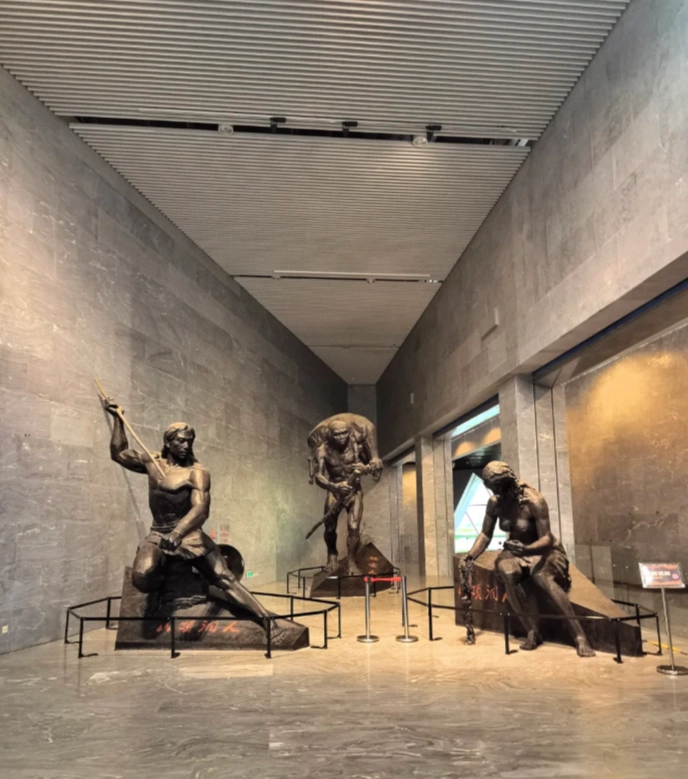
What to See and Do at Zhoukoudian
The visit logically flows from the modern to the ancient. Start at the museum to build context, then walk up to the sites.
The Peking Man Site Museum
Don't skip this. Walking straight to the caves without the museum primer is like watching a movie's climax without the setup. The museum is modern, well-lit, and has English signage (though the quality varies). The key exhibits are casts and replicas—the original Peking Man fossils were lost during World War II, a tragic story the museum explains. Focus on:
- The Skull Replicas: Seeing the pronounced brow ridges and robust features up close is chilling.
- Stone Tool Displays: Simple choppers and scrapers that illustrate their technological capability.
- Evidence of Fire Use: Burnt animal bones and ash layers. This is a massive deal in human evolution.
The museum can feel a bit academic. If you find yourself glazing over, just focus on those three things. They tell the core story.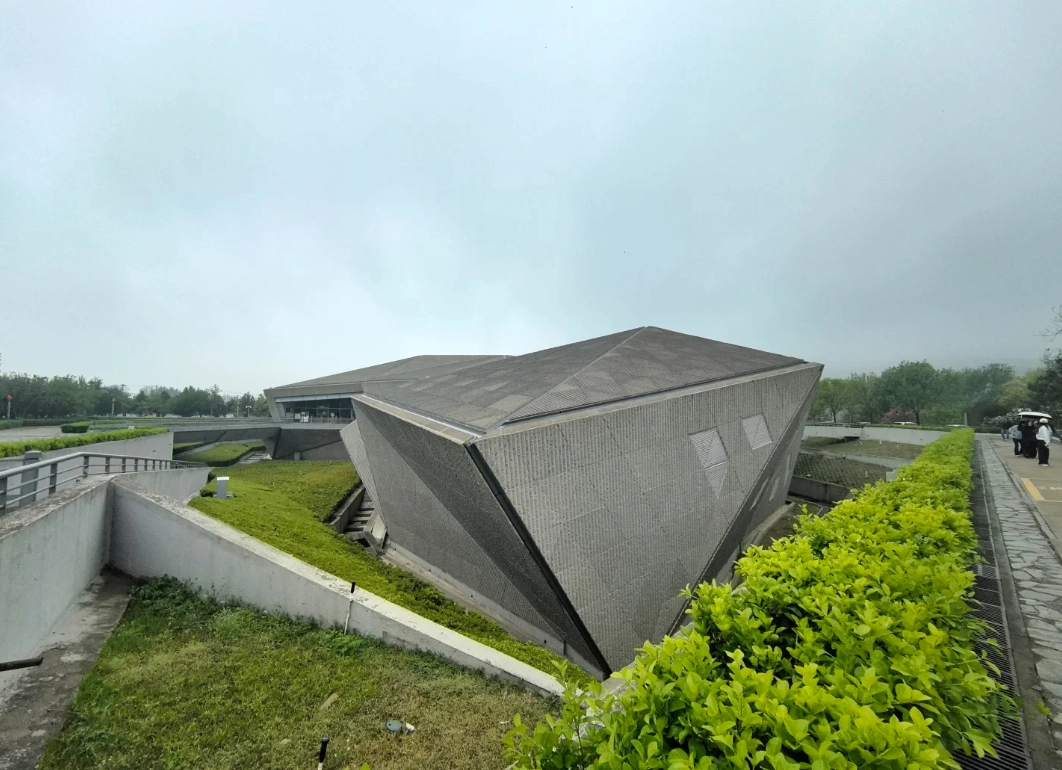
The Fossil Locality (The Caves and Excavation Pits)
After the museum, follow the signs uphill. This is where you feel the place. You'll visit several numbered "Locales."
- Locality 1 (Dragon Bone Hill): The main event. This is the large excavated cave complex where the first skull was found. Standing on the viewing platforms, you look down into deep, stratified pits. It's more impressive in scale than I expected. Look for the markers indicating where specific finds were made.
- Upper Cave (Locality 26): A separate cave higher up where more recent Homo sapiens fossils (about 30,000 years old) were discovered, along with ornaments like beads. The path here is steeper. Many tours skip it due to time, but it's crucial for understanding the full timeline of human occupation.
- The Hike: The paths between sites are shaded and peaceful. It's not a strenuous hike, but there are stairs and inclines. I saw several visitors in unsuitable footwear struggling.
A non-consensus point: The site's power is more in its authenticity of location than in jaw-dropping visual spectacle. You're walking on the same limestone they did. Let that sink in.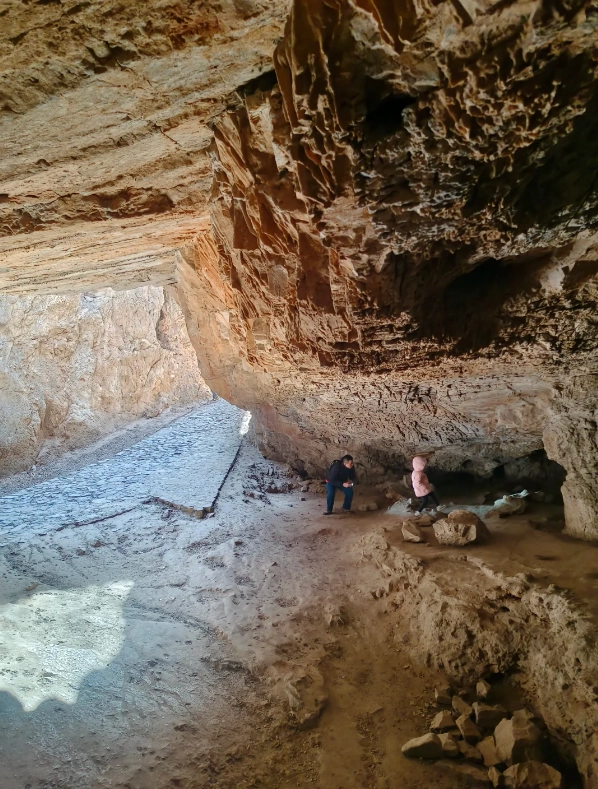
Crafting the Perfect Itinerary
Here’s a sample schedule based on arriving via the subway/tourist bus option, which is the most balanced approach.
Morning (Depart Central Beijing ~8:00 AM): Take Subway Line 9 to Guogongzhuang. Find and board the "Zhoukoudian Special Line" tourist bus.
Late Morning (Arrive ~10:00 AM): Purchase your combined ticket at the entrance. Head straight into the Peking Man Site Museum. Spend 60-90 minutes here. Don't try to read every panel. Soak in the key artifacts and the story.
Midday (~11:30 AM): Exit the museum and begin the walk up to the Fossil Locality. Explore Locality 1 thoroughly. Then, if your energy and time allow, make the climb to the Upper Cave. The entire hillside exploration takes 60-90 minutes.
Afternoon (~1:00 PM): Walk back down to the entrance area. There are basic snack stalls and a small restaurant nearby for a simple lunch. This is not a gourmet food destination—manage expectations. After lunch, catch the return tourist bus to Guogongzhuang subway, arriving back in central Beijing by mid-afternoon.
This plan avoids the largest crowds (which tend to come on weekend afternoons) and gives you ample time without feeling rushed.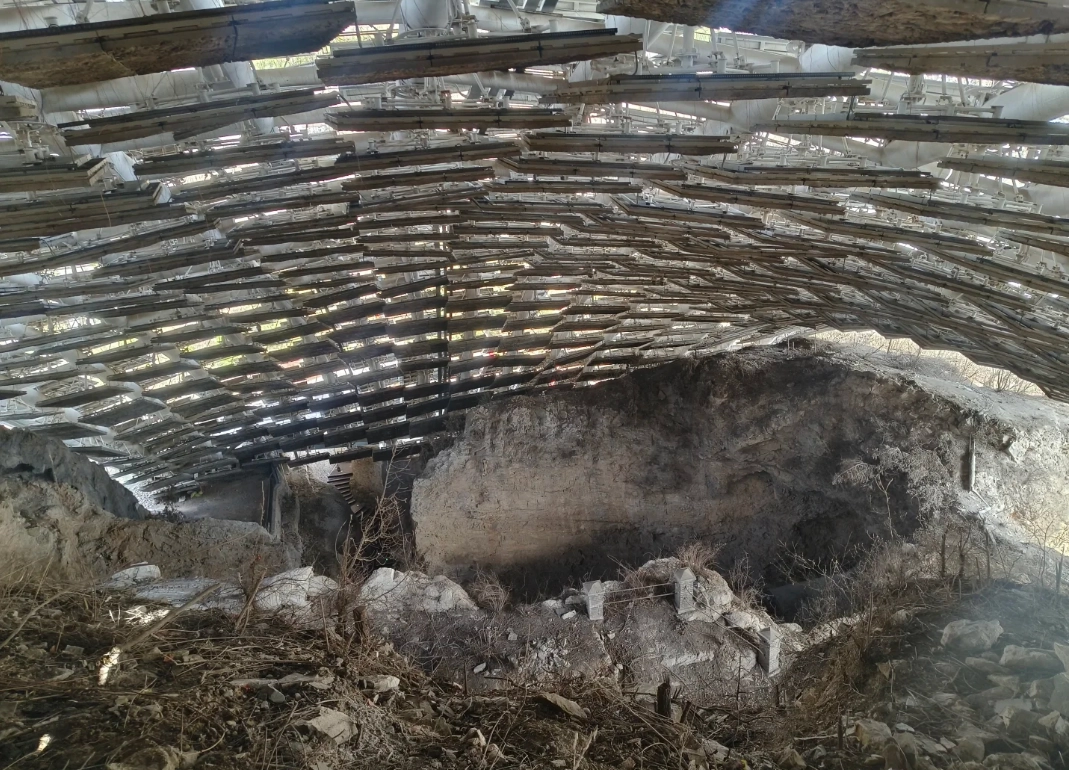
Expert Tips for a Better Experience
- Footwear is Non-Negotiable: I'll say it again. Wear sturdy, comfortable walking shoes with good grip. The paths are paved but can be uneven and steep in sections.
- Hydration and Snacks: Bring a water bottle. While there are vendors, having your own supply is easier. Pack some energy bars, especially if you plan to climb to the Upper Cave.
- Context is King: Read a brief article about Homo erectus or Peking Man on the journey there. Even Wikipedia-level knowledge will make the museum displays and site markers 100% more meaningful.
- Manage Expectations on "Fossils": You will see excavation pits, not skeletons lying in the open. The original fossils are gone. The museum has excellent casts. Appreciate the site for its archaeological significance, not as a natural history diorama.
- Check the Weather: A significant portion of your visit is outdoors. A rainy day would make the hillside paths slippery and unpleasant. A clear, cool day is ideal.
Answers to Your Tricky Questions
 How accessible is the site for elderly visitors or those with mobility issues?
Standing at Zhoukoudian, you're connecting with a timeline that dwarfs dynasties and empires. It’s a place that asks for a bit of effort—in travel and imagination—but repays it with a profound sense of perspective. Go with the right expectations, good shoes, and curiosity, and you'll walk away with more than just photos of holes in the ground.
This guide is based on personal visits and cross-referenced with current official visitor information.





Honestly a bit underwhelming. The site itself is important historically, but the experience feels outdated. Many of the interactive screens were broken, and the static dioramas look like they haven't been updated since the 90s. The admission price is steep for what you actually get — basically a museum with a few bones and a walk up a hill. I'd skip unless you're a die-hard paleontology fan.
Good overall but not mind-blowing. The main exhibition hall is informative with English translations, but several display cases had glare from the lighting making it hard to see the fossils. The walk up to the Peking Man cave is steep and a bit rugged — fine for me but I saw elderly visitors struggling. Staff were friendly and the gift shop has cool miniature skulls. Worth a half day if you're in the area.
A quiet, reflective place that feels far from the city even though it's only an hour from central Beijing. I spent three hours walking the hillside and reading every plaque. The reconstruction of the cave interior is cleverly done. If you're a solo traveler who loves ancient history, this is a hidden gem. Also the ticket price is very reasonable for such a significant UNESCO site.
Took my two kids (ages 9 and 11) and they were surprisingly engaged! The outdoor trails are well-maintained and you can see the actual cave openings. The audio guide is worth the extra few yuan. The only downside was the lack of shade on the upper path — bring a hat and water. Still, a fantastic educational day trip from Beijing.
Absolutely blown away by the authenticity of this site. The excavation shelter where they found the skull fragments gave me chills. The museum is well-curated with actual fossils and life-sized dioramas. My only tip: go early in the morning to avoid the school groups — the peace really adds to the experience. A must for anyone interested in human origins!
Great value for the entrance fee. The museum has some original fossils and a cool 3D animation of how Peking Man lived. I was disappointed that the actual cave is closed to visitors—you can only see it from a platform. Still, the whole park is well maintained and the signage is clear. Worth a half-day stop if you're in the area.
Came here on a rainy weekday and had the whole place almost to myself. Very peaceful vibe. The staff at the ticket booth were friendly and helped me download the audio guide app for free. The excavation site is preserved nicely and you really feel connected to ancient history. Perfect for a quiet, reflective day trip.
Honestly, a bit underwhelming for the price. The museum is small and most exhibits are just replicas. The real cave area is fenced off so you can only look from a distance. It took us only an hour to see everything, and the bus from town was a hassle. Unless you're a hardcore anthropology fan, I'd skip it.
Fascinating site with incredible historical significance. The guided tour was informative, though it felt a bit rushed. I wish we had more time to explore the outdoor trails on our own. Still, seeing the actual cave and the reconstruction models was a highlight. Recommended for history lovers, but go early to avoid crowds.
Absolutely loved this place! The walk up to the actual cave sites is a bit steep but totally worth it. Standing where Peking Man was discovered gave me chills. The museum exhibits are well-curated with real fossils and interactive displays. A must-visit for anyone interested in human origins. Bring water and wear good shoes!
As an amateur paleontology enthusiast, this place exceeded my expectations! You can actually walk into the original excavation site and see the layers where ancient hominids lived. The museum's fossil collection is stunning—I even got to touch a replica of a jawbone. Highly recommend the guided audio tour (only 20 yuan) which adds so much context. This is a world-class heritage site that deserves more visitors.
Honestly a bit disappointed. Getting here took almost two hours by bus and the last stretch was a bumpy ride. Once inside, several display cases were empty and the famous Peking Man skull replica was behind smudged glass. The cave itself is cool but there's not much to see except rocks. The souvenir shop overcharges for basic items. Only come if you're a hardcore archaeology fan; otherwise skip it.
Loved the peaceful atmosphere and the forested hills around the site. It's a nice escape from the city crowds. The caves are cool and well-preserved, but I wish there was more interactive content for kids. Also, the entrance fee felt a little steep given that some areas were under renovation. Overall a solid experience, especially if you pair it with a hike on the nearby trails.
Fascinating site with incredible archaeological significance. The main exhibition hall explains everything clearly, and seeing the original excavation trenches gave me chills. Only giving 4 stars because a few English translations on the plaques were awkward and some of the walkways felt a bit worn out. Still, an unforgettable experience for history buffs. The staff at the ticket counter were friendly and helpful.
Absolutely blown away by this place! Standing inside the actual cave where Peking Man lived felt surreal. The museum is well-curated with life-sized reconstructions and real fossils. I spent over three hours here and could have stayed longer. A must-visit for anyone interested in human origins—definitely worth the trip from downtown Beijing. Bring water and wear comfortable shoes because there's a lot of walking uphill.