 Bo Wu
Bo Wu
What You'll Find Here
Why Most Online Guides Get It Wrong
I still remember the day a couple showed up at the south gate, completely exhausted. They'd followed a popular blog that told them to take bus No. 38 from the old train station. What the blog didn't mention? That bus only runs every 40 minutes and the stop is a 15-minute walk from the station exit. They waited in the smog, luggage in hand, for almost an hour.
Here is the catch: how to get to Datong Ancient City seems simple, but the devil is in the details. The city has two train stations now, and if you end up at the wrong one, your whole plan falls apart. Let me break it down the way I do for my guests – no fluff, just what I've learned from hundreds of trips.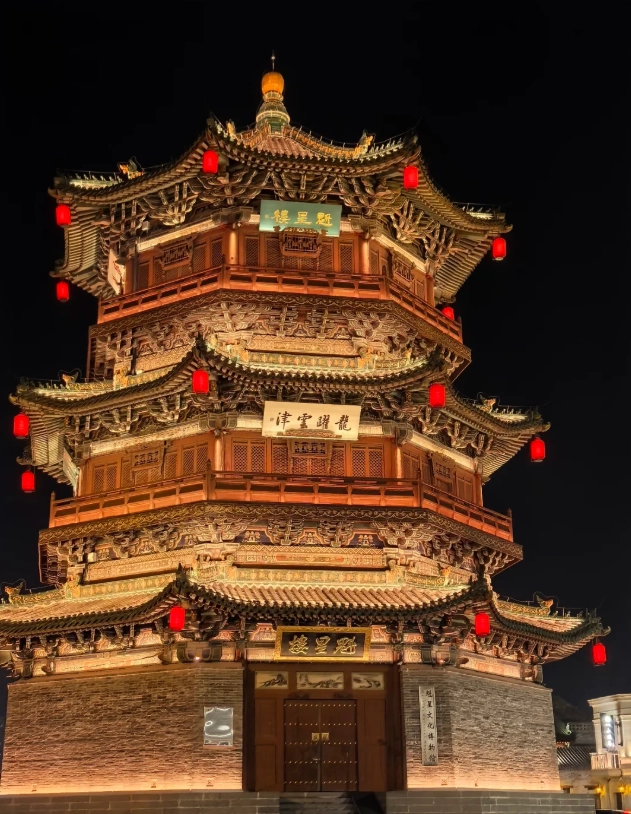
Step 1: Getting to Datong City
By Air: Datong Yungang Airport (DTA)
The airport is small but functional. From the arrival hall, you have two options:
- Airport shuttle bus (¥10) – runs every 30 minutes to the city center (terminates near the old railway station). The ride takes about 45 minutes. Pros: cheap. Cons: if your flight lands at 1 p.m., you might just miss the bus and wait another half hour.
- Taxi – fixed price to the ancient city area is around ¥50-60. But here's the trick: ignore drivers who approach you inside the terminal. Walk out to the official taxi queue. I've had guests quoted ¥80 for the same ride.
By Train: Datong Railway Station or Datong South?
This is where most foreigners slip up. Datong Railway Station (old station) is about 3 km from the ancient city. Datong South is 12 km away. If your high-speed train arrives at the south station (which is common for trains from Beijing or Xi'an), you're farther than you think.
| Station | Distance to Ancient City | Best Transport | Cost | Time |
|---|---|---|---|---|
| Datong Railway Station | 3 km | Bus 38 or 59 | ¥1 | 20 min |
| Datong South | 12 km | Taxi (use Didi) | ¥30-40 | 30 min |
Pro tip: At Datong South, don't try to find a bus – the bus stop is a 10-minute walk across a chaotic parking lot. Just open Didi (the Chinese Uber) and set your destination to "Datong Ancient City South Gate." The app shows the price upfront, so no haggling.
By Long-Distance Bus
If you're coming from nearby cities like Pingyao or Datong's suburbs, the main bus station (Xinnan Bus Station) is about 4 km from the ancient city. Take bus No. 7 or 30 from the station forecourt – both pass through the east gate area.
Step 2: From Datong City to the Ancient City Wall
Public Bus to the Gates
The ancient city wall has four main gates (East, South, West, North). The south gate is the most tourist-friendly. Bus routes 38, 59, and 61 stop at "Gucheng Qiang" (古城墙) – look for the English sign. Get off at the stop after you see the massive wall. If you're unsure, ask the driver: "Nen guo qiang xia che?" (Can I get off at the wall?)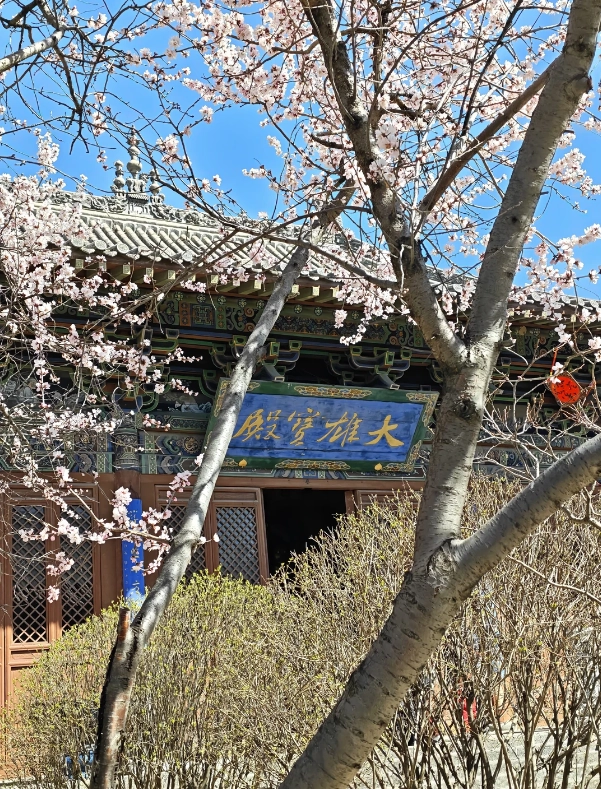
Taxi and Didi – The Scam You Need to Know
Taxi drivers at the old train station love to overcharge. One time, a driver told my guest that the ancient city was closed and offered to take him to a 'better' temple – that was a scam to get commission. Always insist on the meter or use Didi. The fare from the old station to the south gate should be around ¥10-12. Anything above ¥15 is a rip-off.
Bicycle or Walking
The ancient city area is compact. If you stay within the walls, you can walk everywhere. I recommend renting a bicycle from one of the vendors near the south gate – ¥15 for two hours. But the bike lanes inside are chaotic (shared with scooters and pedestrians), so only if you're comfortable with that.
Inside the Ancient City – Getting Around
Once you're through the gate, the main street (Gulou Street) is pedestrian-only. You'll walk past souvenir shops and food stalls. For side alleys, a shared electric scooter (like HelloBike) can be fun – but the app requires a Chinese phone number. If you don't have one, just walk. The entire wall loop is about 7 km – many people rent a four-person bicycle (¥40 per hour) to ride on top of the wall. That's worth doing.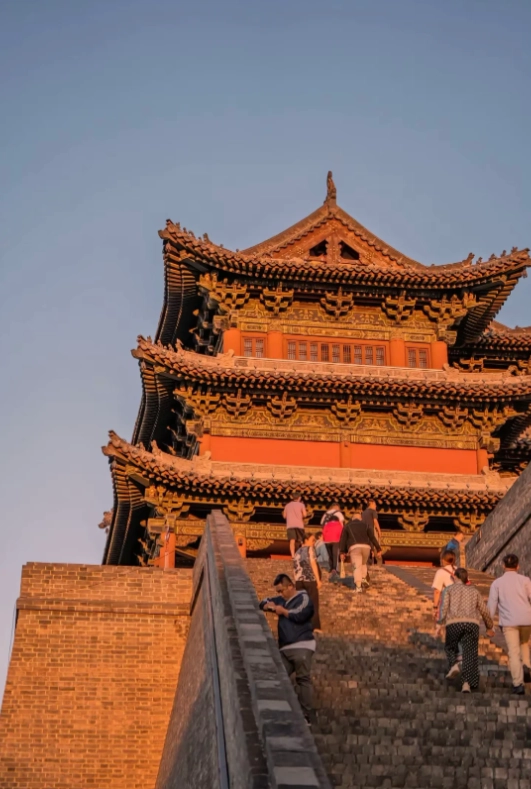
Ticket & Opening Hours
Most of the ancient city is free to enter – the wall itself, the streets, the squares. However, some specific sites inside (like the Huayan Monastery or the Nine-Dragon Wall) charge separate fees. Here's a quick reference:
| Attraction | Price (Adult) | Free for | Notes |
|---|---|---|---|
| City Wall Walk | Free | Everyone | Need to show passport. Open 8:00-21:00 |
| Huayan Monastery | ¥50 | Children under 1.2m | Open 8:00-17:30 (last entry 17:00) |
| Shanhua Temple | ¥30 | Same | Open 8:00-18:00 |
Important: For the free city wall entry, you must scan a QR code at the gate and fill in your passport details. The mini-program is entirely in Chinese. I always help my guests do this. If you're alone, ask a security guard – they see this all the time and will guide you through it. No need to panic.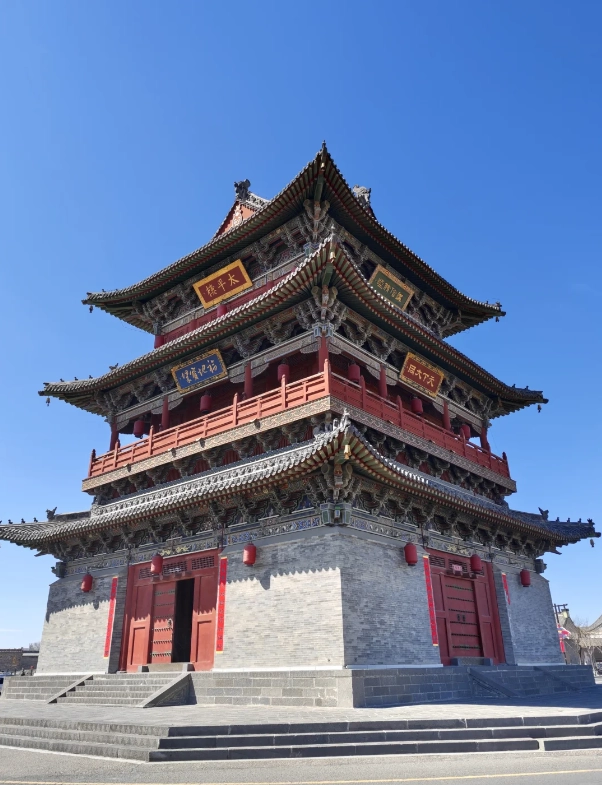
Best Time to Visit – Timing Is Everything
I've seen too many tourists show up at noon in July, sweat pouring down their faces. The wall has almost no shade. My golden window: arrive at 4:00 p.m. The light turns warm, the crowds thin out (most tour groups leave by 5), and you can watch the sunset from the west wall at 6:30. If you must go in the morning, target 8:00 a.m. – the gates open and you'll have the wall almost to yourself.
Another insider note: on weekends, the area near the south gate gets packed with locals flying kites. It's lively but noisy. If you want quiet, enter from the east gate – fewer people, same view.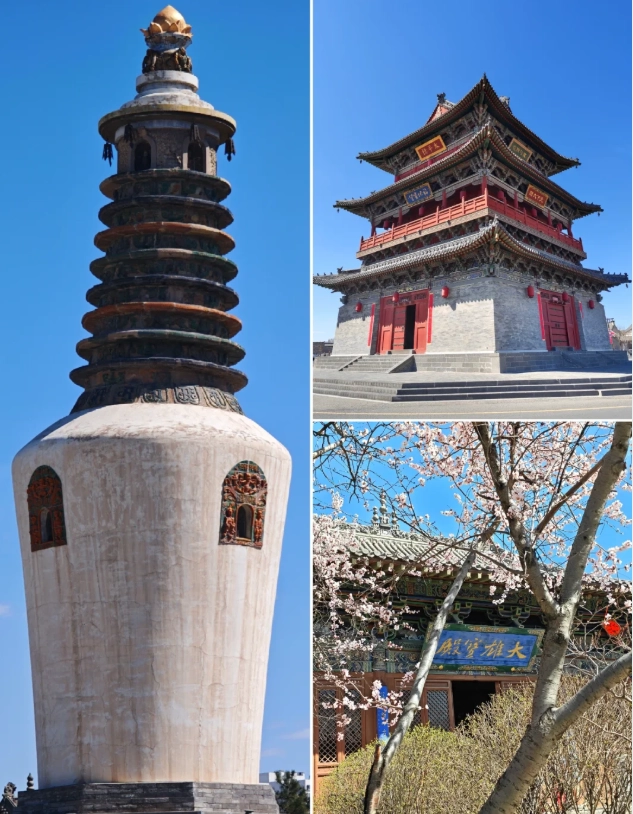
What I Always Tell My Clients
- Carry small bills (¥10, ¥5) – many street vendors can't change ¥100.
- Download WeChat and bind a credit card before you arrive – not all places take cash, and Alipay isn't as common here as in Shanghai.
- Use the restroom before you climb the wall. The toilets near the south gate are often out of toilet paper and have a queue. The ones inside the wall (midway) are better but far apart.








No comments yet.