 Bo Wu
Bo Wu
What You'll Discover in This Guide
If you're planning a trip to Beijing, you've likely heard of the Forbidden City and the Summer Palace. But there's another historical gem that consistently leaves visitors in awe, often described as the most beautiful and best preserved princely mansion from the Qing Dynasty. That place is Prince Gong Mansion. So, what is Prince Gong Mansion famous for? It's not just one thing. Its fame rests on a powerful combination: being a miraculously intact time capsule of aristocratic life, housing one of Beijing's most exquisite private gardens, and safeguarding cultural legends that even bigger palaces can't match. Walking through its gates feels like stepping off the noisy streets of modern Beijing and directly into the refined, complex world of a 19th-century royal noble.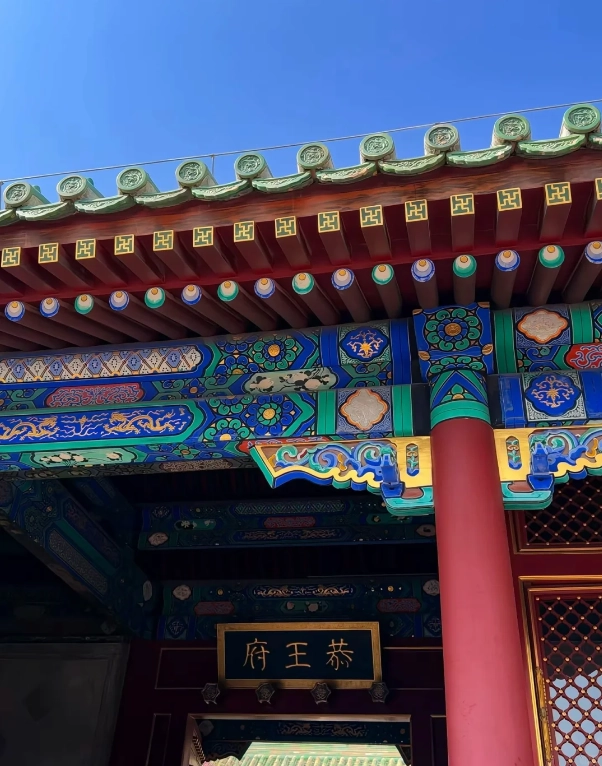
I've visited multiple times over the years, in different seasons. The first time, I was just ticking off a landmark. But on my last visit, I spent a whole afternoon just in the garden, noticing how the late autumn light hit the artificial hills differently than the harsh summer sun. That's the magic of this place—it rewards a slower pace.
Why Prince Gong Mansion Stands Out in Beijing
Let's cut to the chase. Many historical sites in China are reconstructions. Prince Gong Mansion is the real deal. Its fame is built on three pillars you can actually see and feel.
The Architectural Marvel: A Perfect Siheyuan
This is arguably the finest existing example of a large-scale Beijing courtyard house, or siheyuan. While the Forbidden City is the imperial version on a colossal scale, Prince Gong Mansion shows you how the ultra-wealthy elite lived. The layout is a masterclass in traditional Chinese architecture and social hierarchy. The complex is divided into three parallel axial lines: the central formal reception halls, the eastern living quarters, and the western leisure and study areas.
What most visitors miss is paying attention to the roof ornaments and door details. The number of mythical beasts on the roof ridges and the style of the door knockers were strictly regulated by the emperor's court, indicating the rank of the resident. Here, they scream high nobility. The main hall, Yin'an Hall, is a cavernous space supported by massive namnu wood pillars. The sheer scale of it, knowing it was for a single family, is humbling. It’s quieter than the Forbidden City, so you can actually stand and imagine the ceremonies without being jostled.
The Legendary Garden: A Masterpiece of Landscape Design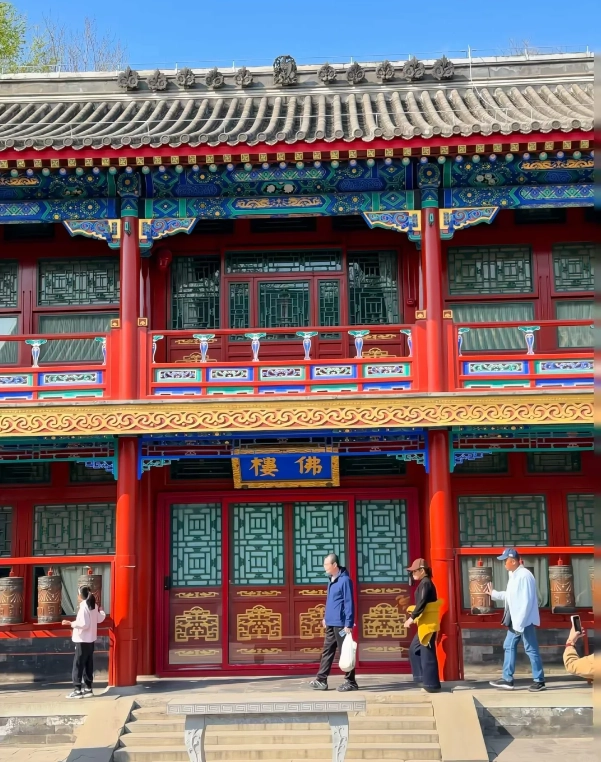
For many, including myself, the garden is the main event. It's often called the "Garden of Perfection and Harmony" (Jin He Yuan). This isn't just a pretty backyard; it's a philosophical landscape built with intention. Every rock, pond, pavilion, and plant placement is symbolic, representing a miniaturized universe.
My personal favorite spot is the Bat Pond (Fu Chi). The pond is shaped like a bat—a homophone for "good fortune" in Chinese. You can walk through a stone cave underneath the central hill and emerge at different viewpoints. The garden cleverly uses the technique of "borrowed scenery," making its 2.8 hectares feel infinitely larger. Look for the Ephemeral Clouds Stone, a tall, perforated Taihu rock that looks different from every angle. The garden alone justifies the visit and is a serene escape from the city's bustle.
The Cultural Treasures and Stories
History here is tangible. The mansion is famously linked to He Shen, a notoriously corrupt Qing Dynasty official who first built its core. His story of rise and dramatic fall adds a layer of intrigue. Later, it was given to Prince Gong, a key political figure in the late Qing, hence the name.
Then there's the "Fu" (Blessing) Stele. This is a big deal. The Chinese character for "fortune" was inscribed by the Kangxi Emperor. It's housed in a cave in the garden. The tradition is to touch the character for good luck. I did it—the stone is worn smooth by millions of hands. Whether you believe in the luck or not, participating in that centuries-old ritual is a unique connection to the past. The mansion also has a magnificent theater hall with original wooden stages, giving you a sense of the private entertainment enjoyed by the princes.
A Quick Comparison: Prince Gong Mansion vs. The Forbidden City
Think of the Forbidden City as the grand, impersonal seat of power—overwhelming in scale and official function. Prince Gong Mansion is the luxurious, personal home of the power players. It's more intimate, more detailed, and gives a clearer sense of daily life. If the Forbidden City is a history textbook, Prince Gong Mansion is a personal diary.
Practical Visitor Information: Tickets, Hours & Location
Knowing why it's famous is one thing. Getting there and enjoying it is another. Here’s the actionable data you need to plan.
| Information | Details |
|---|---|
| Full Name | Prince Gong Mansion (Gong Wang Fu) |
| Address | No. 17, Qianhai West Street, Xicheng District, Beijing |
| Nearest Subway | Line 6, Beihai North Station (Exit B). A 5-minute walk south. |
| Opening Hours | Peak Season (Apr-Oct): 8:00 - 17:00 (last entry 16:10) Off-Season (Nov-Mar): 9:00 - 16:30 (last entry 15:40) |
| Ticket Price | 40 RMB (Apr-Oct) / 40 RMB (Nov-Mar). The price is often the same, but hours differ. Tip: Purchase through official WeChat channels or on-site. |
| Suggested Visit Time | 2.5 to 4 hours. Don't rush the garden. |
The location is fantastic. It's in the historic Shichahai area, surrounded by hutongs. You can easily combine it with a visit to the nearby Bell and Drum Towers or a boat ride on Houhai Lake. I recommend coming right at opening time, especially on weekends, to have the garden somewhat to yourself before the crowds build up by mid-morning.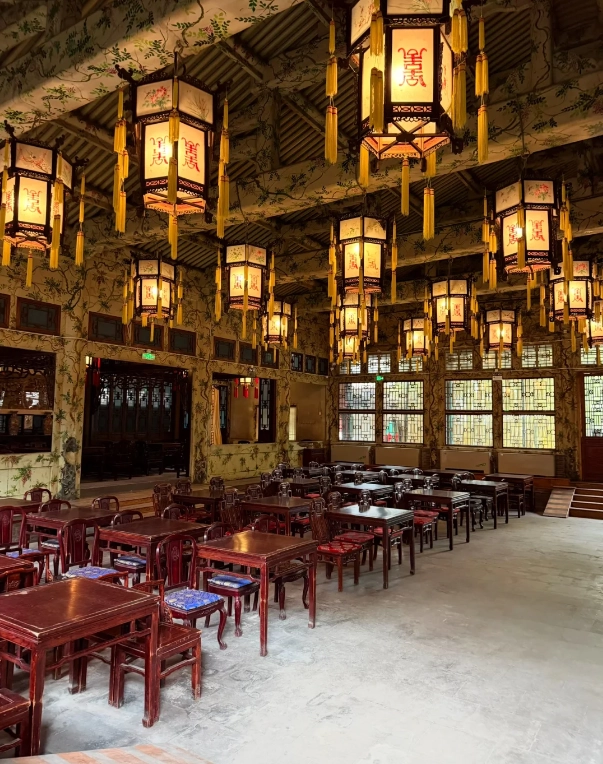
Exploring the Mansion Grounds: A Self-Guided Tour
To make the most of your Prince Gong Mansion tour, follow this loose sequence. Don't be a slave to it—wander—but this flow makes historical sense.
Start at the Main Gate and Central Axis. Enter through the towering red gate. Walk straight through the successive courtyards along the central axis—the Gate of Glory, the Second Gate, and into the main Yin'an Hall. Feel the formality and power. These spaces were for official business and grand ceremonies.
Detour to the Eastern and Western Residences. After the main hall, peel off to the east side. These were the private living quarters. The décor is slightly more "lived-in." Then head to the west side. Look for the Xishan Room, a study filled with quiet elegance. This is where you get a sense of the scholarly pursuits of the residents.
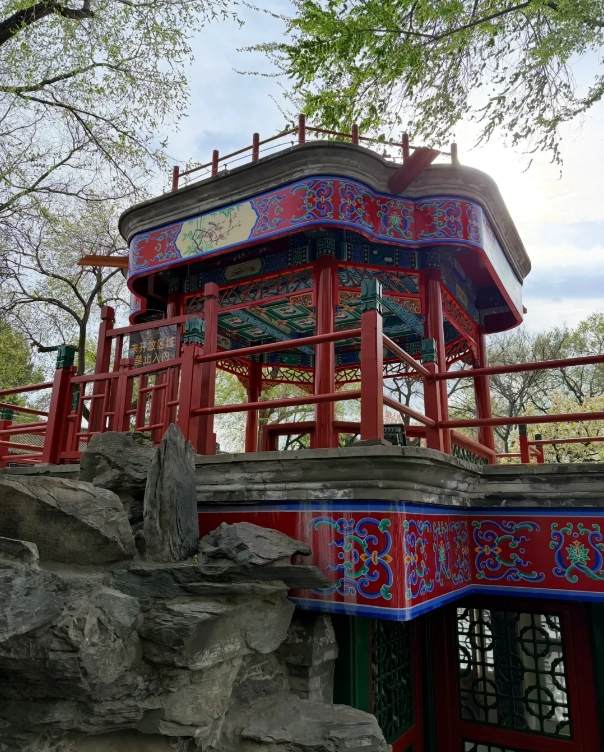
Immerse Yourself in the Garden. Save the bulk of your time for the garden at the northern end. Enter through the Zhujin Gate. Don't just walk the main path. Get lost on the smaller trails. Climb the Duijin Mountain (the artificial hill) for a panoramic view. Find the Moon-inviting Platform by the water. Sit for a moment in the Anshan Hall pavilion. The garden is designed for contemplation.
Find the Fu Stele. In the garden's northeastern corner, near the Liangyi Cave, you'll find the queue (often) to see and touch the Kangxi Emperor's "Fu" character. It's worth the short wait.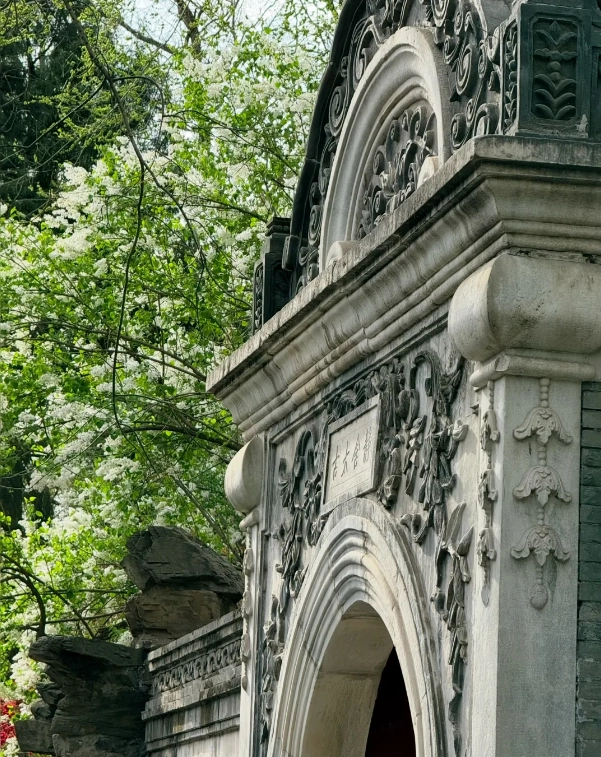
Common Visitor Questions Answered
 Do I need to hire a guide or join a tour?
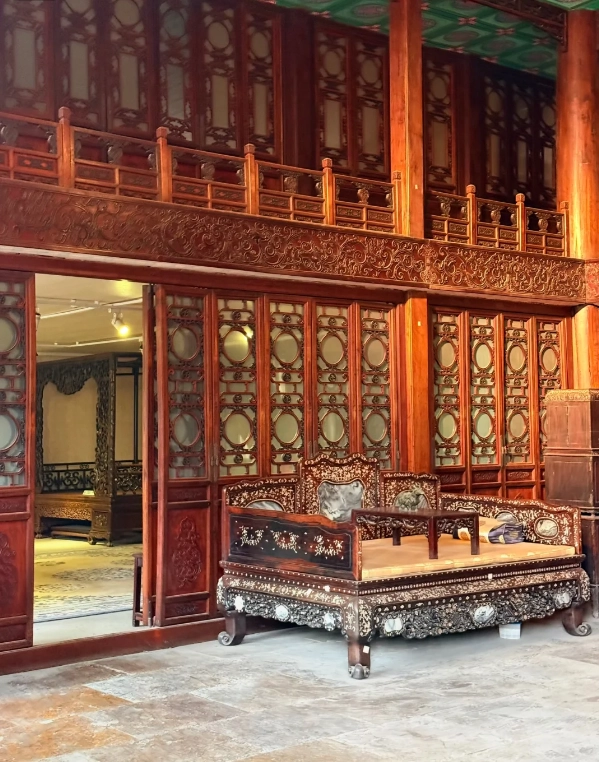 Prince Gong Mansion’s fame is well-deserved. It survives not as a museum piece behind glass, but as an immersive environment. You walk the same polished steps, touch the same lacquered pillars, and wander the same poetic garden as the princes of old. It fills a crucial gap in understanding Beijing's layered history, providing the domestic counterpart to the city's grand imperial narratives. That’s its true, enduring claim to fame.
This article is based on personal visits and cross-referenced with information from official cultural heritage sources, including the Beijing Municipal Administration of Cultural Heritage.





Honestly, pretty overhyped. The ticket price is steep for what you get – 40 RMB feels like a lot for a place that's half under renovation and packed with selfie sticks. The famous 'Fu' stone was surrounded by a line of tourists touching it, so I didn't even get a good look. The gardens are nice but nothing you can't find in other free parks in Beijing. I left feeling a bit let down. Maybe if you're a die-hard Qing dynasty fan, but not for me.
Pretty impressive place overall. The architecture is beautiful and the history is fascinating – especially the story behind the 'Fu' character carving. I gave it 4 stars because it was way too crowded when I went (mid-afternoon on a Saturday). Some hallways were shoulder-to-shoulder, which made it hard to appreciate the details. Also, the souvenir stalls inside felt a bit too commercial. Still worth a visit if you go early.
Photographer’s dream! The intricate wood carvings, colorful painted beams, and the layered courtyards are absolutely gorgeous. I visited on a weekday morning and it wasn't too crowded – managed to get some amazing shots without any photobombers. The grand theatre room is stunning, and the peony garden was in full bloom. For just 40 RMB, this is incredible value. Five stars without a doubt.
As a history nerd, I was blown away. The audio guide was fantastic – it explained everything from He Shen's rise and fall to Prince Gong's role in the Qing court. The layout of the mansion is incredibly well preserved, and you can really feel the layers of power and intrigue. Spent nearly four hours here and still wanted more. Highly recommend for anyone who wants to understand Beijing beyond the Forbidden City.
Absolutely stunning! The gardens are a peaceful oasis in the middle of Beijing. I spent hours just wandering through the rockeries and pavilions, imagining life in the Qing dynasty. The famous 'Fu' stele is a must-see – rubbing it for good luck felt like a real connection to history. If you're into architecture and traditional Chinese gardens, this place is pure magic. Easily the highlight of my trip!
Honestly, I was a bit disappointed after all the hype. The mansion is undeniably grand, but it felt like a tourist factory – constant push for photos, overpriced tea in the café, and long lines for the tiny restrooms. The 'treasure revealed' part of the name is a bit misleading; there's not much interactive or truly revealing about the exhibits. If you have limited time in Beijing, skip this and go to the Forbidden City instead. Just my two cents.
I stumbled upon this place by accident and it ended up being one of my favorite experiences in Beijing! The intricate wood carvings and the famous 'bat' motifs (symbols of good luck) were fascinating. I spent a good two hours just wandering through the courtyards, taking photos of the peonies in bloom. The only thing I'd change is the lack of shaded seating – it was scorching hot and nowhere to rest. Still, totally magical.
As a history teacher, I was thrilled to explore the home of Heshen and later Prince Gong. The mansion is a fantastic example of Qing-era aristocratic life. I booked a private guide who brought the history to life with anecdotes about corruption and court intrigue. The only downside was that the souvenir shop felt overpriced and pushy. Overall, a very educational and enjoyable afternoon. Highly recommend for history lovers!
What a gem! I've been living in Beijing for three years and finally made it to Prince Gong Mansion. The mix of traditional courtyard architecture and the serene rockery garden is stunning. I especially loved the 'Fortune Garden' and the story behind the hidden characters. The staff were friendly and the signage was clear in English. Definitely worth the visit – just go early to avoid the tour groups. 5 stars from me!
Honestly, I went in with pretty high expectations after seeing all those Instagram photos, but the reality was a bit underwhelming. The gardens are nice, but they felt really crowded even on a weekday, and some of the halls were closed for restoration. The audio guide was informative but a bit boring. For the ticket price, I expected a more polished experience. It's still a nice place to see if you're into Qing dynasty history, but I wouldn't rush back.
Decent, but overpriced for what it is. The preserved rooms are interesting but many areas are roped off, so you can't really get close. The highlight was the theatre courtyard where they sometimes hold performances — unfortunately none during my visit. If you've already seen the Forbidden City or Summer Palace, this might feel like a smaller repeat. Okay if you have extra time.
I fell in love with the quiet courtyard and the koi pond — spent a good 20 minutes just watching the fish. The painted beams and ancient trees created such a peaceful atmosphere. The staff were very friendly and pointed me to a less crowded section. It's not as famous as the Forbidden City, but honestly, I enjoyed this more. Perfect for a relaxing afternoon.
Honestly, I was a bit let down. The mansion is beautiful, but the crowds on the weekend were insane. I could barely get a good photo without people photobombing. Also, the coffee shop inside charged 45 yuan for a mediocre latte — total tourist trap. The gardens are lovely, but I expected more interactive exhibits. Maybe try a weekday visit if you must go.
The architecture is undeniably impressive, and the main hall gave me chills with its grand scale. I visited on a weekday morning and it was blissfully quiet. The only minor downside was that some explanatory signs were only in Chinese, but the audio guide helped. Well worth the ticket price. A hidden gem in the heart of Beijing!
Absolutely stunning! The intricate wood carvings and the serene garden made me feel like I had stepped back into the Qing Dynasty. Our guide shared fascinating stories about Prince Gong and the mansion's role in modern history. A must-see if you're in Beijing — I spent nearly 4 hours here and still wanted more. Highly recommend booking a guided tour in advance!