 Lei Li
You've heard about Beijing's 798 Art District. You know it's a big deal in the contemporary art world, a must-see. But standing at its massive, maze-like entrance on Jiuxianqiao Road, the question hits you: where do you even start? I've been lost in those brick alleys more times than I care to admit. This guide cuts through the overwhelm. It's not a dry list of galleries; it's a practical, step-by-step companion built from getting pleasantly lost there over dozens of visits. We'll cover how to get there without hassle, which galleries are actually worth your time right now, where to find the best coffee (and the quietest spots), and how to capture its unique industrial vibe. Let's walk in.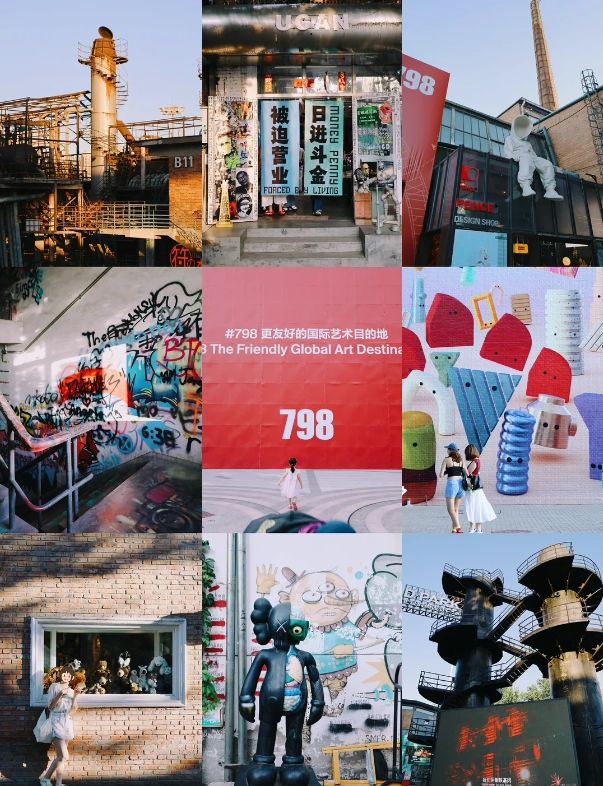
What's Inside This Guide?
What is the 798 Art District?
First, forget any notion of a pristine white-cube museum. 798's soul is industrial. In the 1950s, this was Factory 798, a sprawling electronics complex built with East German aid. Those Bauhaus-inspired workshops with sawtooth roofs and arched windows were designed for manufacturing, not Monet. When artists began squatting in the cheap, cavernous spaces in the early 2000s, they didn't just hang paintings; they dialogued with the architecture. You'll see rusted pipes running through installation art, communist-era slogans faded beside neon sculptures, and giant cranes preserved as sculpture themselves.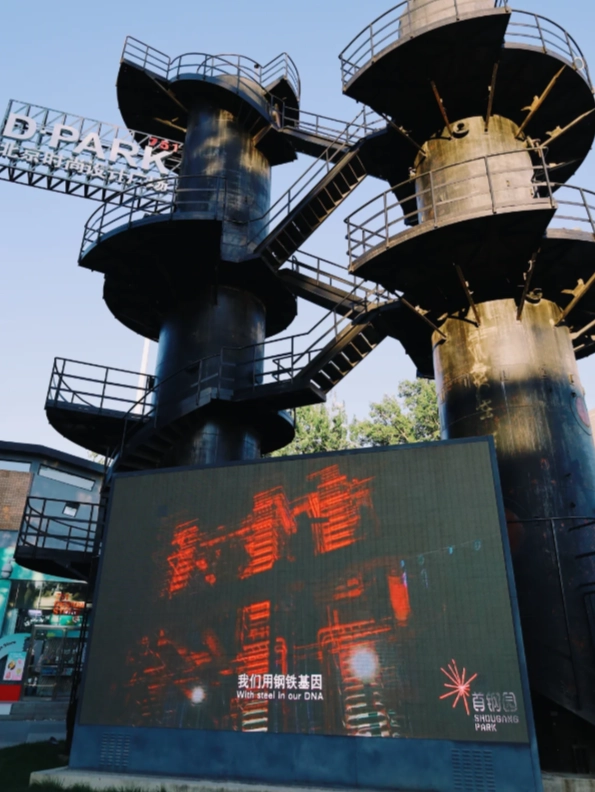
Walking from a quiet ceramic studio into a vast hall shaking with video art bass is the standard experience. The district isn't curated by a single entity—it's a chaotic, organic ecosystem of commercial galleries, non-profit art centers, private studios, design shops, and cafes. According to the Beijing Tourism website, it's one of the city's designated cultural creative industry clusters. That official status means it's here to stay, though the constant churn of spaces keeps it alive. One month a gallery is there, the next it's a pop-up bookstore.
How to Get to 798 Art District
Located in the Dashanzi area, it's northeast of central Beijing. The address is 4 Jiuxianqiao Road, Chaoyang District. There's no entrance fee for the district itself, but major galleries and museums charge separate tickets, usually between 30 to 150 RMB. Most galleries open around 10:00 or 11:00 AM and close between 6:00 and 7:00 PM, often with a Monday or Tuesday weekly closure. Always check the specific venue's social media (WeChat is key) for the latest hours.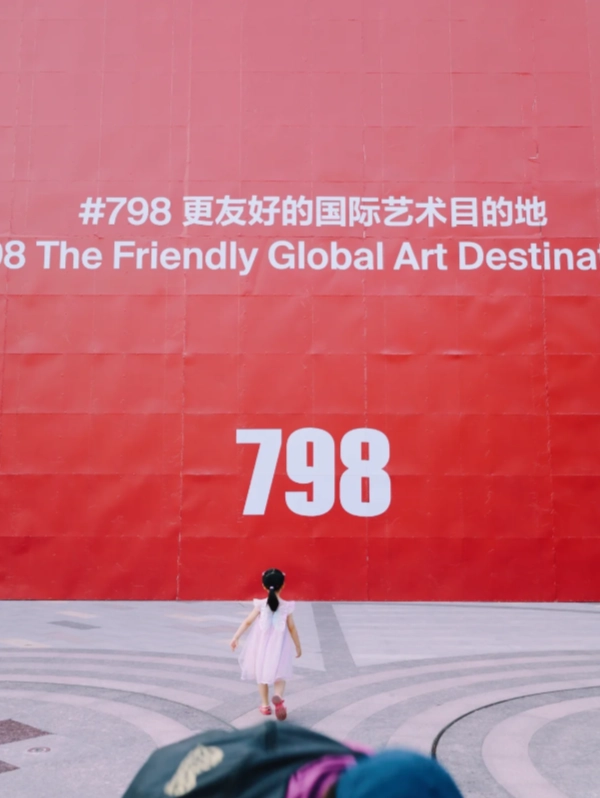
Pro Tip: Don't just head to "798." Pick a specific gallery or gate as your target. Using "UCCA Center for Contemporary Art" or "798 Art District Gate 1" as your navigation destination prevents your driver from dropping you at a random, confusing side entrance.
Here’s a breakdown of your transport options:
| Method | Details & Route | Cost & Time | Best For |
|---|---|---|---|
| Subway + Walk/Bike | Take Line 14 to Jiangtai Station. Exit A, walk southwest for 15-20 mins. For a shorter walk, take Line 15 to Wangjing South, exit and bike-share 10 mins. | ~5 RMB + 0.5-1.5 RMB for bike. 40-50 mins from downtown. | Budget travelers, avoiding traffic. |
| Taxi / Ride-Hail | Destination: "798 Art District, Gate 1" or "UCCA Center." Traffic on Jiuxianqiao Rd can be heavy, especially weekends. | ~40-80 RMB from Sanlitun. 30-50 mins depending on traffic. | First-time visitors, groups, direct comfort. |
| Public Bus | Bus 403, 418, 629, or 851. Alight at "Dashanzi Lukou Nan" or "Wangjing Nanhu Dong" stops. | 2 RMB. Slower, less direct. | The ultra-local experience. |
A Walking Tour of 798's Must-See Galleries
You can't see everything. Don't try. The art is the main event, but the context—the factory bones—is equally important. This route hits anchors and leaves room for discovery.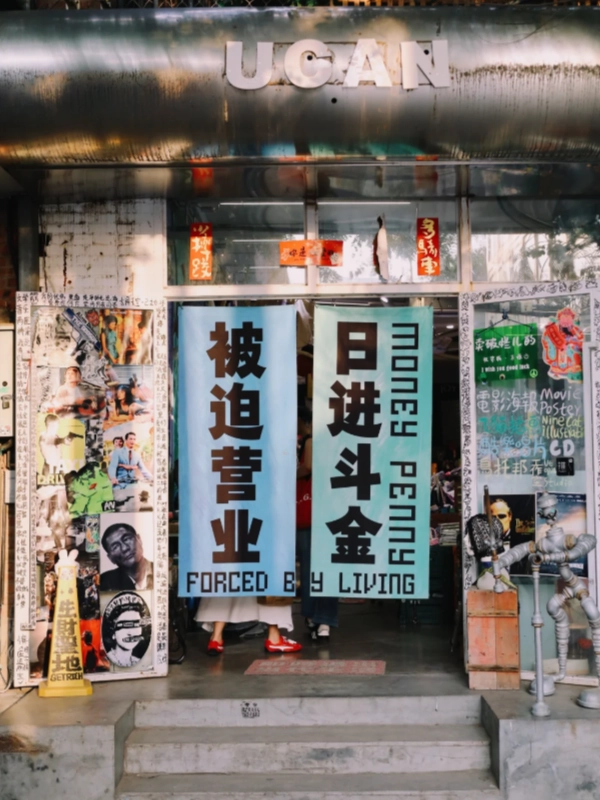
Start at the Core: UCCA Center for Contemporary Art
Begin at Gate 1, head straight for UCCA. This is the district's artistic anchor, a non-profit that hosts major international and Chinese exhibitions. The building itself, a converted factory hall, is stunning. I've seen breathtaking Ai Weiwei shows here alongside challenging young video artists. Check their website for current exhibitions; it's worth the 60-120 RMB ticket. The bookstore inside is also one of the best for art publications in the city.
The Gallery Lane Detour
From UCCA, wander south into the dense network of alleys. This is where you'll find the commercial heavyweights like Pace Beijing (often showcasing blue-chip artists in a sublime space) and Galleria Continua (known for large-scale, immersive installations). The quality here is high, but it can feel polished and commercial. My personal favorite in this zone is Tang Contemporary Art; their curation of mid-career Asian artists is consistently sharp.
Seek Out the Independents
This is where most visitors miss out. They stick to the paved main roads. Veer off. Look for smaller signs and open warehouse doors. Spaces like I: project space or Yang Art Museum (in a quieter northern zone) often have the most experimental, raw work. I found a brilliant sound art installation in a former boiler room here once, run by a collective of musicians. No ticket, just a donation box. These spaces have irregular hours, so stumbling upon something open feels like a reward.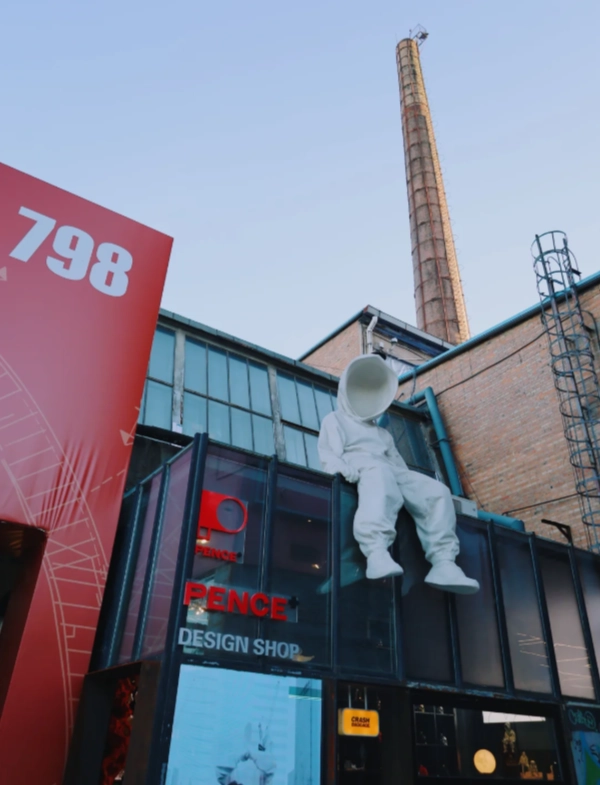
A Common Mistake: People spend all their time inside galleries. Look up. Notice the architectural details—the parabolic arches, the faded red star on a gable, the network of pipes painted bright yellow. The district itself is the largest exhibit.
Beyond the Galleries: Cafes, Shops & Photography
You'll need fuel. And you'll want souvenirs that aren't mass-produced trinkets.
For Coffee & a Breather:
- At Cafe by UCCA: Reliable, good coffee, and you can sit with a view of the old factory structure. It gets crowded.
- VOYAGE COFFEE (798 store): Tucked away in a quieter corner. Their pour-over is excellent, and the interior is a minimalist haven of concrete and wood—a clean contrast to the industrial chaos outside.
- A few hidden courtyards have smaller cafes with outdoor seating. One of my favorites is near the 798 Photo Gallery; it has a few metal tables under trees, perfect for people-watching.
For Unique Finds:
Skip the generic poster shops. Head to Postpost—a concept store blending books, magazines, clothing, and curiosities. It feels like a curated slice of global youth culture. For design-focused Chinese ceramics and homeware, Bai He Ceramics offers beautiful, functional pieces. Their teapots are works of art.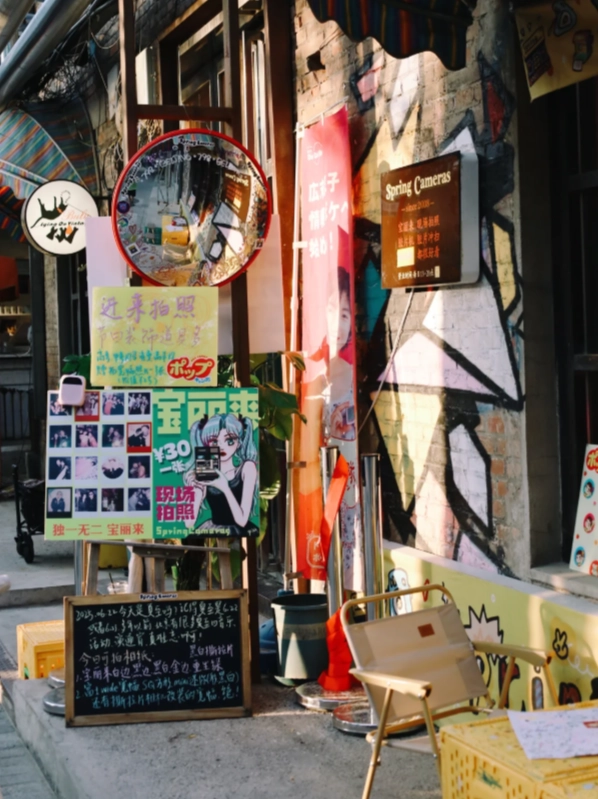
For Photography:
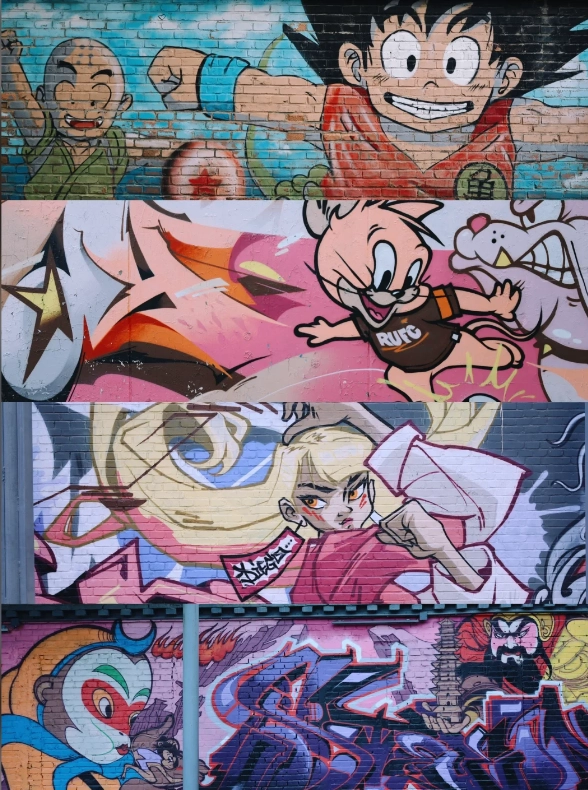
798 is a photographer's dream, but everyone shoots the same murals and the "798" sign. For a different take, focus on textures and contrasts. The rust against a bright new artwork, the repetition of the sawtooth roofs, the shadows cast by the giant industrial equipment. Early morning (before 10 AM) on a weekday is magic—the light is soft, and you have the alleys mostly to yourself. The area around the old decommissioned train and tracks, near the north end, offers fantastic lines and decay.
Planning Your Visit: Practical 798 Tips
- Timing is Everything: Weekdays are vastly superior to weekends. Saturdays, especially, are packed with local tourists and families. If you must go on a weekend, aim for Sunday morning. Plan for at least 3-4 hours to get a real feel.
- Wear Comfortable Shoes: You will walk on uneven concrete and cobblestones for miles. This is not a heels-friendly environment.
- Cash & Cards: While most cafes and big galleries accept digital payments (Alipay/WeChat Pay) and cards, some smaller studios or pop-up markets might only take cash (RMB). Have some on hand.
- Check the Calendar: Major gallery openings often happen on Saturday afternoons. They're crowded but energetic, with free drinks. The annual 798 Art Festival (usually in spring or autumn) brings special events and even more crowds.
- There's Not Much Green. It's an industrial park. For a park-like setting, you'd need to go elsewhere. The focus is entirely on the built and artistic environment.
798 Art District FAQ
It's phenomenal for photography, but respect goes a long way. You can shoot the architecture, streets, and general scenes freely. Inside galleries and museums, always look for signs or ask staff. Most prohibit flash photography, and many ban any photography of the artwork to protect copyright. Some major exhibitions have a strict no-photo policy. I've seen guards politely but firmly ask people to delete photos. When in doubt, ask. For commercial shoots or professional equipment, galleries usually require prior permission and often charge a fee.
Embrace getting a little lost—it's part of the fun. But to stay oriented, use the major landmarks as your anchors: UCCA in the center, the main east-west road (full of sculptures), and the large "798" sign near Gate 1. The district's official WeChat account sometimes has a basic map. A more human method: pick up a paper map from the UCCA information desk when you arrive. It's outdated in details but gives you the overall layout. The alleys are a grid, roughly. If you feel truly turned around, head for any main road with cafes—they usually lead back to a central artery.
 Can I find English explanations for the art in 798?
It's a mixed bag. Major institutions like UCCA, Pace, and Galleria Continua provide full bilingual (Chinese/English) wall texts, labels, and sometimes audio guides. Mid-sized galleries are about 50/50—they might have an English title and artist name, but the curator's statement is often only in Chinese. Smaller, independent spaces rarely have any English. My advice: even if the text is in Chinese, go in. The visual language of contemporary art is often universal. And gallery attendants, especially at the bigger places, usually speak enough English to answer basic questions.
It has changed dramatically. In the mid-2000s, it was an edgy, raw artist colony. Today, it's a established cultural destination. Yes, it's commercial. High-end design stores and chain cafes sit beside galleries. Rent is high, pushing out some pioneers. But calling it "too commercial" misses the point. That tension between art and commerce, grassroots and institution, is the story of modern Chinese art. The commercial success is what preserved the architecture from demolition. You can still find pockets of radical creativity if you look beyond the main drags. It's not an either/or; it's a layered, living ecosystem where all those forces coexist, sometimes uneasily. That complexity is what makes it fascinating.
This article is based on personal, repeated visits and observations. Information regarding opening hours and exhibitions is subject to change; verifying details with individual venues before your visit is recommended.





I've read a lot of travel blogs about 798 but this one actually gets the atmosphere right. The descriptions of the industrial architecture mixed with contemporary art made me feel like I was already there. Printed a copy and used it as my map — worked perfectly. A gem!
Exactly what I needed as a solo traveler on a budget. The guide breaks down entry fees, free exhibitions, and even suggests affordable eats nearby. The photos gave me a great preview too. Highly recommend downloading before you go!
This guide is an absolute lifesaver! I used it last weekend to navigate the maze of galleries and it didn't steer me wrong once. Loved the curated list of must-see installations and the tips on avoiding peak hours. Five stars from me!
Solid overview of 798, but I wish it included more info on the best coffee spots and quiet corners to escape the crowds. The history section was well written and saved me from wandering aimlessly. Decent read if you're planning a short visit.
I was hoping for a more detailed breakdown of the lesser-known galleries, but this guide felt a bit too surface-level for someone who's already been to 798 a couple times. The maps and opening hours were helpful, though. Still, for a first-timer it's probably fine.
Perfect rainy day activity! Under the covered walkways you can hop from studio to studio without getting wet. Loved the little independent designer shops—picked up a hand-printed tote bag that actually feels original. The old factory machinery left in place gives the whole area such a gritty soul. Even my non-art-loving boyfriend enjoyed the vintage camera museum. Only reason it's not a 5 is the metro station is a 15-minute walk through a construction zone. But that's Beijing.
Pace Gallery's current show is phenomenal—some really thought-provoking mixed-media pieces. The staff there actually chatted with me about the artist's techniques, which was a nice surprise. Downsides: signage is terrible. I walked in circles for 20 minutes trying to find a specific outdoor sculpture listed on the map, and there's no central info booth. Also, the public restrooms were filthy. But for the strong contemporary art scene, I'd still recommend it.
Came here on a weekday expecting a quiet art escape, but half the galleries were closed or under renovation. The few that were open felt more like expensive gift shops than actual exhibition spaces. Saw one installation that literally had a rope blocking the doorway and a sign saying 'closed for maintenance'—felt like a waste of a cab ride. The industrial architecture is cool, but without the art it's just an old factory with cafes. Wouldn't rush back.
I love the concept, but honestly it's gotten way too touristy. Every other building is a souvenir shop selling the same tees and fridge magnets. The big-name galleries still have cool shows, but you have to dodge selfie sticks to see the paintings. Also, lunch at one of the 'artistic' restaurants was overpriced and bland—52 yuan for a limp salad. Still, the renovated boiler room at the UCCA was impressive. If you avoid weekends it's probably a solid 4 stars.
Spent a whole afternoon wandering through the old factory lanes—this place is a goldmine for anyone with a camera. The contrast between rusted pipes and shiny modern sculptures is just unreal. Grabbed a flat white at a tiny courtyard café tucked behind a gallery; the barista even pointed me to a hidden mural I would've missed. Only gripe: some galleries charge 30-50 yuan for entry and the exhibits inside were underwhelming. But the free street art alone makes it worth it. Definitely coming back.
Decent place for a lazy afternoon but felt a bit overhyped. The art is hit or miss – some installations are genuinely creative, others feel like overpriced Instagram bait. The toilets were messy (typical for tourist spots here) and signage is awful; got lost trying to find the exit. Good for one visit, but I wouldn't make a special trip again.
Took a guided walking tour that popped up on a flyer – turned out to be a local artist who grew up in the area. He showed us hidden spray-paint pieces and a tiny ceramics studio tucked behind a warehouse. That personal touch made all the difference. Without it, you might just see 'cool buildings' and miss the real story. Highly recommend finding a guide if you can.
Honestly, it was pretty crowded on a Saturday afternoon. We waited 25 minutes just to get into the UCCA exhibition. The art itself was interesting but the space felt cramped. Also, the food court prices are a joke – 48 kuai for a sad sandwich. For a first-timer it's okay, but I wouldn't go out of my way to return. Maybe better on a weekday.
Came for the galleries but ended up spending most of my time in the side alleys photographing peeling paint and Soviet-era machinery. The neon sign installation near the old boiler room was a killer find. Only complaint? A few of the smaller galleries had 'no photo' signs that felt a bit pretentious. Still, if you're into street art and industrial decay, this place is gold.
Wandered through the old factory lanes on a crisp Sunday morning. Loved the contrast between the rusty pipes and the bright murals. Grabbed a flat white at a spot called 'At Cafe' – the barista actually remembered my order from last year. That kind of detail makes you feel less like a tourist. Definitely coming back to catch the new Bauhaus exhibit next month.