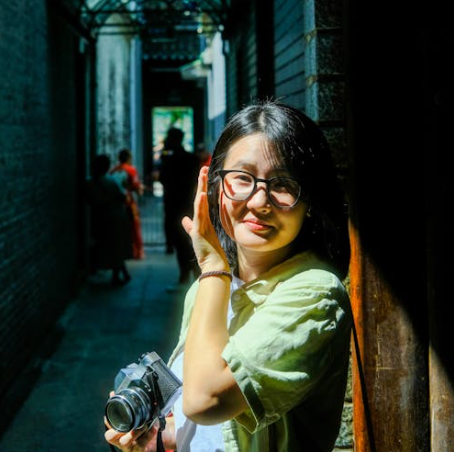
 Ting Chen
I've been guiding travelers in Yunnan for over a decade. Every time I walk into Old Town of Lijiang with a new group, I get the same nervous question: Is this really worth it? The answer is — it depends entirely on how you do it. Skip the main drag at noon, and you'll hate it. Hit the back alleys at dusk, and you'll fall in love. Let me show you the real Lijiang, not the one on brochures.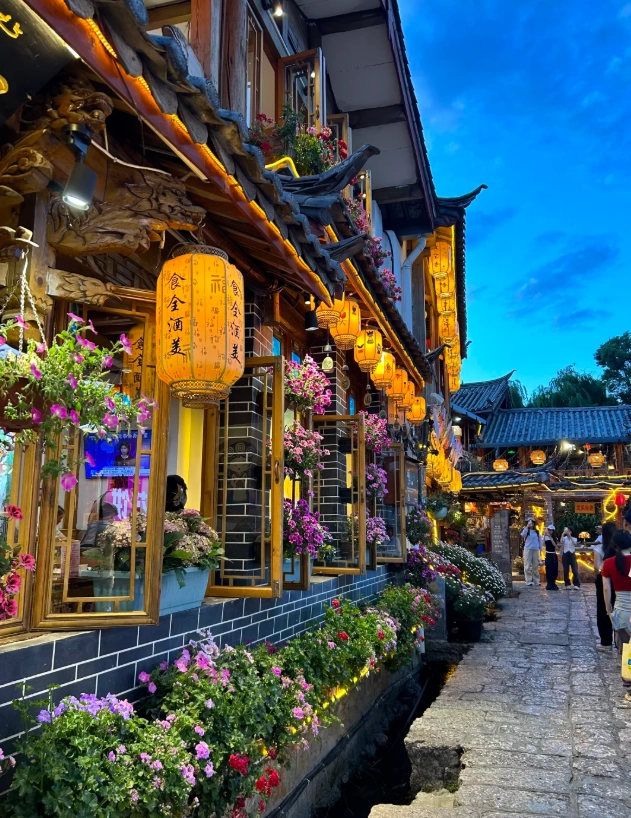
My Honest Take After 50+ Visits
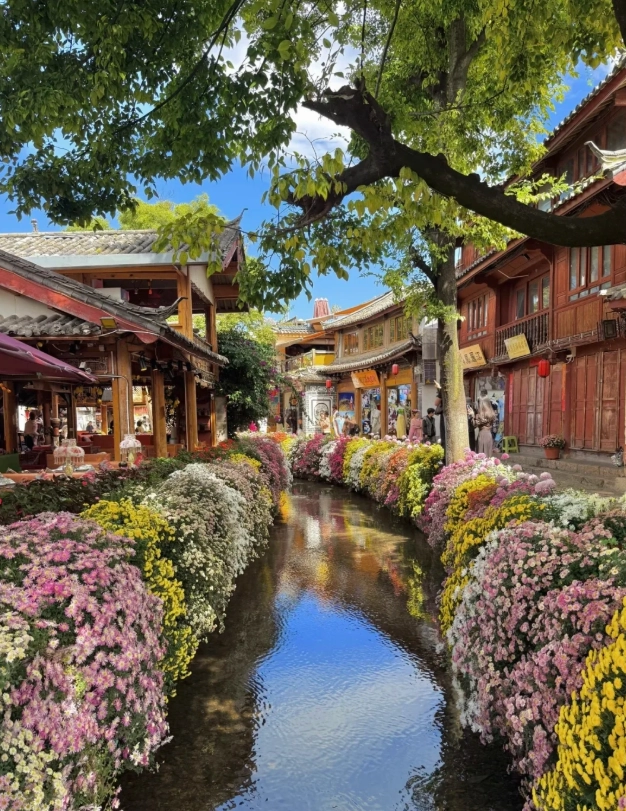
Yes, Old Town of Lijiang is worth visiting — but only if you know what you're getting into. The main streets are packed with identical souvenir shops playing the same song. I've had clients tell me it feels like a theme park. And they're not entirely wrong. But here's the catch: step two blocks away from Sifang Street, and the crowds vanish. You'll see original Naxi houses, quiet canals, and old ladies selling wild mushrooms from a basket. That's the Lijiang I keep coming back to.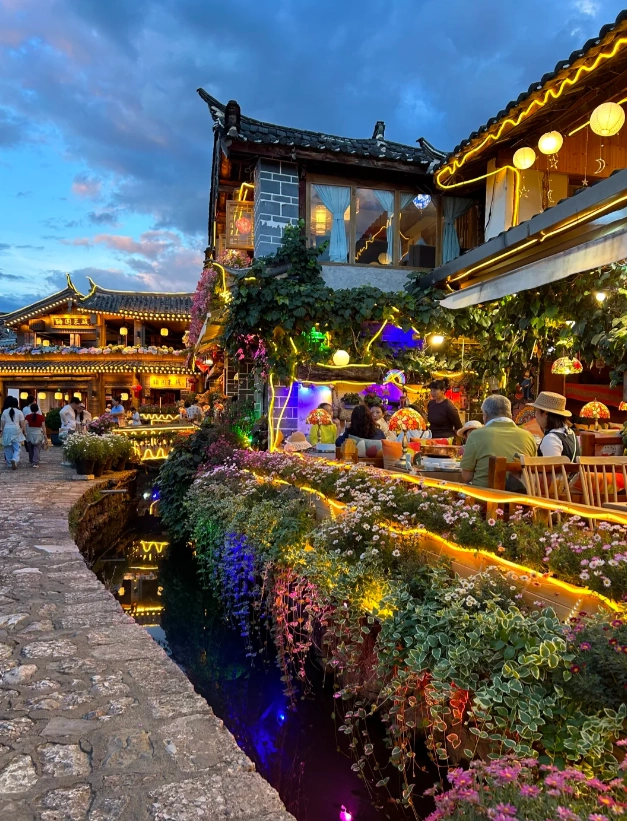
My personal verdict: Give it one full day. If you only have half a day, skip it and go to Shuhe Ancient Town instead. But if you have time to wander, Lijiang Old Town rewards the patient explorer.
The Biggest Misconceptions About Lijiang Old Town
I hear these myths from almost every first‑time visitor. Let me clear them up:
- "It's just like other Chinese ancient towns." No. The water system here is unique — canals run through every street, fed by Jade Dragon Snow Mountain. You won't find that in Pingyao or Fenghuang.
- "You need a guide to navigate." Actually, getting lost is the whole point. The layout is a maze, but every alley eventually leads back to the main watercourse. Download a offline map just in case.
- "All the food is overpriced tourist crap." True for the central square. But walk ten minutes east to Zhongyi Market and you'll eat what locals eat: steaming cross‑bridge rice noodles for 15 yuan, and Naxi grilled fish that's smokey and spicy.
- "It's too crowded to enjoy." It is overcrowded from 10am to 4pm. That's why I always enter through the north gate at 7am or after 5pm. Completely different experience.
What Makes Lijiang Old Town Special (If You Know Where to Go)
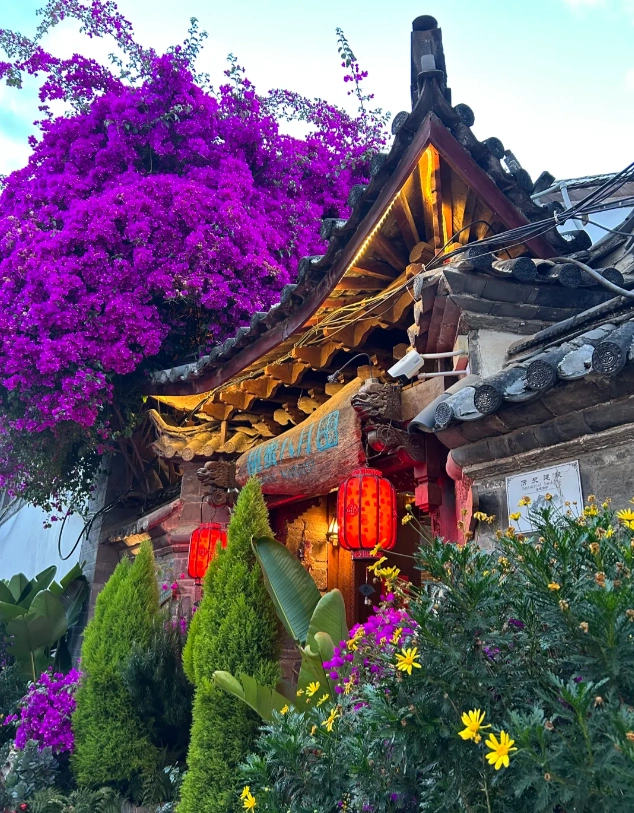
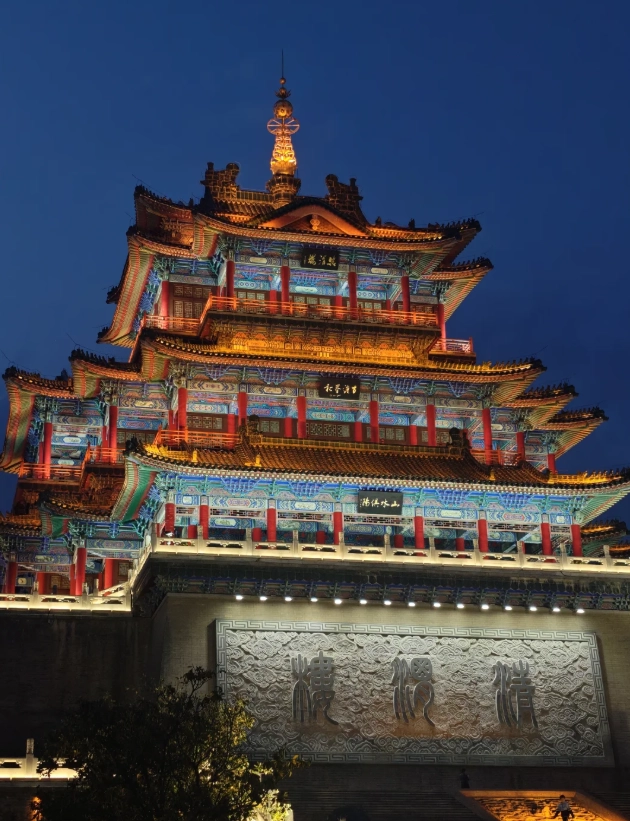
The UNESCO status isn't just a label. The architecture is genuine Naxi, with timber frames and flying eaves. The Black Dragon Pool, just northwest of the old town, offers a postcard view of the snow mountain reflected in the water — go there before 9am to avoid the tour groups. Another gem: the Wangu Tower at Lion Hill. Climb it at sunset — the 360° view over tiled roofs and mountains is worth the 35 yuan ticket (cash only, weirdly).
But my favorite spot is a tiny courtyard called Fenghuang Laozhai (Phoenix Old House) on Wuyi Street. No sign, just a wooden door open to the alley. Inside, an elderly Naxi woman sells hand‑painted cloth for 20 yuan. She'll show you her embroidery if you smile. Most tourists walk right past.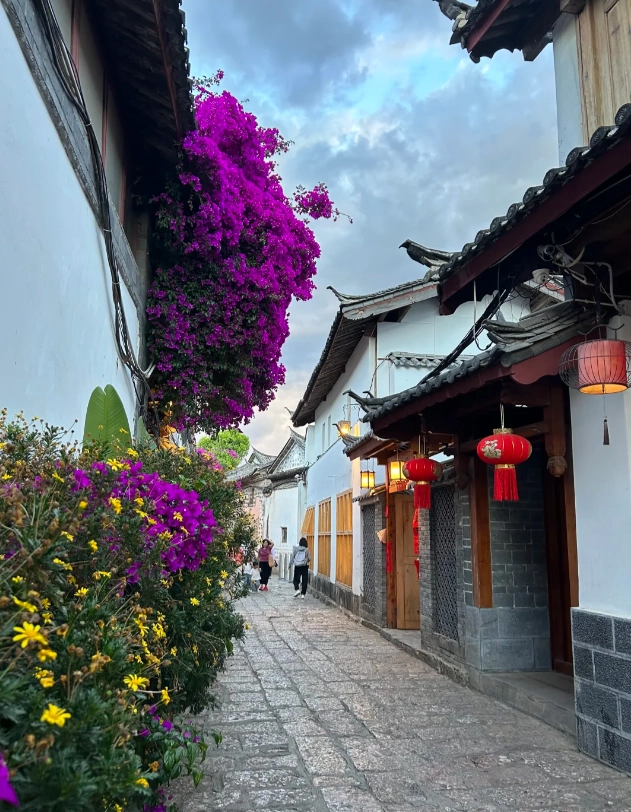
The Ugly Side: Crowds, Commercialization, and Ticket Headaches
Let's not sugarcoat it. On a typical afternoon, Sifang Street is shoulder‑to‑shoulder. You'll hear more Mandarin pop music than Naxi folk songs. And the ticket system? Here's the reality: the official entrance fee is 80 yuan, but you don't actually need to pay it if you stay inside the old town. The fee is only charged at certain entry points during daytime — and honestly, enforcement is inconsistent. I've walked in through the south gate after 6pm without anyone checking. My advice: Don't buy a ticket in advance. Arrive, ask your guesthouse owner if they can get you in without paying. Many will help.
Another annoyance: international credit cards are useless. Bring cash (Chinese yuan) or set up Alipay/WeChat Pay with a foreign card beforehand. I've seen too many travelers stuck outside a restaurant because their Visa was rejected.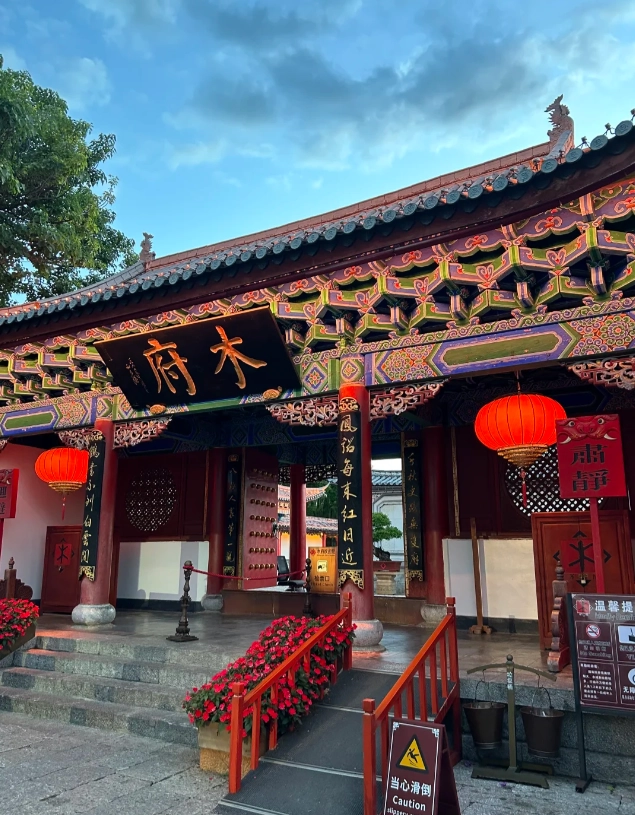
How to Make Lijiang Old Town Worth Your Time
Skip the Main Path – Explore the Back Alleys
Here's a simple rule: if the street is wider than 3 meters, turn around. The magic is in the narrow lanes. Head towards the north‑eastern corner near the Ancient Tea Horse Road Museum. That area is quiet, full of resident homes and small cafes run by expats who've stayed for years. My favorite is Les 5 Sens Café (near Xinhua Street) — the owner is French‑Chinese, and their coffee is legit. They have a tiny courtyard with a stream running through it.
Time Your Visit: The Golden Hours
- 6:30–8:00 AM: The old town belongs to the delivery guys and early‑rising photographers. Mist rises from the canals. No crowds. This is when I take my groups out for a walking photo tour.
- 5:00–7:00 PM: Golden light hits the grey tiles. The tour buses have left. Grab a seat at a canal‑side restaurant, order a pot of pu'er tea, and watch the town exhale.
- After 9:00 PM: Bars get loud again (especially around the bar street). I avoid that area. Instead, stroll along the east watercourse near Baoyuan Bridge — lanterns reflect on the water, and it's borderline magical.
Alternative: Shuhe Ancient Town – A Quieter Option
If you have 2–3 days in Lijiang, spend one day in the Old Town and one day in Shuhe (10 minutes by taxi, 20 yuan). Shuhe is smaller, less polished, and way cheaper. The same Naxi architecture without the theme‑park vibe. Entry is free. Try the handmade tofu at Shuhe Laofangzi — they use local herbs you won't find elsewhere.
Practical Info for Foreign Tourists
Tickets and Booking
For the Old Town itself: as mentioned, don't rush to buy. If you want to enter the Wangulou (Wangu Tower), ticket at the gate is 35 yuan, cash only. For Black Dragon Pool, the park charges 50 yuan (WeChat Pay accepted; foreign card sometimes works). You can book these via Trip.com or directly at the entrance. Avoid busy holidays like Chinese New Year and National Day (Oct 1–7) — the town becomes a sardine can.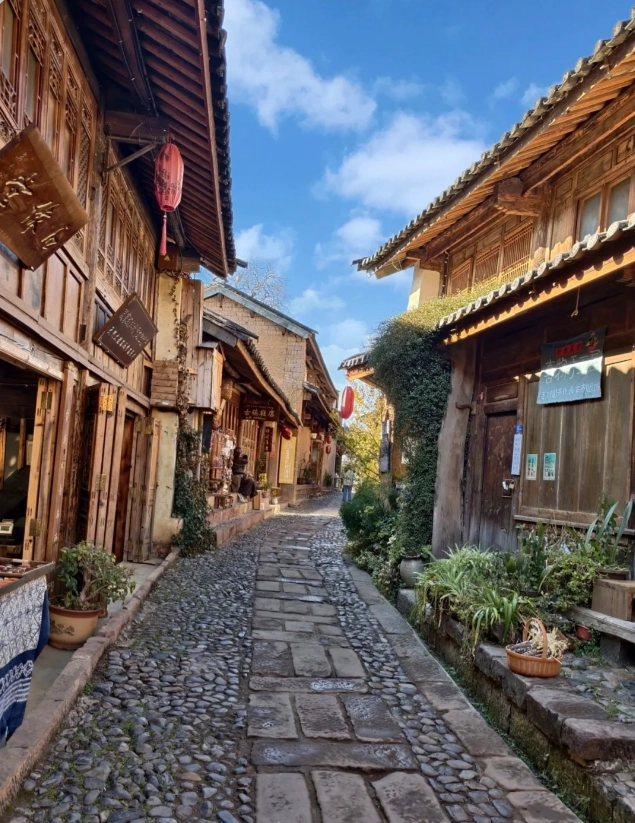
Getting There and Around
Lijiang's airport is about 30 minutes from the old town. Airport shuttle bus runs to the north gate for 20 yuan. A taxi costs around 80–100 yuan. Important: The old town itself is car‑free. If your guesthouse is deep inside, arrange for a porter with a handcart (common at the entrance) to carry your luggage for 30–50 yuan. It's worth it. From the north gate to the center, it's a 15‑minute walk over cobblestones — not fun with a suitcase.
For local travel, Didi (Chinese Uber) is cheap and easy. Download the app in advance and link your foreign card (works for many now). Bus route 1, 2, 3, and 4 all pass near the old town. Google Maps doesn't work reliably for walking directions; use Amap or Baidu Maps (both have English versions now).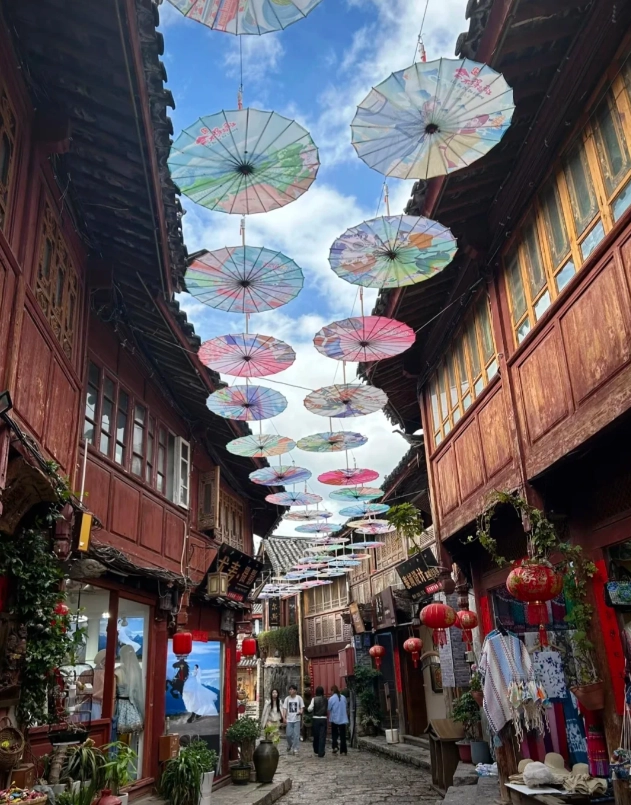
What to Eat and Where
| Dish | Where to Try | Price Range | Notes |
|---|---|---|---|
| Cross‑bridge rice noodles | Guoqiao Mixian – Zhongyi Market | 15–25 yuan | Authentic, fast. Cash only. |
| Naxi grilled fish | Yunxue Tun – Wuyi Street | 45–60 yuan | Spicy, smoky. English menu available. |
| Baba (stuffed flatbread) | Street vendors near Sifang Street | 5–10 yuan | Try the savory version with ham. Watch them make it fresh. |
| Yak yogurt | Lijiang Old Town Yogurt Shop – Xinhua Street | 8–12 yuan | Thick, sweet, served in a clay pot. Cash or Alipay. |
Pro tip from my own mistake: The restaurants with menus in multiple languages tend to be overpriced. Walk to the back street where you see only Chinese signs – point at what looks good. I've never gotten food poisoning.





No comments yet.