 Ting Chen
Quick Guide — What's Inside
- Why You Need a Real Map (Not Just Google Maps)
- Where Are the Main Villages? (A Spatial Breakdown)
- How to Get to Lugu Lake
- Best Sections for Photography (Sunrise & Sunset)
- One-Day Itinerary from Lijiang (If You're Short on Time)
- Accommodation Picks: Where to Sleep & Why
- Food & Practical Tips
- FAQ: Quick Answers to Tricky Questions
I'll be honest: the first time I brought a group to Lugu Lake, I followed the wrong map. We ended up on a dirt road that led to a dead end near the Sichuan border. The sun was setting, the van was grumpy, and the mosquitoes were having a feast. After 12 years of guiding here, I've mapped every inch of this lake on foot, by bike, and by boat. Here is the Lugu Lake map you actually need — not the one from Google that shows only the main road, but the one that marks the hidden piers, the quiet prayer flags, and the restaurants where the locals eat.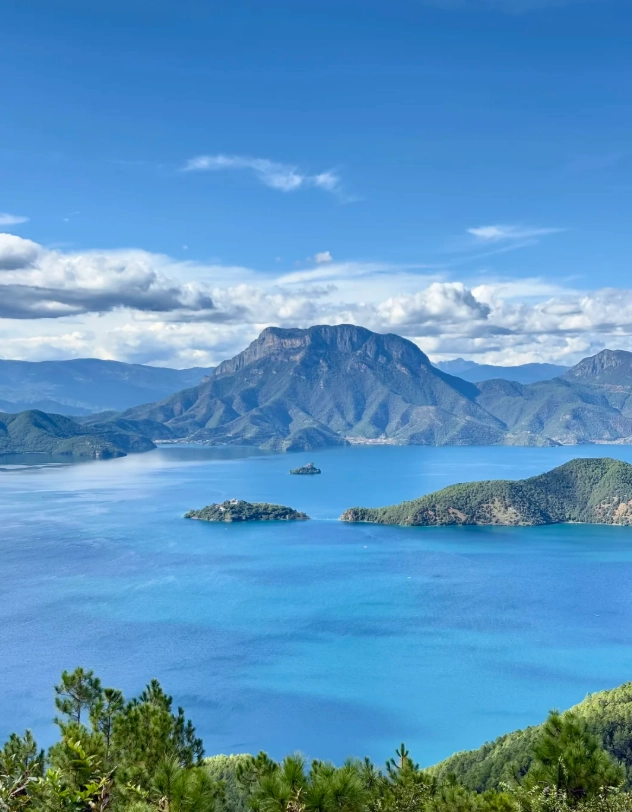
Why You Need a Real Map (Not Just Google Maps)
Google Maps in this area is surprisingly unreliable. Street view is patchy, and many small paths around the lake are simply missing. I've seen tourists drive 40 minutes to reach a “scenic spot” that turned out to be a closed construction site. The official Lugu Lake scenic area is divided into two parts: the Yunnan side (Luoshui, Lige, etc.) and the Sichuan side (Cao Hai, Zhaojie). Each has its own ticket office. Most online maps mix them up.
Here is the catch: if you enter from the Yunnan side (Lijiang direction), you pay the adult ticket (¥70) and can access all Yunnan villages plus cross to Sichuan via the lake. But if you enter from the Sichuan side (Xichang direction), you pay the same ¥70 and get access to the Sichuan villages plus a boat trip to the Yunnan side. Your choice of entrance determines which half of the map you'll see first.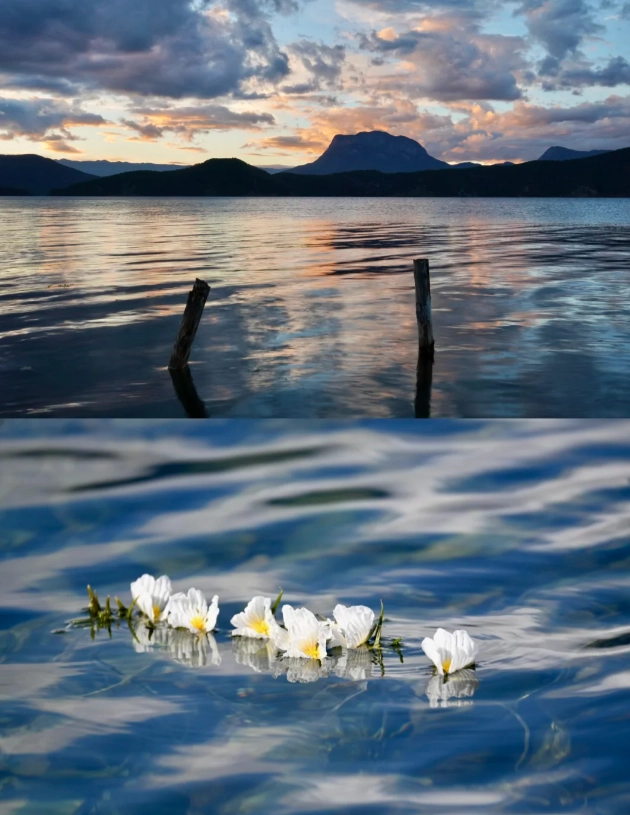
Where Are the Main Villages? (A Spatial Breakdown)
Let me lay out the key points on the Lugu Lake map — I've assigned them rough coordinates so you can visualize:
| Village/Spot | Side | Map Location (Relative) | Best For |
|---|---|---|---|
| Daluoshui | Yunnan (south) | Southwest corner, main pier | First-timers, nightlife, boat tours |
| Lige Island | Yunnan (east) | East of Luoshui, heart-shaped bay | Iconic photo spot, sunrise |
| Caohai | Sichuan (west) | Northwest, vast reed marsh | Bird watching, boardwalk, sunset |
| Zouhun Bridge | Sichuan (west) | Inside Caohai area | Mosuo culture, romantic walk |
| Lover's Beach | Yunnan (south) | Between Luoshui and Lige | Less crowded swimming spot |
| Gemu Goddess Mountain | Yunnan (north) | North of lake, visible from everywhere | Hiking, panoramic view (cable car ¥70) |
My personal tip: If you only have one day, focus on two villages — Daluoshui for the lively vibe and Lige for the famous crescent-shaped shore. The walk between them along the lake (about 40 minutes) is way more scenic than the road.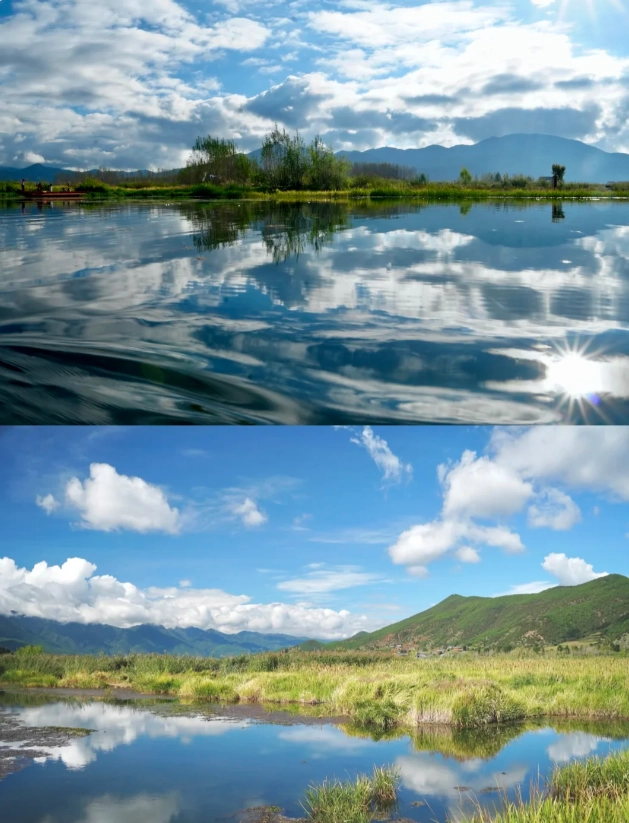
How to Get to Lugu Lake
I always tell my clients: the journey is half the adventure, but don't let it ruin your legs. Here are the three main routes, with the exact pain points:
From Lijiang (Most Common, ~4 hours by car/bus)
Buses depart from Lijiang Bus Station every morning at 7:30 and 9:00. Ticket costs about ¥100. The road is winding — lots of mountain curves. Warning: the last hour before arrival is a bumpy gravel stretch if it's been raining. Ask the driver to drop you at Daluoshui first, not the main gate, unless you want to walk 2 km from the parking lot.
From Xichang (Sichuan side, ~5-6 hours)
A less touristy approach. Take a bus from Xichang Bus Station to Lugu Lake (arrives at Zhaojie town on the Sichuan side). Frequency is lower — only one or two departures daily. The road is actually smoother than the Lijiang route, but the scenery is less dramatic.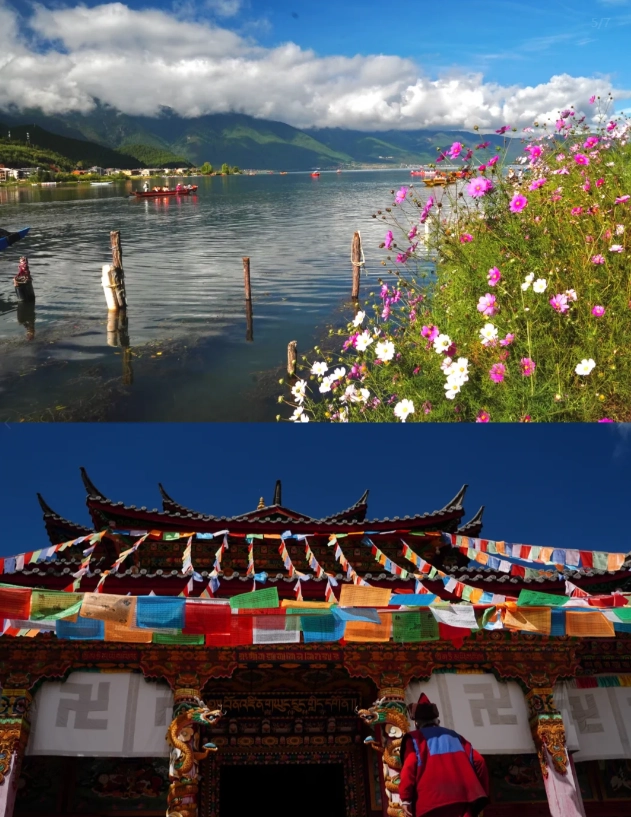
Private car / Didi
From Lijiang, a private car costs around ¥500-600 for the whole car (4-5 people). I recommend booking through your hotel or a local driver — avoid random touts at the bus station. They sometimes charge extra for “scenic detours” that are not worth it.
Best Sections for Photography (Sunrise & Sunset)
I've learned the hard way: the light at Lugu Lake is deceptive. Most tourists head to Lige at noon, and the backlight ruins every shot. Here is the real Lugu Lake map for photographers:
Sunrise (6:00-6:45 AM): Go to the eastern shore near Lige village. The sun rises behind the mountain, casting a golden glow on the water. The best spot is the small dock just north of Lige — you'll see local fishermen pushing off. Bring a jacket; it's chilly.
Sunset (6:30-7:30 PM): Head to the Caohai boardwalk on the Sichuan side. The reeds turn orange, and the sky reflects like a mirror. To get there, take the bus to Zhaojie then a 10-minute taxi. Or from Daluoshui, hire a boat across the lake (¥30 per person, 20 min ride). Most boat drivers will wait for you if you promise to come back.
Golden hour mistake: Do not go to the main Daluoshui pier at sunset. The sun sets behind the mountain there, so the pier gets dark by 5:30 PM in winter. I've wasted many evenings there — it's a dead zone for sunset.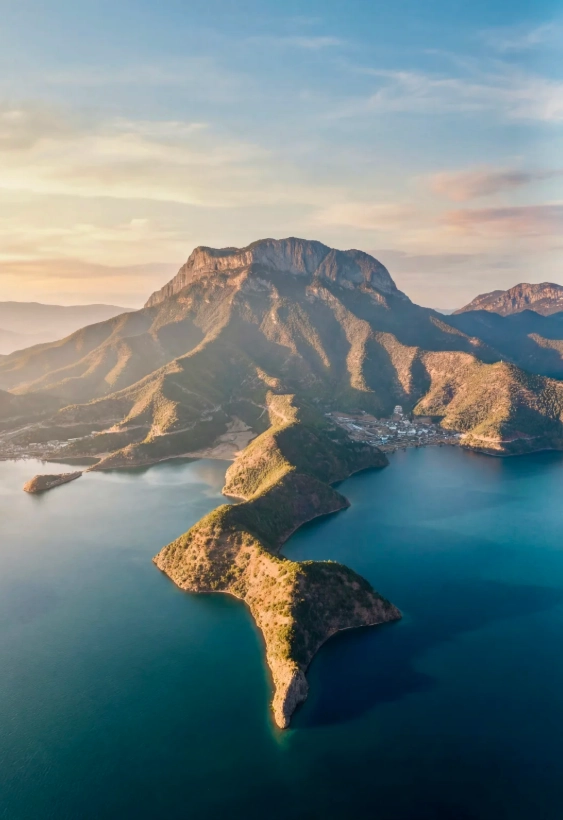
One-Day Itinerary from Lijiang (If You're Short on Time)
I designed this after a desperate request from a client who only had 24 hours. It's intense but doable:
- 7:00 AM — Private driver picks you up from Lijiang Old Town. Sleep in the car.
- 11:00 AM — Arrive at Daluoshui. Skip the ticket line? Buy online via WeChat mini-program “泸沽湖景区” in advance, or ask your driver to help. Ticket valid for 48 hours.
- 11:30 AM — Quick noodle lunch at a local eatery (try the spicy fish noodle). Then rent e-bike or hire a taxi for the loop.
- 1:00 PM — Lige Island. Walk to the observation deck (5 min uphill). The classic heart-shaped bay photo — but only if the sun is behind you. Check my note above.
- 2:30 PM — Drive to Lover's Beach. Swim? Only if you're brave — the water is freezing even in summer.
- 4:00 PM — Caohai boardwalk. Spend an hour walking through the reeds. The wooden walkway is free after you've paid the entrance.
- 5:30 PM — Sunset at Caohai. Then boat back to Daluoshui.
- 7:30 PM — Return to Lijiang (arrive around 11 PM). Tall order, but it works if you're determined.
Plan B for bad weather: If it's raining, skip Caohai (the boardwalk gets slippery and muddy). Instead, visit the Mosuo Museum in Daluoshui (free entry with ticket) or enjoy a hotpot at a lakeside restaurant with a view.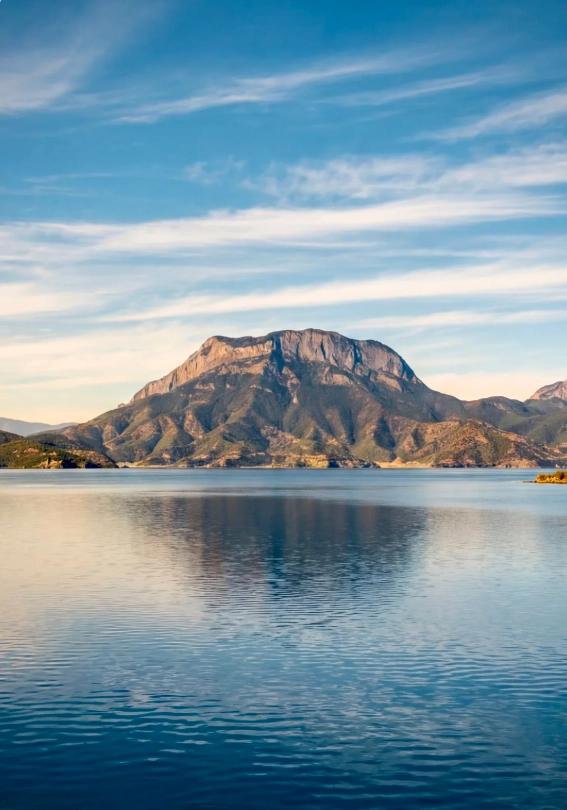
Accommodation Picks: Where to Sleep & Why
I've slept in more than 15 guesthouses around the lake. Here are the ones I actually recommend — based on Wi-Fi, hot water, and English-speaking staff:
| Hotel Name | Village | Price Range (¥/night) | Best For | Notes |
|---|---|---|---|---|
| The Lake House Inn | Daluoshui | 250-400 | Solo/ couples | Stable Wi-Fi, hot water 24h, English spoken |
| Lige Light | Lige | 350-600 | Photographers | Lake-view rooms, rooftop terrace, but no elevator |
| Caohai Camellia | Zhaojie | 180-300 | Budget backpackers | Basic but clean, free bike rental, owner speaks some English |
My frank opinion: The most scenic accommodation is the Lige Light, but you'll have to carry your luggage up three floors. The Lake House Inn is more convenient — right next to the bus stop and a 24-hour convenience store. Both accept international credit cards (Visa/Mastercard), but always carry some cash for local shops.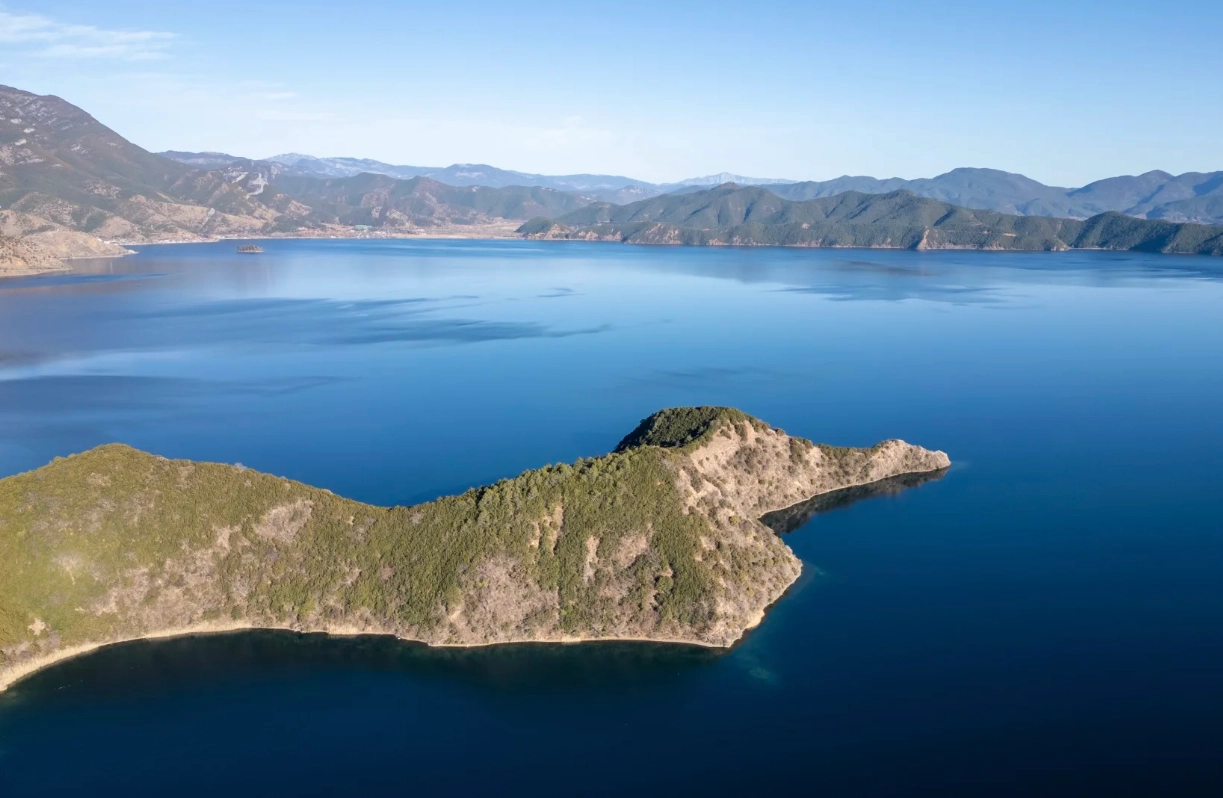
Food & Practical Tips
Must-try dish: the local smoked pork ribs — it's fatty, salty, and goes perfectly with rice. I always recommend the family-run restaurant “Mosuo Kitchen” in Daluoshui (Google Maps has it as “Mosuo Kitchen” with 4.3 stars). Their stir-fried potato with chili is my personal go-to. Average cost per person: ¥40-60.
One thing that drives me crazy: Many restaurants say they accept WeChat Pay only. If you don't have it, ask if they take cash or card. The Lake House Inn's restaurant accepts both.
Packing list from a guide:
- Insect repellent (the lake mosquitoes are aggressive at dawn/dusk)
- A reusable water bottle (all guesthouses offer free boiled water)
- Cash (ATMs are rare — there's one in Daluoshui near the post office, but it often runs out)
- A light jacket (the lake is at 2700m; temperature drops 10°C after sunset)





No comments yet.