 Hui Lin
What's Inside (Jump to the Good Stuff)
- Why 5 Days in Hulunbuir Feels Like a Different Planet
- Day 1: Arrival in Hailar – Don’t Sleep on the City
- Day 2: The Real Grassland – Moergle River & Russian Border
- Day 3: Ergun to Shiwei – The Russian Village
- Day 4: The Heishantou – Grassland Camping or Luxury Hotel?
- Day 5: The Drive Back to Hailar – Stopping at Hulun Lake
- FAQ – 5 Days in Hulunbuir
I've taken dozens of foreign tourists through Hulunbuir. And every single one says the same thing: “Why didn't anyone tell me it was like this?”.
Not like the photos you see on Instagram. I mean the smell of wild grass after a rain, the Moscow-style architecture in Shiwei, and the moment your driver pulls over because a flock of sheep is blocking the road for 15 minutes. That's the real Hulunbuir.
Here is the catch: most 5-day itineraries you find online are copy-pasted from Chinese travel blogs, and they assume you speak Mandarin. They don't tell you that your Visa card won't work at the grassland yurt dinner, or that the “must-see” scenic spot near Hailar is actually a fake grassland set up for tour buses. I'll show you the difference.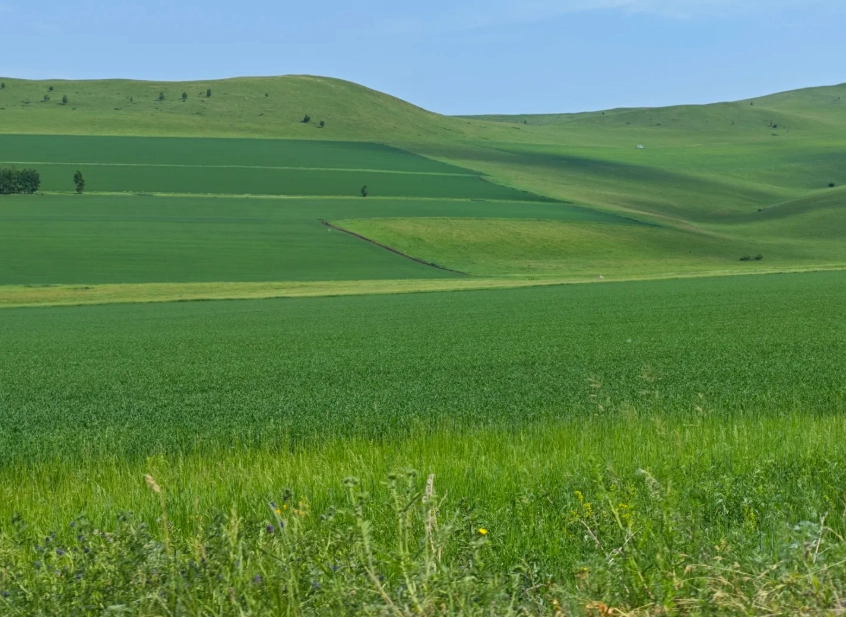
One last thing before you jump in: book your driver before you arrive. The public bus from Hailar to Moergle runs only three times a day, and the schedule is in Chinese only. I always tell my clients to hire a car through Trip.com or their hotel—costs about 500–700 RMB per day (around $70–100), and the driver doubles as your translator and bargain negotiator.
Why 5 Days in Hulunbuir Feels Like a Different Planet
Hulunbuir is not a city. It's a prefecture-level region in Inner Mongolia that's bigger than England. You'll spend most of your 5 days driving through landscapes that shift from endless green hills to birch forests to Russian-style wooden houses. There's no subway, no Uber, and sometimes no phone signal.
But that's exactly why you come here. The silence.
I've had clients from London who couldn't sleep the first night because it was “too quiet”. Two nights later, they were begging to stay longer. The trick is not to over-plan. You need a solid route, but leave room for spontaneous stops. Trust me, your driver knows the best photo spots that aren't on any map.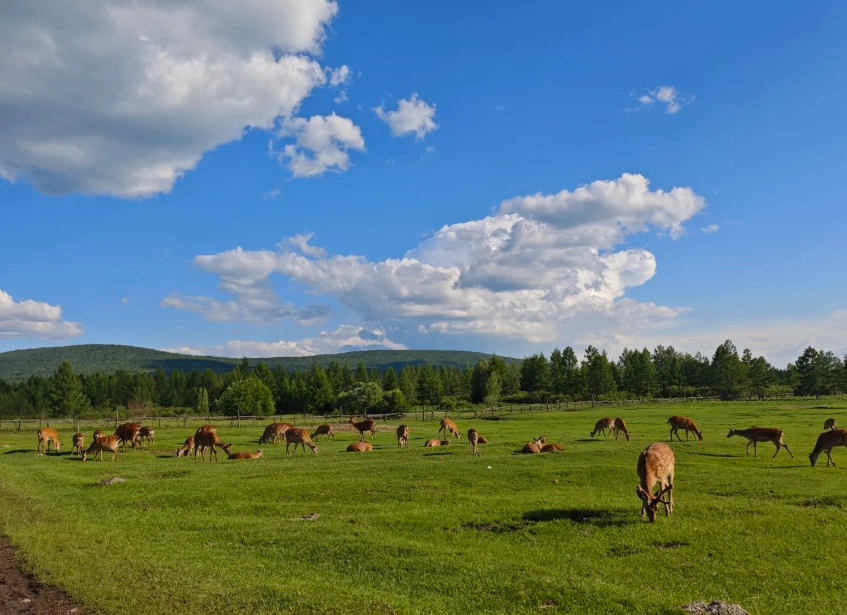
Day 1: Arrival in Hailar – Don’t Sleep on the City
Most people land at Hailar Airport (HLD) and immediately rush to the grassland. Big mistake. Hailar is your logistical base, and it has some of the best food in the region.
Where to Stay in Hailar
| Hotel | Address | Price/Night (Low/High Season) | Why Stay Here |
|---|---|---|---|
| Hailar Hotel | 39 Shengyi Street, Hailar District | 250–400 RMB ($35–55) | Centrally located, English-speaking front desk. Ask for a room facing the square. |
| GreenTree Inn | 58 Xuefu Road, near the bus station | 180–280 RMB ($25–40) | Budget-friendly, clean, elevator (rare in old buildings). No English but staff use translation apps. |
| Hulunbuir Grand Hotel | 1 Xiaoliu Street | 400–700 RMB ($55–100) | Old-school luxury. Good for families who want a bathtub and in-house restaurant. |
My go-to is the Hailar Hotel. The receptionist, Xiao Wang, speaks decent English and can help you book the driver for the next day. If you arrive after 8pm, don't expect the hotel restaurant to be open. Walk two blocks to Hailar Night Market instead.
Must-Eat That Night (Yes, You Want Hotpot)
Go to Xianghe Hotpot at 78 Xinshi Street. It's a local chain, not fancy, but the mutton is from the grassland – you can taste the difference. My personal recommendation: order the hand-cut mutton and the fermented milk drink. The total for two: about 150 RMB ($20). Warning: the spicy broth is really spicy. If you can't handle heat, ask for “qing tang” (clear broth). They don't accept Visa or Mastercard inside. WeChat Pay or cash only. But don't panic – there's an ATM 50 meters to the left of the entrance.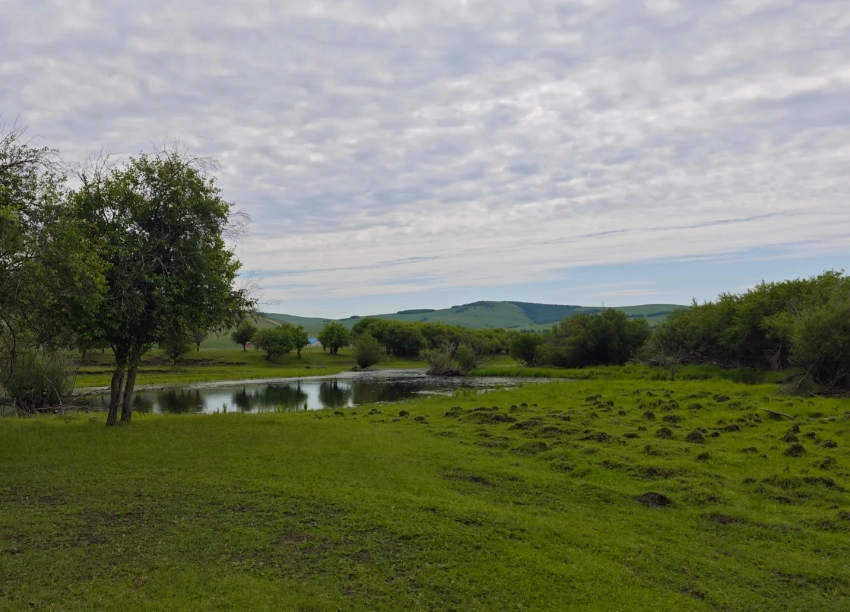
Day 2: The Real Grassland – Moergle River & Russian Border
Leave Hailar by 8am. Your driver will take you north to the Moergle River Scenic Area. This is the spot for that classic winding river photo. But here's the insider tip: the official scenic road charges 120 RMB per person and takes you to a crowded viewing platform. I skip it.
The Moergle River Loop (Don’t Get Scammed by Fake Grasslands)
Instead, tell your driver to take the old dirt road that runs parallel to the river. You'll pass real herder camps, see horses drinking from the stream, and have the entire view to yourself. No entrance fee. Just be prepared for a bumpy ride – the road is gravel and potholes for about 10 km. But I promise, the Instagram shots you'll get are worth every bump.
There's a local herder family about 3 km down that road. They offer horseback riding for 150 RMB per hour (compared to 300 RMB at the official scenic spot). Cash only. The grandfather doesn't speak a word of English but will smile and show you how to hold the reins. My clients always love this more than the “professional” horse farms.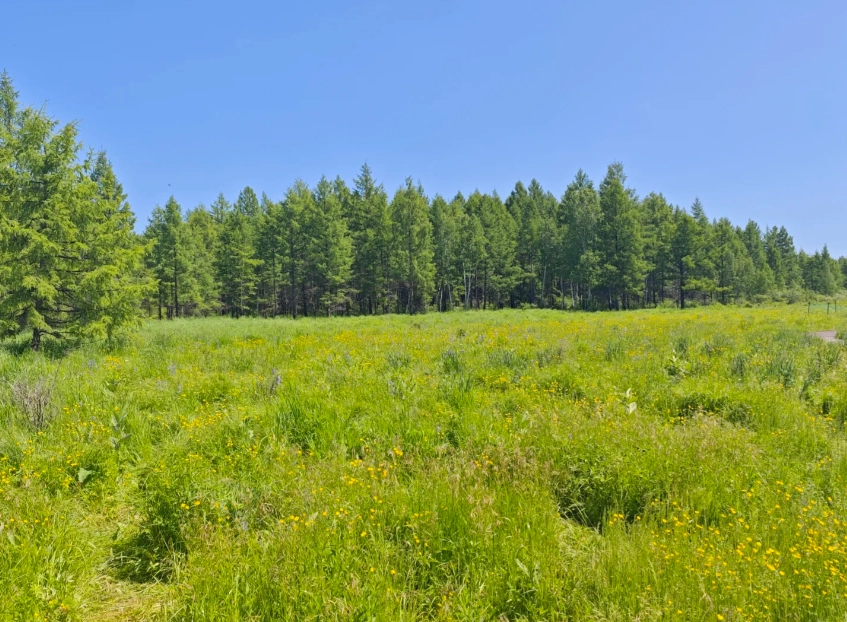
Lunch in the Mongolian Yurt (Cash Only – I Warn You)
Around 12:30, stop at Bayin Tuga yurt restaurant. It's a real Mongolian family operation. The menu is handwritten in Chinese only. I always order:
- Hand-grip lamb – boiled lamb with garlic sauce. The meat is so tender you can pull it apart with your fingers.
- Milk tea with millet – salty, buttery, and addictive.
- Baked bread – stuffed with minced mutton.
Total: about 80–100 RMB per person. No cards, no WeChat (weak signal). Bring cash. There is no ATM within 50 km.
Afternoon at Ergun Wetland (Best Light at 5pm)
Drive 2 hours to the Ergun Wetland. Entrance is 80 RMB (adult), 40 RMB (students). Opening hours: 8:00–19:00 (last entry at 17:30). Skip the boardwalk tour if you're tired – just go to the main viewing platform. The best light is between 16:00 and 17:30, when the sun hits the birch trees. The mosquitoes are ferocious here in July. I've had clients drenched in bug spray still get bitten. Bring repellent with DEET.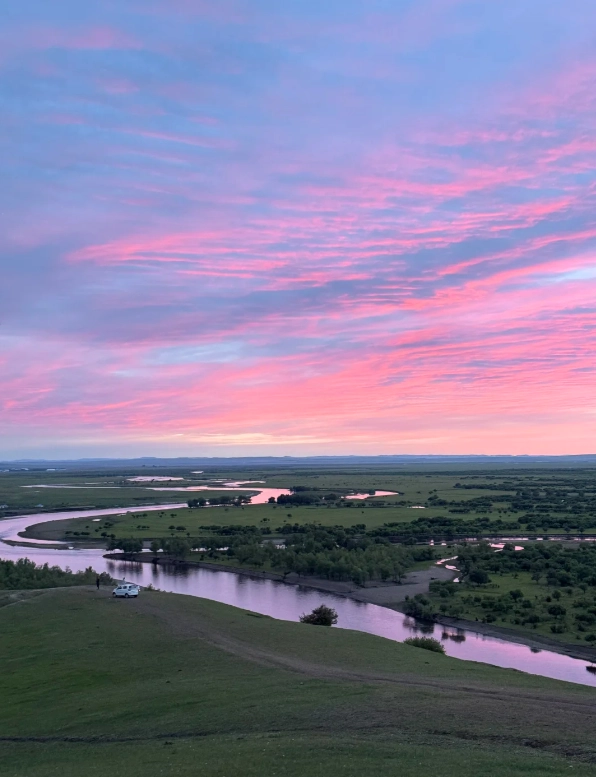
Day 3: Ergun to Shiwei – The Russian Village
Today's drive is short (about 2 hours). You'll cross from grassland into birch forest. Shiwei is a village that feels more Russian than Chinese – wooden houses, onion domes, and babushkas selling honey.
Shiwei’s Russian Architecture (and the Best Honey Beer)
Walk the main street, Shiwei Road. Stop at the Church of the Intercession (a small wooden Russian Orthodox church). It's free to enter, but keep quiet inside – local Orthodox Christians sometimes pray there.
Hungry? Xiaofan Family Restaurant at No. 12, Zhenxing Street. Their specialty is Russian-style borscht with local beef – 38 RMB. But what you really want is the honey beer brewed in Shiwei. It's sweet, light, and only 5% alcohol. Ask for a glass; 15 RMB. They have English and picture menus.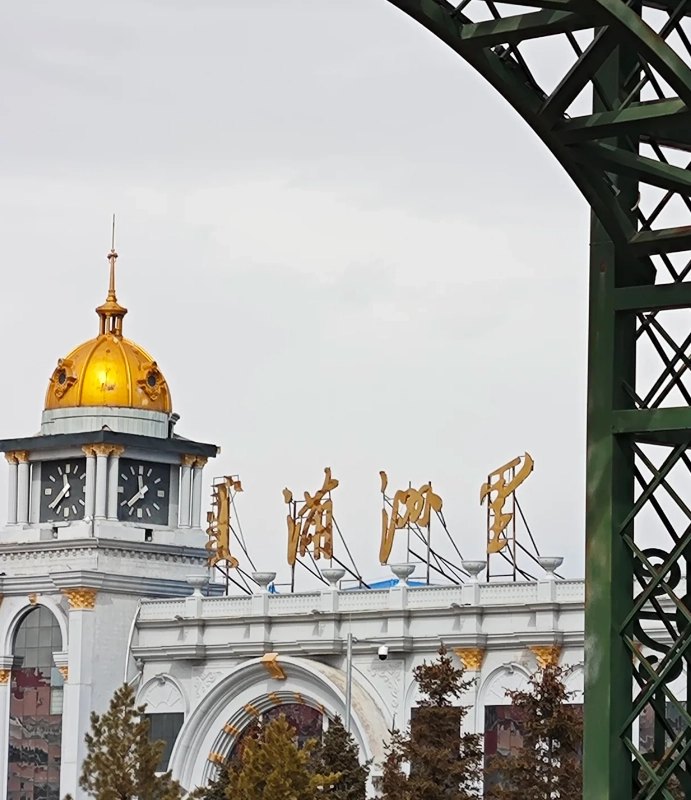
Horseback Riding on the Border (Price Negotiation Tips)
Shiwei sits right on the China-Russia border. You can rent a horse and ride along the border fence. The standard price is 200 RMB for 1.5 hours. But if you negotiate in Chinese (or let your driver do it), you can get it down to 150 RMB. The river you'll ride alongside is the Ergun River – the border. On the other side, you might see Russian villages. I always bring binoculars. The best time is early morning (before 9am) when the mist rises from the river.
Day 4: The Heishantou – Grassland Camping or Luxury Hotel?
Heishantou is a small town famous for its sunset viewpoint. But the real magic is the grassland that surrounds it. This is where you decide: rough it in a yurt or sleep in a real bed.
Why Most Tourists Miss the Heishantou Sunset
They go to the designated scenic spot at 7pm, which is a hill with 200 other people. I take my group to a place called Laoye’s Hill – just a 15-minute drive from town. No signs, no crowds. The view of the winding river against the golden grass is unbeatable. Ask your driver: “qu laoye shan kan ri luo”. He'll know.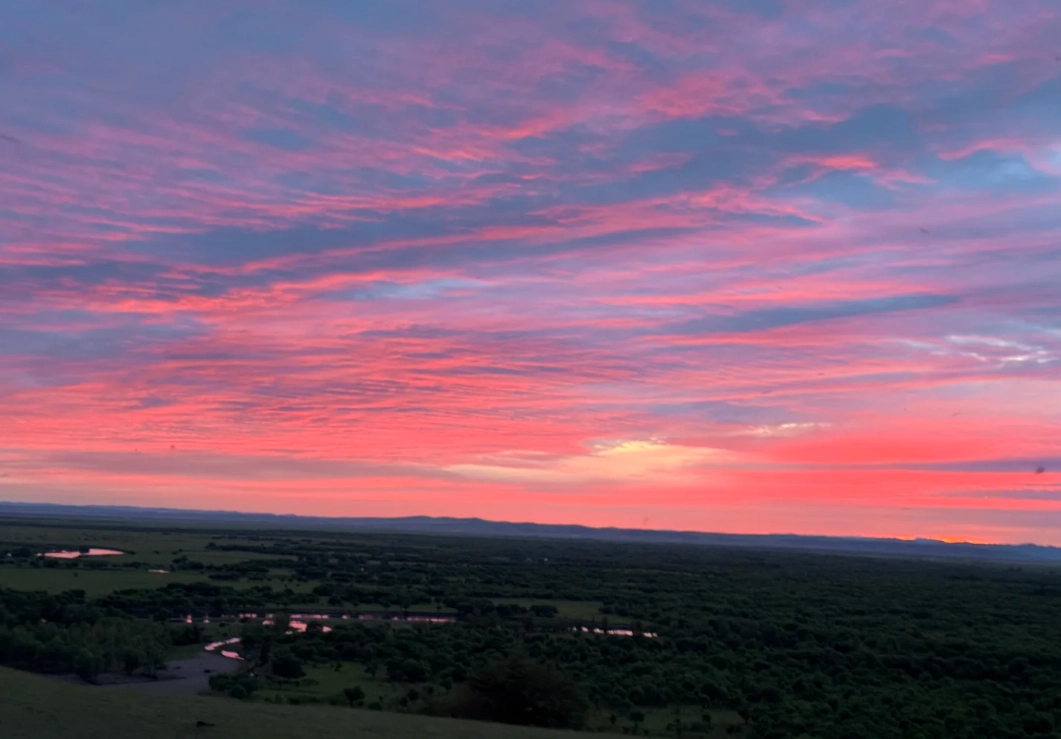
Camping vs. Hotel: Which One Will You Regret?
| Accommodation | Cost/Night | Pros & Cons |
|---|---|---|
| Yurt camp (e.g., Chengjisihan Yurt Camp) | 400–600 RMB | Pros: Authentic experience, bonfire night, unlimited stargazing. Cons: No private bathroom (shared toilet), no air conditioning, thin walls (you hear neighbors snoring). |
| Hotel in Heishantou town (e.g., Heishantou Guesthouse) | 200–300 RMB | Pros: Private bathroom, stable WiFi, hot shower. Cons: No view, no romance. |
I honestly tell my clients: if you're not coming until August, the yurt can be unbearably hot at night. Choose a hotel unless you're camping in June or September.
Day 5: The Drive Back to Hailar – Stopping at Hulun Lake
Today you drive south back to Hailar. On the way, you can detour to Hulun Lake. It's the largest lake in Inner Mongolia – looks like an ocean. Entrance is 40 RMB. Opening hours: 8:00–18:00. Is it worth the 1-hour detour? Honestly, if you're from a coastal country, you'll be underwhelmed. The water is brownish and there's algae in summer. But if you've never seen a lake this big, it's impressive. I usually skip it and instead stop at the Ganjuur Temple near the lake – a Tibetan Buddhist temple with stunning murals. Entrance 30 RMB.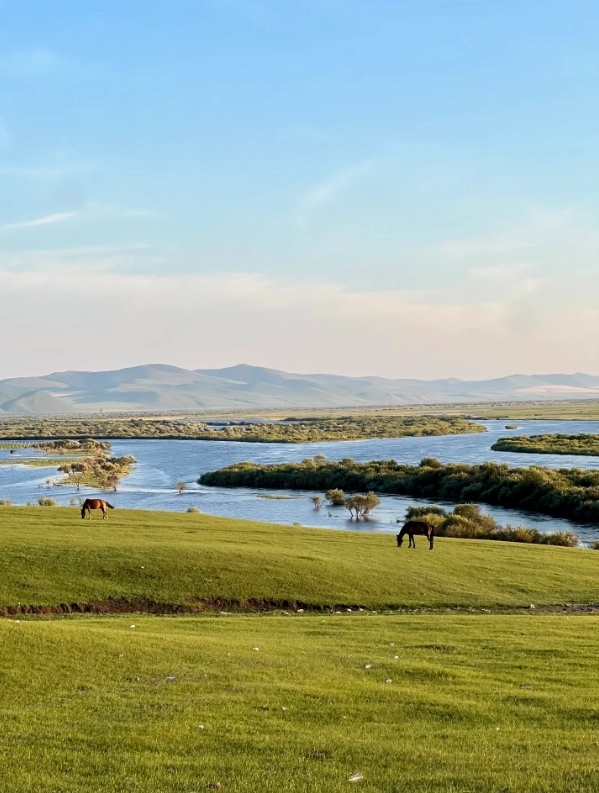
Last-Minute Souvenir Shopping in Hailar
Back in Hailar, head to the Hailar Mongolian Handicraft Market at 88 Shengli Avenue. Open 9:00–20:00. Here you can buy: cashmere scarves (80–200 RMB), Mongolian knives (150 RMB, but check airline rules), and dried cheese (20 RMB per bag). Bargaining is expected – start at 50% of the asking price.
FAQ – 5 Days in Hulunbuir
You don't need a permit for Shiwei itself, but if you want to cross the actual border into Russia, you need a visa. The border is closed to casual crossing. Just stay on the Chinese side – the views are enough.
Roughly 70% of rural businesses (yurts, small restaurants, local drivers) accept only cash or WeChat Pay. Bring at least 2,000 RMB in cash (about $280) for the 5 days. Most hotels in Hailar accept Visa, but outside the city, cash is king. There are ATMs in Hailar, Ergun, and Heishantou, but not in Shiwei. Withdraw enough before heading out.
June to September is the season. July and August are peak – green grass but also crowds and mosquitoes. June and September offer lower prices and fewer people, but the grass might be less green. I personally prefer mid-June: the weather is mild, and you can still see the wildflowers. Avoid the first week of October – it's already freezing.
Honestly, no. The yurts use well water or river water. It's not purified. Bring bottled water or a portable filter. I always carry a 1.5-liter bottle for brushing teeth and drinking. Most drivers have a case of water in the car.
Verified and fact-checked by the editorial team. All prices and opening hours are based on travel season and may change.





If you’re looking for a break from city noise, this is it. No WiFi for two days, just wind, grass, and sky. I loved the freedom of walking wherever I wanted. The homestay family cooked us a hotpot with local herbs — unforgettable. My only small complaint was the mosquitoes at sunrise. But honestly? Worth every bite. 5 stars.
This trip was pure magic. From galloping across the endless green to sipping fermented mare’s milk with a local herder, every moment felt authentic. The Russian quarter in Manzhouli was like stepping into a different country — colorful onion domes and vodka tasting. I even picked up a few Russian phrases. 5 stars, highly recommend for anyone craving wide open spaces.
I had high expectations from all the Instagram posts, but the reality was a bit mixed. The grasslands are beautiful, yes, but the tourist infrastructure is really basic. The buses were late twice, and the food in my package was repetitive (mutton every meal gets old). The Russian cultural show was fun though. I’d say it’s okay, but not the 'real freedom' I was hoping for.
The landscapes are stunning — no filter needed. We stayed in a Mongolian yurt one night and the stars were unreal. But the real highlight was the Russian village; the wooden houses and old ladies selling pirozhki gave it a totally different vibe. A few activities felt overpriced (horse riding was almost double what locals pay), but overall a solid 4-star experience for me.
I spent 5 days here and honestly, the grasslands are absolutely breathtaking. The vastness makes you feel so free. Our guide was a local Russian descendant who shared amazing stories over homemade bread and borscht. The only downside was that the second day felt a bit rushed between scenic spots. Still, I’d do it all over again!