 Yan Zhou
I walked into the Shanghai Museum on a crisp morning, and the first thing that hit me wasn't the silence—it was the weight of history. This place isn't just a building; it's a treasure chest of ancient China, packed with artifacts that tell stories spanning millennia. If you're wondering what's inside, let me cut to the chase: you'll find world-class collections of bronze ware, ceramics, calligraphy, paintings, coins, and minority ethnic arts, all housed in a modern, visitor-friendly space. But here's the kicker—most guides miss the subtle details that make a visit unforgettable, like the way light plays on a Tang dynasty ceramic or the quiet corner where you can avoid the crowds. In this article, I'll share exactly what you can see, how to see it efficiently, and some insider tips I picked up from multiple visits.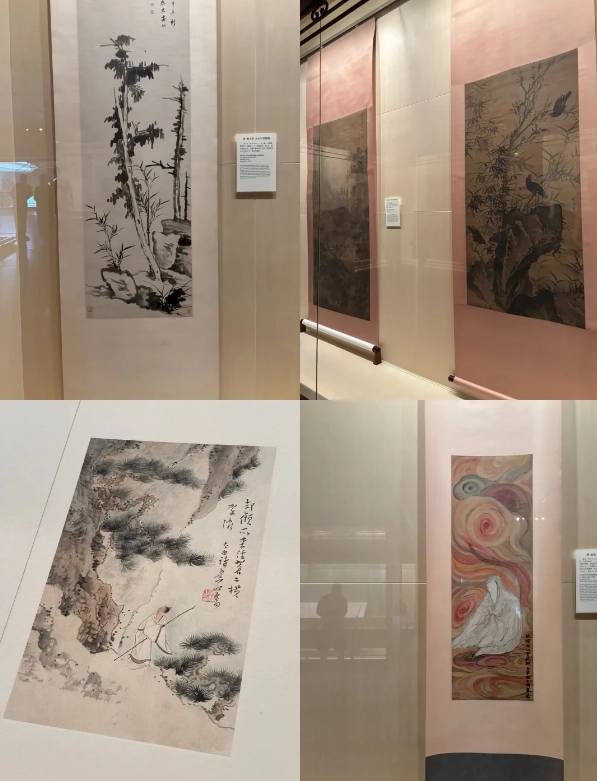
Quick Navigation
The Must-See Galleries and Collections
The Shanghai Museum is divided into 11 permanent galleries spread across four floors. Each floor has a theme, but let's focus on the highlights that deserve your time. I spent hours here, and here's what stood out.
Ancient Chinese Bronze Gallery (First Floor)
This is where the museum shines. The bronze collection is arguably the best in the world, with pieces dating back to the Shang and Zhou dynasties. I remember standing in front of the Simuwu Ding, a massive ritual vessel from the late Shang dynasty. It's over 800 kg, and seeing it up close, you can spot intricate patterns of taotie masks—mythical creatures that only reveal their details under soft lighting. Many visitors rush through, but if you lean in, you'll notice the green patina has subtle variations, a sign of ancient craftsmanship. The gallery is well-lit, but avoid midday when sunlight glare can wash out the details.
Ceramics Gallery (Second Floor)
From delicate celadon to vibrant polychrome ware, this gallery traces 8,000 years of Chinese ceramics. The standout for me was the Yuan dynasty blue-and-white porcelain, like the "Ghost Valley Descending the Mountain" jar. In person, the cobalt blue isn't just blue—it has a depth that photos can't capture, with hints of purple under certain angles. A common mistake? People overlook the smaller pieces in the back, like the Tang dynasty sancai (three-color) figurines, which have whimsical expressions that show daily life from centuries ago.
Calligraphy and Painting Gallery (Third Floor)
This section can feel overwhelming, but it's a quiet retreat. The museum rotates displays due to light sensitivity, so you might see works from masters like Wang Xizhi or Mi Fu. I found the scrolls mesmerizing, especially the way ink shades vary from jet black to watery gray. Pro tip: the gallery is often cooler than others, so bring a light jacket. Also, the explanatory texts are in English and Chinese, but the English ones can be brief—I wished for more context sometimes.
Other Key Galleries
The Coin Gallery has over 7,000 items, including ancient spade money and rare gold ingots. The Minority Nationalities Gallery showcases costumes and artifacts from China's ethnic groups, a refreshing break from the ancient focus. Here's a quick table to summarize the main galleries:
| Gallery | Floor | Highlights | Time Needed |
|---|---|---|---|
| Ancient Chinese Bronze | 1st | Simuwu Ding, ritual vessels | 30-45 minutes |
| Ceramics | 2nd | Yuan blue-and-white, Tang sancai | 40-60 minutes |
| Calligraphy and Painting | 3rd | Rotating scrolls, ink artworks | 20-30 minutes |
| Coin | 3rd | Ancient currencies, gold ingots | 15-25 minutes |
| Minority Nationalities | 4th | Costumes, textiles, tools | 20-30 minutes |
| Sculpture | 1st | Buddhist statues, stone carvings | 20-30 minutes |
The museum's layout is intuitive, but I noticed the signage could be better—some arrows point in confusing directions. Don't hesitate to ask the staff; they're friendly and often speak basic English.
Practical Visitor Information
Before you go, here's the essential info I wish I had known earlier. The museum is centrally located, making it easy to reach.
Address: 201 Renmin Avenue, Huangpu District, Shanghai, China. It's in People's Square, hard to miss with its distinctive round top and square base symbolizing ancient Chinese cosmology.
Opening Hours: 9:00 AM to 5:00 PM daily, with last entry at 4:00 PM. Closed on Mondays, except national holidays. I arrived at 9:30 AM once and found short lines, but by 11 AM, it gets crowded with tour groups.
Ticket Information: Admission is free, but you must reserve online in advance. I used the official Shanghai Museum website for booking—it's straightforward, but do it a few days ahead during peak seasons. Walk-ins are rarely allowed due to capacity limits.
Getting There: The easiest way is by metro. Take Line 1, 2, or 8 to People's Square Station, Exit 1. From there, it's a 5-minute walk. Buses like 49, 123, and 925 also stop nearby. If you're driving, parking is limited and expensive; I'd recommend public transport.
Facilities: The museum has free Wi-Fi, but it's spotty in some galleries. There's a café on the first floor selling overpriced snacks—I'd suggest eating elsewhere. Restrooms are clean and located on each floor.
One thing that surprised me: the museum doesn't offer audio guides in English, only Chinese. Instead, you can download their app for self-guided tours, but the audio quality varies. Bring your own headphones if you plan to use it.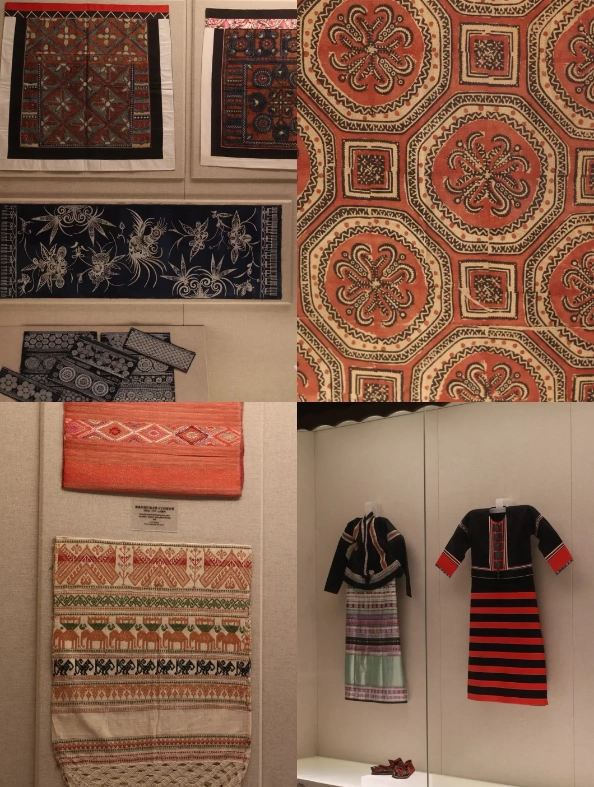
How to Navigate the Museum Efficiently
Most visitors follow the crowd from the first floor up, but that's a mistake. Here's a strategy I developed after a couple of visits to avoid bottlenecks and see the best pieces without rushing.
Start on the fourth floor with the Minority Nationalities Gallery. It's usually empty in the morning, giving you a peaceful start. Then, work your way down: hit the Calligraphy and Painting Gallery on the third floor before the tour groups arrive. By late morning, head to the second floor for ceramics—the light is better then. Save the bronze gallery on the first floor for after lunch, around 1:30 PM, when the initial rush has died down.
I mapped out a sample 3-hour visit:
- 9:00 AM: Enter, go straight to the fourth floor (Minority Nationalities).
- 9:45 AM: Third floor (Calligraphy and Painting, Coin Gallery).
- 10:30 AM: Second floor (Ceramics).
- 11:30 AM: First floor (Bronze, Sculpture).
- 12:30 PM: Wrap up, maybe revisit a favorite spot.
Wear comfortable shoes—the floors are hard, and you'll be walking a lot. Also, the museum can feel stuffy in summer; the air conditioning works, but some corners stay warm. Carry a water bottle; there are drinking fountains near the restrooms.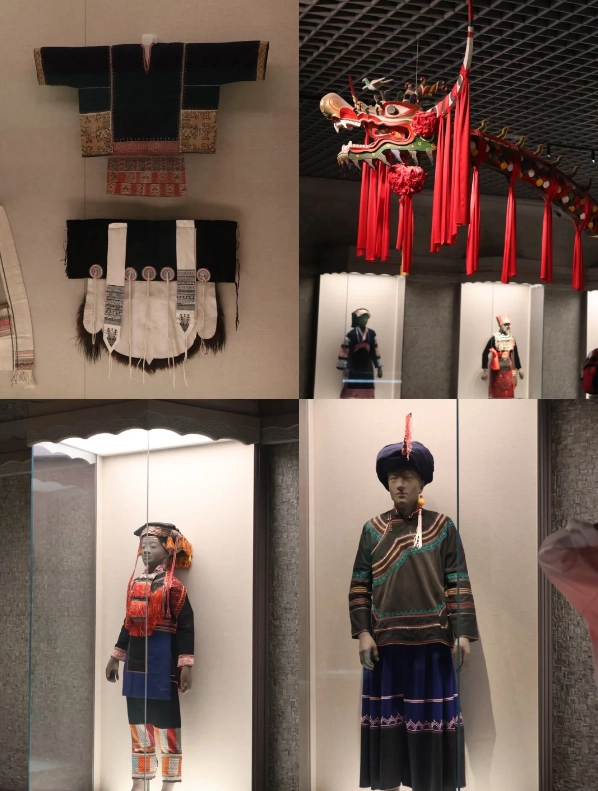
Hidden Gems and Lesser-Known Exhibits
Beyond the main galleries, there are spots most guides skip. I stumbled upon these by exploring off the beaten path.
First, the temporary exhibitions on the basement level. They change every few months, focusing on themes like archaeological discoveries or international art. I saw a show on Silk Road artifacts that was empty compared to the upper floors—a real treat. Check the museum's website before your visit for current offerings.
Second, the museum shop on the first floor has replicas of artifacts, but the quality is hit-or-miss. I found a small jade reproduction that was decent, but the books are overpriced. Instead, look for the free brochures near the entrance; they have maps and highlights in English.
Third, the architecture itself. The building's design, by local architect Xing Tonghe, incorporates feng shui elements. From the central atrium, look up—the ceiling has a pattern mimicking ancient astronomical charts. It's easy to miss if you're focused on the exhibits.
One personal note: the Sculpture Gallery on the first floor has a quiet bench near the Buddhist statues. I sat there for ten minutes, and it was a perfect break from the crowds. The lighting there casts soft shadows, making the stone carvings look almost alive.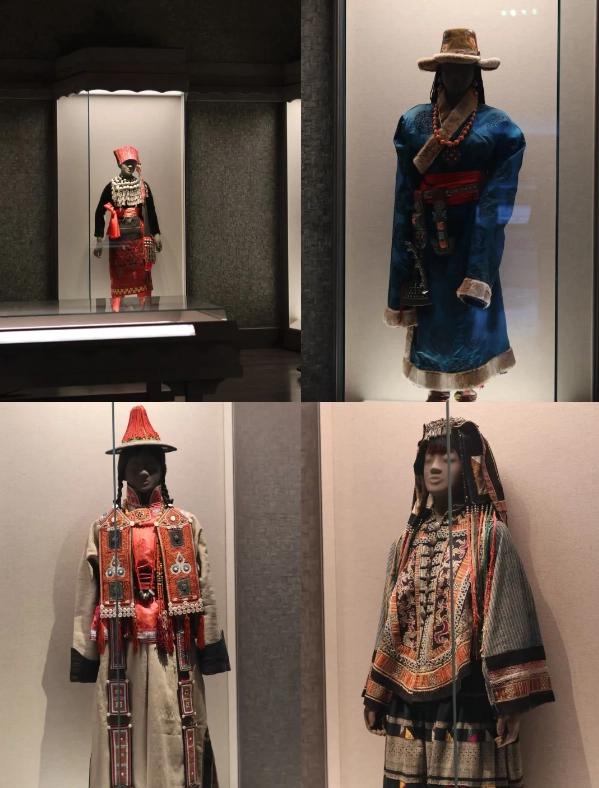
FAQ: Your Questions Answered
 How accessible is the museum for visitors with disabilities?
This article is based on personal visits and information from the Shanghai Museum's official sources. Facts have been verified for accuracy as of the latest update.





I had high expectations, but honestly felt a little let down. Several special exhibition rooms were closed when I went, and the layout felt a bit dated compared to other major museums I’ve been to. The ticket price is on the higher side for what’s actually open. Not terrible, but I wouldn’t go out of my way to visit again.
Great collection overall — the jade and seal carving exhibits were highlights. However, it was extremely crowded on a Saturday morning, and some of the English translations next to the artifacts were a bit awkward and incomplete. The flow through the floors could be better too. Still a solid 4-star experience if you visit on a weekday.
Top-notch visitor experience from start to finish. Lockers are free and easy to use, the staff at the information desk spoke good English, and the café on the ground floor serves a decent latte. I also appreciated the quiet zones where you can sit and reflect. Everything felt very well thought out. Highly recommend booking a half-day slot.
The building itself is a masterpiece — the circular dome and natural light inside create such a serene atmosphere. I loved how the ceramics gallery was arranged, with pieces from different dynasties telling a story. Even the restrooms and signage were clean and well-designed. A must-see for anyone who appreciates art and architecture.
Absolutely blown away by this museum! The ancient bronze collection is world-class — the detail on the Da Ke Ding is just stunning. I spent nearly four hours here and still felt like I could have stayed longer. Audio guide is worth the extra few yuan; it really brings the history to life. Hands down one of the best museums I’ve visited anywhere.
Very impressed by the breadth of the collection – from ancient pottery to modern art. The stamp collection on the second floor is a hidden gem. My only gripe is that the cafe options are limited and expensive. Otherwise, well worth a few hours. The staff were friendly and spoke decent English. Solid 4 stars.
Honestly a bit let down. The museum is massive and has tons of artifacts, but the signage feels dated and some displays are poorly lit. I was really excited for the minority cultures section, but it felt like an afterthought. Also, the audio guide kept skipping. For a free museum it's okay, but I expected more from a world-class city. 3 stars.
Great museum overall, especially the ceramics floor. But I visited on a Saturday afternoon and it was packed – hard to get close to the exhibits. The air conditioning struggled a bit in some rooms. Still, the collection is top-notch and it's free. Just go early on a weekday if you want a quieter experience. 4/5.
I came for the Ming and Qing paintings and left completely satisfied. The calligraphy section is stunningly curated, with helpful English labels that actually explain the context. The museum is spacious and well-organized, though the gift shop is a bit overpriced. Still, five stars for the incredible experience. Plan at least half a day.
Absolutely blown away by the Shanghai Museum! The collection of ancient Chinese bronzes is world-class, and the jade exhibition had me staring for ages. The lighting is perfect, highlighting every detail. Even the building itself is a masterpiece. Free admission too? Unbeatable. Spent nearly 4 hours and still felt like I missed half. A must-visit in Shanghai!
The Shanghai Museum is a treasure trove! I was particularly fascinated by the minority ethnicities exhibition on the 4th floor — so colorful and informative. The staff were friendly and helpful. Only gave 4 stars because the gift shop was overpriced and the coffee shop had limited options. But the exhibits themselves are world-class.
Free museum, which is great for budget travelers. But honestly, I was a bit disappointed. The lighting in some galleries was poor, making it hard to see the details on the pottery. Also, the signage was confusing — I ended up missing the Ming furniture section. Felt like the crowd management could be better. Not bad for free, but wouldn't go out of my way again.
Good museum overall, but a bit crowded on a Saturday afternoon. I appreciated the free entry, but the queue to get in took 30 minutes. The exhibits are top-notch, especially the jade collection. However, I wish there were more interactive elements or English descriptions. Still a solid 4 stars for the quality of artifacts.
As a museum enthusiast, I have high standards and Shanghai Museum exceeded them. The calligraphy and painting galleries were breathtaking. I joined the free English tour at 10am and the guide was incredibly knowledgeable. The only minor issue was that the audio guide was sometimes out of sync, but overall a fantastic experience. Highly recommend!
Absolutely loved the Shanghai Museum! The ancient bronze collection blew my mind — so well preserved and displayed. The building itself is stunning, and the layout made it easy to navigate. I spent almost 4 hours here and still felt like I missed some things. Definitely a must-visit in Shanghai! Free admission too — incredible value.