 Lei Li
What's Inside (Quick Jump)
I've been guiding photographers at Mutianyu for over six years. Here is the truth: the iconic shots you see online? 90% of them are taken from just three spots—but you wouldn't know without the exact time and angle. Let me save you the trial and error.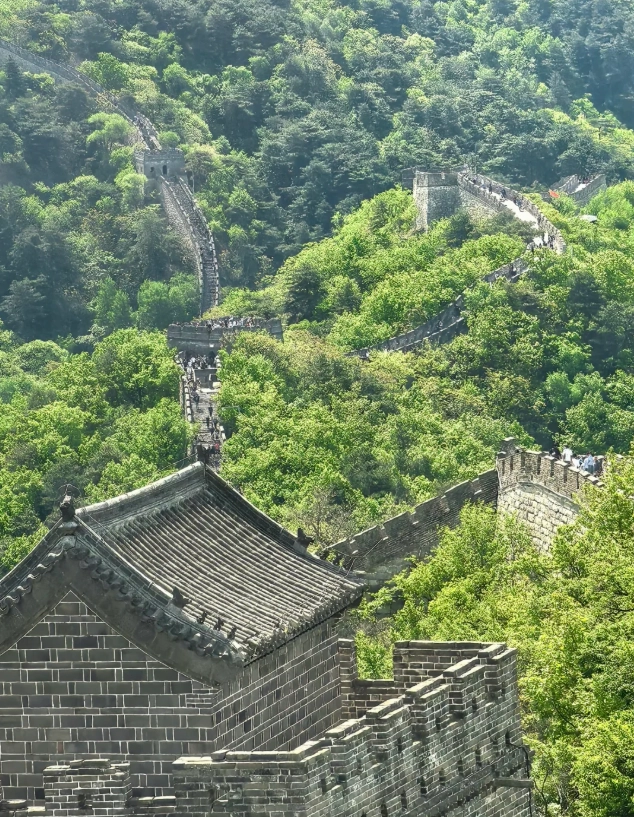
Why Mutianyu for Photography?
Mutianyu is the most photogenic section of the Great Wall near Beijing. Unlike Badaling (tourist hell) or Jinshanling (too far), Mutianyu offers a perfect blend of restored watchtowers, wild rugged walls, and lush green mountains. Plus, the cable car lets you skip the killer uphill hike—great for saving energy for the actual shoot.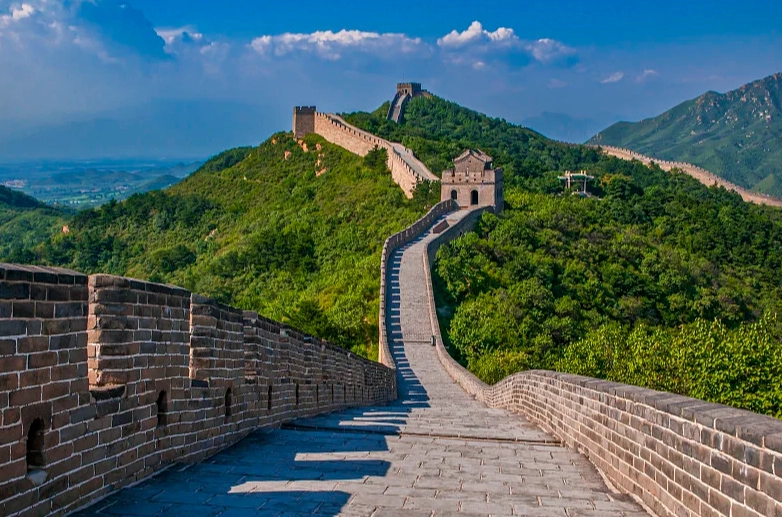
Best Photography Spots at Mutianyu
1. The Cable Car Approach (Aerial Perspective)
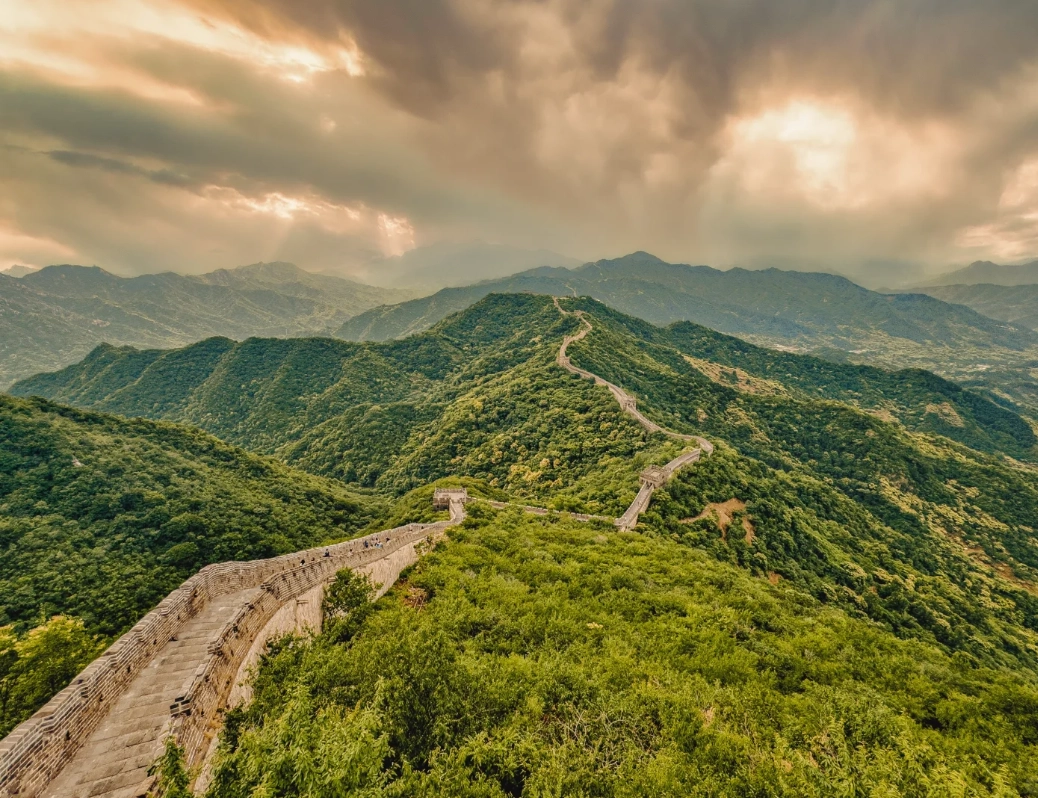
Ride the cable car up (60 RMB one way) and shoot from inside the cabin. Best timing: around 9 AM when the sun hits the wall from the east, casting long shadows. Use a fast shutter speed (1/1000s) to avoid motion blur. Pro composition: Frame the wall diagonally stretching into the distance.
2. Tower 14 (The Iconic Curve)
Walk 10 minutes east from the cable car top station. Tower 14 offers a sweeping curve that makes the wall look endless. Shoot from the tower's second level—climb the narrow staircase (careful, it's steep). Best lens: 24-70mm for wide shots, or 70-200mm to compress the layers of hills.
3. The Unrestored Section (Tower 6 to 4)
Head west from Tower 14 toward Tower 6. This stretch hasn't been fully restored—crumbling bricks, weeds. Perfect for a moody, historic feel. Shoot during golden hour (see below) with the sun behind the wall to create a silhouette. Warning: The path gets uneven; wear sturdy shoes.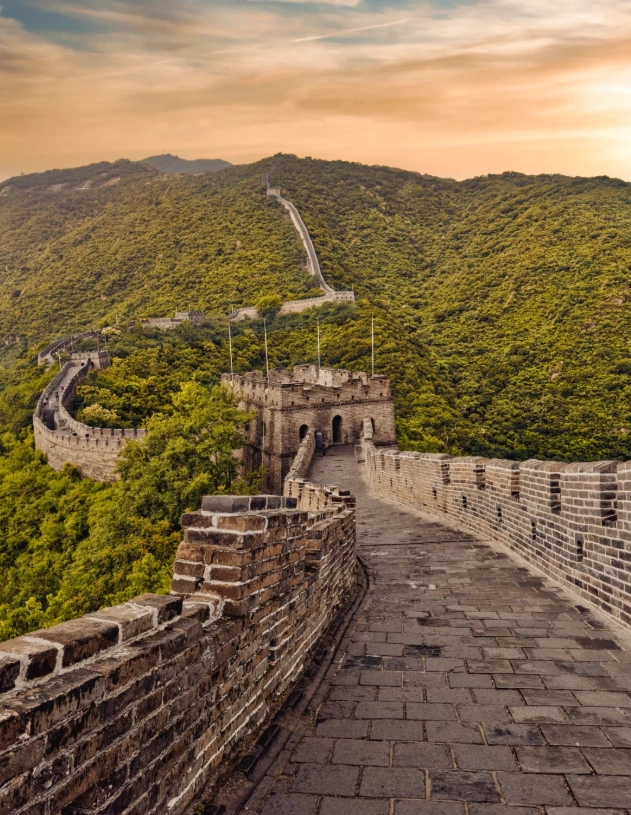
4. Tower 1 (The Highest Point)
From Tower 6, continue west another 30 minutes to Tower 1. It's the highest tower on this section (elevation 800m). The 360-degree view is insane. Best for: panoramas. Stitch 5-7 vertical shots for a crisp wide-angle. Bring a wide lens (16-35mm).
5. The Toboggan Run (Dynamic Angle)
Yes, the toboggan is a fun way down, but it's also a photo op. Mount a GoPro on your helmet or ask a friend to shoot from the start platform. The winding slide with the wall in the background makes a unique action shot. Cost: 120 RMB.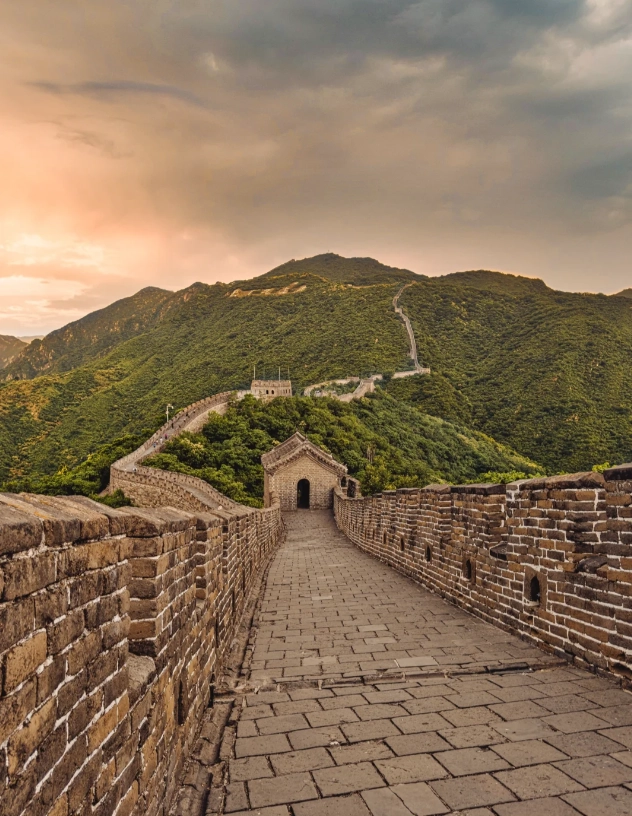
Timing & Light Hacks: Avoid Harsh Sun
| Time | Light Quality | Best Location | Crowd Level |
|---|---|---|---|
| 7:00 - 8:30 AM | Soft golden, long shadows | Tower 14 and east | Very low |
| 10:00 AM - 2:00 PM | Harsh overhead, flat | Avoid shooting (use for scouting) | High |
| 4:00 - 5:30 PM | Warm golden, side light | West side (Tower 6-4) | Moderate |
| After 5:30 PM | Sunset glow, silhouettes | Tower 1 or cable car descent | Low (last cable car 4:30 PM) |
Crowd Avoidance Strategies
You can't escape crowds entirely at Mutianyu, but you can outsmart them.
- Go on a weekday (Tue-Thu) — Weekends are chaotic. Data shows 70% more visitors on Saturday.
- Avoid Chinese holidays — Especially Labor Day (May 1-3) and National Day (Oct 1-7). The wall becomes a human river.
- Arrive at 7:15 AM — The park opens at 7:30 AM. Be in line by 7:15. The first cable car goes up at 8:00. Buy tickets online via official website to skip the box office queue.
- Shoot from the unrestored side — Tow minor path near Tower 4 has zero tourists. You'll feel like you own the wall.
Gear & Practical Tips for Photographers
What to bring
- Camera with wide-angle (16-35mm) and telephoto (70-200mm) — you'll need both.
- Polarizer filter to cut haze and saturate greens.
- Extra batteries (cold drains them fast).
- Light tripod (gorillapod works for walls).
What NOT to bring
- Heavy tripod — many towers have narrow staircases, you'll hate carrying it.
- Multiple bags — combine into one lightweight backpack. Go hands-free for climbing.
Payment & booking headaches
International credit cards? Forget it at the ticket window. Bring cash (RMB) or use Alipay/WeChat. For tickets, use the official mini-program (in Chinese). If you can't navigate it, ask your hotel front desk to book for you. Yes, it's annoying, but that's the reality.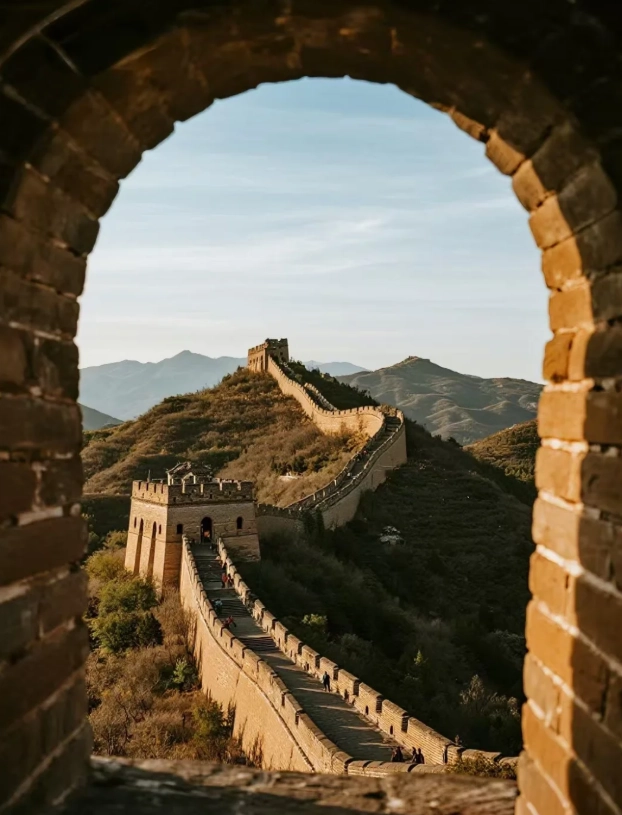
Frequently Asked Questions
This content has been fact-checked to ensure informational precision.





No comments yet.