 Bo Wu
Bo Wu
What You'll Learn Here
Sunrise at the Forbidden City. The ticket queue snakes around the corner. But I've got a trick—skip the main gate and head straight for the eastern side. Let me show you where to stand for that perfect shot.
Many visitors book their tickets online but still end up stuck in midday crowds. The real secret to nailing the forbidden city photography spots is timing and knowing which gates to enter. International credit cards often fail at the online booking—here's how to avoid that headache: use a local payment platform or ask your hotel to help. Now, let me save you hours of frustration.
Best time? 8:30 AM sharp on a weekday. That's when the light hits the golden tiles just right. I always tell my clients: skip the central axis for the first hour. Instead, dart to the side halls. Now, let me walk you through the essential spots.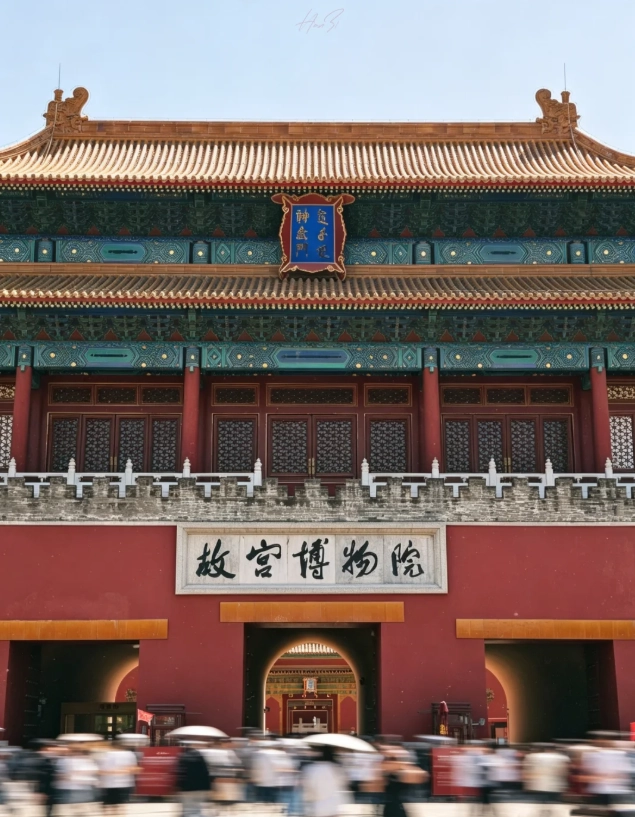
Best Time to Photograph the Forbidden City (Light and Crowds)
Light is everything. The Forbidden City opens at 8:30 AM (April–October) and closes at 5:00 PM (last entry 4:10). During winter (November–March), it opens at 8:30 AM and closes at 4:30 PM (last entry 3:40). Mondays are closed, except for public holidays. I've seen too many tourists arrive at 10 AM and spend an hour in the sun waiting for a clear shot. The magic window: from opening until 9:30 AM, and then again from 3:30 PM to close. The low angle light paints the red walls and golden roofs with a warm glow. Midday sun? Harsh shadows and washed-out colors. Avoid it if you can.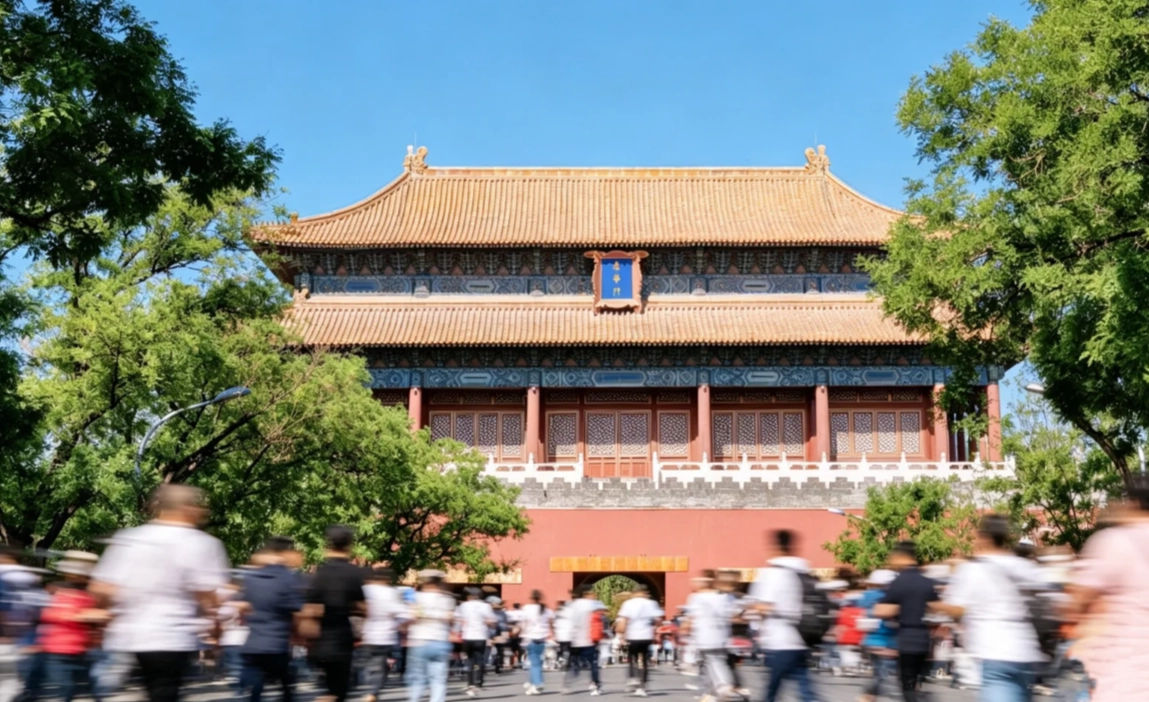
Top 5 Photography Spots in the Forbidden City
The Meridian Gate (Wumen) – Grand Entrance
This is the main gate, but I rarely shoot from the front. Too many people. Instead, climb the ramp on the east side of the gate — you'll get a clean, elevated shot of the courtyard leading to the Hall of Supreme Harmony. The symmetrical architecture is perfect for a wide lens. Best time: right after opening, before the tour groups flood in.
The Hall of Supreme Harmony (Taihe Dian) – Symmetry Perfection
The central hall is iconic. But don't stand dead center — that's where everyone else stands. Move to the left corner of the marble terrace. Frame the hall with the ornate balustrade in the foreground. Use a polarizer to kill reflections on the marble. If you're here at 4 PM, the shadows from the pillars create a dramatic diagonal.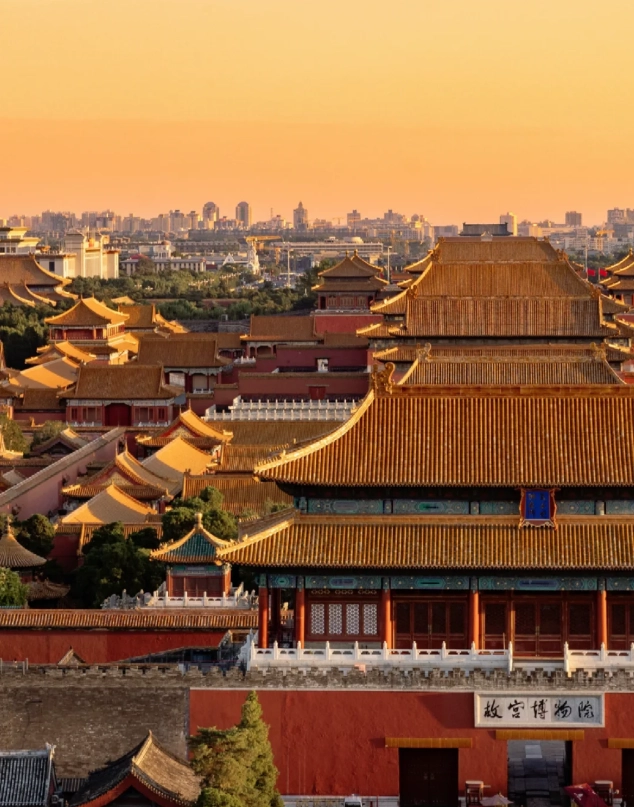
The Palace of Heavenly Purity (Qianqing Gong) – Intricate Details
This inner hall has stunning painted ceilings and carved dragons. A 70-200mm lens will let you isolate the details. I zoom in on the dragon heads above the door. Note: flash is forbidden inside the halls, so bump up your ISO. The interior is dim but the colors are rich.
The Imperial Garden (Yu Huayuan) – Serene Escape
Most tourists sprint through here to the exit. Big mistake. The rockeries and ancient cypress trees offer wonderful compositions. Position yourself behind a gnarled tree trunk and use a small aperture to keep both the tree and the pavilion in focus. Early morning light filters beautifully through the leaves.
The Glazed Tiles on the Roofs – Abstract Patterns
Look up. The roofs are covered in yellow, green, and blue glazed tiles. Find a spot near the Hall of Mental Cultivation (Yangxin Dian) — the curved eaves and roof guardians make great abstracts. Use a telephoto to compress the layers. I often frame two roofs overlapping to create a pattern.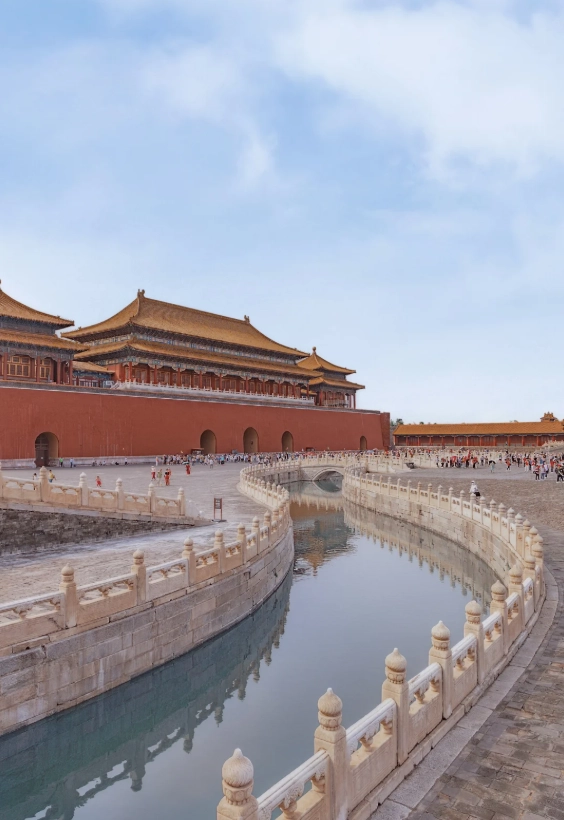
Essential Gear and Camera Settings
| Item | Recommendation | Why |
|---|---|---|
| Lens | 16-35mm f/2.8 + 70-200mm f/4 | Wide for architecture, tele for details and compression |
| Polarizer | Circular polarizer | Reduces glare from marble and glass, saturates reds |
| Tripod | Not allowed without permit | Use a monopod or gorillapod discreetly; tripods are confiscated |
| ISO | 100-800 | Keep low for exteriors; bump to 800+ inside halls |
| Aperture | f/8 – f/11 for landscapes; f/2.8 for details | Maximizes sharpness and depth of field |
| White Balance | Daylight or shade preset | Matches the warm tone of the buildings |
One more thing: bring extra batteries. The cold in winter drains them fast. In summer, the humidity can fog your lens — keep a microfiber cloth handy.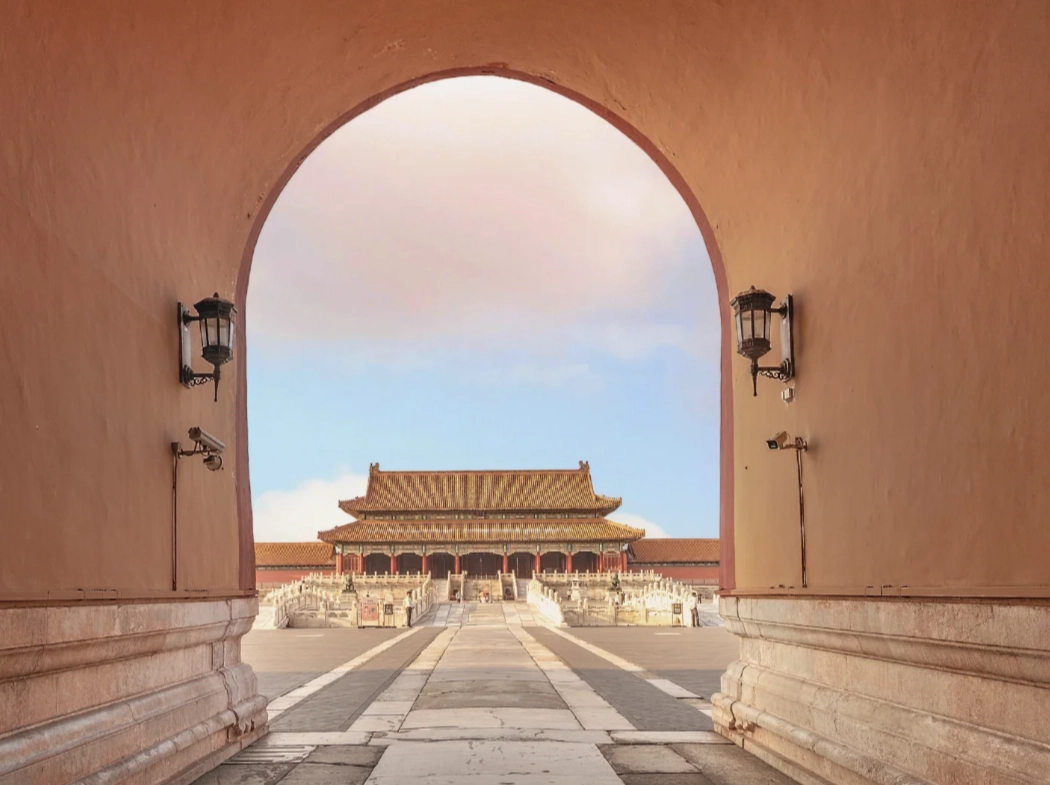
How to Avoid Crowds for Clean Shots
Weekday mornings are your best friend. Tuesday to Thursday see the fewest visitors. Also, consider entering from the north gate (Shenwumen) — most groups enter from the south, so the north end is quieter early. If you find yourself stuck in a sea of people, go wide and shoot upward to minimize figures in the frame. Or use a long exposure (with a monopod) to blur the moving crowd while the buildings stay sharp.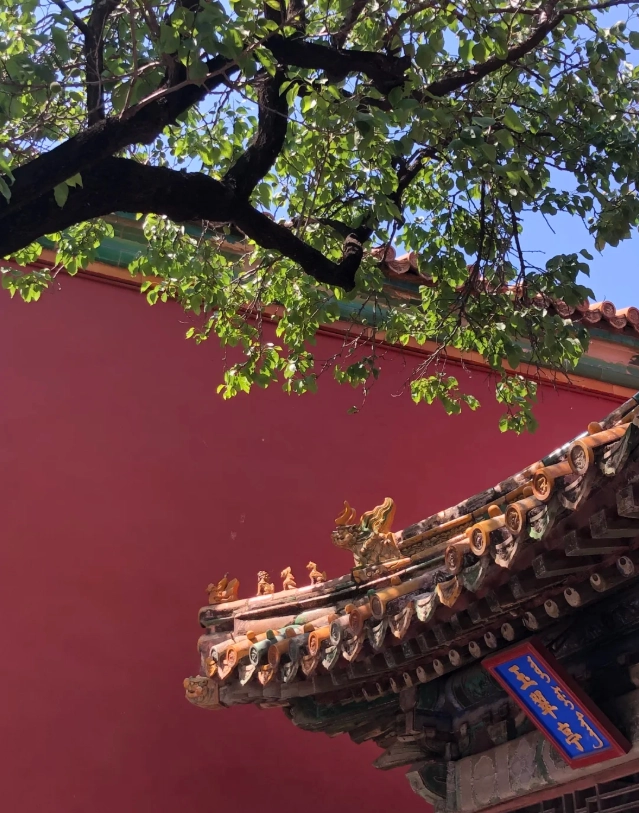
Photography Rules & Restrictions
Yes, there are rules. Tripods and monopods are officially banned unless you have a press or commercial permit. I've had clients have their tripods confiscated at the checkpoint — they had to retrieve them at the exit at closing time. Selfie sticks are also forbidden. Drones? Absolutely not. Flash photography inside halls is prohibited (it damages the pigments). Also, no touching the exhibits or climbing on the rails. Be respectful — these are ancient artifacts.
Practical info: Tickets must be booked online at least one day in advance via the official WeChat mini-program (search "Palace Museum Tickets") or through travel platforms like Trip.com. Adult ticket: 60 RMB (April–October), 40 RMB (November–March). Students and seniors get half price, but you must show the original ID. No on-site ticket sales — don't fall for scams outside the gate.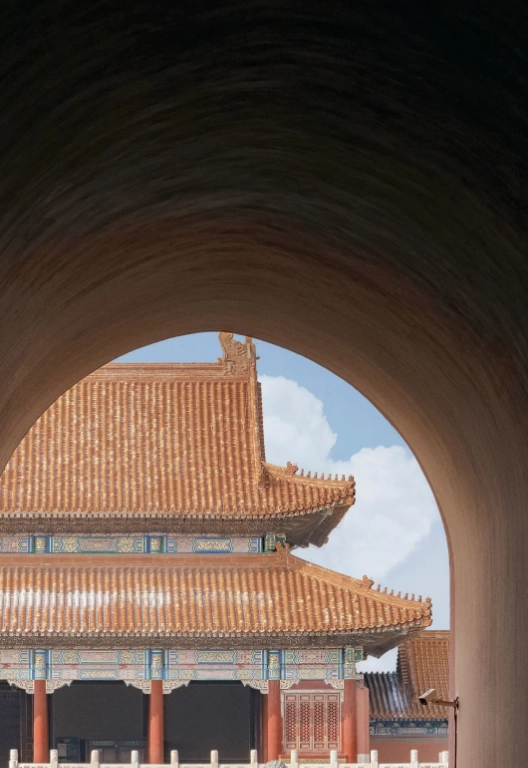
FAQ: Common Photography Questions Answered
Can I use a tripod inside the Forbidden City?
No. Tripods and monopods are not allowed without a special permit. I've seen tourists have theirs confiscated at the gate. Use a gorillapod wrapped around a railing, or brace your camera on a wall. Keep it low-key.
What's the best lens for forbidden city photography spots?
A 16-35mm wide-angle zoom is essential for the big courtyards and halls. Pair it with a 70-200mm to capture details like roof guardians or distant pavilions. If you can only bring one, go with the wide zoom.
How do I avoid getting Chinese tourists in my shots?
Arrive at opening time and head straight to the less popular areas — the side palaces and gardens. Also, use a low shooting angle so the sky or walls fill the frame. Patience: wait 30 seconds and the crowd may clear. I often tell my clients to look for small courtyards between buildings — they're often forgotten.
Is the Forbidden City open for night photography?
No. The museum closes at 5 PM (4:30 in winter) and no night visits are permitted, except on special occasions like the Lantern Festival. Plan your golden hour shots for the last hour before closing — the light is beautiful and the crowds thin out.
Can I bring a camera backpack?
Yes, but they will check it at security. Avoid bringing a huge roller bag — it's inconvenient on the stone paths. A mid-sized backpack is fine. Don't forget to bring water and snacks; the food inside is overpriced and mediocre.





No comments yet.