 Hui Lin
What's Inside This Guide
I've been guiding international visitors to the Great Wall for over eight years. And every single time someone asks me “Is Mutianyu Great Wall worth visiting?”, I give the same answer — but only after I see their expectation.
Here's the thing: Mutianyu is absolutely worth it — if you know what you're getting into. If you want a quieter, more scenic section with far fewer vendors than Badaling and a thrilling toboggan ride down, this is your spot. But if you're chasing the iconic "endless wall snaking into the mountains" photos that look like they're from a postcard? Mutianyu delivers that too.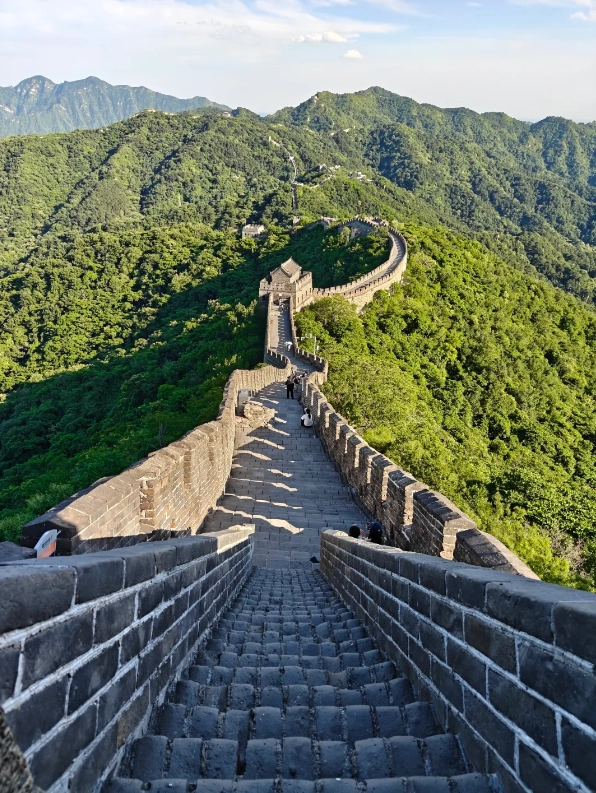
Why Mutianyu Stands Out
Mutianyu was originally built in the Northern Qi dynasty (550–577) and later fortified under the Ming. But what makes it different today is the crowd control — or rather, the lack of insane crowds. Compared to Badaling, which can feel like a theme park queue, Mutianyu lets you actually hear the wind through the watchtowers.
Here's what I mean: on a typical autumn Saturday, Badaling might see 60,000 visitors. Mutianyu? Around 15,000. You still see people, but you're not elbowing for a photo spot.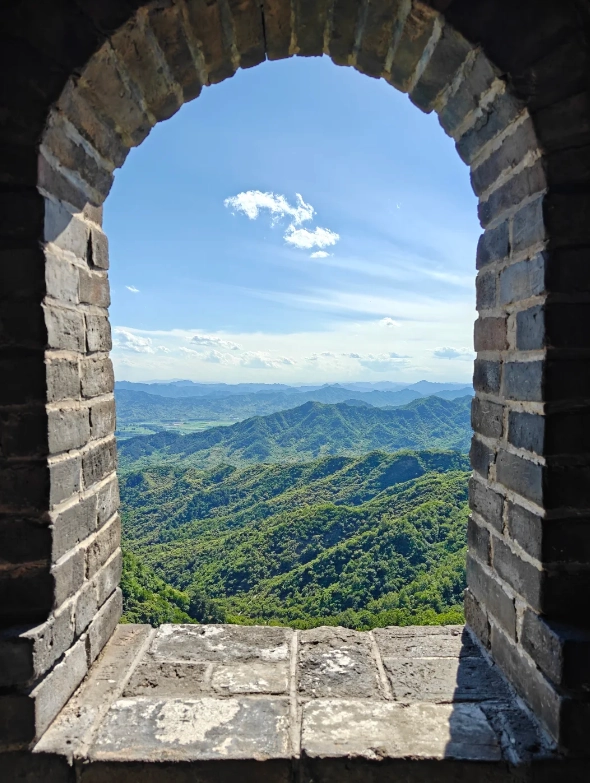
Key features that seal the deal:
- Cable car & chair lift — two options up, and a toboggan down if you're feeling adventurous.
- 23 well-preserved watchtowers, most with original brickwork and stunning views.
- Far fewer touts — you'll get “taxi? taxi?” maybe once or twice, not every 10 meters.
- Restored but not over-restored — you still feel the history under your feet.
Mutianyu vs. Badaling: Which is Better?
I get this comparison every day. Let me break it down in a no-BS table:
| Factor | Mutianyu | Badaling |
|---|---|---|
| Crowd level | Moderate (but bearable) | Extremely crowded |
| Famous toboggan | Yes (super fun) | No |
| Distance from Beijing | ~70 km (1.5h drive) | ~80 km (2h drive by bus) |
| Restoration style | Original character preserved | Very polished, almost new |
| Accessibility | Cable car + chair lift | Cable car + walking paths |
| Entrance fee (adult) | ¥40 (wall) + ¥100 (cable car round trip) | ¥35 (wall) + ¥80 (cable car) |
| My personal rating | 9/10 | 6/10 |
Bottom line: If you're in decent shape and don't need wheelchair access, choose Mutianyu. Badaling only wins if you have mobility issues that require flat paths and elevators.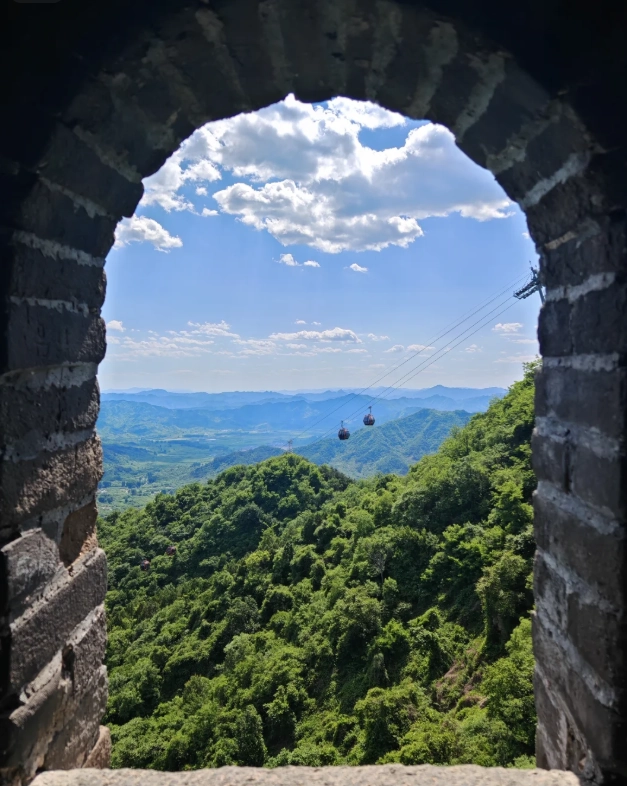
How to Get to Mutianyu (Without the Headache)
The biggest mistake first-timers make? They try to navigate public buses alone. Yes, bus 916 from Dongzhimen works, but then you have to transfer to a shuttle (H23 or H24) — and those buses are often packed, infrequent, and drivers speak zero English. I've seen tourists wait 40 minutes under the sun with no shade.
Here's what I recommend based on years of trial and error:
Option 1: Private car / Didi (best for small groups)
Book a Didi from your hotel to "Mutianyu Great Wall ticket office." Cost: around ¥350–450 one way (depending on traffic). The ride takes about 1.5 hours on a good day. I always tell my clients to ask the driver to wait (negotiate around ¥100 per hour for waiting time) so you don't struggle to find a ride back.
Option 2: Direct tourist shuttle bus (budget option)
There's a dedicated bus from Muxiyuan Long-distance Bus Station (木樨园) and also from Qianmen (前门) — but these are morning-only departures. The bus costs ¥80 round trip and drops you at the entrance. The catch: you must be at the pickup point by 7:30 AM, and the return bus leaves at 3:30 PM sharp. Miss it, and you're stuck.
Option 3: Guided day tour (lazy but reliable)
If you want everything handled, I suggest booking through Klook or Viator. They typically include hotel pickup, entrance fees, cable car, and an English-speaking guide. Price: around ¥400–600 per person. It's more expensive than going alone, but the convenience is worth it if you're not confident with logistics.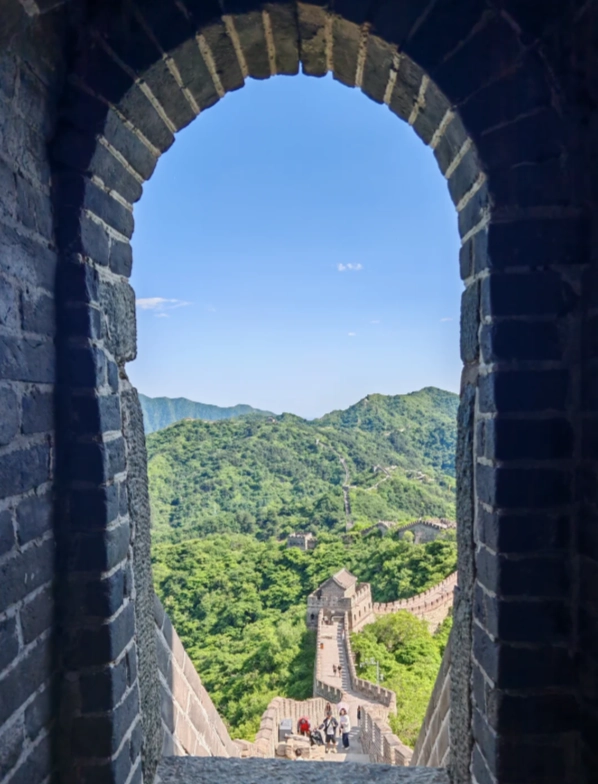
Tickets, Costs & Pro Tips
Ticket prices (check official site for updates)
| Item | Price | Notes |
|---|---|---|
| Adult wall ticket | ¥40 | Required for entry |
| Child (6–18 or 1.2m–1.5m) | ¥20 | Bring passport for age verification |
| Senior (60+ with ID) | Free | But you still need a free ticket from the booth |
| Cable car round trip | ¥100 | Kids under 1.2m free, but must sit on lap |
| Chair lift up / toboggan down | ¥100 (one-way chair) + ¥80 (toboggan) | Or combo ticket ¥180 |
How to buy tickets: You must book online in advance via the WeChat mini-program called "Great Wall Travel" (长城旅游). Yes, this is annoying — it's all in Chinese. I always ask my hotel concierge to help. Alternatively, you can show up at the gate and scan a QR code to buy, but if it's a holiday weekend, the online quota often sells out.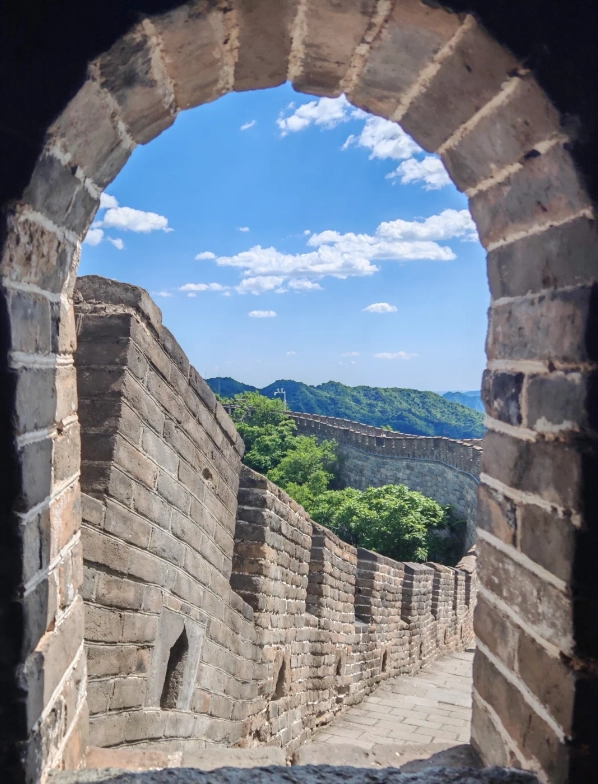
What to bring:
- Cash. The cable car ticket booth often has card machine issues. I've witnessed tourists have to borrow money from strangers.
- Water. There are vendors on the wall, but a small bottle costs ¥10. Bring at least 1L.
- Sunscreen & hat. There's almost no shade on the wall.
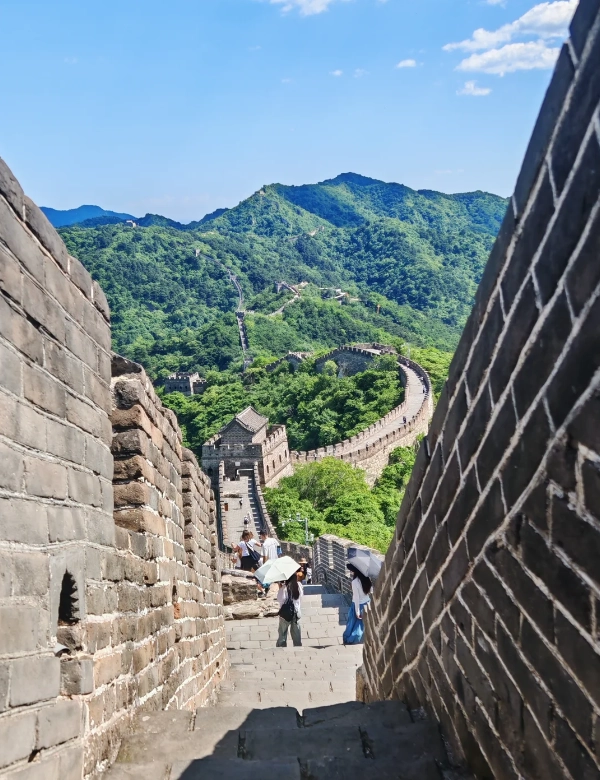
- Good shoes. The steps are uneven — some are 50cm tall. I've seen flip-flop disaster.
Best Time to Visit Mutianyu Great Wall
Timing is everything. I've been here in every season, and here's what works:
Spring (April–May): Mild weather, peach blossoms around. But be prepared for random sandstorms. I got caught in one last April — not pleasant. Bring a mask.
Autumn (September–October): Perfect. The sky is clear, temperatures are 15–25°C, and the foliage turns red and gold. Weekdays are blissfully quiet.
Winter (November–February): Fewer tourists, and you might get the wall almost to yourself. But it's freezing (often below -5°C) and the cable car occasionally stops due to high winds. If you go, wear thermal underwear and thick gloves.
Summer (June–August): Hot and humid. The walkways can feel like an oven by 11 AM. If you must go, arrive at the ticket office by 7:30 AM. The best time to be on the wall is 8:00–10:30 AM. After 11 AM, tour groups swarm in.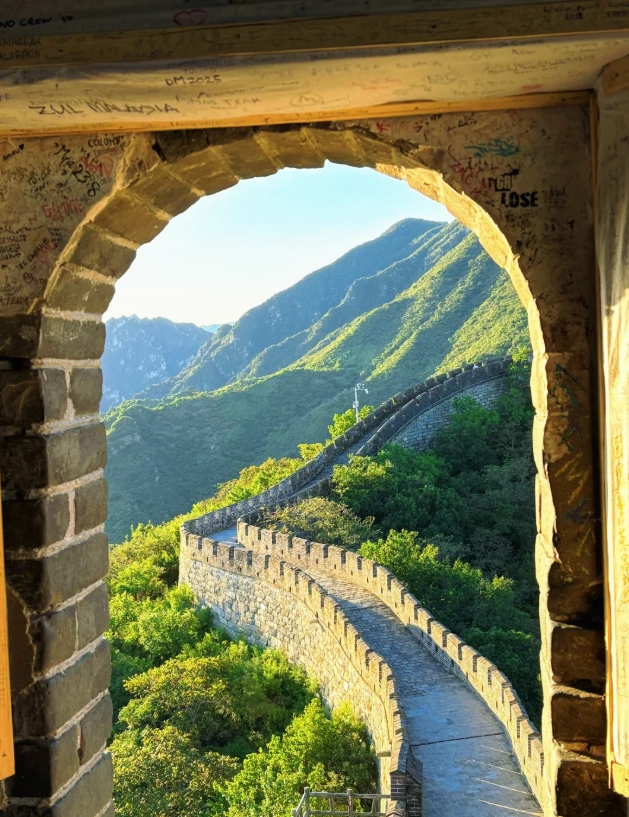
Frequently Asked Questions
Verified and fact-checked by the editorial team. This content has been fact-checked to ensure informational precision.





No comments yet.