 Hong Ma
Quick Jump
Four hours. That’s how long my group spent stuck in traffic trying to reach the Terracotta Warriors on a Saturday morning last fall. The official bus from the train station? Overcrowded. The taxi meter? Running. I knew there had to be a smarter way.
After years of guiding tours in Xi’an, I’ve tested every mode of transport—from the sleek new metro lines to the chaotic public buses. The hard truth: most foreign travelers waste time and money because they don’t know the local hacks. Here is the exact system I use to skip queues, avoid payment nightmares, and get anywhere in the ancient capital quickly.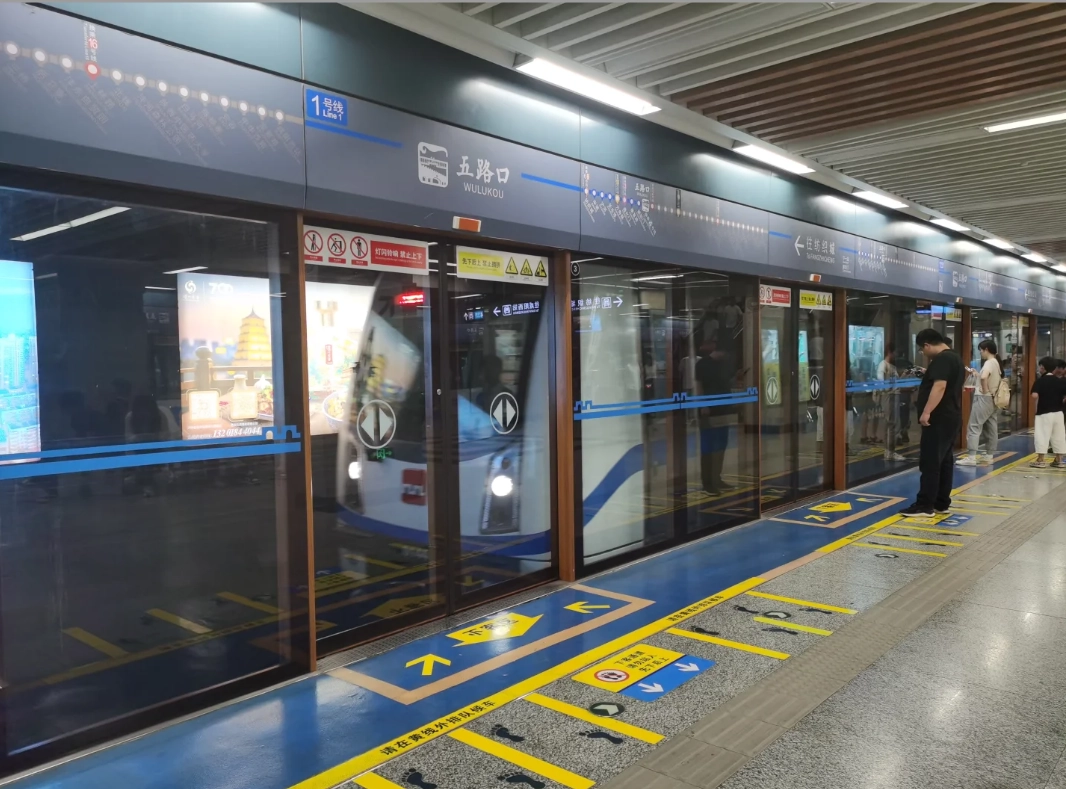
Xi'an Metro: The Backbone of Your Travel
The metro (subway) is hands-down the most reliable option. Xi’an now has 8 lines covering nearly all tourist spots—except the Terracotta Warriors, which still need a bus or taxi from the end of Line 9. Fares are cheap: ¥2–9 (about $0.30–$1.30) per trip. But here's the catch—you can't use cash. You must buy a physical ticket (coins at the machine) or, better, get a Zhongshan Yikatong card from any station customer service booth. The card costs ¥18 deposit and you can load it with cash. It also works on buses and city bikes.
Key lines for tourists:
- Line 2: Runs north-south, connects North Railway Station, Bell Tower, and Yongning Gate (South Gate of the City Wall).
- Line 3: Connects the Great Wild Goose Pagoda and the Qujiang area.
- Line 4: Links West Railway Station, Daming Palace, and the Hancheng Lake area.
- Line 9: Ends at Huaqingchi (Huaqing Hot Springs) and connects to buses for the Terracotta Warriors.
Stations are announced in English, and signs are bilingual. Still, avoid rush hours (8:00–9:30 AM, 6:00–7:30 PM) if you can. The Bell Tower exchange station gets claustrophobic.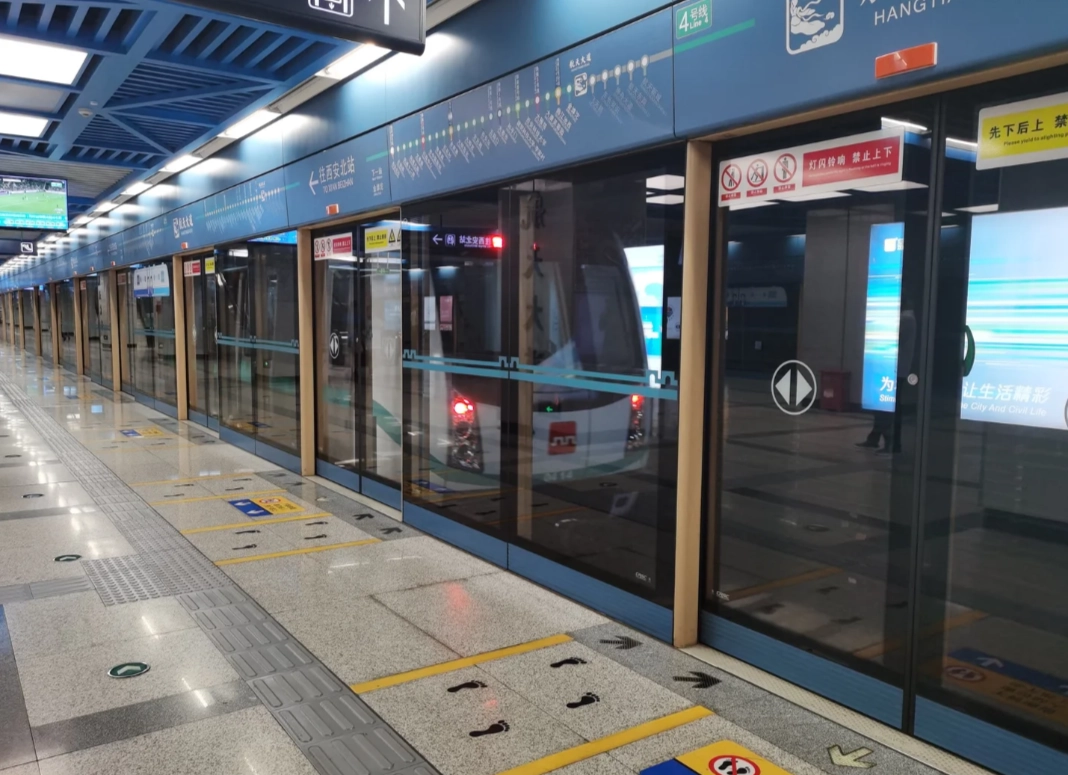
Taxis & Didi: When to Use and How to Pay
Taxis are everywhere but require patience. The biggest pain point: most drivers don't take credit cards or foreign WeChat. I always tell my clients to have at least ¥100 in small bills. The flagfall is ¥8.50, and a ride from downtown to the railway station costs about ¥20. To the airport? It’s a fixed ¥150 via airport taxi, or use Didi and it’s around ¥120.
Didi (the Chinese Uber) is more foreigner-friendly if you can set up Alipay or WeChat Pay. I’ve had success linking a Visa card to Alipay, but it sometimes fails. Here's my fallback: ask a local helper (hotel concierge or a friendly shopkeeper) to order the Didi for you, then you pay them cash. Sounds awkward, but it works 100% of the time.
Never take unmetered taxis near the Bell Tower or tourist spots. They'll quote ¥50 for a ¥15 ride. Instead, walk 100 meters away from the main square and hail a passing cab.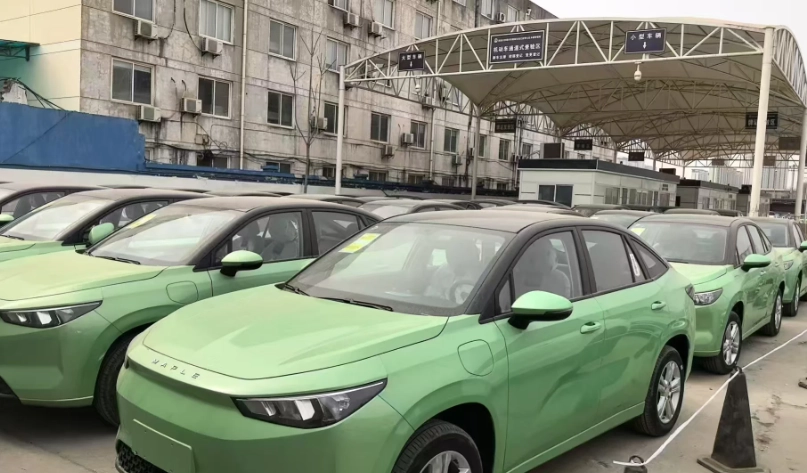
Public Buses: Cheap but Tricky
Buses cost ¥1–2 and go everywhere. But they’re tricky for beginners—most routes are in Chinese only, and the digital boards on buses often display the next stop in Chinese characters. I recommend buses only if you’re heading to the Terracotta Warriors (Bus 5 from the train station) or to remote temples. Use the mobile app “Xi’an Bus” or Baidu Maps with English overlay—but Baidu Maps is more reliable than Google Maps inside China.
To pay, use the same Yikatong card or scan a QR code via the Xi'an Bus app. Cash is accepted—but you need exact change and no change is given.
One time I took bus 29 from the South Gate to the Great Wild Goose Pagoda. It took 25 minutes vs. 15 by taxi, but saved ¥30. If your time is tight, skip the bus.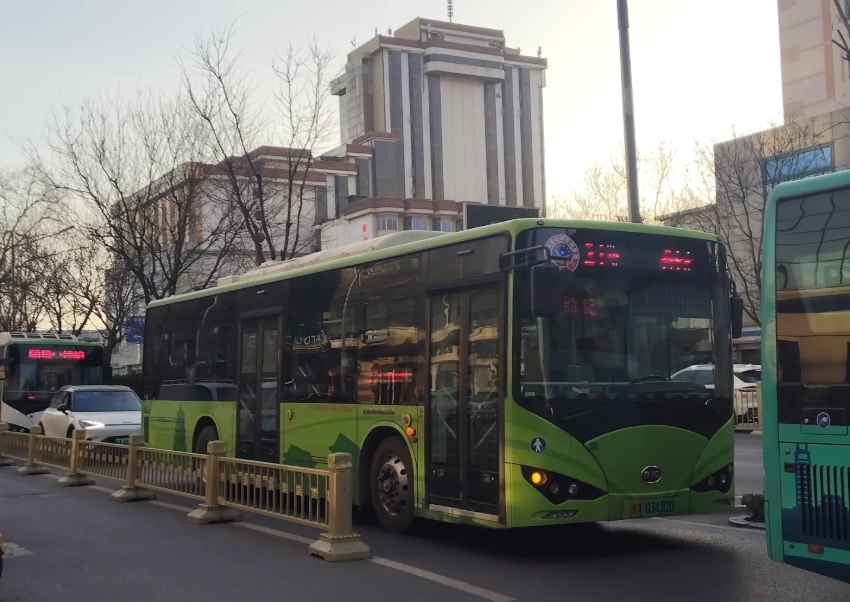
Shared Bikes: The Best Short-Hop Solution
HelloBike (the blue ones) and Meituan Bike (yellow) are everywhere. Scan the code with the HelloBike app (available in English) or Meituan (Chinese-only). Costs: ¥1 per 30 minutes. I use them to cruise along the City Wall bike path or between snack stalls in the Muslim Quarter. Caution: bike lanes disappear randomly in Xi’an. Stick to wide streets like Changan Road or the area inside the Wall.
My personal favorite: rent a bike at the South Gate of the City Wall (¥45 rental). Cycling the entire wall (14 km) takes about 1.5 hours, and the views at sunset are killer.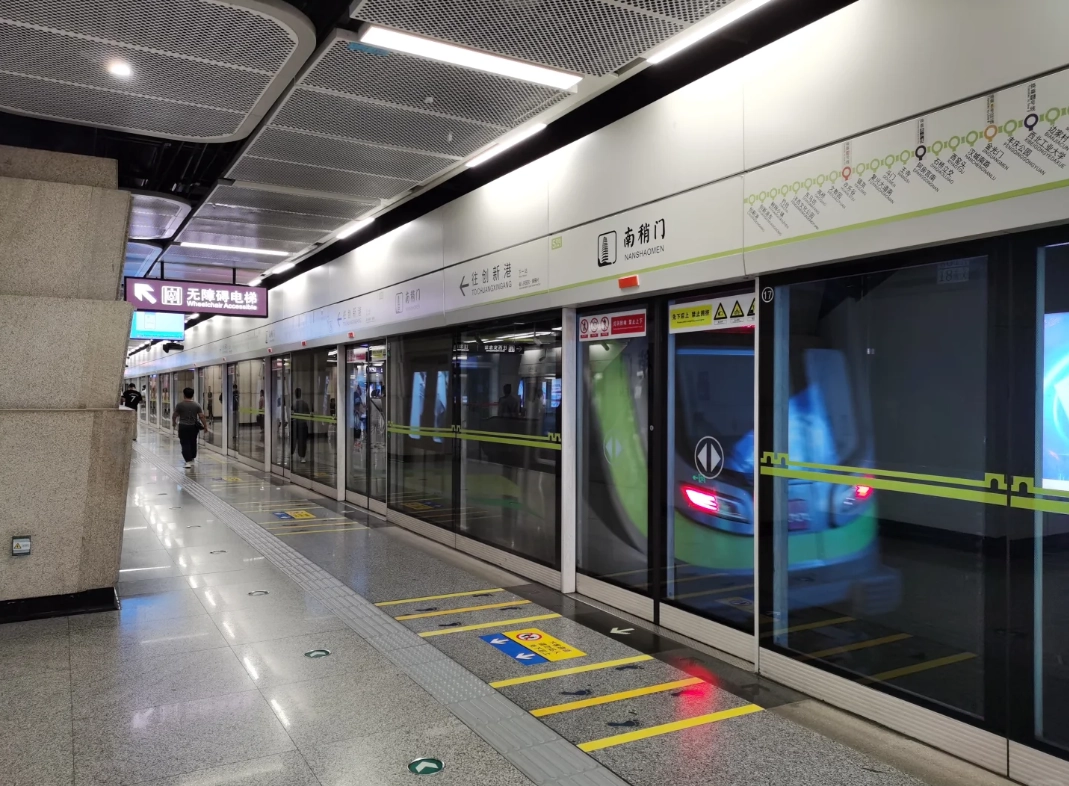
Tuk-tuks, Pedicabs & Airport Transfers
Tuk-tuks are common near the Muslim Quarter and the city wall. They’re fun but negotiate price upfront—never pay more than ¥15 for a short hop. Pedicabs are rarer and best avoided because they’re slow and drivers often overcharge.
To get to Xi’an Xianyang International Airport (XIY), take the metro Line 14 (from North Railway Station) to the airport—costs ¥8 and takes 45 minutes. Airport express buses from the Bell Tower cost ¥25 and run every hour. Taxi: ¥120–150 (negotiate if no meter).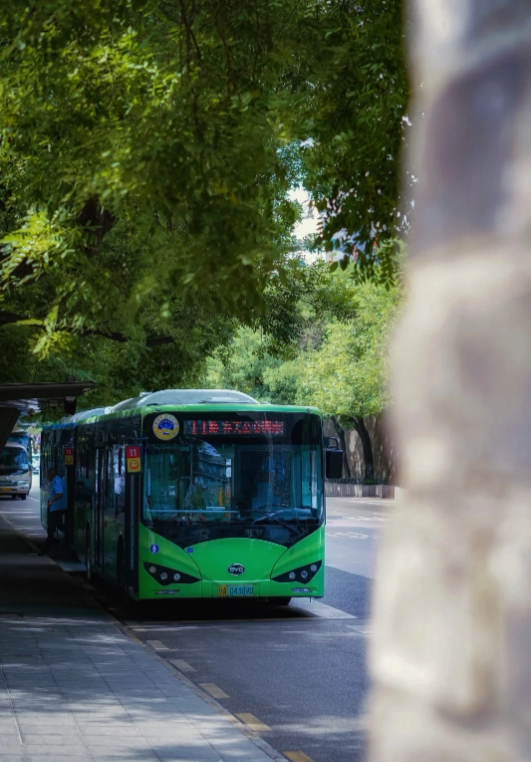






As a solo traveler, this guide was gold. The section on using shared bikes to explore the old city walls is spot on — I cycled the entire perimeter at sunset and it was magical. The tip about haggling with tricycle drivers near the South Gate also worked like a charm. Saved time, money, and sanity. 10/10 would use again.
Tried the 'night bus hack' they suggested to get back from the Giant Wild Goose Pagoda — total failure. The bus stop was moved and no one spoke English. Ended up taking a Didi that cost triple. Maybe the info is outdated? I'd give it a miss unless it's updated. Decent for daytime routes though.
Honestly, this guide was a lifesaver for navigating the Muslim Quarter's maze of alleys on foot. The hidden shortcut to the Drum Tower they mentioned actually works! Also appreciated the tip about buying a day-pass for the subway — saved me at least 40 yuan. Highly recommend printing the map before you go.
The advice on using the metro to reach the Terracotta Warriors saved me a ton of hassle — direct bus from the station was a breeze. Only complaint: the guide says 'avoid taxis near the Bell Tower' but doesn't explain why. I got quoted triple there anyway. A bit more context would help newbies.
I followed the tips about renting a bike near the city wall — cheap and fun! But the directions to the subway station were a bit confusing; ended up walking an extra 20 minutes in the heat. Still a solid guide overall, just wish the map details were clearer.