 Qiang Huang
What You'll Learn
I’ve been leading tours in Shanghai for over a decade. Honestly, the metro is the fastest way to get around—but only if you know the tricks. Last week, a family from Australia spent 45 minutes at the ticket machine. I walked them through it in 2 minutes. Here's the system that works.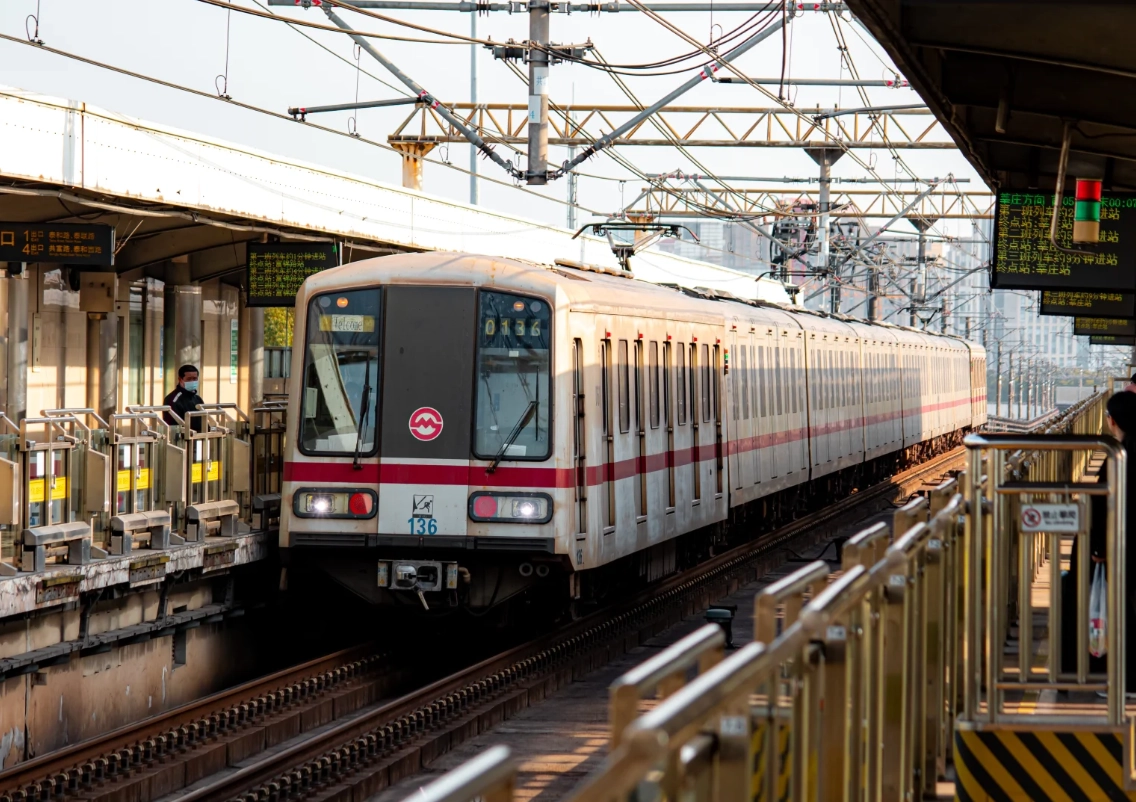
The Golden Rule: Download Alipay before you arrive. It unlocks everything: metro tickets, bus, taxi, and even street food.
Buying Tickets Without a Local Phone
You can buy single-ride tickets with cash. But the machines only accept ¥1, ¥5, ¥10 coins and ¥5, ¥10 notes. No international credit cards. Here’s the catch: not all stations have change machines. I always tell my clients to bring small bills.
Using the Ticket Machine Step-by-Step
1. Touch the screen to select English (top right).
2. Choose your line and station name (they use pinyin).
3. Insert cash. The machine spits out a green plastic token.
4. Tap the token on the yellow reader to enter. Keep it until you exit—you’ll drop it in the slot at your destination.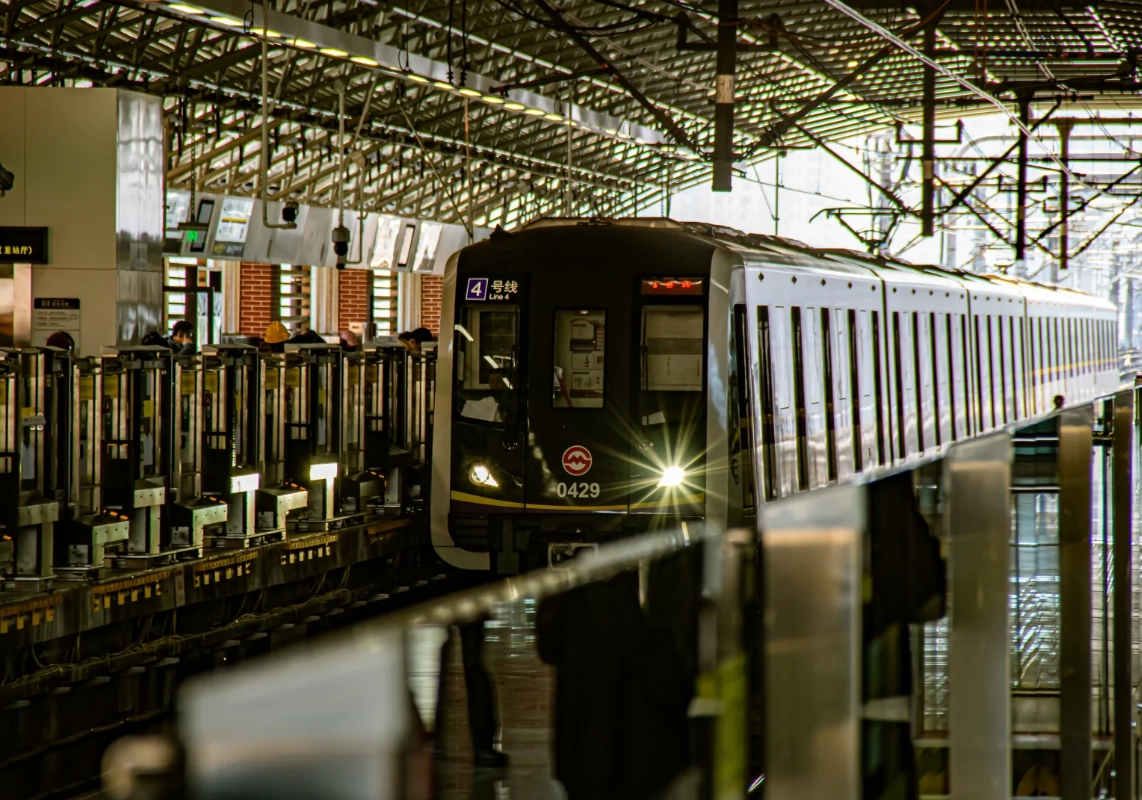
Pro tip: If the machine won’t accept your bill, try flattening it. Old notes get rejected. Also, some machines only take coins for ¥10. Use the adjacent machine if stuck.
Using Alipay or the Metro App
This is the real time-saver. Alipay’s “Transport” card works on all Shanghai metro lines. No QR code scanning needed—just hold your phone near the reader.
Setting Up Alipay for Metro
1. Install Alipay and link an international credit card (Visa, Mastercard).
2. Tap “Transport” on the home screen.
3. Select “Shanghai” and enable “Metro QR”.
4. At the gate, open the QR code and scan it on the reader (same area as the token reader).
5. Exit also scan again—the fare is deducted automatically.
Alternatively, get the official “Shanghai Metro” app. It has an English version, but Alipay is simpler for tourists.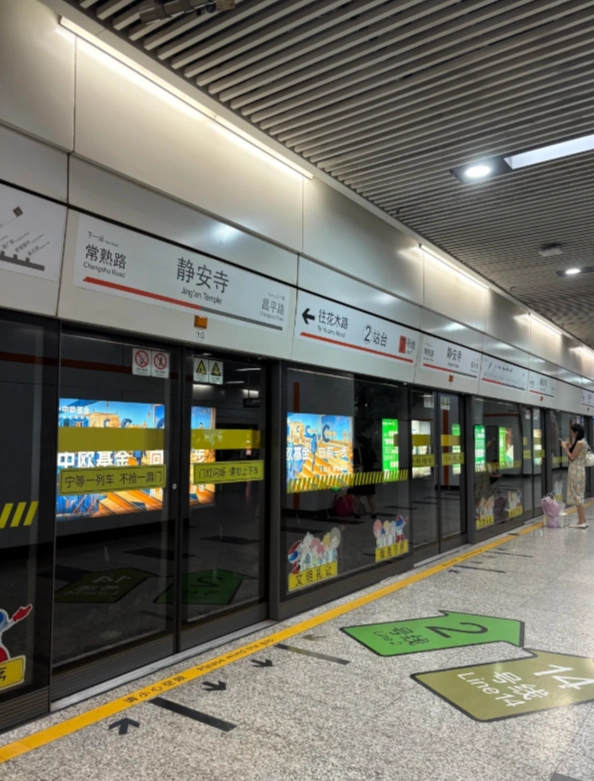
Warning: The metro app requires a Chinese phone number for registration. That’s a pain. Stick with Alipay.
Transferring Lines Like a Local
Shanghai metro has 18 lines. Transfers can be long—5 to 10 minutes walking. The biggest hubs: People’s Square (Lines 1, 2, 8), Century Avenue (Lines 2, 4, 6, 9), and South Shaanxi Road (Lines 10, 12, 13).
I always check the map inside the station before moving. Follow the colored lines on the floor—they lead to the correct line. If you’re lost, look for staff in red vests. Many speak basic English.
Navigating with Google Maps
Google Maps works for metro directions in Shanghai. It shows exit numbers (extremely helpful). For example, Exit 1 at East Nanjing Road gets you to the Bund faster than Exit 4.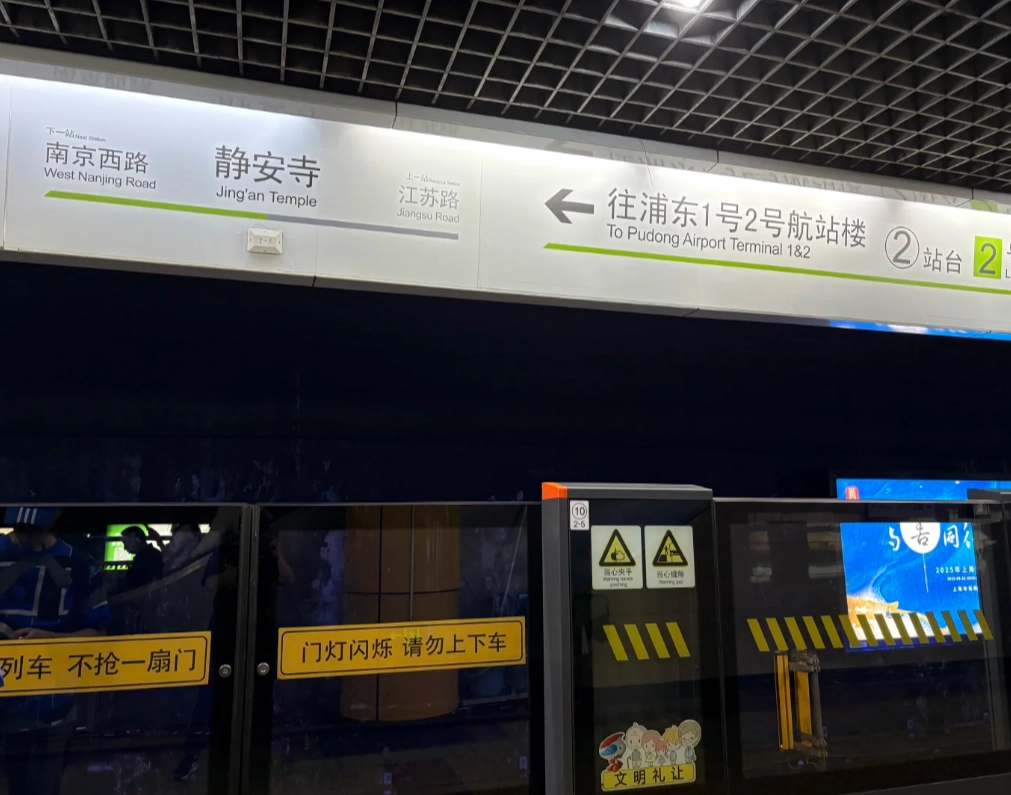
Avoiding Peak Crowds & Queues
Rush hours: 7:30–9:30 AM and 5:00–7:00 PM. Lines 1, 2, and 8 are packed. I’ve seen people literally pushed into trains. Avoid if you can.
If you must ride during peak: buy a prepaid metro card (Shanghai Public Transportation Card) from any station customer service window. It saves you from queuing at ticket machines every time. Cards cost ¥20 deposit + top-up. Returnable at major stations.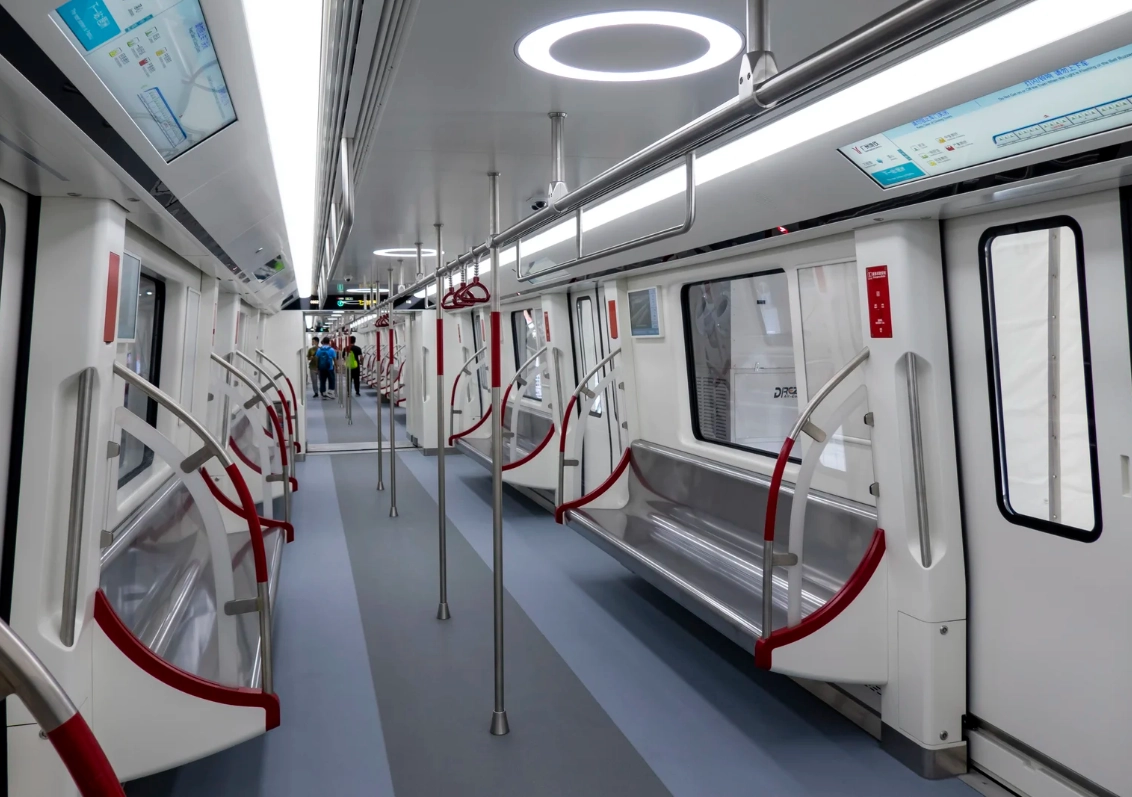
| Card Type | Deposit | Where to Buy | Notes |
|---|---|---|---|
| Single-ride token | None | Ticket machine | Cash only, up to ¥10 |
| Transportation Card | ¥20 | Station service window | Refundable, also for buses |
| Alipay QR | None | Alipay App | Auto top-up, no queue |
My personal favorite: Alipay. It even works on the Maglev train to the airport. Just make sure you have internet.
Common Mistakes Foreigners Make
Mistake 1: Not checking exit numbers. Exits in Shanghai are huge. Exit 1 and Exit 12 can be 500 meters apart. Always check which exit brings you to your destination. Use Google Maps or Baidu Maps (English UI available).
Mistake 2: Putting luggage on the seat. Trains get crowded. Keep bags on your lap or between your legs. Locals will stare.
Mistake 3: Standing on the wrong side of the escalator. Stand right, walk left. If you stand on the left, people will tap your shoulder.
Mistake 4: Forgetting to tap out. With Alipay or a card, you must tap out even if the gate is open. Otherwise, you get charged the max fare, and your card may get locked.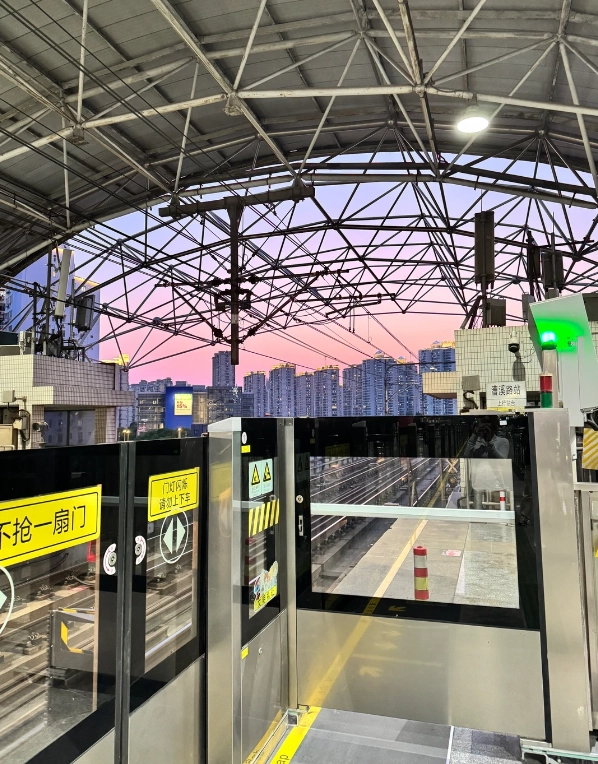
FAQ – Real Answers from a Guide
Verified and fact-checked by the editorial team.








As someone who hates wasting time on transit, this guide was a gem. The 'buy a multi-day pass' tip alone cut my waiting time to zero, and the insider advice about which carriage doors open closest to the escalators at Nanjing Road was pure gold. I even shared it with a random tourist in the station. Brilliant resource!
This article was exactly what I needed before my business trip. I followed the step-by-step instructions to set up the metro card on my phone, and it worked flawlessly. No fumbling for change, no waiting in line. Plus the map with recommended transfer stations saved me from getting lost. 5 stars!
Decent overview but nothing groundbreaking. The 'skip queues' part is basically just 'use Alipay or WeChat'—which everyone already knows if they've been in China for a day. I was hoping for actual pro hacks, like which specific station has the shortest walks to platforms. A bit disappointed.
Solid article, but I wish it covered more about navigating during peak hours. The queue-skipping advice works fine for off-peak, but when I tried it at 8 AM in Lujiazui, the app kept crashing. Still, the rest of the tips—like avoiding the busiest exits—were spot on. Good read overall.
I was skeptical at first, but this guide really helped me avoid the long ticket lines at People's Square. The tip about using the app to scan QR codes instead of buying tokens was a lifesaver. Saved at least 20 minutes each day. Highly recommend for first-timers!